Exploring Your Creative Visual Language

Unveiling Your Unique Art Style: A Pinterest-Powered Journey to Personalized Home Decor
For over a year, I’ve diligently curated a dedicated Pinterest board, a digital canvas where I’ve pinned countless pieces of art that simply resonated with me. My initial intention, much like many Pinterest users, was to gather ideas and spark inspiration for future projects. I knew that eventually, I wanted to adorn my home with personalized, unique artwork that truly reflected my taste. The challenge, however, lay in defining that taste. Art can be incredibly diverse, and I often found myself struggling to pinpoint my preferred “type”—was it abstract, geometric, mixed media, or something else entirely? This uncertainty often led to a fear of merely replicating someone else’s creativity rather than forging my own distinctive style. The question loomed large: if a personal style truly existed, how could I discover it?
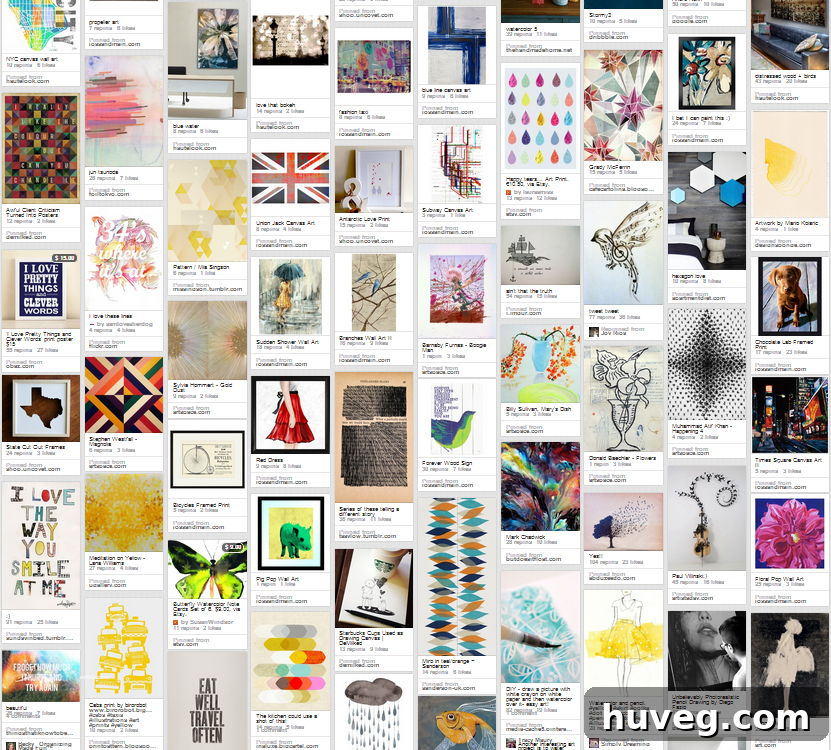
What I eventually realized was a profound revelation: the seemingly random collection of art I had been pinning all this time wasn’t random at all. A simple step back, a fresh perspective on the entire board, revealed undeniable patterns and recurring themes. It was like a visual puzzle slowly piecing itself together, much like remembering those catchy educational songs from *Sesame Street* about grouping similar objects. Embracing my inner art enthusiast and organizational tendencies, I’ve meticulously grouped several of these captivating pieces below. Through this curated selection, adorned with my own playful yet descriptive labels, I hope to offer you a glimpse into the creative projects I’ll be exploring this weekend. Please note, I’ve disabled the Pin-it feature on this post; I encourage you to visit my original board and re-pin from the original sources, supporting the talented artists who created these works.
Decoding Your Visual Preferences: Common Art Themes
When you regularly collect images that catch your eye, whether on Pinterest, Instagram, or even tearing pages from magazines, you’re unwittingly creating a powerful tool for self-discovery. This visual diary holds the key to understanding your aesthetic sensibilities. By analyzing these collections, you can identify recurring motifs, color palettes, textures, and compositions that speak to you most profoundly. It’s a process of stepping beyond initial attraction to uncover the deeper reasons why certain pieces resonate.
Geometric Precision: Grid Patterns in Art
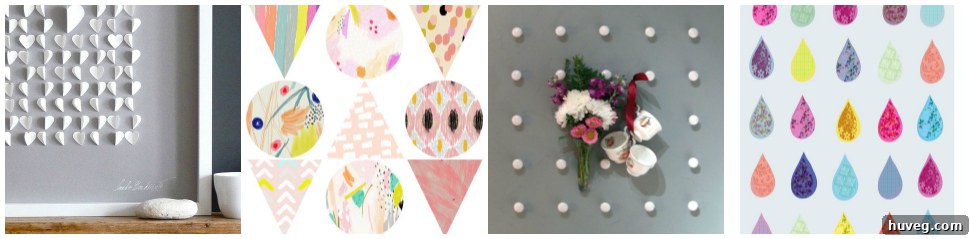
There’s an undeniable allure to grid patterns in art. They evoke a sense of order, structure, and modern elegance. Whether it’s minimalist lines forming abstract compositions, intricate tessellations, or patterned backgrounds, the use of grids often suggests a preference for clean design and thoughtful arrangement. This style can be incredibly versatile, fitting seamlessly into contemporary, industrial, or even subtly traditional decor. For DIY enthusiasts, creating grid art can be surprisingly simple yet deeply satisfying. Techniques like tape painting, where masking tape is used to define precise lines before painting, or even digital prints, offer accessible ways to bring this structured aesthetic into your home. The appeal often lies in its ability to create visual calm amidst chaos or add a sophisticated touch to any space, reflecting a personality that appreciates precision and thoughtful design.
Whimsical Figures: Poofy Skirts and Fashion Illustrations
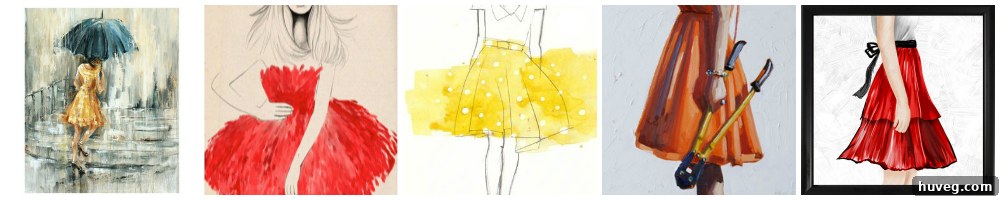
The charm of art featuring figures with “poofy skirts” speaks to a love for elegance, movement, and perhaps a touch of romantic whimsy. This category often encompasses fashion illustrations, ballet dancers, or stylized portraits that emphasize voluminous textiles and graceful poses. Such pieces can bring a sense of femininity, dreams, and storytelling to an interior. They often feature delicate lines, soft colors, and a focus on form and silhouette. Incorporating this style into DIY projects could involve experimenting with mixed media, using fabric scraps to add texture, or exploring watercolor and ink for delicate outlines. This aesthetic is particularly fitting for bedrooms, dressing areas, or any space where a feeling of gentle sophistication and personal narrative is desired. It suggests an appreciation for beauty, fluidity, and the captivating narrative that clothing can convey.
Majestic Presence: Elephants in Art
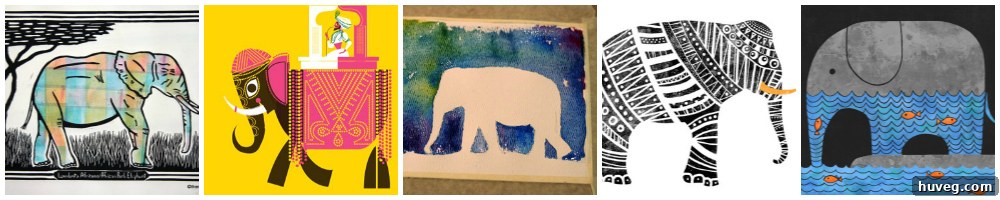
Elephants in art hold a special significance for many, often symbolizing strength, wisdom, loyalty, and good fortune. My collection of elephant art spans various interpretations, from realistic portrayals to abstract forms, tribal patterns, or even whimsical depictions. The consistent presence of this majestic creature suggests an affinity for its symbolic meanings and perhaps a connection to nature and global cultures. These pieces can anchor a room with their gravitas or add a serene, grounding element. DIY projects involving elephants might include stencil art, silhouette cutouts, block printing, or even painting with rich, earthy tones. Elephant art works wonderfully in living rooms, studies, or nurseries, infusing the space with a sense of peace, resilience, and understated grandeur. It speaks to a preference for art that carries deeper meaning and a timeless appeal.
Contour and Detail: Lines Within a Silhouette
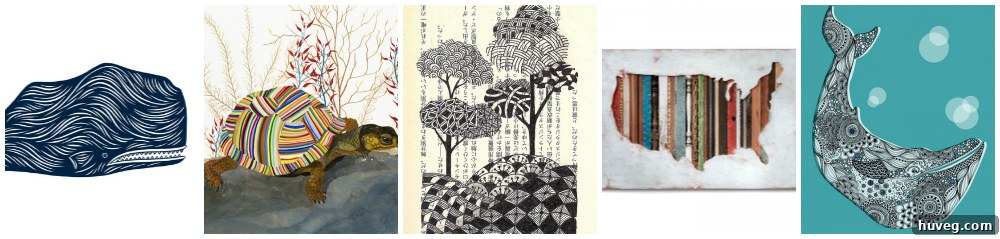
The artistic technique of depicting intricate line drawings contained within a larger silhouette is captivating and complex. It combines the stark clarity of form with the rich detail of internal patterns, creating a layered visual experience. This style often highlights craftsmanship, precision, and an appreciation for fine detail. It can range from delicate anatomical studies encased in a human profile to natural elements filled with botanical intricacies. Such art adds depth and a focal point, drawing the viewer in to explore the hidden worlds within each shape. For DIY art, this could involve creating stencils of desired silhouettes and then filling them with intricate doodle art, zentangles, or even abstract patterns using fine-tipped pens or paints. This unique style offers a sophisticated touch to any room, appealing to those who appreciate both boldness and subtlety, and who enjoy art that invites closer inspection and reveals new details over time.
Vibrant Immersion: Wet Scenes with Lots of Color
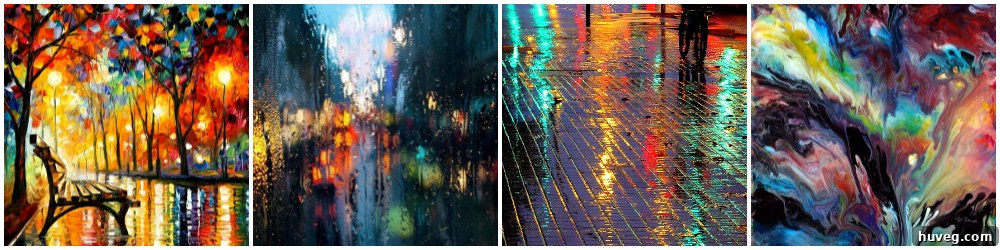
Art that captures “scenes that look wet with LOTS of color” often conjures images of dynamic movement, fluid forms, and intense emotional expression. This style is characterized by saturated hues, blended transitions, and a sense of immediacy, as if the paint is still fresh and flowing. It might include vibrant cityscapes reflecting neon lights on a rainy night, abstract color fields that ripple with energy, or impressionistic landscapes drenched in light and shadow. The appeal here lies in the drama and visual impact, offering a burst of energy and emotion to any space. DIY interpretation could involve experimenting with wet-on-wet watercolor techniques, acrylic pours, or even digital art that mimics liquid effects. These pieces are excellent for adding a focal point in a living room, dining area, or even a home office, stimulating creativity and conversation with their bold presence and evocative charm. It indicates a preference for art that is expressive, lively, and full of vibrant life.
Ethereal Hues: The Beauty of Watercolor
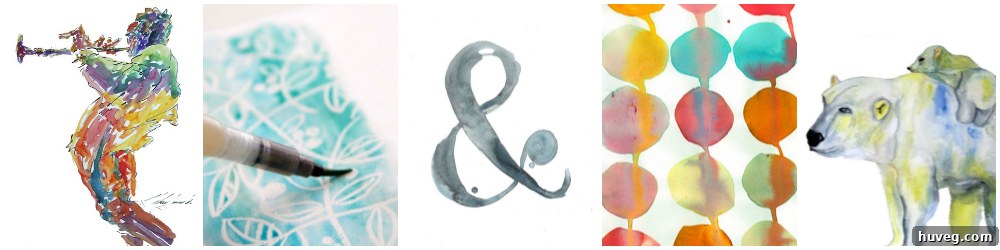
Watercolor art, with its distinctive transparency and delicate washes, holds a special place in my collection. This medium excels at capturing light, mood, and subtle transitions, often resulting in pieces that feel ethereal, serene, or dreamlike. From soft floral studies to atmospheric landscapes and abstract color blends, watercolor art brings a calming yet sophisticated aesthetic. Its inherent fluidity means no two pieces are exactly alike, offering a unique charm. For DIY art, watercolor is remarkably accessible, even for beginners. Experimenting with different paper textures, brush sizes, and water ratios can yield stunning results, from loose, expressive strokes to more controlled, detailed renderings. Watercolor art is perfect for spaces that benefit from a soft touch—think bedrooms, nurseries, or a cozy reading nook—where it can introduce gentle color and a sense of peaceful contemplation. This preference suggests an appreciation for subtlety, organic flow, and the quiet beauty of understated artistry.
Symbol of Affection: Hearts Formed by Groupings
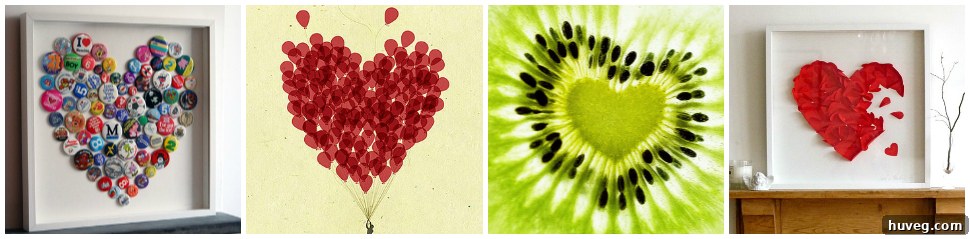
The motif of “hearts formed by a grouping of shapes” is particularly endearing. This style takes a universal symbol of love and affection and presents it in an imaginative way, where individual elements—be it birds, flowers, pebbles, or even abstract forms—converge to create the iconic heart shape. It speaks to connection, unity, and the idea that beauty can emerge from the coming together of disparate parts. Such art can be deeply personal and symbolic, representing love for family, friends, or a cherished memory. For DIY projects, this theme offers endless creative possibilities: assembling collages of small photographs or found objects, arranging painted dots or abstract shapes on a canvas, or even creating digital prints with repeating patterns. Heart-themed art, especially those with a clever twist, can add warmth and sentimentality to any room, making it feel more personal and inviting. It reflects a preference for art that celebrates connection, community, and heartwarming narratives.
Graceful Flight: Things With Wings
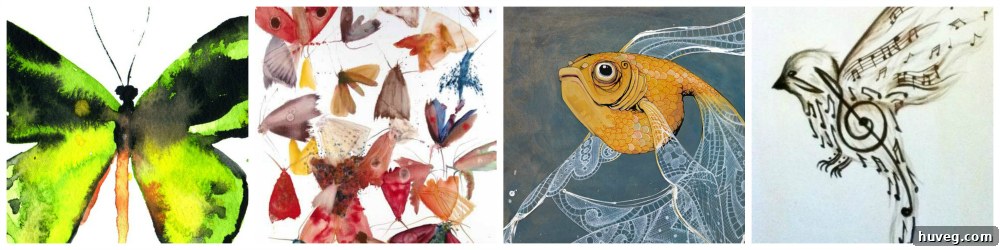
The recurring presence of “things with wings” in my art collection—be it delicate butterflies, majestic birds, or even stylized fish fins—points to an appreciation for freedom, transformation, and grace. Wings are powerful symbols of aspiration, movement, and the ability to transcend limitations. Art in this category often features lightness, ethereal qualities, and a sense of upward motion. It can bring a feeling of airiness and wonder to any space, fostering a sense of peace or inspiring dreams. DIY renditions could include crafting paper cutouts, creating multi-layered stencils, or painting with flowing lines and soft colors to evoke motion. These winged motifs are wonderful for adding a touch of whimsy and elegance to a variety of rooms, from a tranquil bedroom to a bright living area, or even a creative workspace. It suggests a preference for art that inspires, elevates, and celebrates the boundless spirit of nature and imagination.
Nautical Charm: Simple Ships
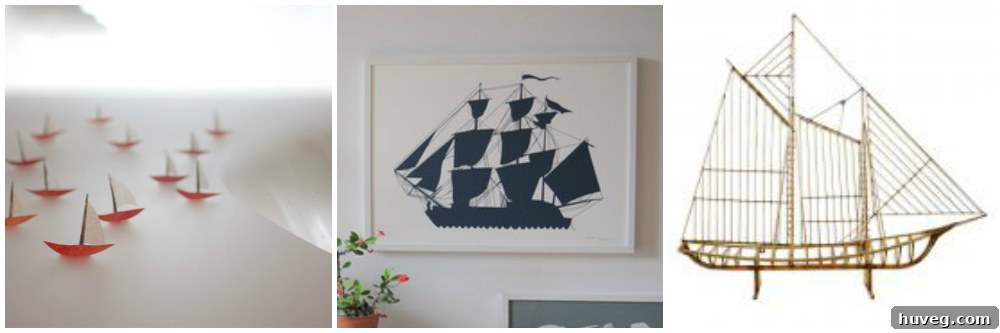
There’s a timeless appeal to “simple ships” in art. These pieces often evoke a sense of adventure, tranquility, or nostalgia for coastal living. Whether it’s a minimalist outline of a sailboat against a vast sea, a charming rowboat bobbing gently, or a stylized vessel embarking on a journey, ship art connects us to the romance of the ocean and the spirit of exploration. Such art can imbue a room with a calming, maritime theme or a touch of wanderlust. For DIY art, this could involve creating simple silhouette paintings, using rope or twine for texture, or drawing with clean lines and a limited color palette. Ship art is particularly suited for beach houses, bathrooms, or any space where a serene, escapist atmosphere is desired. It suggests a preference for art that is evocative, often with a connection to nature, travel, and the enduring human spirit of discovery.
Uninhibited Expression: Fingerpainting
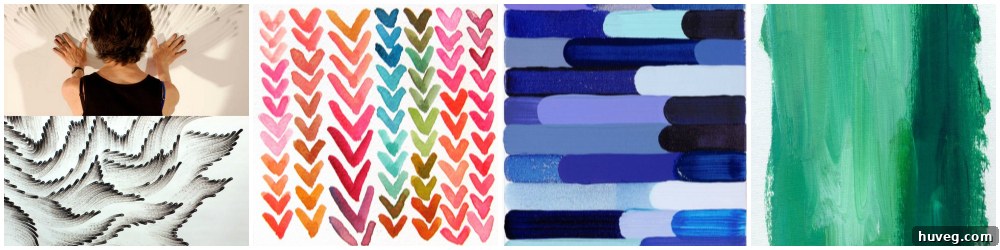
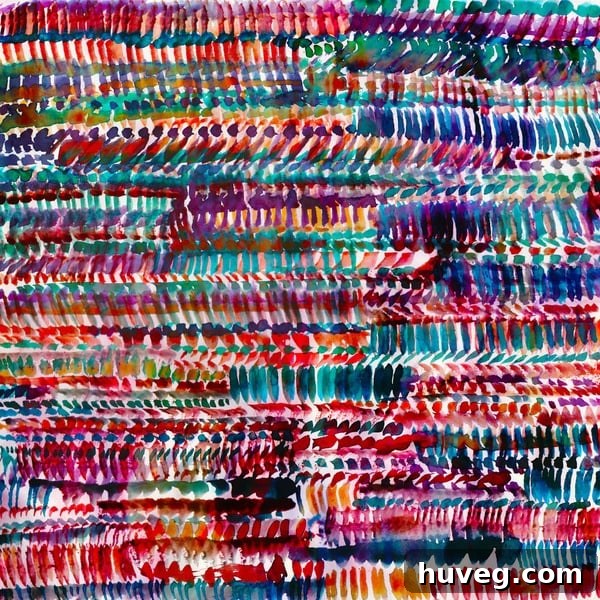
The inclusion of “fingerpainting” in my collected art might seem surprising, but it speaks to a love for raw, uninhibited artistic expression and vibrant texture. This style often highlights boldness, spontaneity, and a connection to the pure joy of creation. Fingerpainting, even in adult art, results in tactile, often abstract pieces that are rich in color and movement, with visible strokes that convey a sense of immediacy and energy. It reminds us of the freedom of childhood creativity and the beauty found in imperfection. For DIY projects, this is perhaps the most liberating category: simply using fingers with acrylics or tempera paints on canvas or thick paper to create abstract patterns, expressive landscapes, or bold color fields. Fingerpainting art can add a playful, modern, and genuinely unique touch to a child’s room, a creative studio, or even a contemporary living space that embraces unconventional aesthetics. It signifies a preference for art that is visceral, authentic, and celebrates the fundamental act of making.
Synthesizing Your Vision: From Pins to Personal Style
It’s important to acknowledge that many of these categories aren’t rigid silos; some pieces could fluidly transition between them. For instance, a fingerpainted ‘V’ pattern might also echo elements of watercolor’s fluidity or a grid’s structure, just as a black and white elephant picture could fit under the “lines within a silhouette” theme. The true revelation isn’t about strict categorization but about recognizing the underlying threads that connect your visual preferences. What initially appeared to be a disparate collection of images gradually coalesces into a cohesive statement about your personal aesthetic. Collecting and pinning images might seem like a passive activity, but when observed over time, this habit transforms into a powerful tool for self-discovery, revealing the specific “types” of art that genuinely feel right at home on your wall.
Understanding these preferences provides a solid foundation for making confident choices about art, whether you’re purchasing pieces or embarking on your own DIY creations. It moves you past the “I like it, but I don’t know why” stage to a clear articulation of your artistic vision. This clarity empowers you to curate a home environment that is not just decorated, but thoughtfully adorned with reflections of your unique personality and passions.
Bringing Your Art Style Home: Curating a Gallery Wall
And speaking of feeling “right at home,” this process has helped me start formulating a clear vision for how I’d like to group this art, once I’ve created a few pieces, particularly for our entryway. I envision a dynamic and evolving display that can grow with my creative output.
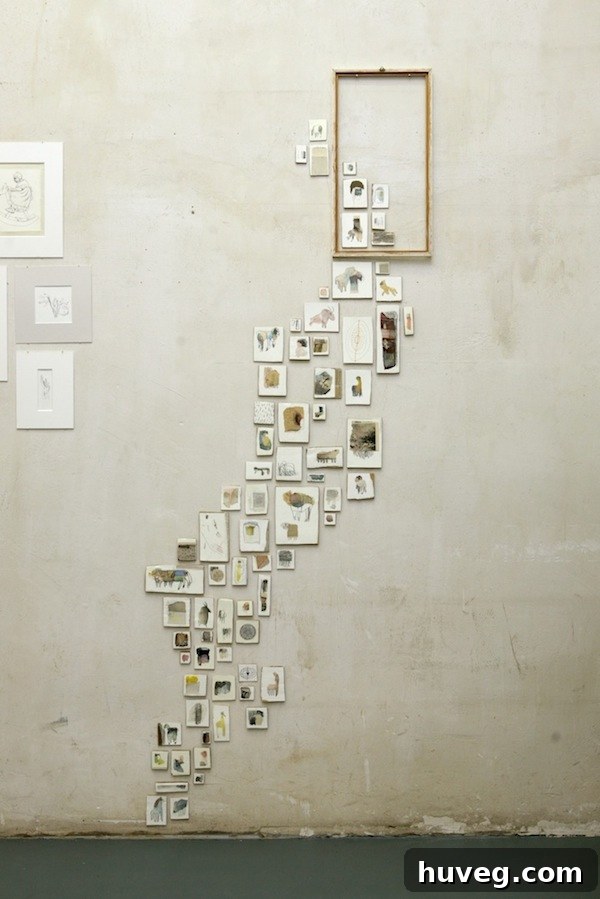
I was particularly inspired by an idea I spotted on Kit’s recent Dueling DIY update, originally sourced from April and May Studio. This concept suits my approach perfectly because it removes many of the common hurdles associated with art display. There’s no need to meticulously search for matching frames or to obsess over precise measurements with a ruler. The beauty of this arrangement is its inherent flexibility. I can simply grab a few small pictures or canvases as I create them and watch the entire display organically unfold at will. It’s an arrangement that embraces creativity’s natural flow and a slightly more relaxed, less formal approach to home decor. Or, to put it plainly, it allows for a bit of productive “laziness,” letting me place things as I go without pressure. The end result is a vibrant, personal gallery wall that is constantly evolving, reflecting my journey of artistic discovery and DIY creation.
Embrace Your Inner Artist: Start Your Own Visual Journey
Discovering your personal art style doesn’t have to be a daunting task. By consciously curating your inspirations, whether on Pinterest or through other visual mediums, you’re already halfway there. The process of stepping back, analyzing patterns, and naming the themes that resonate with you is incredibly empowering. It transforms vague preferences into actionable insights, providing a roadmap for creating a home that truly feels like yours. So, go ahead, dive into your saved images, embrace your inner art detective, and start uncovering the unique artistic voice waiting to be expressed through your very own personalized home decor projects. The journey from seemingly random pins to a cohesive and deeply personal artistic statement is a rewarding one, full of creative possibilities and self-discovery.