Lawngevity


There’s an undeniable joy that comes from seeing the interior of your home transform, reflecting your personal style and comfort. However, that feeling can be slightly diminished if the exterior doesn’t quite match up. This year, my focus shifts to the outside, specifically the lawn, which is set to receive the dedicated care and attention it deserves. A vibrant, healthy lawn doesn’t just enhance curb appeal; it provides a welcoming embrace every time you arrive home, creating a truly complete and harmonious living space. The journey to a lush green expanse involves understanding key lawn care practices, starting with the foundational step of aeration.
For many, the sight of specialized lawn equipment can be a bit of a mystery. The tool pictured above, which was the subject of yesterday’s puzzling photo, is a tow-behind aerator. This robust piece of machinery is crucial for preparing your lawn for successful grass seeding and for improving its overall health. It’s designed to create small holes in the soil, a process known as aeration, which is fundamental to cultivating a resilient and vibrant lawn. Understanding how this device works and its myriad benefits is the first step towards achieving a picture-perfect outdoor space.
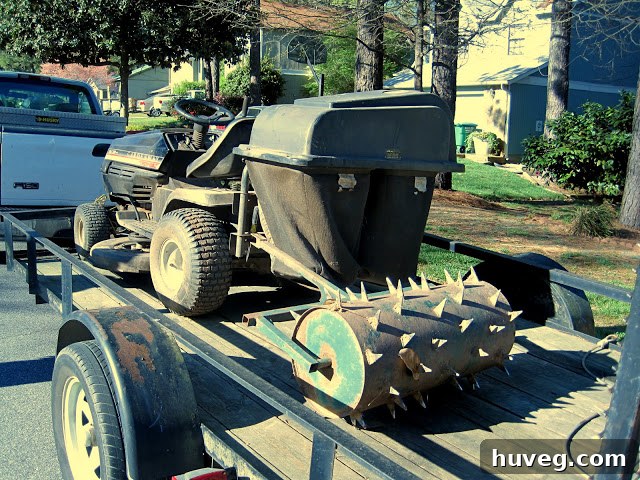
Before embarking on our lawn renovation project, I, like many homeowners, was not fully acquainted with the nuances of lawn aeration. However, after hands-on experience and some research, I’ve gained valuable insights into this essential practice. Here are a few critical points about using a tow-behind aerator that every homeowner should know:
1. Effortless Attachment: One of the most appealing aspects of a tow-behind aerator is its ease of use. These units are designed to be attached to a riding lawn mower with relative simplicity, often requiring just a few basic tools like a screwdriver. This makes the daunting task of aerating a large lawn much more manageable and efficient, allowing homeowners to tackle the job without needing professional services.
2. Optimized for Effectiveness: Many aerators, including the model we utilized, feature a hollow core designed to be filled for increased weight. During transport, the core remains empty, making the unit lighter and easier to maneuver. However, when it’s time for actual aeration, the core is filled with water and securely capped. The added weight significantly increases the pressure exerted by the aerator’s spikes, allowing them to penetrate deeper into compacted soil. This deeper penetration is vital for creating channels that effectively reach the root zone, maximizing the benefits of aeration and ensuring your efforts yield substantial results.
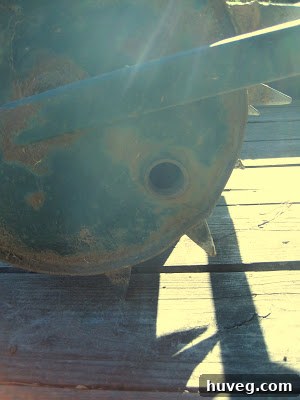
3. Multifunctional Benefits for Lawn Health: Lawn aeration is far more than just punching holes in your grass; it’s a comprehensive treatment that supports a multitude of vital functions for your lawn’s long-term health and vitality. While it’s particularly beneficial when establishing a new lawn or overseeding, its advantages extend to routine lawn maintenance, making it a critical practice for any homeowner seeking a robust, vibrant turf:
- Improves Drainage and Reduces Run-off: Compacted soil often leads to poor drainage, causing water to pool on the surface or run off, taking valuable topsoil and nutrients with it. Aeration creates pathways for water to penetrate deep into the soil, significantly improving drainage and reducing wasteful run-off. This ensures that moisture reaches the grass roots where it’s needed most, rather than evaporating or causing surface issues.
- Reduces Soil Compaction and Boosts Root Development: Soil compaction is a common issue, especially in high-traffic areas or heavy clay soils. It restricts the flow of air, water, and nutrients to the roots. Aeration breaks up this compaction, creating open channels that allow roots to breathe, expand, and grow deeper and stronger. This enhanced root system is my number one reason for prioritizing aeration, as it forms the bedrock of a resilient lawn.
- Enhances Drought Resistance: With deeper, more robust root systems, grass plants are better equipped to withstand periods of drought. They can tap into deeper moisture reserves in the soil, making them less susceptible to stress and damage during dry spells. This is particularly good news for residents in regions like Georgia, where summer water restrictions are a frequent reality, offering a natural defense against arid conditions.
- Helps Mitigate Harmful Thatch Buildup: Thatch is a layer of dead and living organic matter that accumulates between the soil surface and the green grass blades. While a thin layer can be beneficial, excessive thatch acts as a barrier, preventing water, air, and nutrients from reaching the soil. Aeration helps break down and incorporate this thatch into the soil, where it can decompose naturally, promoting a healthier environment for your grass. In a yard like mine, with an accumulation of pine straw and dead grass, managing thatch is incredibly helpful.
- Facilitates Direct Access for Water, Air, and Nutrients: By creating direct channels, aeration ensures that essential elements like water, oxygen, and applied nutrients can easily reach the grass’s root system. This direct access maximizes the efficiency of your watering and fertilizing efforts, as less is wasted on the surface, and more is absorbed by the plant.
- Optimizes Fertilizing and Overseeding: For those planning to fertilize or overseed their lawn, aeration is an invaluable preparatory step. The holes created provide ideal pockets for grass seeds to settle into, ensuring good seed-to-soil contact which is critical for germination. Similarly, fertilizer granules can easily penetrate the soil, reaching the roots directly and reducing nutrient loss. We will certainly be taking advantage of this benefit when we overseed in the fall to maintain the new growth.
Initially, this tow-behind aerator might appear somewhat formidable, with its array of spikes and the sheer size when attached to a mower. However, its effectiveness is truly impressive. Once filled with water, adding significant weight, it penetrates the soil with remarkable efficiency, making light work of what would otherwise be a labor-intensive and challenging task. The deep, uniform holes it creates are precisely what the lawn needs to jumpstart its rejuvenation.
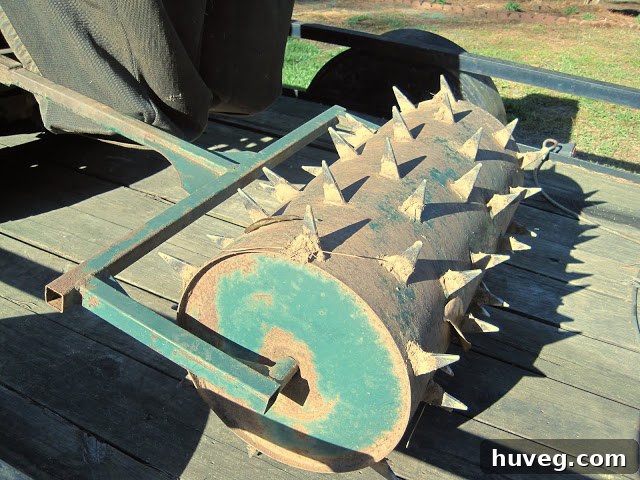
With the aeration complete, the next crucial phase of our lawn renovation project began: seeding. Our approach was comprehensive, utilizing both mechanical spreaders for large areas and manual application for precision in smaller, harder-to-reach spots. With three people working and only two spreaders available, I happily took on the task of hand-tossing seeds, ensuring every patch of soil received attention. Given the significantly bare state of our lawn, our strategy was akin to establishing an entirely new lawn from scratch, focusing on meticulous preparation and strategic seed selection for optimal growth and coverage.
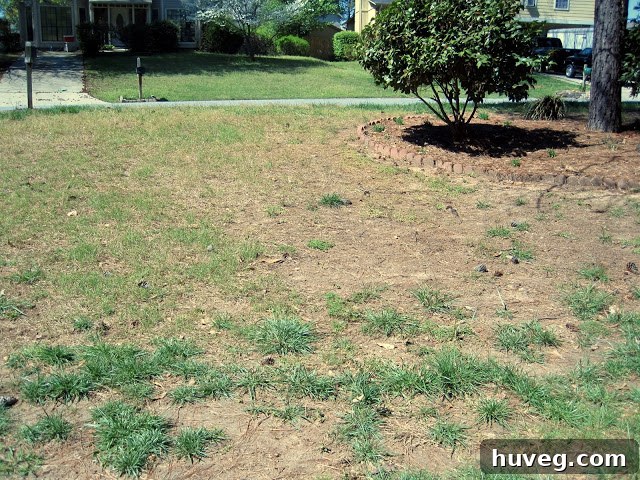
Our journey to a greener lawn started with thorough preparation. First, we meticulously cleared the entire yard of accumulated debris, including pine straw, dead grass, and any other organic matter that could hinder seed-to-soil contact. This crucial step ensures that the grass seeds have the best possible chance to germinate and establish themselves without competition or obstruction. Following the cleanup, we proceeded with the aeration process, using the tow-behind aerator to create numerous spike holes across the ground. These holes are essential for improving soil health and providing ideal pockets for the grass seeds.
For our long-term goal, we selected Tall Fescue, a grass type known for its resilience and ability to thrive in various conditions. Small patches of Tall Fescue already existed around our yard, though they were sparse and inconsistent. To address this, I purchased a massive twenty-pound bag of Scott’s Turf Builder Landscaper’s Mix South from our local home improvement store. This particular mix boasts strong online reviews and promises to deliver a dense, vibrant turf within just a few weeks, making it an excellent choice for revitalizing a struggling lawn in Southern climates.
While Tall Fescue is our primary choice for a durable, long-term lawn, we incorporated a strategic addition to accelerate the initial greening process: annual ryegrass. Annual ryegrass serves as an excellent nurse crop, germinating quickly to provide immediate ground cover and protect the slower-growing fescue seeds. While it is an annual, meaning it won’t return year after year (which is our ultimate goal for the permanent fescue lawn), its rapid establishment helps fill in bare spots and creates a visually appealing green carpet much faster. This temporary cover also helps to prevent erosion and reduces weed competition, giving the Tall Fescue a better chance to take root and flourish without being overwhelmed. It’s a clever way to ensure a beautiful lawn sooner while patiently waiting for the permanent solution to establish itself.
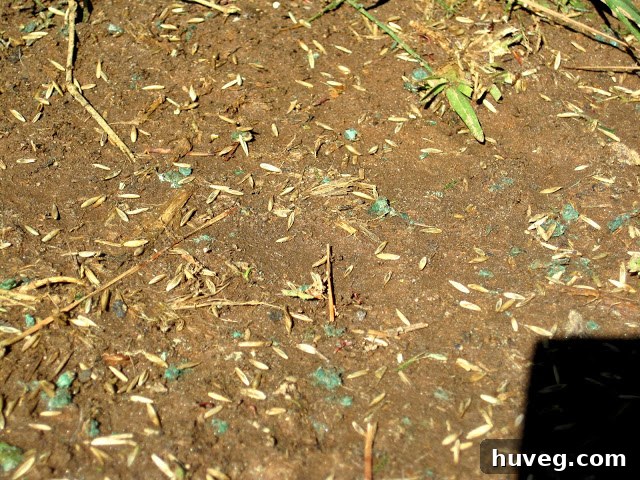
In addition to our broad seeding efforts, we strategically applied a specialized Tall Fescue seed blend combined with mulch and fertilizer to various particularly stubborn bare spots. This “seed-starter” combination is formulated to provide an optimal environment for germination and early growth. At this point in our lawn renovation, we are essentially employing a multi-faceted approach, experimenting with different methods to see what yields the best results. The mulch component helps retain moisture around the seeds and provides a protective layer against environmental factors, while the fertilizer delivers essential nutrients directly to the nascent seedlings, promoting stronger, faster establishment.
The mulch and fertilizer seed combo isn’t the most budget-friendly option, so my plan is to observe the initial results from our main seeding efforts. Once the larger areas begin to fill in, I’ll identify any remaining, truly persistent bare spots that require targeted intervention. At that stage, investing more in this premium combination will be most effective, both for the ultimate health and appearance of the lawn and for my wallet, as it will be used precisely where it can make the most impact on an already establishing turf.
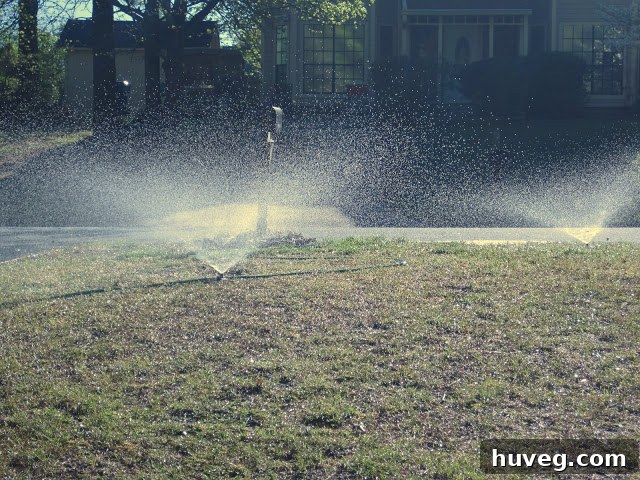
Next, with the seeds meticulously spread and nourished, we allowed the sprinkler system to work its magic. Consistent and appropriate watering is arguably the most critical factor in successful grass seed germination and establishment. New grass seeds require constant moisture, but not oversaturation, to thrive. Our watering schedule was carefully planned to ensure the top inch of soil remained consistently damp, promoting germination without washing away the precious seeds or encouraging fungal growth. This steady hydration regime is vital during the initial weeks, as the delicate seedlings begin to emerge and develop their root systems.
And now, the most challenging part of any gardening endeavor: the wait. Establishing a lush, new lawn requires patience and vigilance. During this critical post-seeding period, protecting the vulnerable seeds from external threats is paramount. Our loyal canine companion, Colby, has been enlisted as our planned defense strategy for the next couple of weeks, helping to deter any “investment-eating” birds that might be tempted by the scattered seeds. His presence acts as a natural scarecrow, providing an effective, albeit furry, layer of protection. Beyond bird deterrence, we are also mindful of minimizing foot traffic on the newly seeded areas to avoid disturbing the delicate soil and emerging sprouts.
The anticipation is palpable as we look forward to seeing the first signs of green growth transform our once-bare yard into a vibrant, welcoming landscape. I will be sure to provide updates soon as we begin to witness the exciting emergence of new grass, a testament to the hard work and careful planning that has gone into revitalizing our home’s exterior. This project is a reminder that a beautiful lawn is not just an aesthetic upgrade, but an investment in the overall appeal and enjoyment of your home, promising countless hours of outdoor bliss.