5 Smart Steps for Safe Solo DIY

Embarking on a home improvement journey can be immensely rewarding, but for many, these projects are tackled solo. Whether you’re a single individual passionate about transforming your living space, or simply find yourself alone for certain tasks even with a partner, the world of DIY offers unique challenges and incredible satisfaction. As someone who often finds herself navigating the realm of DIY home improvement projects independently, despite not being particularly tall or exceptionally strong, I’ve gathered a treasure trove of tips, tools, and strategies over the years. This comprehensive guide is designed to empower fellow solo DIYers, helping you complete projects safely, efficiently, and with confidence. Forget the need for a second pair of hands – with the right approach and equipment, you can achieve remarkable results on your own. Let’s delve into the essential practices and innovative solutions that will make your solo DIY adventures successful and enjoyable.
Prioritizing Personal Safety: Keep Your Eyes, Ears, and Digits Intact
When you’re tackling DIY projects alone, safety isn’t just a recommendation; it’s an absolute imperative. There’s something about the solitude of working with power tools, sharp blades, or hazardous materials that immediately heightens my awareness of potential dangers. Unlike a professional crew or a partnered project, there’s no one immediately beside you to spot a hazard, hand you a tool, or, most critically, call for help if an accident occurs. This heightened sense of responsibility means that safety should always be your number one priority. Imagine yourself on a ladder, operating a miter saw, or crawling into a tight space under a sink. Each scenario carries inherent risks that are amplified when you’re the only one on site. Losing an eye, damaging your hearing, or suffering a serious injury isn’t just painful; it can halt your project, impact your daily life, and leave you in a vulnerable position. I recall a terrifying incident from my childhood when my father, working alone on a rental property, fell from a roof. He shattered his wrist and had to walk to a neighbor’s house for help. While he eventually recovered after surgery and pins, he was incredibly lucky that his injuries weren’t worse. His experience underscores the critical importance of proactive safety measures.
To mitigate these risks, investing in proper personal protective equipment (PPE) is non-negotiable. Here’s what every solo DIYer should consider an essential part of their toolkit:
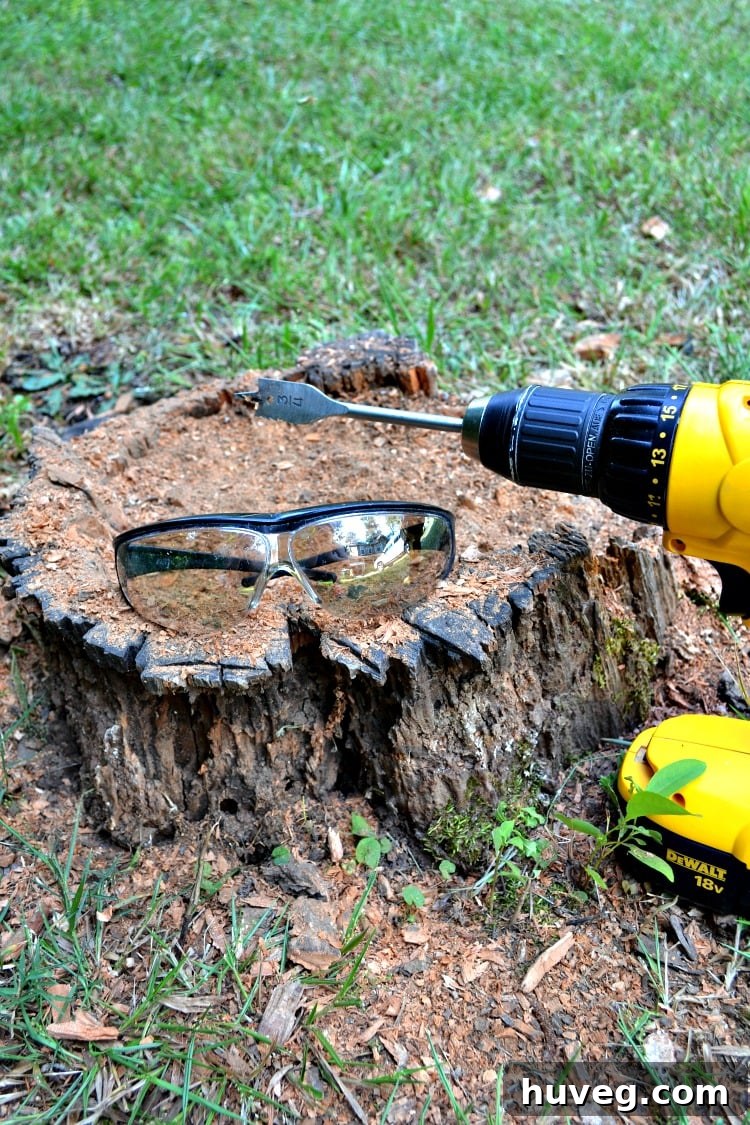
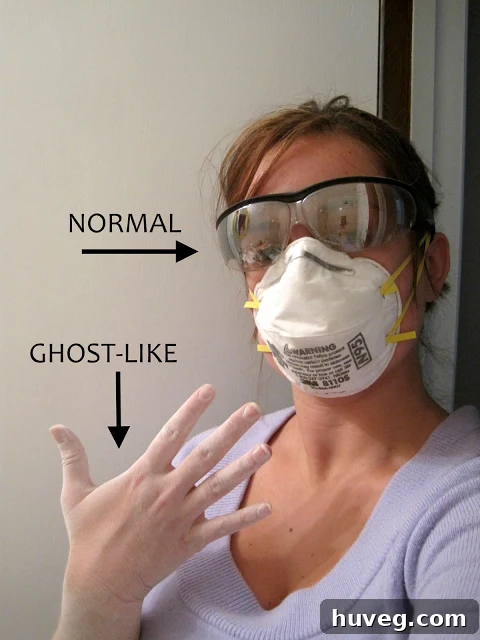
- Eye Protection: Dust, debris, chemical splashes, and flying fragments are common in DIY. A good pair of protective eyewear, whether safety glasses or goggles, is crucial. Keep multiple pairs accessible around your workspace, so you never have an excuse not to wear them. Look for glasses with side shields for comprehensive protection, or even over-the-glasses options if you wear prescription spectacles.
- Hearing Protection: Power tools like saws, drills, and sanders can produce decibel levels capable of causing permanent hearing damage over time. Earplugs are a compact and effective solution, but for extended use or particularly loud tools, comfortable earmuffs are excellent. I’ve heard great things about the TEKK Worktunes from 3M, which not only protect your ears but also allow you to listen to music, making long tasks more enjoyable without sacrificing safety.
- Respiratory Protection: Sawdust, paint fumes, insulation particles, and mold spores can all be detrimental to lung health. A heavy-duty respirator with appropriate filters is essential for protecting your airways. Simple dust masks are fine for light dust, but for paint, chemicals, or fine particles, a cartridge respirator is a must, especially if you have pre-existing respiratory conditions like asthma.
- Gloves: Protect your hands from splinters, cuts, abrasions, and chemicals. Different tasks require different gloves – heavy-duty work gloves for demolition, cut-resistant gloves for handling sharp materials, and chemical-resistant gloves for painting or cleaning.
- Footwear: Always wear sturdy, closed-toe shoes, preferably with steel toes, when working on DIY projects. Dropping a heavy tool or stepping on a nail can cause serious injury if your feet aren’t adequately protected.
- First Aid Kit: Accidents, even minor ones, happen. Keep a fully stocked first aid kit readily accessible, especially when working alone. Knowing you can quickly treat a small cut or scrape provides peace of mind.
- Communication Device: Always keep a charged cell phone within reach. If you suffer an injury, being able to call for help quickly is critical. Inform a neighbor or family member about your project schedule if you’re undertaking particularly risky tasks.
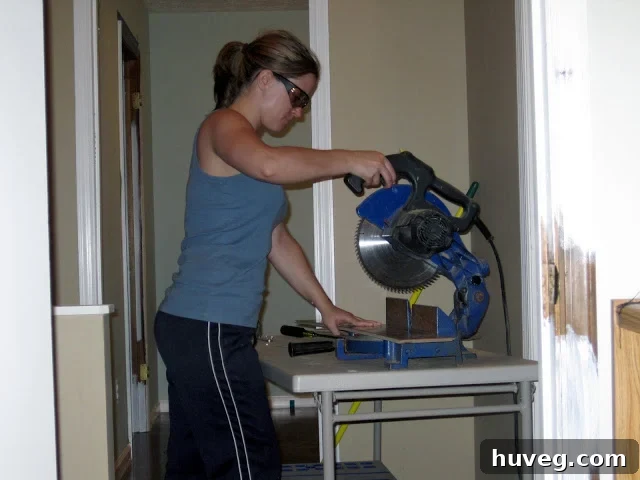
Beyond PPE, selecting tools with integrated safety features is a smart move. My old compound miter saw was quite basic, demanding constant vigilance. My new saw, however, includes several enhancements like a blade shield that only retracts when the blade is engaged, significantly reducing the risk of accidental contact. Look for tools that are safety rated by organizations like UL or CSA. While not always the sole purchasing factor, knowing a tool meets rigorous safety standards provides an added layer of confidence, encouraging you to undertake more projects knowing you’re well-protected.
Investing in Quality: Buy What the Pros Use (Smartly)
The solo DIYer often faces a common dilemma: balancing budget constraints with the desire for high-performance tools. It’s tempting to opt for the cheapest option, but when you’re working without an extra set of hands, tool quality can make a profound difference. While a top-tier brand like Makita might seem like an extravagance, the higher price often translates into superior durability, precision, and ergonomic design – all critical factors when you’re the only one doing the heavy lifting and intricate work. Professionals invest in quality tools not just because they last longer, but because they enable efficient, reliable, and precise work, even when operating independently. A pro can often rehab an entire bathroom by themselves over a weekend, not solely due to skill, but significantly because they have the right, most efficient tools at their disposal.
When you’re alone, tool reliability is paramount. You don’t want a tool to fail in the middle of a critical task, especially if it’s holding something heavy or precise in place. Quality tools offer consistent performance, reducing frustration and the likelihood of errors that can cost time and money. Furthermore, well-designed tools often have better ergonomics, reducing strain and fatigue over long periods – a huge advantage when you have no one to relieve you. Before making a significant purchase, extensive research is key. Online reviews, particularly on platforms like Amazon, are invaluable for gathering real-world feedback on tool performance, reliability, and ease of use. Beyond general consumer reviews, seek out opinions from professional contractors or experienced DIYers on dedicated forums and YouTube channels. They often highlight nuances and practical applications that can inform your decision, helping you find tools that truly empower your solo efforts without breaking the bank.
Harnessing Basic Physics: It’s Elementary, My Dear
Remember those elementary school science lessons about simple machines? Levers, fulcrums, pulleys, and inclined planes aren’t just academic concepts; they are your best friends in solo DIY. Understanding and applying these principles can dramatically increase your strength and leverage, allowing you to tackle tasks that would otherwise require multiple people. For example, a pry bar or crowbar acts as a powerful lever, multiplying your force when you need to lift something heavy, separate stubborn materials, or adjust an item’s position, like aligning a door for hinge installation. Similarly, using a loading plank transforms a steep step or obstacle into an inclined plane, making it much easier to roll heavy objects like lawnmowers or appliances without straining your back.
Even your body can be a simple machine. When moving a wide, awkward object that’s too much for one arm, carrying it across your back or shoulder can balance the weight and engage your stronger leg and core muscles, transforming your body into a more efficient moving apparatus. For items that are heavy but not easily lifted, strategically placed dowels or pipes under them can create rollers, effectively turning them into a simple machine that reduces friction and allows you to push them across a floor. Don’t underestimate the power of basic physics; a little ingenuity can save you immense physical effort and prevent injuries. Always take a moment to assess the task and consider how you can apply these fundamental principles to work smarter, not harder.
| image from here |
Ingenious Aids: Temporary and One-Handed Helpers
One of the biggest frustrations for solo DIYers is the constant need for an extra hand to hold, stabilize, or align something. Thankfully, a variety of simple tools and creative techniques can effectively mimic that missing assistance:
- Finishing Nails as Temporary Holders: When hanging artwork, shelves, or even a piece of trim, keeping things level and perfectly positioned can be a two-person job. Instead, lightly tack a small finishing nail into the wall where an edge needs support. This provides a temporary ledge or anchor point, allowing you to step back, adjust with a level, and then secure the item properly. Yes, you’ll have a small hole to patch later, but it’s a minor inconvenience compared to dropping an item or misaligning it.
- Leveraging Your Body and Proper Mechanics: For heavy or awkward objects, sometimes your own body is the best “tool.” When lifting heavy items, always bend your knees and lift with your legs, keeping your back straight. For bulky, cumbersome items, try the “turtle method”: crouch down, lift the object onto your back, and slowly move it using your leg strength. This technique distributes weight evenly and protects your back. Similarly, for moving heavy furniture across a room, using furniture sliders or placing the object on a moving blanket can greatly reduce friction, allowing one person to reposition it with surprising ease.
- Adjustable Supports: When holding items at a specific height, such as a sink basin during installation or a ceiling panel, adjustable supports are indispensable. These can range from simple T-posts and drywall lifts to more versatile options like adjustable height stools or tables. I’m considering getting two adjustable height stools for my kitchen bar area, not just for aesthetics, but for their potential utility in providing that crucial extra lift or support during projects.
- Folding Sawhorses: These are a solo DIYer’s dream. Portable, stable, and foldable for easy storage, sawhorses provide an instant workbench, cutting station, or support for long materials. They are invaluable for tasks like cutting lumber, assembling furniture, or even propping up doors for painting. Their versatility makes them a foundational helper in almost any project.
- Clamps of All Kinds: Arguably the most essential “extra hand” a solo DIYer can have is a good set of clamps. Bar clamps, C-clamps, spring clamps, and specialized edge clamps are invaluable for holding pieces together for gluing, drilling, or fastening. When choosing clamps, invest in quality. Cheap clamps often slip or don’t provide sufficient pressure, leading to frustration and potential project failure. I prefer these adjustable clamps because their reliability saves my aching hands and ensures secure holds.
- Weights: Sometimes, instead of holding things together, you need to hold something down. Weights come in handy for tasks like preventing tarps from blowing away, holding down carpet while cutting, or keeping wood pieces flat while glue dries. You don’t need fancy weights; a stack of old books, a full paint can, a bucket of sand, or even heavy rocks can serve the purpose perfectly, as long as they provide sufficient downward force and won’t roll away.
- Panel Carriers: For shorter individuals or anyone struggling with large, flat materials, a panel carrier is a game-changer. These simple tools allow you to carry sheets of drywall, plywood, or large doors by yourself, distributing the weight and providing a much-needed extended “arm span” that makes transport significantly easier and safer.
- Swift Driver: Inspired by a demo from The Lettered Cottage, a swift driver offers an ergonomic advantage for repetitive screwing, reducing hand fatigue and making installation quicker and more comfortable when working alone.
Expanding Your Reach: Tools to Extend Yourself
Physical limitations, whether due to height, arm span, or mobility, can be a real hindrance when working alone. Fortunately, many tools are specifically designed to extend your reach and capabilities, turning otherwise challenging tasks into manageable ones:
- Versatile Ladders: A good ladder is a cornerstone of solo DIY. I rely on my Extend-a-Step ladder, which is perfect for my stature due to its adjustable height and compact storage footprint. Multi-position ladders offer unparalleled versatility, transforming from a stepladder to an extension ladder or even scaffolding. Always prioritize ladder safety: ensure it’s on a stable, level surface, never overreach, and follow all manufacturer instructions for setup and retraction. Be especially cautious with retractable ladders, as rungs can snap shut forcefully, posing a finger-pinching hazard.
- Extension Poles for More Than Painting: Most DIYers are familiar with extension poles for paint rollers, but these versatile tools can do so much more. There are even extending tools for paint brushes, perfect for cutting in corners or reaching awkward angles without constantly climbing up and down. Beyond painting, extension poles can be used with various attachments for dusting high ceilings, washing windows, or even reaching for dropped tools in inaccessible spots.
- Painter’s Bench/Work Platform: For tasks that require working at a consistent, slightly elevated height and involve horizontal movement, a painter’s bench or small work platform is superior to a traditional stepladder. It offers a wider, more stable standing surface, allowing you to move left and right without repositioning, which is ideal for stripping wallpaper, patching ceilings, or installing curtain rods. Many solo DIYers have found this to be a surprisingly indispensable item.
Cultivating Resilience: The Power of Willpower and Community
Beyond tools and techniques, the most powerful asset a solo DIYer possesses is sheer willpower. Like Captain Planet’s often-underestimated “Heart” element, a little something extra is needed to make everything come together. This “heart” manifests as a deep passion for DIY, unwavering stubbornness, or simply endless patience. There is no substitute for sheer willpower when you’re working alone, facing unexpected challenges, and needing to push through frustration. Not every project goes smoothly; setbacks are inevitable. It takes immense resilience to fail, analyze what went wrong, scream a little, search the internet for solutions, have a refreshing beverage, and then try again. I’ve certainly had moments where I’ve found paint in my hair weeks after a project, only to turn that embarrassment into a blog tagline – a testament to embracing the journey.
Working alone doesn’t mean you’re entirely isolated. The DIY community, both online and local, is an incredible resource for encouragement, advice, and shared experiences. Even when I’m physically alone, sealing grout on an unfinished bathroom floor by myself, I know I’m part of a larger network of individuals facing similar triumphs and tribulations. This sense of connection provides an invaluable boost of motivation. Cultivating a mindset of perseverance, celebrating small victories, and knowing when to take a break are all crucial elements of maintaining your enthusiasm for solo DIY. The pride and accomplishment that come from transforming your home with your own two hands are unparalleled, making every challenge a worthwhile part of the journey. Embrace the process, learn from every mistake, and let your passion for DIY drive you to create spaces you truly love, all on your own terms.