Walk Your Way to Exterior Inspiration

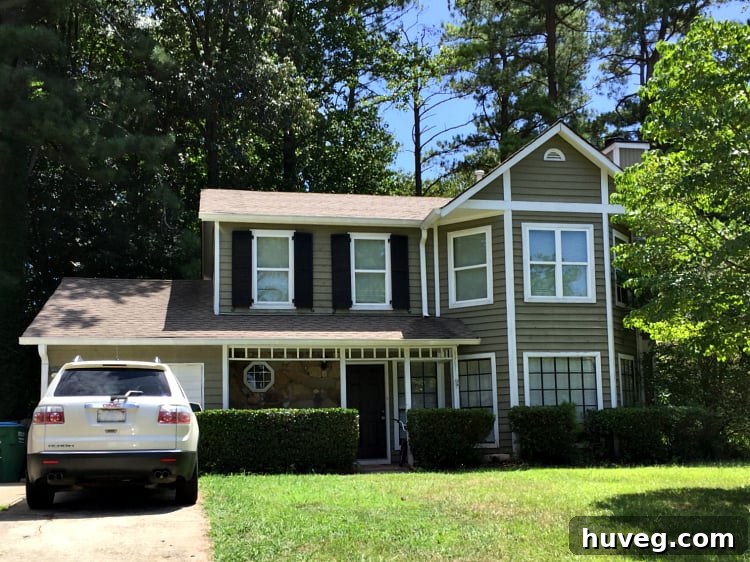
Transforming the exterior of a home often feels like an endless endeavor, a project perpetually lingering on the to-do list. Unlike interior design, where immediate gratification from a freshly painted wall or a new piece of furniture is almost instant, exterior work can be a long, arduous journey. Perhaps it’s the sheer scale, the unpredictable weather, or the less tangible reward that makes us procrastinate. This sentiment is remarkably common among homeowners embarking on renovation projects. The exterior, however, is your home’s first impression, a silent greeter to guests and passersby, and a significant contributor to its overall curb appeal and market value. It sets the tone for the entire property, reflecting the care and attention poured into it. Despite its importance, many find themselves struggling to gain momentum, unsure where to start or how to achieve a cohesive, appealing look.
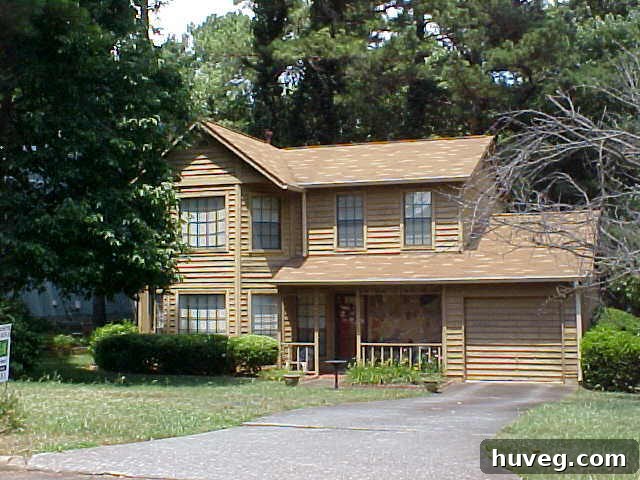
Yet, progress, no matter how incremental, is always being made. Bit by bit, the vision starts to materialize. This often involves tackling fundamental issues such as repairing or updating exterior siding, which can dramatically alter a home’s appearance and protection. Beyond structural integrity, attention shifts to aesthetic and functional elements like landscaping. Deciding what to do with overgrown garden beds or strategically concealing unsightly air conditioning units can vastly improve a property’s visual harmony. And of course, the ongoing battle against nature’s nuisances, such as ensuring pests like squirrels don’t undermine all the hard work, remains a constant consideration. These small, deliberate steps, though seemingly minor on their own, collectively contribute to a significant transformation, proving that even the most daunting exterior projects can be conquered through consistent effort.
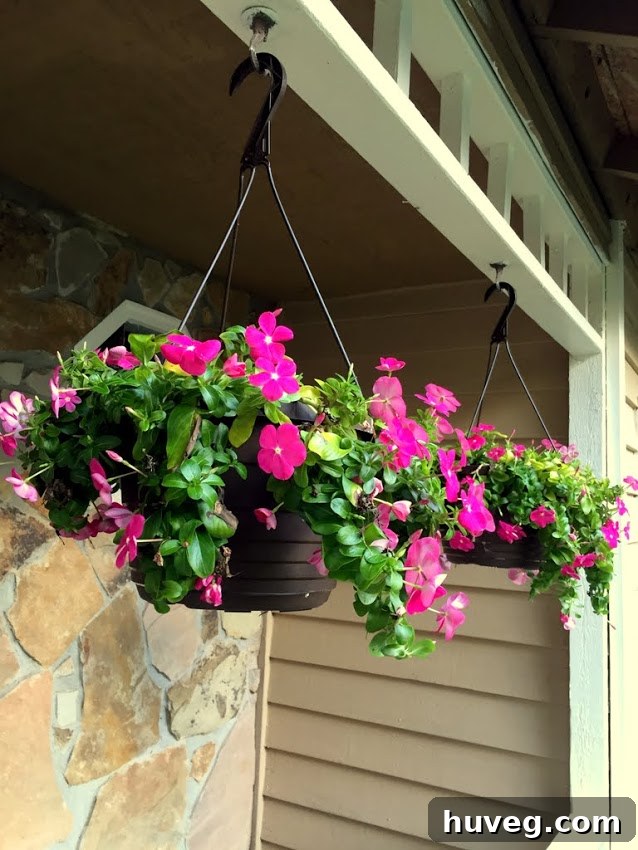
Beyond the Screen: How Neighborhood Strolls Fuel Exterior Design Inspiration
In a world saturated with digital mood boards and curated Pinterest feeds, sometimes the most authentic and practical inspiration lies just outside your front door. For many homeowners grappling with exterior design dilemmas, a simple stroll through the neighborhood becomes an invaluable ritual. It’s an opportunity to observe, learn, and gather ideas from real-life applications. Imagine it as creating a real-life mood board, where you can see colors, textures, and landscaping choices interacting with natural light, local climate, and architectural styles identical or similar to your own. In subdivisions where developers often reuse a handful of floor plans, finding a few homes with your exact layout is surprisingly easy, making the comparison even more relevant and actionable. This direct observation provides a context and realism that no online platform can fully replicate, making it an indispensable step in any exterior renovation journey.
For the sake of privacy and respect for homeowners, any identifiable features such as license plates or house numbers have been carefully blurred out in all accompanying photographs.
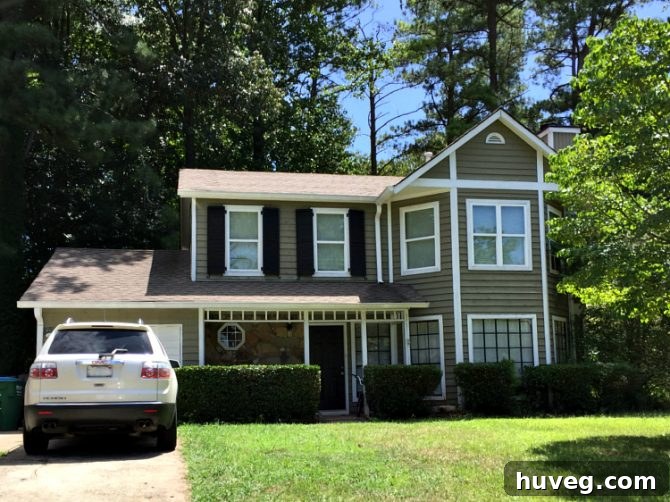
Why Your Neighborhood Stroll is More Than Just a Walk in the Park
While digital platforms like Pinterest and Houzz offer a universe of stunning home exteriors, they often present idealized, sometimes unattainable, visions. This is where the local environment truly shines as a source of practical inspiration. A neighborhood stroll offers concrete, contextualized examples that directly apply to your specific situation, bridging the gap between aspirational ideas and achievable projects.
1. Setting Realistic Goals and Budgeting Smartly
One of the primary benefits of observing nearby homes is the ability to set truly realistic goals for your own property. Many neighborhoods are a mosaic of homes in various stages of renovation—some well-loved and meticulously updated, others reflecting a journey similar to your own when you first moved in. By focusing on houses that share your architectural style, window placements, or overall footprint, you gain an invaluable perspective. For instance, seeing a house identical to yours with crisp white trim that makes the entire facade pop immediately provides a tangible visual. This comparison makes it far easier to visualize how changes would look on your own home, unlike trying to adapt ideas from a sprawling McMansion found online that bears no resemblance to your property.
Furthermore, this real-world comparison acts as a crucial budgeting tool. It helps you assess whether certain upgrades might be overkill for your specific home or neighborhood. Investing heavily in high-tech improvements that won’t necessarily appeal to future buyers, for example, might become evident as an unnecessary expense when you see well-maintained, simpler homes maintaining strong curb appeal. Observing similar homes helps you make informed decisions about where to allocate your renovation budget for maximum impact and return on investment, ensuring your upgrades are both beautiful and financially sensible.
2. Discovering Harmonious Color Scheme Ideas
Exterior color palettes are incredibly challenging to select, largely because fixed elements like your roof color play a dominant role. If your roof has a distinct reddish hue, for example, a cool gray color scheme might clash rather than complement. Observing how neighbors with similar roof tones have successfully integrated their exterior paint, trim, and door colors can provide instant guidance. A refreshed trim color, even on a traditional house body, can make the entire structure appear more modern and well-maintained. While some color schemes might not suit your specific roof or stone accents, seeing them in person can still inspire modifications or introduce new possibilities you hadn’t considered. It’s about adapting what works for your context, making choices that feel intentional and cohesive.
3. Learning What to Love and What to Leave: Aesthetic Preferences and Practicalities
The neighborhood provides a living laboratory for discovering your true aesthetic preferences, as well as practical insights into what thrives locally. For instance, you might realize you’re not fond of rigidly manicured, boxy hedges that give a home a “flat-top haircut” look. While easy to maintain, this style might not align with your vision for a softer, more natural landscape. Conversely, you might fall in love with the classic charm and architectural balance that well-chosen shutters add to a home, an element you previously hadn’t considered. This exploration allows you to refine your personal style, understanding what truly resonates with you and what you’d prefer to avoid.
Beyond aesthetics, a practical benefit emerges in plant selection. Struggling to identify plants that will flourish in your specific yard conditions can be frustrating and costly. Witnessing mature plants thriving in a neighbor’s yard—especially those with similar sun exposure and soil—is an invaluable shortcut. This observation saves you the time, money, and disappointment of experimenting with plants that are destined to fail, guiding you towards resilient and beautiful landscaping choices perfectly suited for your local environment.
Another house down the street might have more trees, presenting unique challenges for curb appeal. Their solution might be to draw attention to the house itself with a striking exterior decor piece, perhaps placed in an unexpected spot. Such an innovative placement can spark entirely new ideas for your own home. While a particular decor item, like a large metal star on a facade, might not be your personal preference for the main entrance, it could inspire you to consider similar decorative elements for a less prominent area, like a stone accent on your porch, adding a unique touch that is both personal and visually appealing.

4. Fueling Your Motivation and Embracing Incremental Progress
The journey of exterior home improvement is rarely a sprint; it’s more often a marathon of “baby steps.” The sheer volume of tasks—from fixing a loose board to maintaining the garden, weeding, or tackling bigger renovations—can feel overwhelming. It’s easy to lose momentum when the list of things to do seems to grow faster than you can check them off. This is precisely where the neighborhood stroll offers a profound psychological boost. Seeing homes nearby that are clearly cared for, that have undergone their own transformations, serves as a powerful reminder that progress is possible and that your vision is achievable. It reinforces the idea that consistent, incremental effort truly pays off.
When you feel stuck, or as if you’re making no headway, a quick walk to observe the tangible results of someone else’s dedication can rekindle your motivation. It’s a testament to the fact that others have navigated similar challenges and emerged with beautiful results. This external validation, seeing that it “is doable,” encourages you to keep pushing forward, one small project at a time. It reminds you that every repair, every plant planted, and every brushstroke contributes to the overall beauty and value of your home.
Translating Inspiration into Action: Next Steps for Your Exterior Project
After gathering a wealth of inspiration from your neighborhood explorations, the next crucial phase is to translate those observations into actionable plans for your own home. This involves more than just admiring; it’s about analyzing what elements truly enhance a home’s facade and how they might integrate with your specific property. Consider creating a detailed checklist during your strolls: what colors catch your eye, which landscaping designs seem to thrive in similar conditions, what types of exterior lighting offer both functionality and aesthetic appeal, or how decorative elements like mailboxes and house numbers contribute to the overall charm. Take photos (respecting privacy), make notes, and even sketch out ideas. This systematic approach ensures that your inspiration transforms into concrete steps.
Once you have a clear vision, decide whether you’ll tackle projects yourself or enlist professional help. Many smaller tasks, like refreshing trim paint or updating porch decor, are excellent DIY projects. Larger endeavors, such as extensive siding replacement or intricate landscaping design, might benefit from the expertise of contractors or landscape architects. The goal is to develop a phased approach, breaking down the grand vision into manageable projects. This strategy prevents burnout and ensures that each step contributes meaningfully to your home’s exterior transformation, ultimately boosting its curb appeal and your enjoyment of your living space.
This week, I’m back in action, tackling a few new things and bringing others to completion. I’m especially excited to share some upcoming pictures of the newly oiled kitchen bar, which has turned out exactly as I envisioned—a testament to seeing a project through to its satisfying finish! What are your goals and aspirations for your home this week, particularly for those often-neglected exterior spaces?