New Office: The Three-Quarter Wall Aesthetic

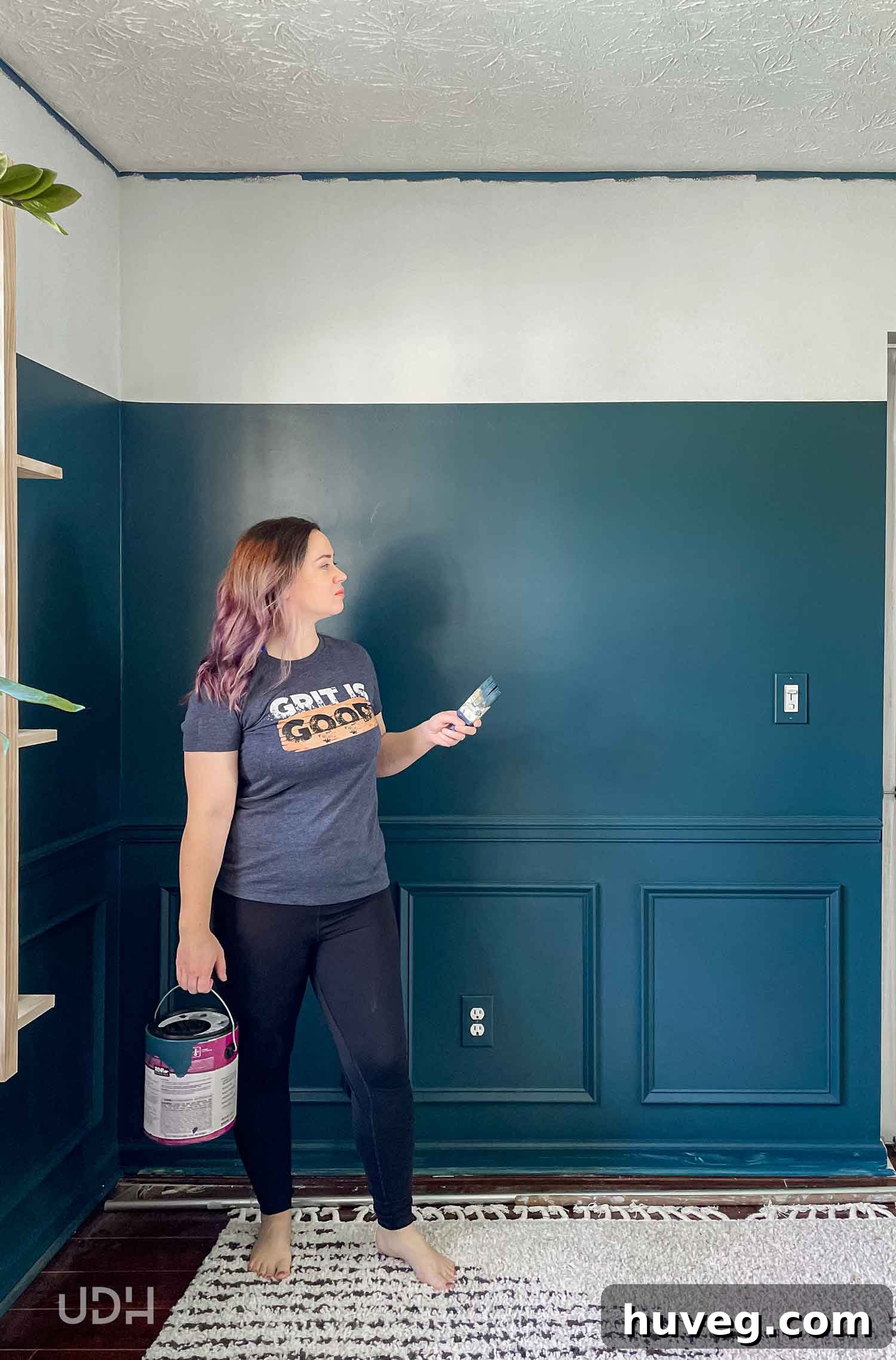
Hello friends, and a warm welcome to my newly transformed creative space – my *new home office*! This reveal has been a long time coming, filled with plenty of DIY adventures, unexpected turns, and a whole lot of paint. While you might spot a few wires and a bit of organizational chaos, consider this a sneak peek at the grand transformation. The full tour and detailed styling are still in the works, but I simply couldn’t wait to share the journey of how this room went from underutilized to utterly inspiring.
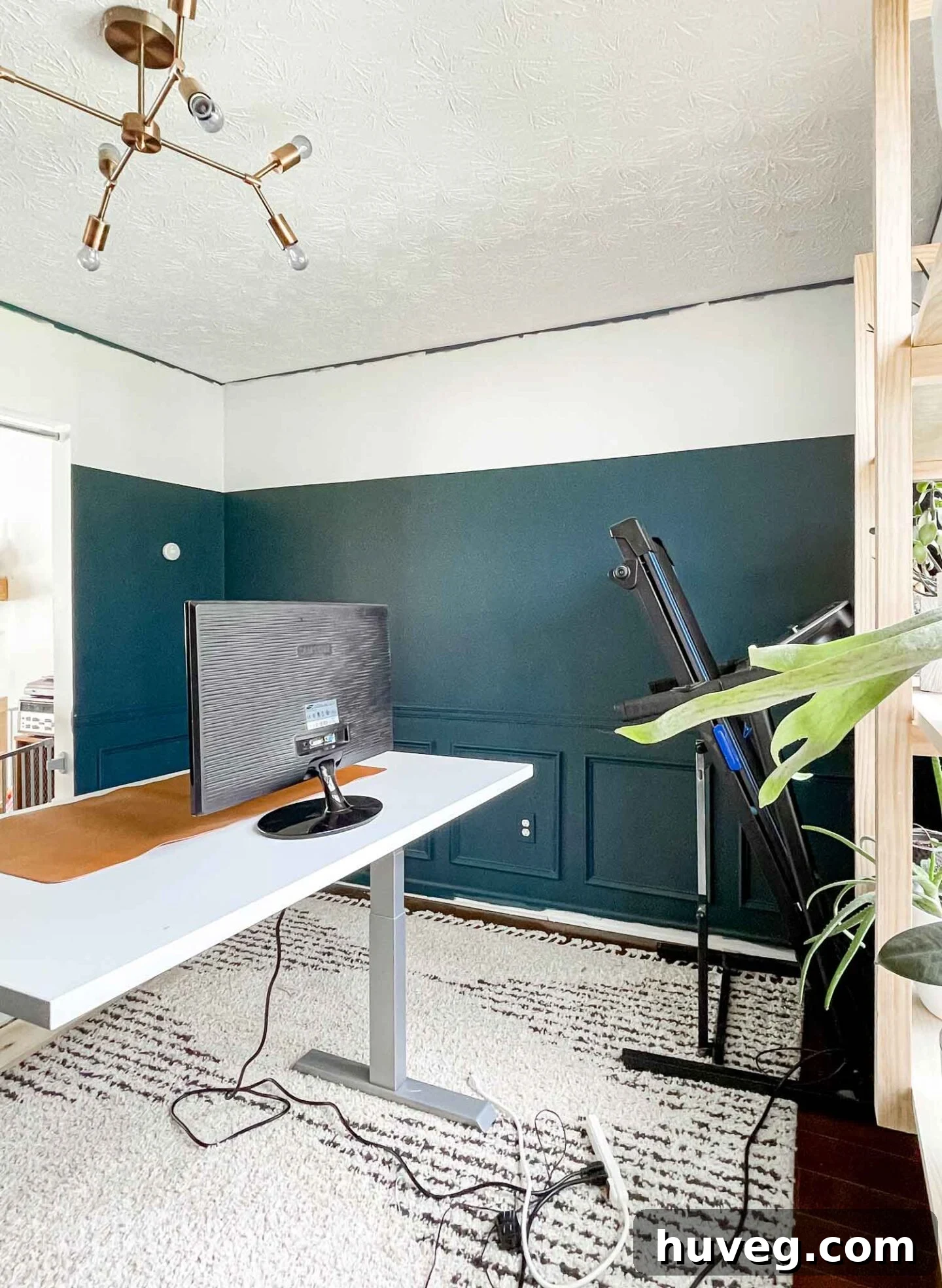
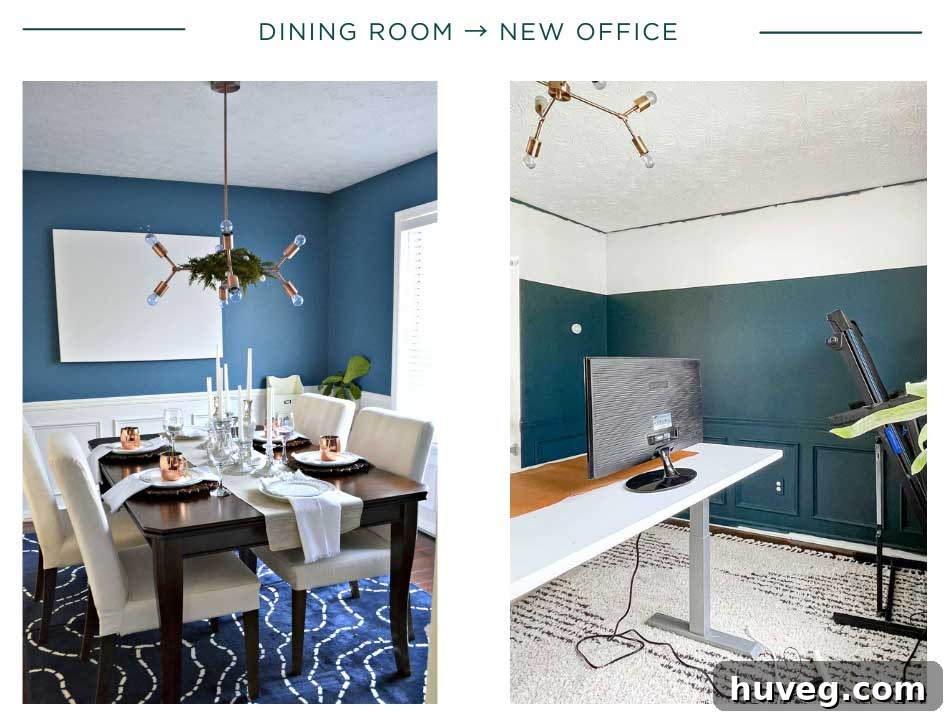
For those of you who have followed my blog for a while, this room might look familiar. For the longest time, it served as our formal dining room. While beautiful, it was undeniably the least-used space in our home. Life, as it often does, had other plans for our living arrangements, sparking a chain of events that led to this exciting office conversion.
The catalyst for this entire shuffle began when I made the big decision to move my old upstairs office. My previous workspace needed to be repurposed to become Ellis’s nursery. And, I must say, it’s a small miracle how much cleaner it stays now, even with a lively toddler happily occupying it! This shift meant I needed a new, dedicated creative sanctuary, and fast.
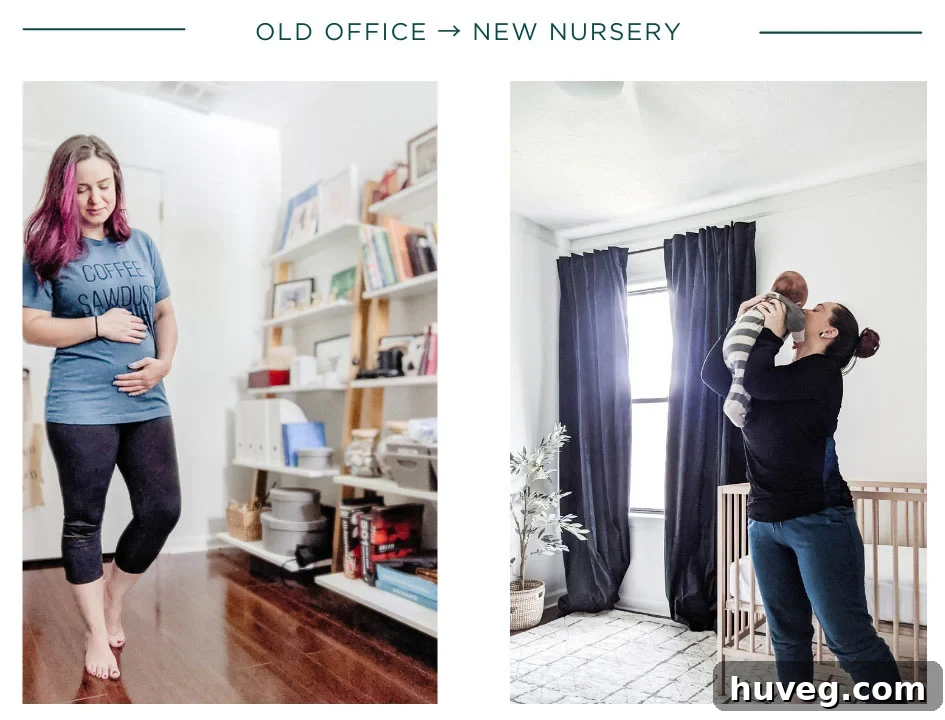
With my old office becoming a nursery, I surveyed the remaining rooms in our small house, searching for the perfect spot for my new workspace. The answer became clear: the dining room. We hardly used it before Ellis arrived, and with a baby in the house, formal dining was definitely not happening. It was a space that had received a lot of love and effort over the years – from the painstaking process of removing old wallpaper and repairing the walls, to adding elegant picture frame molding, and finding one of the few rugs in the house I hadn’t grown tired of. It deserved to be more than just an occasional showpiece; it deserved to be truly useful. Thus, the transformation into a dynamic home office felt like a perfectly natural fit, if not my only practical option left!
Even though I had moved most of my office essentials into this room some time ago, other pressing DIY projects kept taking precedence. Major undertakings like revamping the fireplace mantel, painting the house exterior, and, of course, completing the nursery, all jumped higher on the priority list. What finally propelled this office makeover to the top of my “must-do-now” list was an exciting visit from a fellow DIY enthusiast and friend: Anika from Anika’s DIY Life!

For the past few years, I’ve really wanted to expand my collaborations, but global circumstances made traveling a challenge. So, when Anika and I were chatting about her upcoming visit to Atlanta for this year’s WorkbenchCon, I seized the opportunity. I convinced her to come a few days early so we could film a brand-new build together for my YouTube channel. This particular build will be unveiled in a separate post (and trust me, you won’t want to miss it!), but the impending filming deadline also meant it was the absolute perfect time to get a fresh, inspiring coat of paint on these walls.
My vision for the office was a dynamic color block look, a concept I’d been saving on my phone for ages, inspired by a stunning design from Leanne Ford. While her original portfolio piece seems to have moved, you can see a similar aesthetic here – ironically, another dining room design! I couldn’t find the exact color she used, but I discovered a perfect match for the mood I wanted to create: Sherwin-Williams Newburg Green. This rich, deep hue resonated deeply with my desire for a sophisticated yet lively workspace.
Unlike my previous two-tone paint experiments where I typically painted the bottom half of the wall and trim white, with a contrasting color on top (the old color was Olympic Smoke Blue for those wondering), this time I wanted something different. I opted for a more unique and modern 3/4 color block aesthetic. This design creates a visual interest that feels both contemporary and timeless, making the room feel taller and more expansive. If you’re inspired to try this trending paint technique, whether it’s a 3/4 wall, half-painted walls, or any other two-tone look, here’s a step-by-step guide to achieving crisp, professional results.
Essential Tools You Will Need for Color Block Walls:
- High-quality painter’s tape (invest in good tape for sharp lines!)
- A reliable spirit level or, for ultimate precision, a laser level
- Pencil for marking
- Measuring tape for accurate placement
- Two complementary or contrasting colors of paint
- Quality paint brush (this brush is one of my favorites for cutting in)
- Paint roller (this roller cover is fantastic for a super-smooth finish, especially on trim)
- Cleaning supplies: sugar soap or a mild degreaser
- Optional: sanding sponge or fine-grit sandpaper for prep
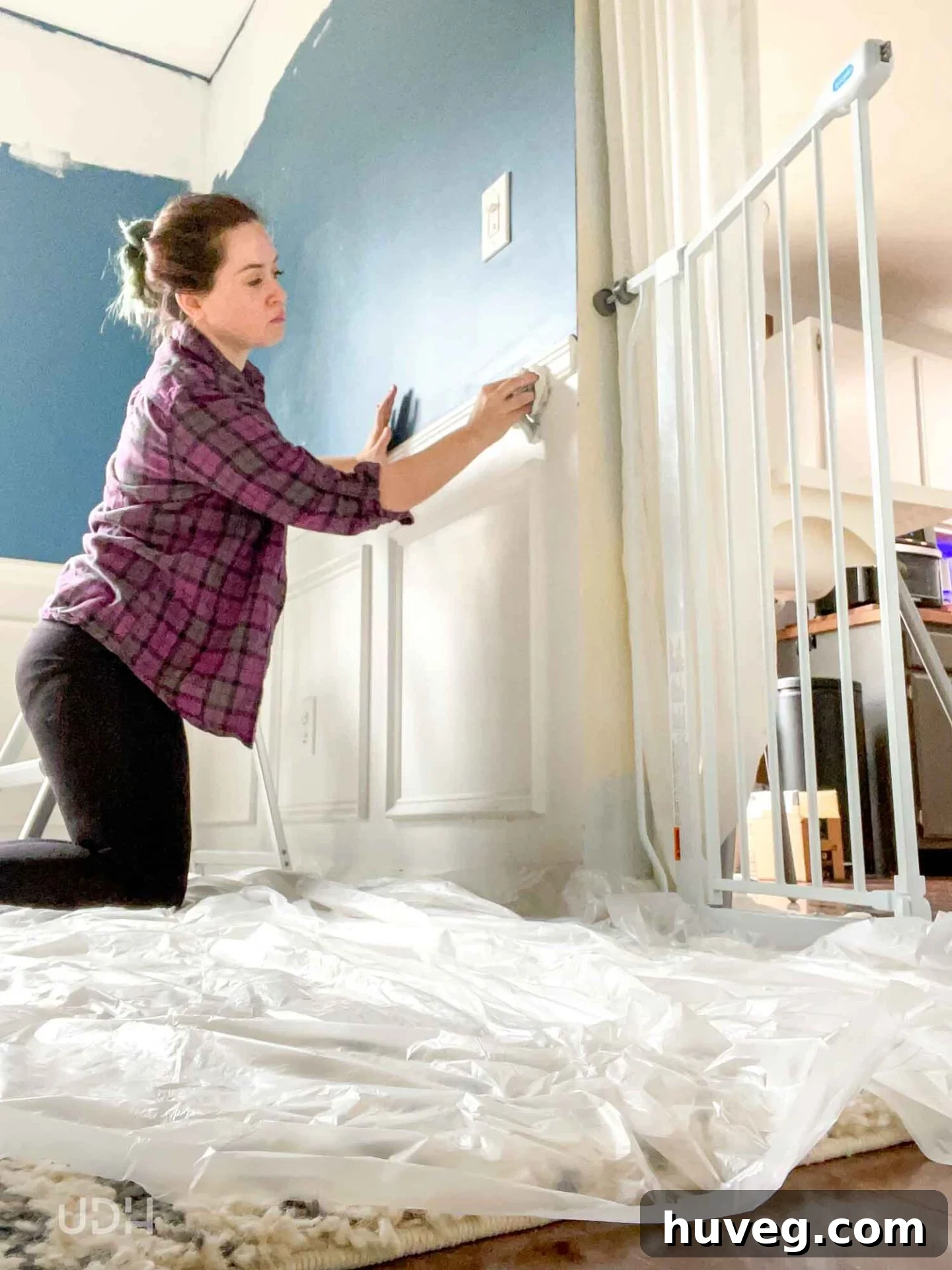
Before you even think about opening a paint can, here’s a crucial reminder that often gets overlooked: proper wall preparation is key to a flawless and long-lasting paint job! Make sure you thoroughly scrub your walls to remove any dirt, grime, or grease. If your walls currently have a high-gloss finish, you’ll definitely want to use a deglosser or lightly scuff the surface with a sanding sponge. This creates a slightly rougher texture, allowing the new paint to adhere much better and prevent peeling down the line. Don’t skip this step – it truly makes all the difference!
How to Create a Stunning 3/4 Painted Wall (The Same Method Works for a Half-Painted Wall)
Achieving a perfectly crisp line for your color block wall is simpler than you might think. Follow these steps for a professional-looking result every time. Remember, the same technique applies whether you’re aiming for a 3/4 painted wall or a classic half-painted look; just adjust your measurements!
Transform your room with a stylish 3/4 or half-painted color block wall using this easy-to-follow guide.
-
Step 1: Paint the Top Section of the Wall
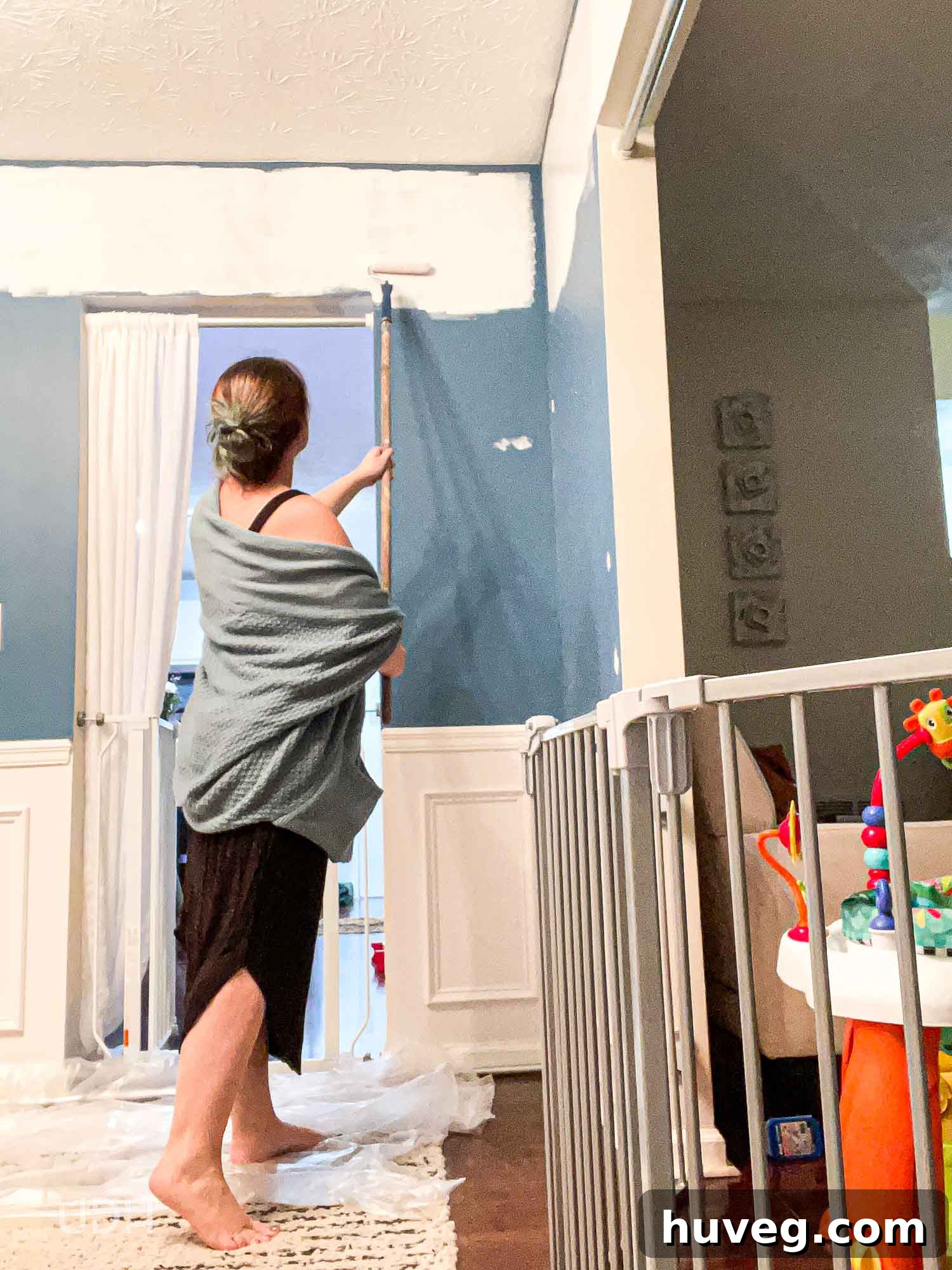
First, decide on the height for your color block. For an 8-foot wall, painting the top 2 feet (or 24 inches) a different color from the bottom creates an appealing 3/4 effect. I started by painting the top section of all four walls with white paint. I used a custom color match, which, to be honest, wasn’t a perfect match to my liking, but I went with it because I was eager to get the project moving! Given that I was painting over a darker, existing color, applying two coats was essential to ensure full, even coverage and a vibrant base for the subsequent color. This initial painting doesn’t need to be perfectly neat at the bottom edge, as it will be covered in a later step.

Applying the first coat of paint to the upper section of the wall, setting the stage for the color block. -
Step 2: Precisely Apply Painter’s Tape Along the Dividing Line
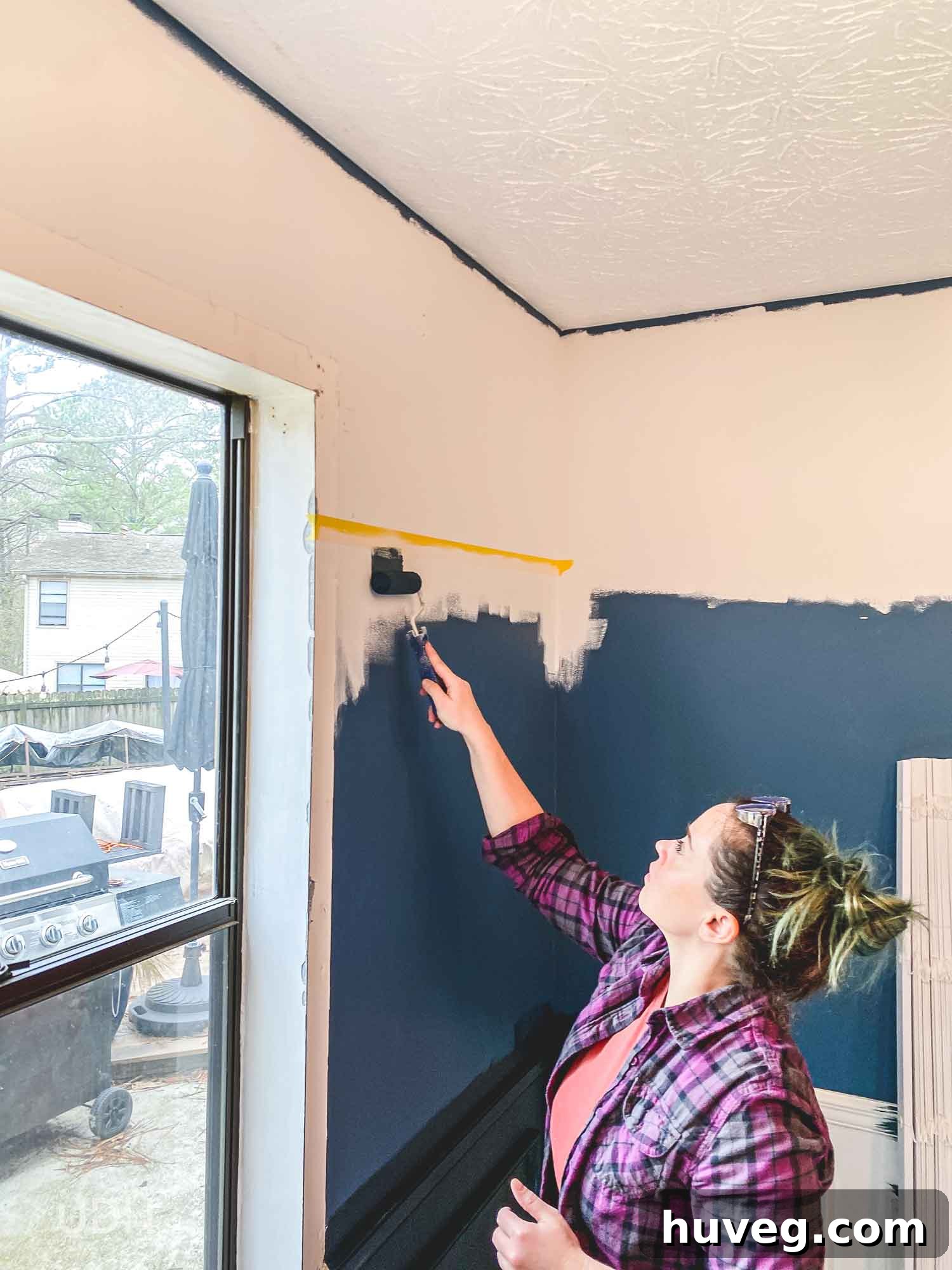
Once your top-section paint is completely dry (allow at least 24 hours), it’s time for precision. Measure down from the ceiling and make a small pencil mark every few feet to indicate your desired dividing line. For example, if you chose 24 inches for the top section, you’d mark 24 inches down from the ceiling. Now, carefully place your painter’s tape directly *above* these pencil marks, ensuring the edge of the tape forms your intended clean line where the new paint will begin. A laser level can make this step significantly faster and more accurate, but a traditional spirit level works perfectly fine to check your pencil marks and ensure your line remains perfectly straight. A quick confession: I initially eyeballed my measurements and realized after two coats that I had painted (on average) 22 inches down, not the intended 24! But I decided to embrace it; only you (and now everyone reading this, ha!) will ever know the true measurement. A crucial tip here: use painter’s tape specifically designed for delicate surfaces. This type of tape is engineered to prevent pulling off fresh paint, but always ensure the underlying paint is fully dry before application.
-
Step 3: Seal the Tape, Then Paint the Second Color
This step is the secret to those coveted crisp paint lines! Many people skip it, but trust me, it’s a game-changer. Once your painter’s tape is firmly in place, take the paint color you used for the *top section* (in my case, white) and paint a thin coat directly *over* the edge of the tape where it meets the wall. This effectively seals the tape, preventing any of the new, bottom-section paint from bleeding underneath. After this sealing coat dries completely, you can then confidently apply your second color (Sherwin-Williams Newburg Green for me!) to the bottom section of the wall, painting right up to and slightly over the sealed tape line. For the absolute best results, gently peel the painter’s tape off at a slight angle *while the bottom paint is still wet*. This minimizes the chance of the paint curing and bonding to the tape, which can lead to tearing. Be slow and gentle as you peel. You’ll be left with a perfectly crisp, professional-looking paint line that will make your color block walls truly shine!
The crucial step of sealing the painter’s tape before applying the second color, ensuring perfectly sharp lines.
To further enhance the sophisticated and immersive feel of this new home office, I made a deliberate design choice: I continued the rich, dark Newburg Green paint color along the baseboards and even the shoe molding. This continuous sweep of color from wall to trim creates an incredible sense of depth and luxury, an aesthetic that I find undeniably chic. It’s even more beautiful than I had envisioned! To maintain a seamless look, I also painted all the outlet and switch covers to perfectly match the deep hue, allowing them to blend effortlessly into the walls rather than standing out. The overall effect is simply stunning, and I absolutely LOVE it.
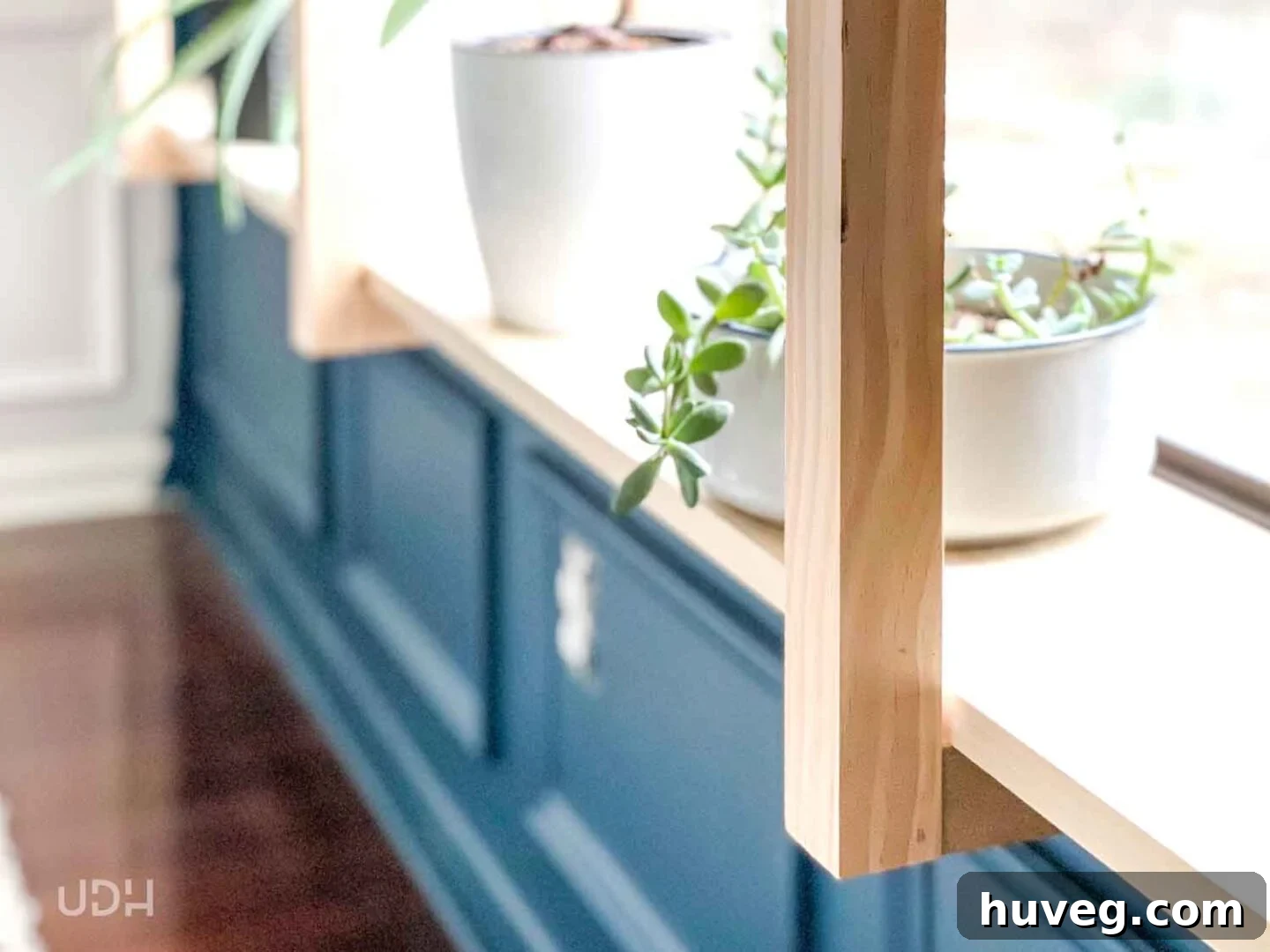
So there you have it – a recently refreshed room, now serving as a highly functional and inspiring home office. This space is not only ready for productivity but also for its next big enhancement: new crown molding. K, my ever-observant partner, insists this is my very next step, primarily because I purposefully left the very top edges of the walls a little sloppy, anticipating that the crown molding would elegantly cover them. He knows it will drive him absolutely crazy if I leave them as is! I’m also actively considering adding one or two accent colors to the room’s scheme. Perhaps a soft blush to complement the green, or a bold black for a dramatic contrast? The possibilities are exciting. Stay tuned as well for an upcoming window project that promises to bring even more character to this evolving space. Here’s a little sneak peek to whet your appetite:
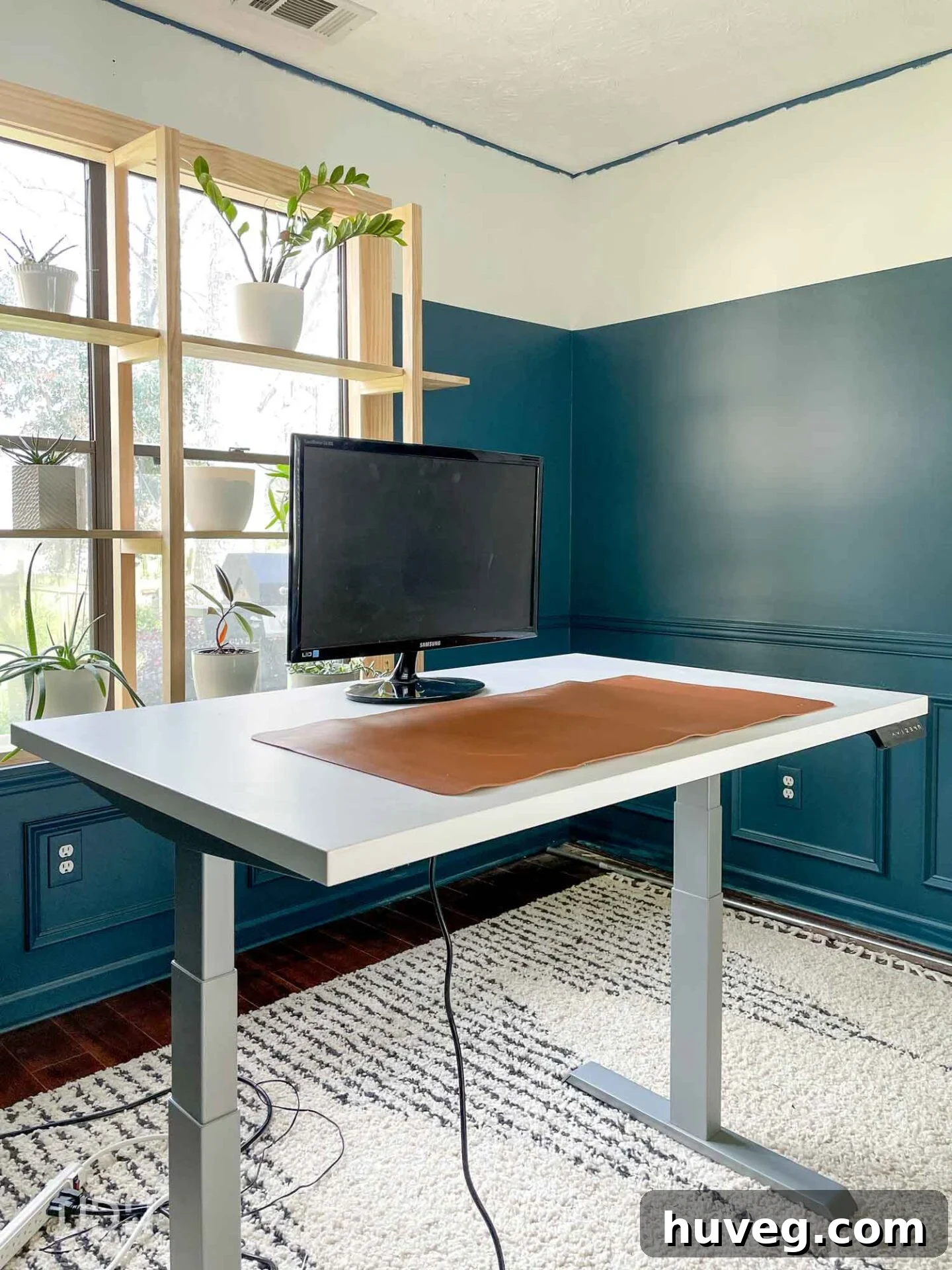
This journey from an unused dining room to a vibrant, personalized home office has been incredibly rewarding. It’s a testament to how creative problem-solving and a splash of paint can completely revitalize a space, making it both beautiful and highly functional. I hope this detailed guide to color block walls inspires you to tackle your own home transformation projects. Remember, every great DIY starts with an idea and a willingness to try!
Want more paint ideas and DIY insights? Here’s what to read next:
- Scotch Blue painter’s tape vs. Frogtape: A Head-to-Head Comparison for the Best Lines
- 10 of My Favorite Tips and Tricks for Painting Like a Pro
- How to Achieve Perfectly Straight Paint Lines Without Tape (The Cutting-In Method)