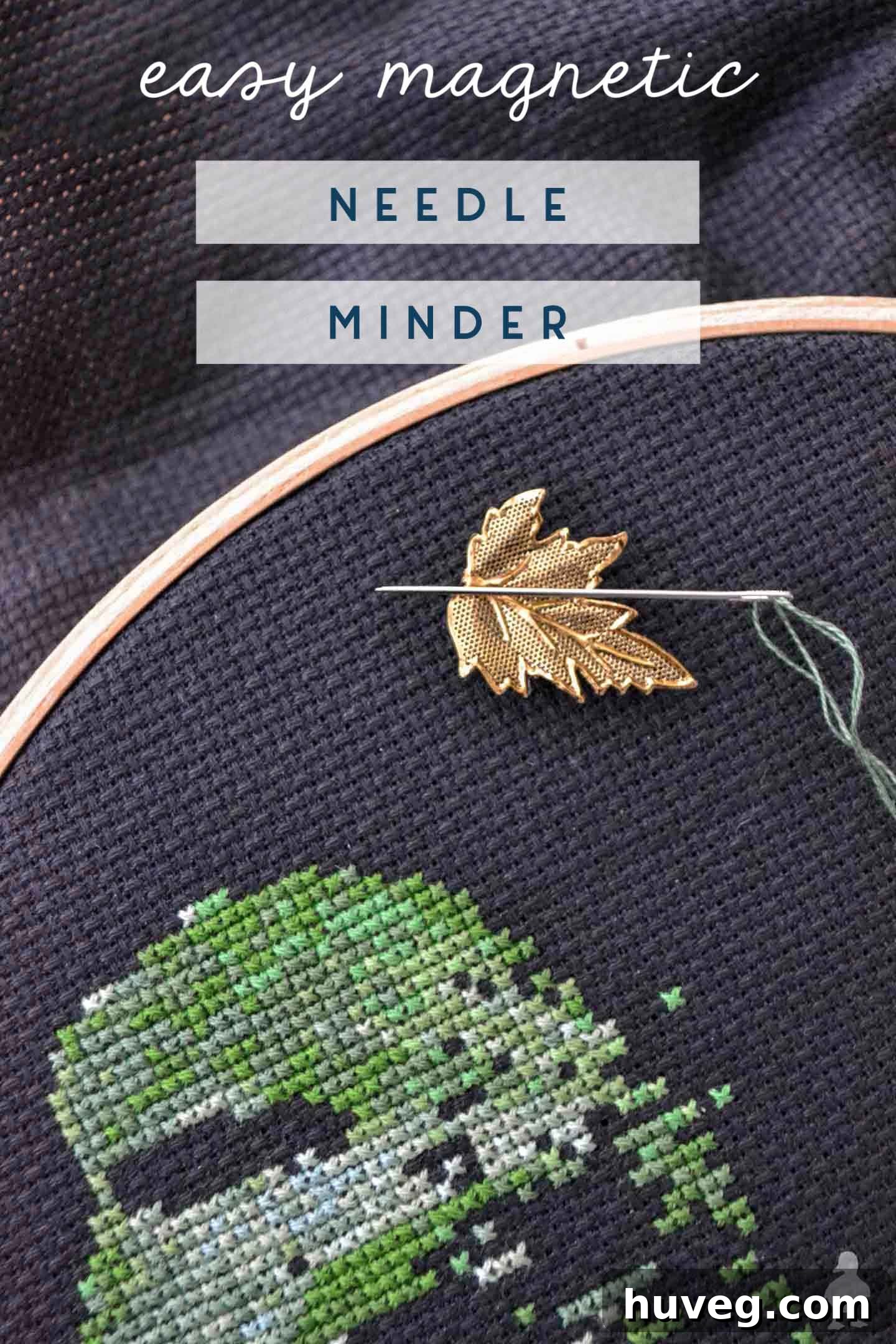
Craft Your Own Magnetic Needle Minder

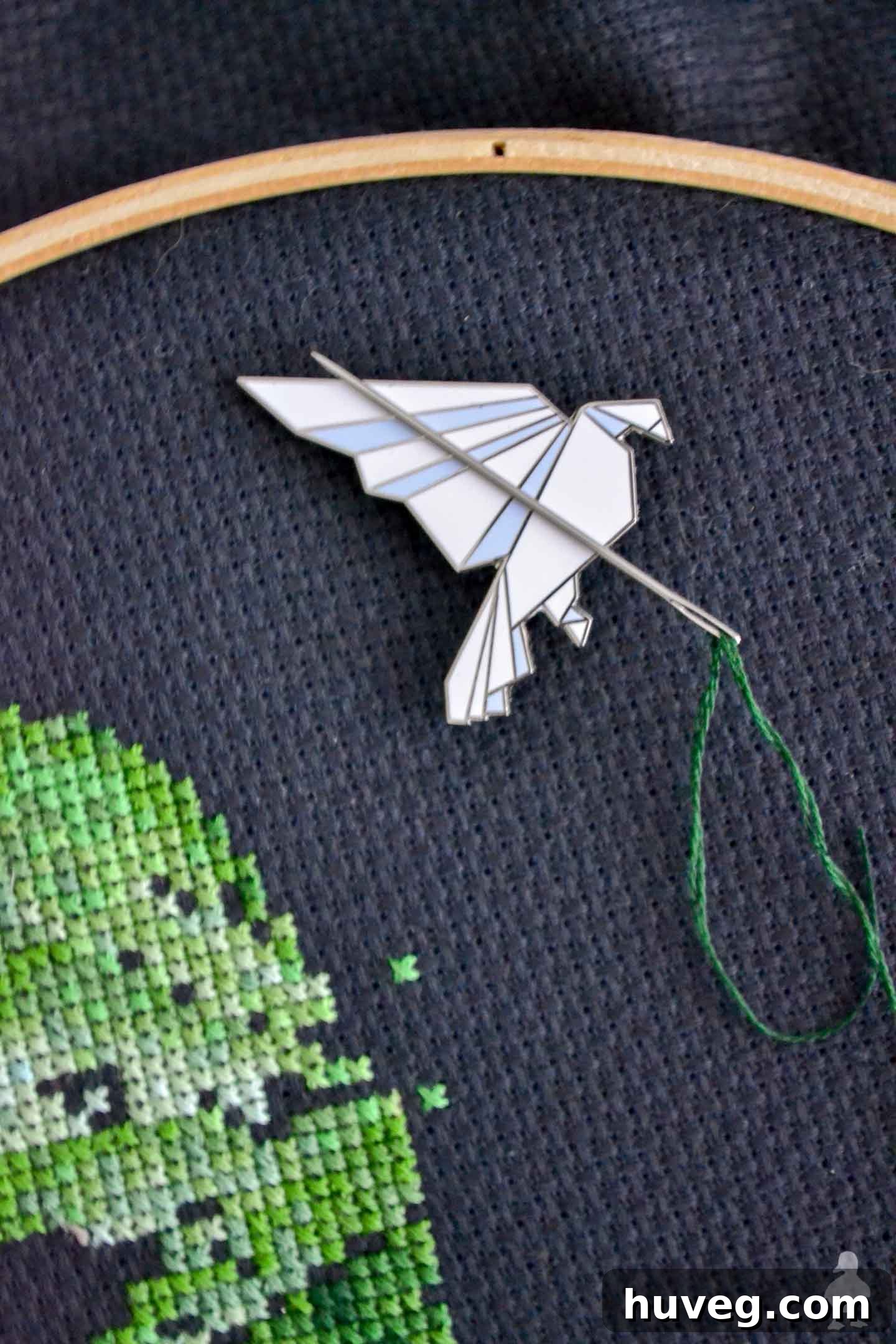
Welcome, fellow crafters! If you’ve ever found yourself frantically searching for a runaway needle, or perhaps cringing as you accidentally stick it into the arm of your sofa, then you know the unique frustration a tiny, sharp object can cause. Fortunately, there’s a brilliant, simple solution: the magnetic needle minder. This essential accessory is a true game-changer for anyone who enjoys cross stitch, embroidery, or any other needlecraft. And the best part? Making your own is incredibly easy, requiring just a few basic supplies. Once you have one, you’ll wonder how you ever stitched without it, and those lost-needle moments will become a distant memory.
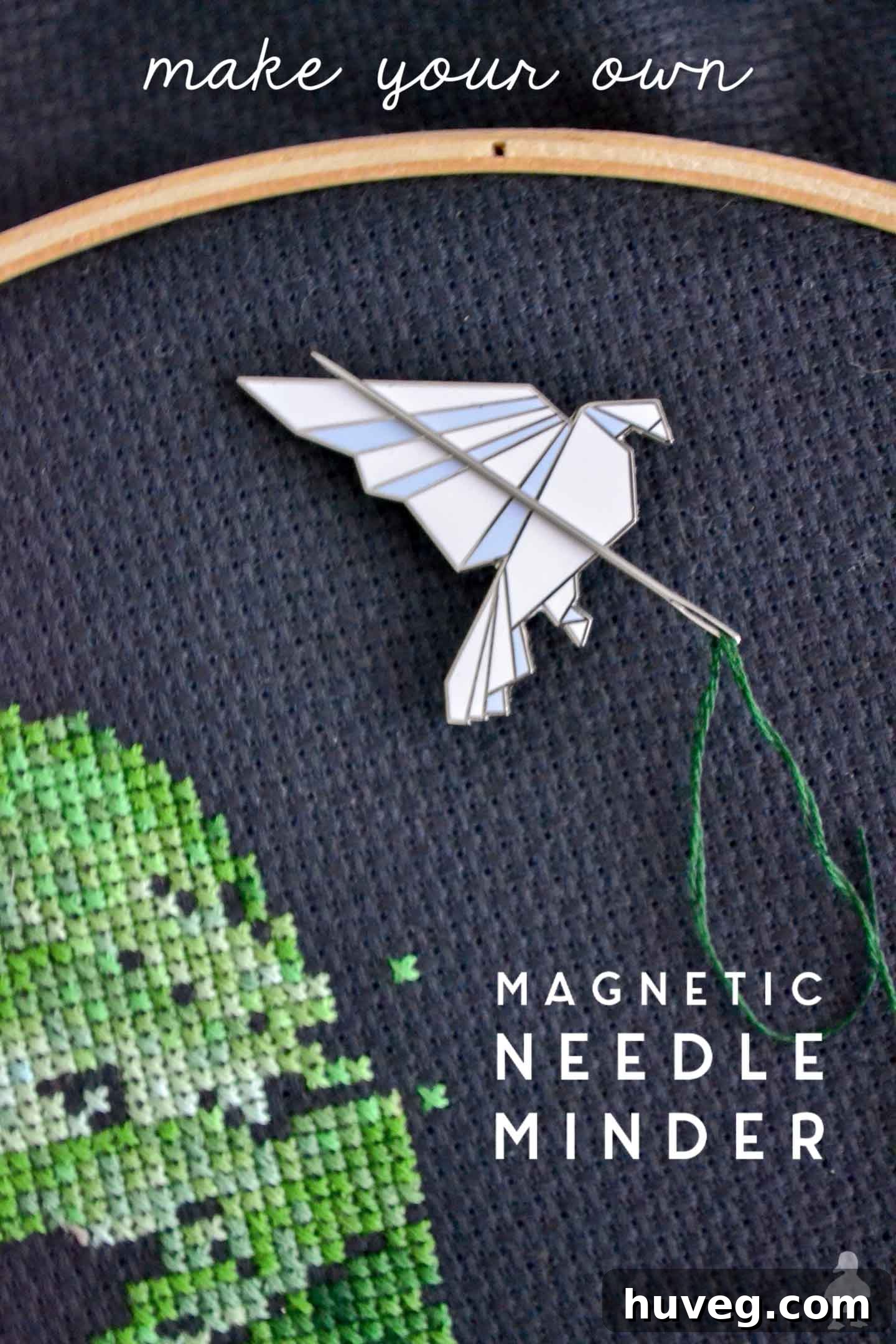
What Exactly is a Needle Minder, and How Does It Solve My Needle-Losing Woes?
For those new to the world of needlecraft accessories, a magnetic needle minder (sometimes charmingly called a “needle nanny” or “needle knack”) is a small, decorative item equipped with magnets. Its primary purpose is to provide a safe, convenient, and consistent resting spot for your needle when you’re not actively stitching. Instead of placing your needle precariously on your fabric, sticking it into a pincushion that might be out of reach, or worse, leaving it somewhere it could get lost or cause harm, you simply tap it onto your needle minder. The powerful magnet instantly secures it, keeping your needle exactly where you left it.
This simple invention eliminates the constant frustration of hunting for a misplaced needle, especially when you’re deeply engrossed in a project or need to take a quick break. It ensures your needle is always visible, accessible, and most importantly, safe from pets, children, or accidentally embedding itself into your furniture. It’s an indispensable tool for maintaining a tidy and stress-free crafting experience, allowing you to focus purely on the joy of creating.
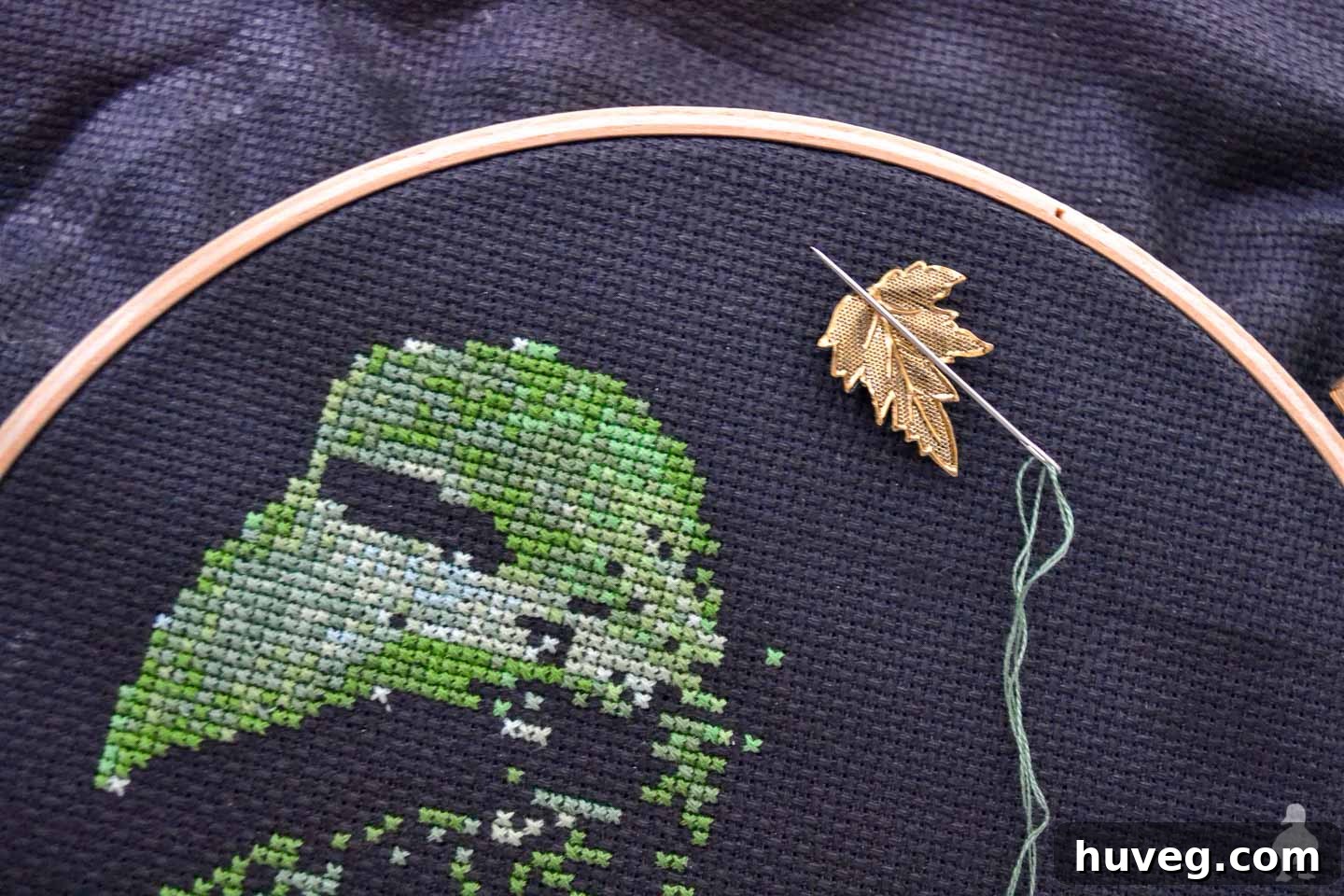
I know the struggle firsthand. After nearly losing my cross stitch needle in the depths of my couch yet again, a familiar sense of panic set in. It was a clear sign that a change was needed. I confess, I have a bad habit of absentmindedly sticking my needle into a sofa cushion when I’m stitching, which is not only poor practice but also a potential hazard for curious pets and anyone else sharing the living space. That’s when I decided to rummage through my craft supplies to tackle this problem head-on with an easy DIY project. This small undertaking resulted in an instant and profound improvement to my crafting habits, bringing immense peace of mind. No more worrying about accidental pokes or lost needles when I settle down to work on a new pattern – the needle minder keeps everything secure and organized.
DIY Magnetic Needle Minder: Your Ultimate Needle Management Solution
Creating your own magnetic needle minder is a rewarding project that allows you to personalize your crafting tools while solving a common problem. It’s an opportunity to infuse your personality into your craft space and ensure your needles are always where they should be.
Essential Supplies List for Your Custom Needle Minder
The beauty of this DIY project lies in its simplicity and the minimal number of materials required. Here’s what you’ll need:
- A Small, Decorative Object: This will be the front piece of your needle minder. Look for something relatively thin, lightweight, and with a flat or near-flat back that can be easily glued to a magnet. The possibilities are truly endless, limited only by your imagination! Common choices include jewelry charms, flat-backed cabochons, decorative buttons (either loose or fabric-wrapped), small enameled pins, pieces of laser-cut wood, or even personalized shrink plastic creations. The key is to choose something that speaks to your style and adds a touch of joy to your crafting setup.
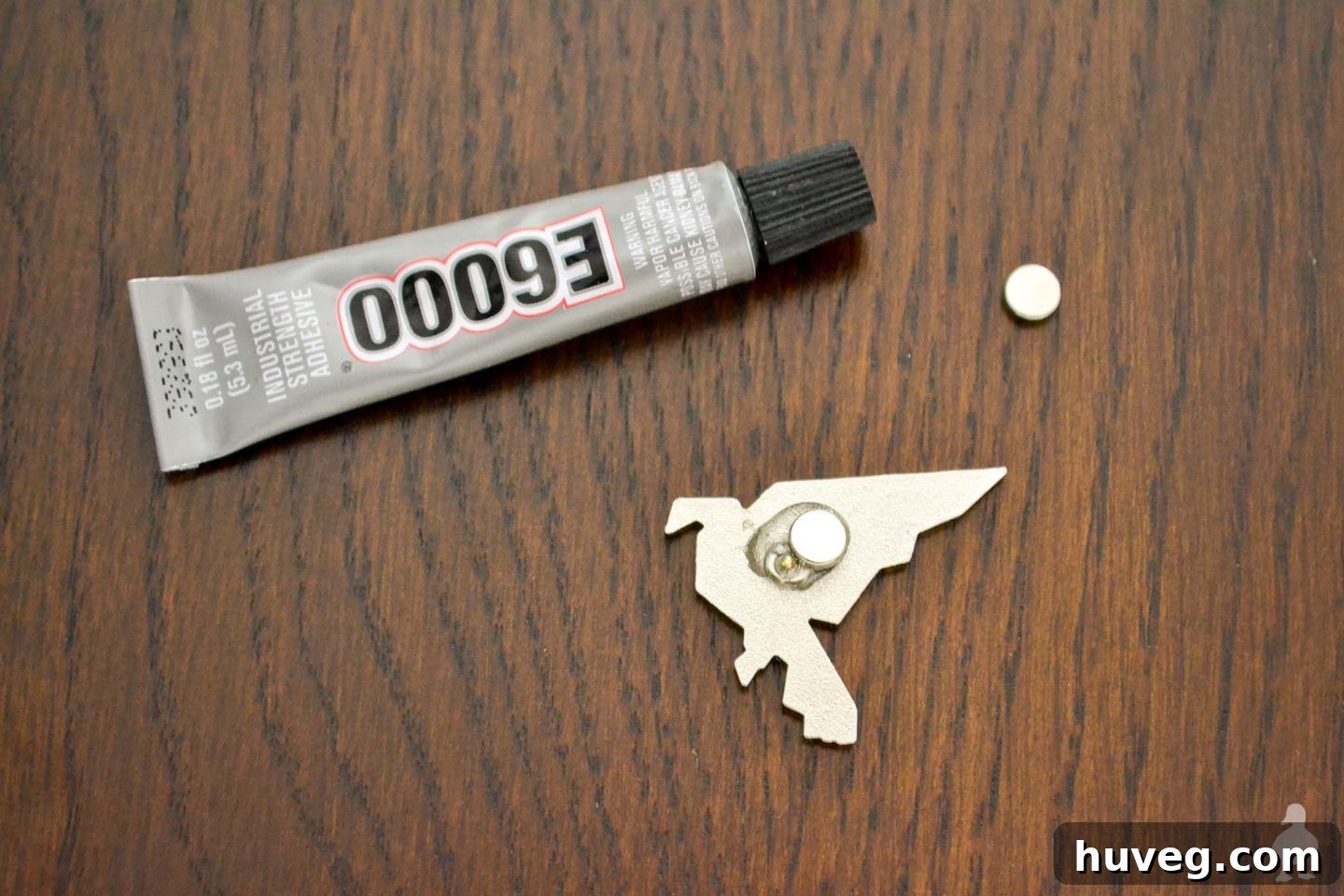
- 2 Strong Magnets (Neodymium Recommended): You will need two magnets for each needle minder you create. While ceramic magnets can work, I highly recommend using neodymium magnets. They are incredibly powerful for their small size, which is a significant advantage. Their compact nature ensures your needle minder won’t be bulky or obstruct your view while stitching. More importantly, neodymium magnets are less likely to leave marks or residue on your precious fabric compared to some ceramic varieties, a crucial detail for any serious crafter. Their superior strength guarantees your needle will stay securely attached, even with minimal surface contact.
- Heavy-Duty Adhesive: A strong, reliable glue is paramount for a durable needle minder. I swear by E6000 glue, which is considered a gold standard among crafters for its industrial strength and flexibility. It creates a robust bond that withstands regular use. When working with E6000 or similar heavy-duty glues, always ensure you have proper ventilation to disperse fumes. Other strong adhesives suitable for various materials, such as super glue (cyanoacrylate) or a strong epoxy, can also be considered, but always test them on a scrap piece if unsure of their strength and compatibility.
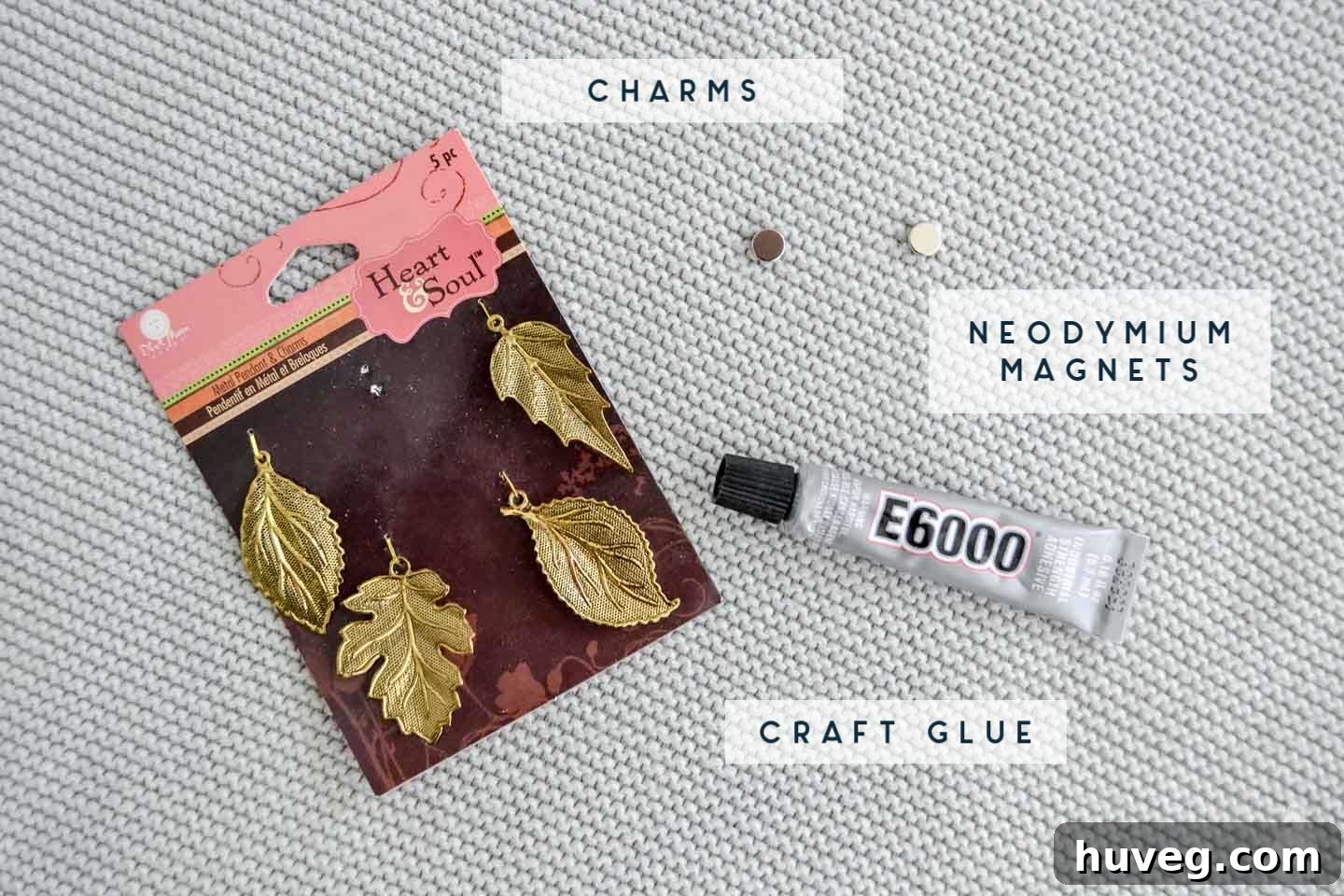
The beauty of making your own needle minder lies in the endless creative possibilities. Crafters often explore a wide array of items for the decorative front piece, from repurposed buttons and fabric-covered buttons to unique creations made from shrink plastic, laser-cut wood, or even small resin pieces. Personally, I find the jewelry aisle to be a treasure trove for charming options like metal charms and vibrant enameled pins. They offer a great balance of aesthetics and practicality.
When selecting magnets, my preference remains firmly with the petite neodymium magnets. They are typically just as powerful, if not more so, than larger ceramic magnets but are significantly smaller, contributing to a more refined and less intrusive final product. It’s also worth noting an important update: some crafters have reported that ceramic magnets can leave a slight mark on delicate fabrics over time. This makes the non-staining quality and discreet size of neodymium magnets an even more compelling choice for preserving the integrity of your stitching projects.
How to Craft Your Own Needle Minder from a Jewelry Charm
Jewelry charms are fantastic starting points for needle minders due to their diverse designs and often flat backs. Follow these simple steps to transform a charm into a functional crafting tool:
1. Prepare Your Charm: Select a jewelry charm that features a flat or nearly flat back. Many charms come with an eye hook at the top for attaching to chains. If your chosen charm has one, you’ll need to remove it to create a smooth surface for the magnet. Often, these eye hooks are made from inexpensive metal and can be twisted off with sturdy jewelry pliers or even by hand if the metal is soft enough. Aim to remove it as cleanly as possible. If the back of your charm isn’t perfectly flat and you want to achieve a smoother profile, gently hammering it with a rubber mallet on a protected surface can help flatten it slightly without damaging the design. Always use a soft cloth or towel to cushion the charm.
2. Attach the Magnet: Apply a small but sufficient amount of heavy-duty glue (like E6000) to the center of the flat back of your prepared charm. Carefully place one of your neodymium magnets onto the glue, ensuring it’s centered and pressed firmly. Allow the glue to cure completely according to the manufacturer’s instructions. This usually takes 24-72 hours, but it’s crucial for a strong, lasting bond.
How to Transform an Enameled Pin into a Needle Minder
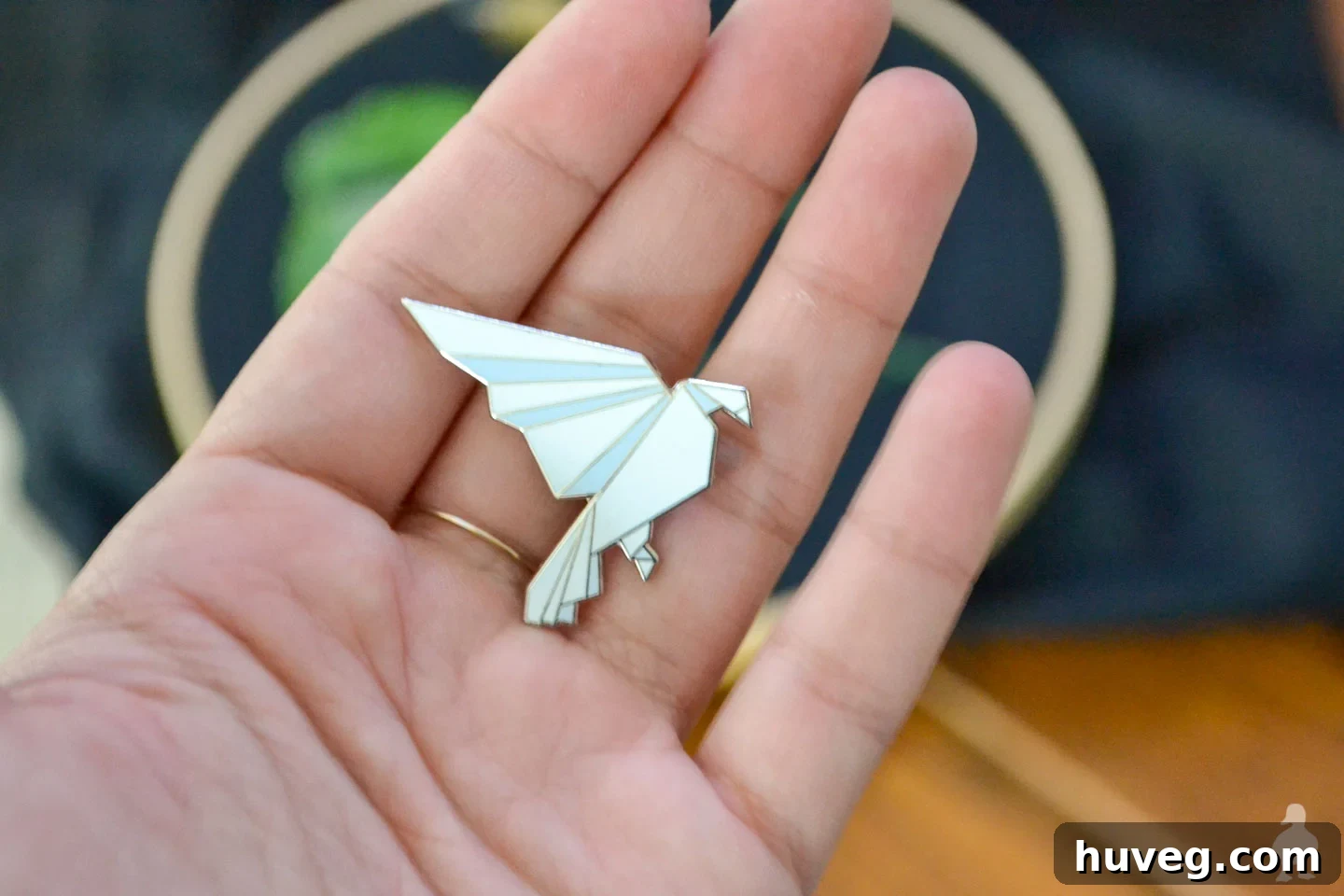
Enameled pins are another popular choice for needle minders, offering vibrant colors and unique designs. This charming white origami pin, for instance, is absolutely delightful (similar options and more similar styles are widely available). I created this second needle minder after the first charm version because I had my heart set on an enameled one. It actually worked out perfectly, as it allowed me to capture more photographs of the process – especially the steps I might have forgotten to document otherwise! Now, let’s learn how to convert one of these beautiful pins into a practical needle minder:
1. Remove the Pin Prong: The first and most crucial step is to carefully remove the sharp metal prong from the back of the enameled pin. Use a sturdy pair of cutting pliers or flush cutters for this. Position the pliers as close to the base of the prong as possible and snip it off. The goal is to leave as little of the metal piece protruding as possible, creating a flatter and safer surface. Always wear eye protection when cutting metal to prevent injury from flying debris.
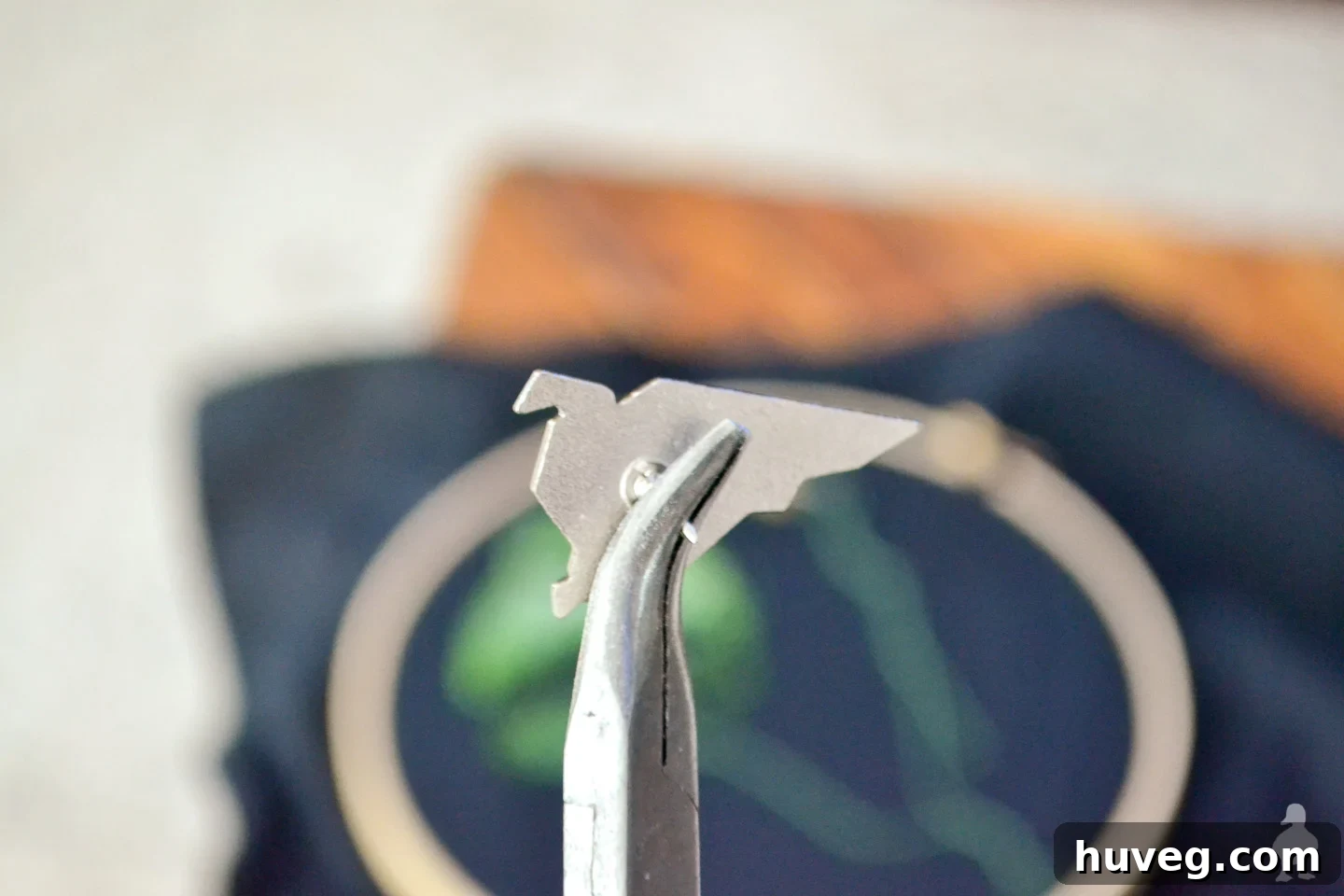
2. Smooth the Back: After cutting, you might find a small, jagged stub of the prong remaining. This needs to be addressed to ensure a smooth, safe back for your needle minder that won’t snag your fabric. You have a few options: you can try to cut away more with very fine-nosed pliers, grind it down using a Dremel tool with an appropriate grinding bit (wearing safety goggles is essential here), or if the stub is small, you can apply a generous amount of your heavy-duty glue over it, completely encasing the sharp point and creating a smooth, protective layer once dry.
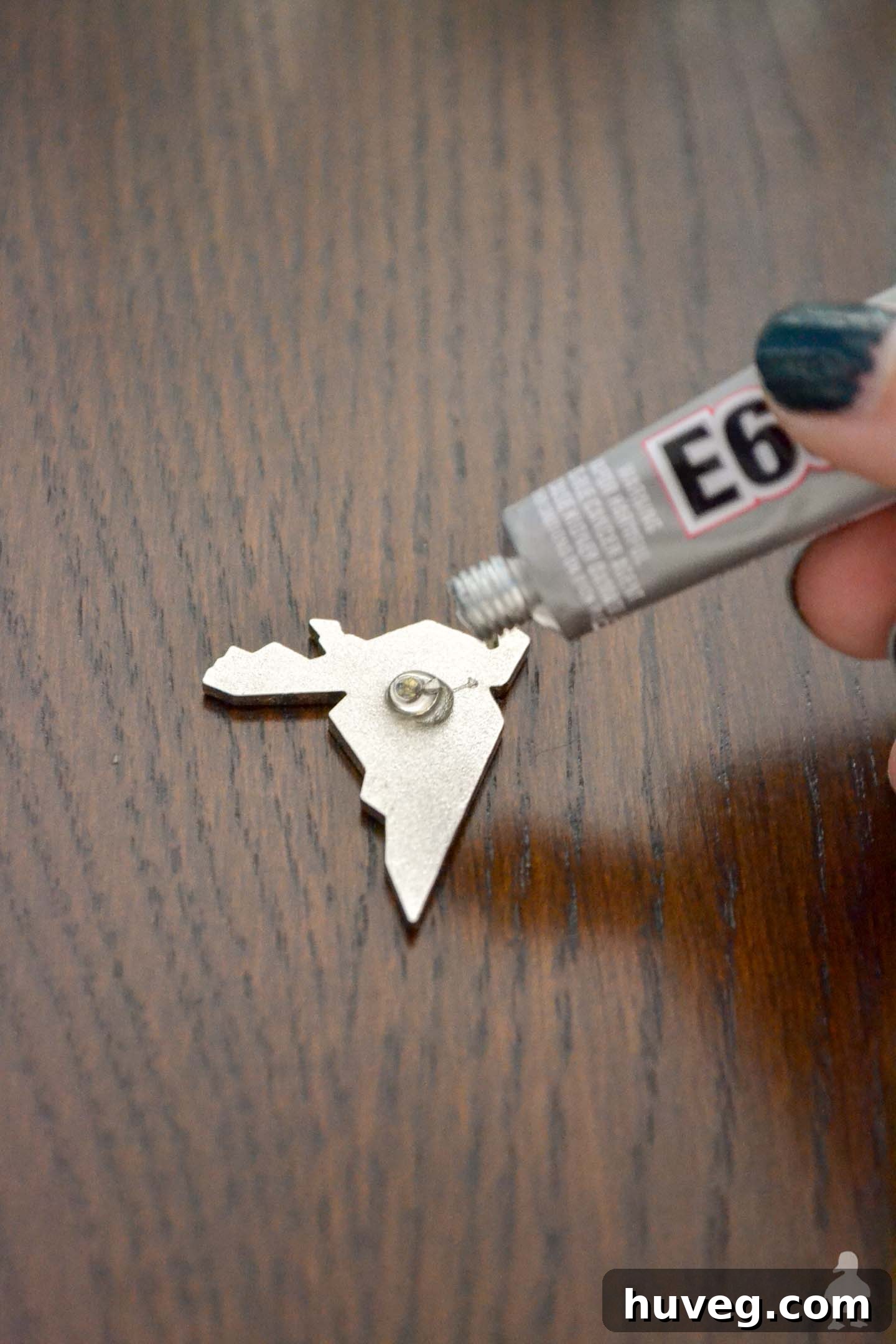
3. Glue the Magnet: Once the back is smooth and prepared, apply your chosen heavy-duty glue to the center. Place one of your neodymium magnets onto the glue, pressing it firmly to ensure good contact. Allow this to cure thoroughly for the recommended time (typically 24-72 hours) before handling or using the needle minder.
How to Effectively Use Your New Magnetic Needle Minder
Once your beautiful new needle minder is completely dry and cured, it’s ready to be put to work! The method of use is incredibly straightforward, but it makes a world of difference in your crafting workflow.
To use it, first, identify where on your current work-in-progress you’d like to place it. Many crafters prefer to position it near the edge of their project, or in an area that won’t be actively stitched over in the immediate future. Place the decorative front piece of your needle minder onto the front of your fabric. Then, take the second, loose magnet (this is why you need two for each minder!) and position it directly behind the fabric, aligning it with the magnet on the front piece. The magnets will snap together, securing the needle minder firmly in place without leaving any marks or damage on your fabric.
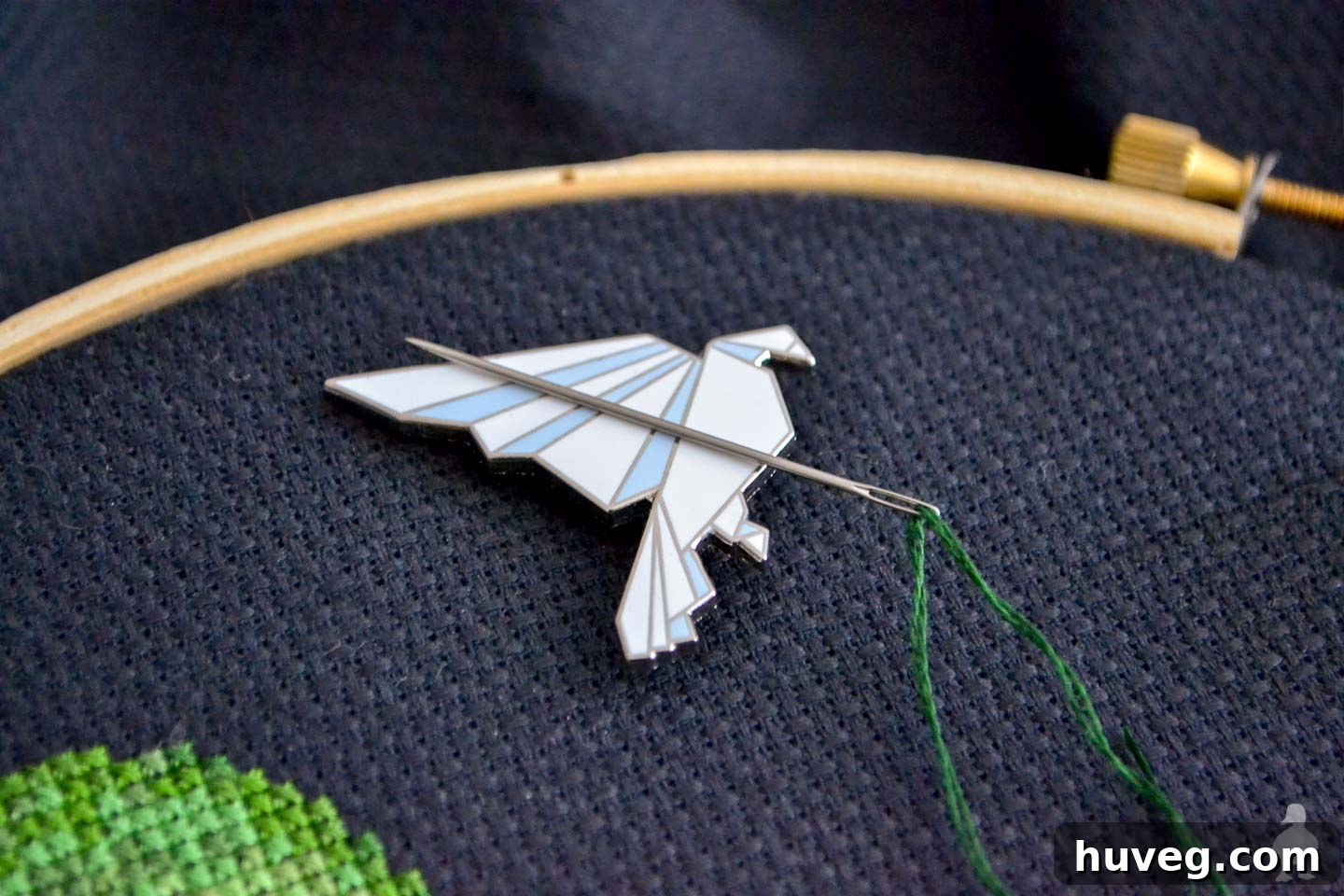
Now that your needle minder is securely attached, you have a designated spot for your needle. When you need to switch threads, take a break, or simply put your work aside, just bring your needle close to the decorative front of the minder. The magnet will instantly attract and hold your needle in place. This simple act eliminates the risk of losing your needle in your lap, on the floor, or buried in your project bag. It keeps your workspace tidy and ensures you can pick up exactly where you left off, every time.
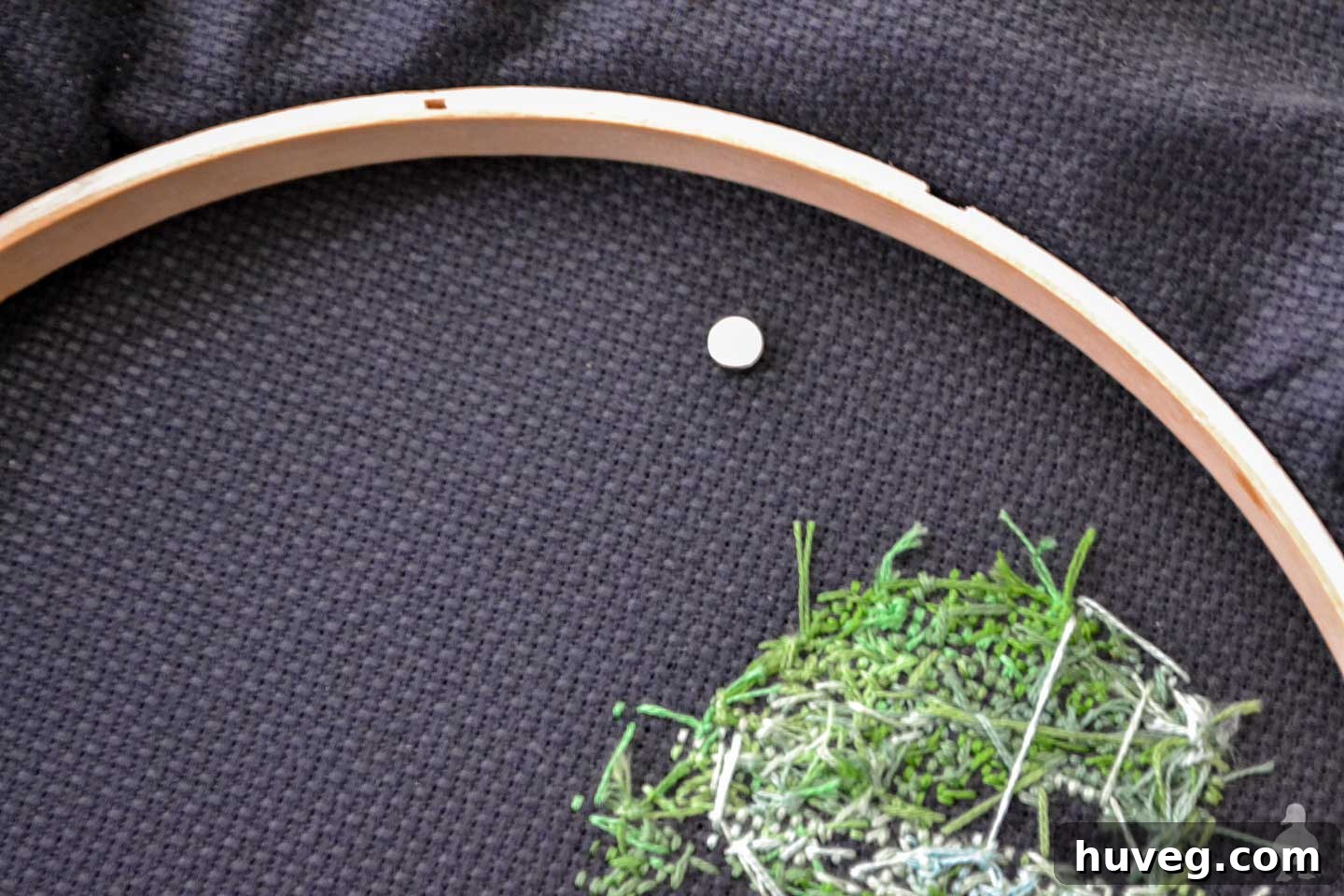
Since I started using my needle minders, I’ve been genuinely surprised by the tremendous difference they’ve made in my crafting routine. I find myself reaching for them instinctively, and the peace of mind they offer is invaluable. It’s hard to recall my grandmother, a prolific stitcher, ever using one, which just goes to show how modern conveniences can truly enhance traditional crafts. This small accessory not only prevents lost needles but also ensures your workspace remains organized and safe, making for a much more enjoyable and efficient stitching experience.
Care and Maintenance for Your Needle Minder
To ensure your DIY magnetic needle minder lasts through countless projects, a little care goes a long way. Avoid dropping your minder on hard surfaces, as strong impacts can weaken the adhesive bond or even crack delicate decorative elements. If you use a strong magnet, keep it away from sensitive electronics, credit cards, or medical devices, as powerful magnets can interfere with their function. Periodically check the magnet’s bond to the decorative piece; if it feels loose, a tiny dab of fresh glue can re-secure it. When not in use, you can keep your needle minder attached to your current project, or store it safely in your project bag alongside your other tools. By treating your needle minder with care, it will continue to be a trusty companion for all your needlecraft adventures.
Collecting or Buying Pre-Made Needle Minders
While DIYing your own needle minder is incredibly satisfying, there’s absolutely no shame in wanting to purchase them ready-made. In fact, many crafters enjoy collecting them, treating them as small pieces of art or unique tokens that reflect their personality or current projects. The market for pre-made needle minders has exploded, with talented artisans creating an astonishing variety of designs. Websites like Etsy are brimming with countless options, ranging from whimsical and cute to elegant and sophisticated. Exploring these collections can be a delightful experience in itself, offering inspiration for your own creations or providing that perfect, hard-to-find piece you’ve been dreaming of. Whether you make them or buy them, these little tools add immense joy and functionality to your crafting.
Discover a curated selection of unique needle minders from talented artisans on platforms like Etsy, offering a wide range of styles to complement your crafting projects. Browse handmade shops for diverse designs, from whimsical to elegant, and find the perfect addition to your collection.
Happy stitching, everyone!
Explore More Crafting Resources!
For those just starting their stitching journey, I’ve put together a comprehensive quick start guide to cross stitch for beginners. It covers everything you need to know to get started with confidence. Additionally, I’m constantly adding new designs to our pattern library, and I’m excited to announce that a new membership program is in the works, offering exclusive access to tons more patterns and valuable resources!
Pattern Time Limit
Patterns are available for free for a limited time to make room for new designs. To get access to the entire archive and lots more patterns, check out our membership site, NeedleSpark!
More Cross Stitch Ideas
SEE THE PATTERNS LIBRARY
Check out the library to get access to currently available patterns and see previews of future releases!
-
Glowing Butterfly | Free Cross Stitch Pattern
-
Beach Waves | Cross Stitch Pattern
-
Kingfisher | Free Cross Stitch Pattern