Some Battles Lost

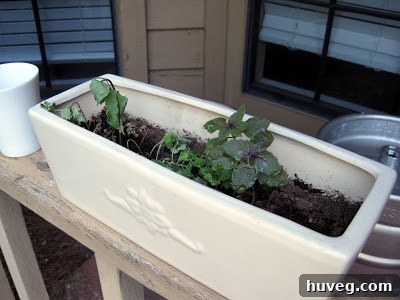
The silent battle wages on in my home, and I fear I may be losing the war against the plant kingdom. Despite my best intentions and renewed efforts, my long-standing title as the “Angel of Death for plants” seems to be clinging stubbornly to my reputation. It’s a moniker I’ve earned through a series of wilting leaves and untimely plant demises, each one a testament to my less-than-green thumb. Yet, the desire to cultivate a thriving indoor oasis persists, fueling my continuous, albeit often challenging, journey into the world of horticulture. This time, I’m trying harder than ever to break the cycle and prove that even the most notorious plant killers can learn to nurture.
My current botanical victim, or rather, the plant I am desperately trying to save, is showing tell-tale signs of neglect. I suspect it’s suffering from dehydration, manifesting as crispy leaves and a general droopy demeanor. The irony is not lost on me; it’s a classic beginner’s mistake, yet one I seem to perpetually fall prey to. I’m making a conscious effort to be more vigilant about its watering schedule, setting reminders and checking the soil moisture diligently. The picture above, a humorous reminder of a past plant-related misunderstanding, features a plant struggling, and yes, that is indeed a keg nestled quite prominently in the background. Apparently, my instruction to Scott to “put them away” wasn’t as descriptive as I had intended, leading to an amusingly misplaced plant and beverage pairing. Such is the unpredictable nature of shared living spaces and the learning curve of effective communication, especially when it comes to plant placement and care.
Embracing the Journey: From Plant Killer to Green Thumb Hopeful
The journey to developing a green thumb is often fraught with trial and error. For many of us, it starts with a simple desire to bring life and vibrancy into our homes, only to be met with the harsh realities of plant care. Factors like proper lighting, consistent watering, appropriate soil, and even humidity can make or break a plant’s survival. My current predicament with the dry plant is a clear indication that I’m still learning to interpret the subtle cues my leafy companions provide. While the stakes feel low – “if I kill it, it’s no big deal, I can start over” – the disappointment of perceived failure is a powerful motivator. I yearn for the satisfaction of seeing a plant thrive under my care, a true testament to mastering a skill that feels inherently natural to others.
Common Pitfalls in Plant Care and How to Avoid Them
One of the most frequent reasons houseplants don’t survive is improper watering. Both overwatering and underwatering can lead to significant stress and ultimately, the demise of your plant. Overwatering suffocates the roots, leading to root rot, while underwatering deprives the plant of essential moisture, causing wilting and crispy leaves. A simple test is to stick your finger about an inch or two into the soil; if it feels dry, it’s likely time to water. Another common mistake is neglecting light requirements. Different plants have vastly different needs, from bright, direct sunlight to low, indirect light. Placing a sun-loving plant in a dim corner or a shade-loving plant in a sunny window can quickly lead to distress. Understanding your plant’s specific needs is the first step towards successful indoor gardening.
Beyond watering and light, other environmental factors play a crucial role. Humidity levels, especially in drier climates or during winter months, can be vital for tropical plants. Pests, though often unseen until it’s too late, can quickly decimate a healthy plant collection. Regularly inspecting your plants for any signs of trouble – discolored leaves, sticky residue, or tiny insects – can help you catch problems early. Finally, choosing the right potting mix and ensuring adequate drainage are foundational. Good quality, well-draining soil prevents waterlogging, while pots with drainage holes are non-negotiable for most houseplants. Each of these elements contributes to creating an optimal environment where your plants can truly flourish.
Beginner-Friendly Plants for Aspiring Green Thumbs
For those of us who struggle, starting with resilient, easy-care plants can significantly boost confidence and provide a more forgiving learning experience. Snake plants (Sansevieria), for instance, are incredibly tolerant of neglect, thriving in various light conditions and requiring infrequent watering. Pothos (Epipremnum aureum) is another excellent choice, known for its trailing vines and ability to adapt to different light levels, signaling its needs clearly through its leaves. ZZ Plants (Zamioculcas zamiifolia) are practically indestructible, with thick, waxy leaves that store water, making them perfect for forgetful waterers. Spider plants (Chlorophytum comosum) are also fantastic, producing charming “spiderettes” that can be easily propagated, adding to the joy of growing.
These hardy varieties provide a great starting point for anyone looking to cultivate their indoor garden without feeling overwhelmed. They are more forgiving of inconsistent care and can withstand a wider range of environmental conditions than their more delicate counterparts. As you gain confidence and a better understanding of plant behavior, you can gradually expand your collection to include more challenging species. The key is to start small, observe carefully, and learn from each plant’s unique personality and needs. Every plant death, while disheartening, offers a valuable lesson that contributes to the eventual development of a truly green thumb.
Home Improvement on the Horizon: Flooring Progress Continues
On a significantly brighter and more successful note, the home improvement progress continues to unfold this week. While my botanical endeavors face ongoing challenges, our efforts on the flooring project are steadily moving forward, offering a gratifying sense of accomplishment. We’ve been diligently working on the upper level, transforming the space one plank at a time. The aim is to complete the laminate installation by Thursday, and with any luck, we’ll hit that deadline. There aren’t new pictures to share just yet, but the anticipation of seeing the finished upper level is building, and it promises to be a significant aesthetic upgrade to our home.
The Allure of Laminate: A Practical Choice for Modern Homes
Choosing laminate flooring for the upper level was a decision driven by a combination of practicality, aesthetics, and budget. Laminate has evolved significantly over the years, now offering incredible realism that mimics the look of hardwood, tile, or stone, without the associated cost and maintenance. Its durability makes it an ideal choice for high-traffic areas, resisting scratches, dents, and fading far better than many natural materials. For a DIY project, laminate is also highly appealing due to its relatively straightforward installation process, often featuring click-and-lock systems that simplify the laying of planks.
The benefits extend beyond just its appearance and resilience. Laminate flooring is incredibly easy to clean and maintain, requiring just a regular sweep or vacuum and occasional damp mopping. It’s also a more environmentally friendly option than some traditional flooring, often made with recycled materials and sustainable wood practices. The vast array of styles, colors, and textures available ensures that there’s a laminate option to suit every design preference, allowing homeowners to achieve their desired look without breaking the bank. For us, it represents a perfect blend of style, function, and affordability, enhancing the comfort and value of our home.
DIY Flooring: Challenges, Rewards, and Preparation
Undertaking a DIY flooring project, while rewarding, definitely comes with its own set of challenges. It requires meticulous planning, precise measurements, and a good amount of physical labor. Preparing the subfloor is a critical first step, ensuring it’s clean, level, and dry to prevent future issues. Laying down the underlayment, which provides sound insulation and moisture protection, follows. Then comes the satisfying part of clicking the planks into place, methodically working across the room. Cutting planks to fit around corners, doorways, and obstacles requires patience and the right tools, such as a miter saw or a laminate cutter.
Despite the hard work, the satisfaction of seeing a new floor emerge from your own efforts is immeasurable. It’s a tangible accomplishment that not only saves money but also instills a profound sense of pride in your home. Each plank laid contributes to the transformation of the space, creating a fresh, updated feel. The finishing touches, such as installing new baseboards and transition strips, tie the entire look together, completing the professional finish. This project has reinforced the idea that with proper research, the right tools, and a healthy dose of perseverance, ambitious home improvement goals are entirely within reach, even for those of us still figuring out our green thumb.
Our goal to complete the upper level laminate install by Thursday is ambitious but achievable. The methodical process of laying each plank, ensuring a tight fit and a consistent pattern, demands attention to detail. Every finished section brings us closer to the vision of a refreshed and modern upper living space. We’re excited about the prospect of stepping onto our new floors and enjoying the fruits of our labor, a stark and welcome contrast to my ongoing botanical struggles. We’ll be sure to share the final reveal once everything is in place.
Whether it’s nurturing a struggling plant back to health or meticulously laying down new flooring, home projects are a continuous journey of learning and adaptation. Some endeavors yield immediate gratification, while others test our patience and resilience. Both, however, contribute to creating a home that reflects our efforts and evolving skills. Be sure to stop by again soon for updates on our completed flooring project and, perhaps, a triumphant report on my evolving plant care abilities!