Weekly Musings

Mastering DIY: Overcoming Procrastination and Finishing Home Projects
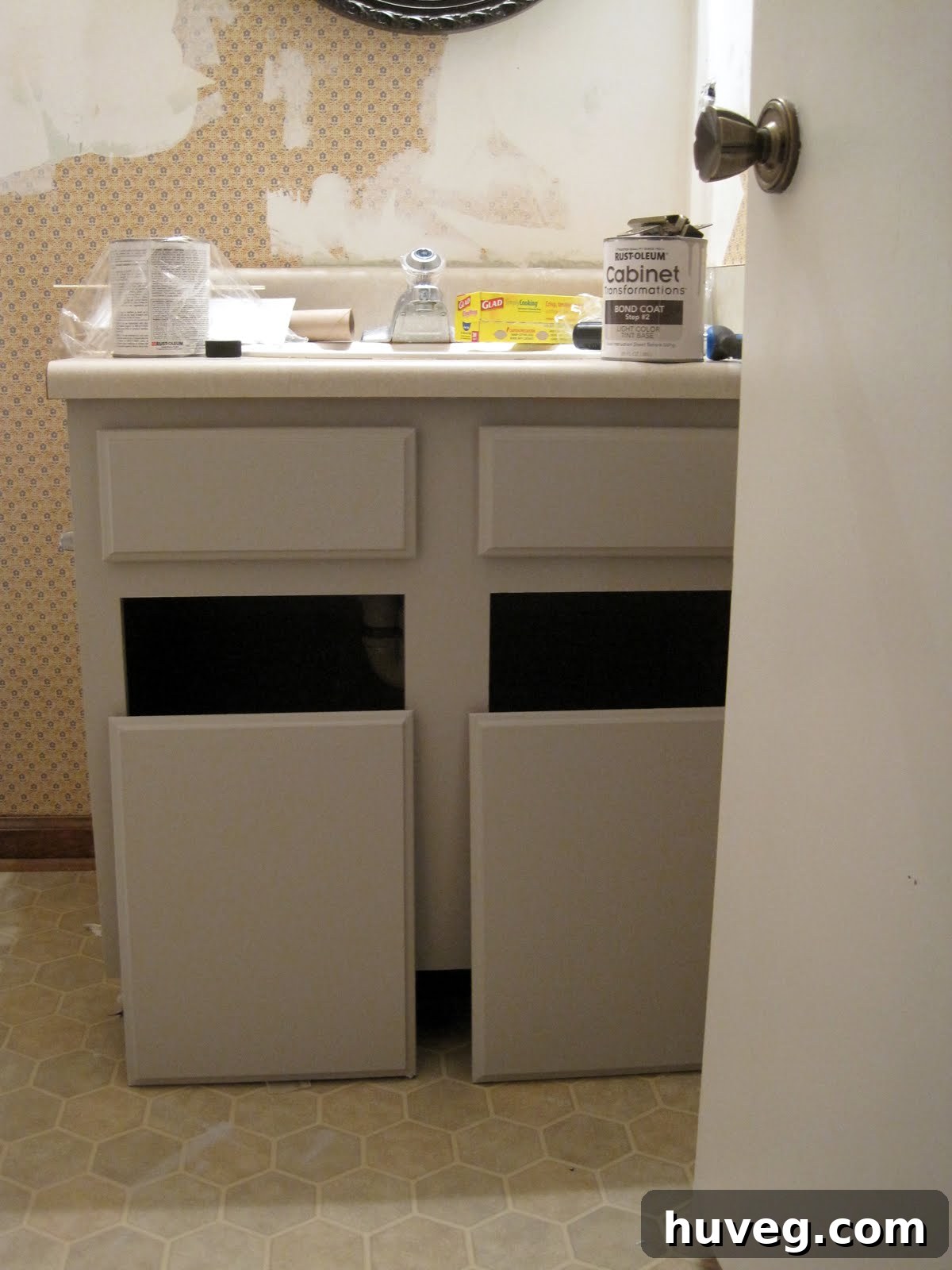
Confession time for many of us: the motivation to complete a project seems to ebb and flow, often leaving us in a state of semi-completion. Imagine a primary bathroom, sparkling with fresh paint on newly updated doors, yet those doors remain unhung, leaning against a wall, waiting for that final push. Or perhaps a staircase, half-painted, patiently awaiting its second coat. This common scenario isn’t just a quirky personal habit; it’s a testament to the universal struggle with procrastination, especially when it comes to personal home improvement endeavors. We all wish it weren’t so easy to conjure up excuses, to postpone what we know needs doing right now until a mythical “later.”
The allure of starting a project is often intoxicating. We envision the transformation, the refreshed look, the pride of a job well done. But somewhere between the initial burst of enthusiasm and the final, often tedious, finishing touches, momentum can stall. You might find yourself at work, dreaming of picking up that paintbrush the moment you get home, only to be derailed by late hours, unexpected traffic, or the sheer exhaustion that makes a cozy couch and a favorite show far more appealing than another hour of labor. “There’s a new episode of [Insert Favorite Show] on tonight!” becomes the siren song, transforming a much-needed break into an entire evening of vegging out. Worse still, sometimes the “break” isn’t even truly earned, as it implies a pause from an activity, rather than an avoidance of it altogether.
The Subtle Saboteur: Understanding Our Willpower in DIY
This isn’t an isolated incident; it’s the reality for many who embark on DIY journeys. Our own willpower, or perhaps a temporary lapse in it, can become the biggest obstacle. We genuinely want to achieve that beautifully renovated space, but the journey from “started” to “finished” feels like traversing an invisible psychological minefield. This isn’t about a sudden, radical commitment to change, but rather an honest observation of habits and an assessment of their impact. We know we can get things done, and often, a touch of perfectionism ensures that when we finally do, the result is exemplary. We’re stubborn enough to refuse to call it “done” until we’re 100% satisfied. Yet, this same perfectionism can feed procrastination, especially when the tasks we know we won’t enjoy loom large, tempting us to seek out more immediate, pleasurable distractions.
The Paradox of Productivity: Work Life vs. Home Life
What’s truly fascinating is the stark contrast between our professional habits and our personal project management. In the structured environment of a 9-to-5 (or often, an 8-to-6) job, most of us operate with remarkable efficiency. Projects are consistently completed, daily reminders are diligently acted upon, and tasks are checked off with a satisfying sense of accomplishment. The compulsive list-making that brings such satisfaction in the workplace – drawing a bold black line through a completed item – seems to manifest differently at home. At work, daily progress is the norm. In our personal lives, however, those smaller tasks are frequently postponed, under the assumption that we can always “fit them in later,” an assumption that often proves to be a well-intentioned fallacy.
This discrepancy highlights a critical element: accountability. At work, there are deadlines, colleagues, supervisors, and tangible consequences for unfinished tasks. At home, we are often our only boss, and the deadlines are self-imposed, making them far easier to bend or break. The immediate reward in a professional setting might be a client’s approval or a project milestone achieved, whereas the gratification of a DIY project, while deeply personal, is often delayed. The challenge then becomes how to transfer that innate professional discipline to our personal passion projects.
The “Finish Work” Fiasco: Why We Dread the Details
Perhaps the core of the issue lies in the nature of the tasks themselves. We might genuinely enjoy the dramatic visual change that comes with painting a bathroom cabinet or seeing a new color transform a room. These initial steps are exciting, offering immediate gratification and visible progress. But then comes the “finish work”—the caulking, the sanding, the meticulous trim painting, the final hardware installation. These tasks are often perceived as tedious, repetitive, and less aesthetically rewarding. They demand precision and patience but offer little in the way of “wow” factor compared to the initial transformation.
Consider the unfinished trim that still needs caulking, or the stairs that remain halfway painted. The original plan might have been clear, but then an unexpected rainstorm increased humidity, forcing a hiatus. Next, the unfinished stairs became muddy, requiring a scrub before painting could resume. At this point, the enthusiasm wanes, and it becomes all too easy to simply start a new, more exciting project, leaving the previous one in limbo. This cycle of starting strong and fizzling out on the details is a common trap for many DIYers.
The Burst-and-Bust Cycle: When Inaction Leads to Frenzy
Unfortunately, for many, the desire to cross more items off the to-do list is postponed countless times. It’s not a lack of commitment, but often a temporary lack of energy or desire. This period of inaction, however, frequently gives way to a sudden, intense burst of energy. Like a hidden reserve finally unleashed, we might find ourselves tackling fifteen tasks in one blazing frenzy of activity. This pattern, while eventually productive, can be emotionally taxing and inefficient. It involves waiting out the doldrums until the willingness to tackle the bathroom wallpaper removal, hang new light fixtures, or repair a mysterious gouge in the wall finally returns.
While this “burst” method eventually leads to progress, it often comes at the expense of consistent effort and can lead to burnout. It’s a reactive rather than proactive approach to project management. The goal for many DIY enthusiasts isn’t just to finish projects, but to do so with less stress and more enjoyment throughout the process, avoiding the emotional rollercoaster of intense frustration followed by manic productivity.
Strategies for Consistent DIY Progress and Project Completion
Moving from the “start-and-stall” pattern to consistent progress requires a conscious shift in approach. Here are actionable strategies to help you overcome DIY procrastination and see your projects through to completion:
1. Break Down Projects into Micro-Tasks
Instead of “paint the bathroom,” break it into “clean walls,” “tape edges,” “prime walls,” “paint first coat,” “paint second coat,” “remove tape,” “hang doors.” Each micro-task is less intimidating and offers more frequent opportunities for a sense of accomplishment.
2. Allocate Dedicated “DIY Time”
Just like a work meeting, schedule specific blocks of time for your projects. Even 30-60 minutes a few times a week can make a huge difference. Treat these appointments with yourself as non-negotiable. Consistency, even in small doses, is more effective than sporadic bursts.
3. Tackle the Dreaded Task First (Eat the Frog)
If you have a task you particularly dislike, get it out of the way first. Brian Tracy’s “Eat the Frog” principle suggests that if you do the hardest, most important, and most dreaded task first thing in the morning, the rest of your day will be easier and more productive. Apply this to your DIY projects.
4. Minimize Distractions
Turn off the TV, silence your phone, or even put on instrumental music to create a focused environment. Designate a specific “project zone” in your home if possible, where your tools and materials are readily accessible and you’re less likely to be sidetracked.
5. Visualize the Finished Product and Reward Progress
Keep your ultimate vision in mind. Print out inspiration photos and post them in your workspace. For every significant micro-task completed, give yourself a small reward—a short break, a favorite snack, or a few minutes of guilt-free “trash TV” if that’s what motivates you. Positive reinforcement can be powerful.
6. Find an Accountability Partner
Tell a friend or family member about your project goals. Knowing someone else is aware of your progress (or lack thereof) can provide an external push. Share before-and-after photos, even of small steps, to keep the momentum going.
7. Understand Your Energy Cycles
If you know you have bursts of energy, try to channel them effectively. Instead of letting projects languish, use those high-energy moments to tackle the most demanding parts or batch a series of smaller tasks. Plan tedious tasks for times when your mental energy is highest.
The Enduring Reward: Why DIY is Worth Every Effort
Despite the challenges and the occasional battle with our own motivation, DIYing a home is profoundly rewarding in the end. It’s not merely about saving money, though that’s often a significant factor that prevents us from hiring someone else. It’s the immense pride of overcoming personal obstacles—whether they are financial constraints, time limitations, a test of patience, or indeed, the struggle with procrastination itself. It’s about seeing something beautiful emerge from our direct efforts, knowing that every swing of the hammer, every stroke of the brush, and every moment of concerted effort contributed to the transformation.
The journey of DIY is a powerful metaphor for life: you ride every single wave, navigate unexpected challenges, and ultimately, come out on the other side with a tangible testament to your resilience and capability. The sense of accomplishment and ownership derived from a completed DIY project far outweighs the temporary discomfort of pushing past procrastination.
So, as you embark on your own projects this weekend or in the coming weeks, I wish you a happy, triumphant journey. If you find yourself in the same boat as many of us, struggling with that internal push, know that you’re not alone. I offer words of encouragement for every step you do accomplish, even if it’s only halfway done by the end of your designated DIY time. And if you are one of those admirable individuals who can steamroll their way toward a finished product with unwavering focus, you have my deepest admiration and my full permission to dismiss this rambling as merely a minor speed bump on your incredibly productive day. Whatever your style, pick up your paintbrush, organize your tools, and get something done—even if it’s just one small step. For now, at least, that’s a victory worth celebrating!