Friday Funny: Your Weekly Facepalm

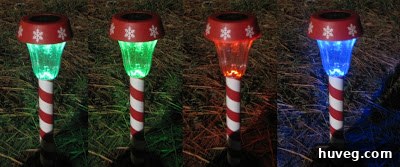
The holiday season always brings with it a special kind of magic, a desire to transform our homes into festive havens. For me, this year’s transformation began with a quintessential Black Friday hunt. There’s an undeniable thrill in scouting out those incredible deals, especially when it comes to seasonal decor that promises to sprinkle a little extra sparkle on the shortest days of the year. My prize? A set of charming candy cane solar lights from Home Depot. The deal was simply too good to pass up, a seemingly perfect addition to our outdoor Christmas display, promising effortless glow and cheer. Filled with the excitement of an early start to the festivities, I enthusiastically placed them in the yard early Saturday morning, envisioning a vibrant, welcoming pathway.
The Curious Case of the Unlit Candy Canes
Days turned into an extended waiting game. Scott and I observed the yard expectantly each evening, anticipating the warm glow of our new festive additions. We had invested in what we believed to be a fantastic bargain, and the promise of hassle-free solar power was particularly appealing. However, night after night, the candy canes remained stubbornly dark. Our initial assumption, a perfectly logical one given the typical November weather in our region, was that the culprit must be the persistently dreary and wet conditions. We reasoned that the solar panels simply weren’t getting enough sun exposure to charge adequately. “Just wait for a sunny day,” we’d tell each other, confident that a burst of sunshine would resolve the issue and unleash their festive luminescence. This patience felt justified; after all, solar lights rely entirely on the sun, and cloudy skies are their natural adversary.
A Glimmer of Hope, Then Darkness
Finally, a glorious, bright sunny day dawned. The kind of day where the sky is an expansive canvas of clear blue, offering uninterrupted solar charging opportunities. We watched the sun drench our yard, beaming down on the candy cane lights, feeling a renewed sense of anticipation. “Tonight’s the night,” I thought, picturing the cheerful red and white stripes illuminated against the darkening twilight. As sundown approached, my excitement grew, transforming into eager expectation. But alas, as dusk settled and the evening deepened, the yard remained as dark as before. Not a single flicker, no hint of the promised festive glow. My initial optimism began to wane, slowly replaced by a creeping sense of disappointment and a growing question: Had my “great deal” turned out to be nothing more than cheap junk?
The Humbling Revelation: A “Moron” Moment
What the heck? This frustration was palpable. The thought that I might have been swindled by a seemingly good bargain was genuinely irksome. I walked out to the yard, determined to inspect each light, perhaps jiggle a connection, or look for some subtle damage. It was then, as I knelt beside one of the candy canes, scrutinizing its base, that my eyes caught sight of a tiny, unassuming switch. An “on/off” switch. For these things to work. My brain, perhaps dulled by holiday stress or simply distracted by the endless to-do list, had completely overlooked the most fundamental operational detail. Nope, the lights weren’t junk; I was just a moron.
The realization hit me like a splash of cold water, followed by a wave of relieved laughter. Oops. Gah, Sarah. Total brain fart. It was one of those classic, utterly embarrassing, yet universally relatable moments of sheer oversight. With a newfound understanding (and a blush of embarrassment), I went down the line, flipping each tiny switch to the “on” position. And then, the true magic unfolded. Not only did they come to life, but the solar lights, which I had also mistakenly assumed would just be a simple, classic white, began morphing into a dazzling, color-changing light show! It was an unexpected bonus, a vibrant display of reds, greens, blues, and purples, painting the evening with an even more spectacular festive glow than I had ever imagined. The initial disappointment dissolved, replaced by a delightful surprise and a hearty chuckle at my own expense.
Beyond the Blunder: Common Solar Light Troubleshooting & Tips
My little incident with the candy cane lights served as a humorous, yet insightful, reminder of how easily we can overlook the obvious, especially amidst the hustle and bustle of the holiday season. It also prompted me to think about common issues people face with solar garden lights. While my problem was a simple switch, many others encounter similar frustrations. Here are some key troubleshooting tips and considerations for anyone looking to make the most of their outdoor solar lighting:
- Check the On/Off Switch: Yes, it sounds elementary, but it’s the first thing to check! Many solar lights come with a small, often discreet, switch. Ensure it’s in the “on” position. Sometimes, manufacturers ship them “off” to preserve battery life.
- Adequate Sun Exposure: Solar lights need direct sunlight to charge their internal batteries effectively. Make sure your lights are placed in an area that receives at least 6-8 hours of direct sun daily. Shady spots, overhanging branches, or tall fences can significantly reduce charging efficiency.
- Clean the Solar Panel: Dirt, dust, leaves, or even snow can accumulate on the solar panel, hindering its ability to absorb sunlight. Regularly wipe the panels clean with a soft, damp cloth to ensure maximum charging.
- Inspect the Battery: Solar lights typically use rechargeable batteries (often NiMH or Li-ion). Over time, these batteries can degrade. If your lights aren’t holding a charge or are dimmer than usual, try replacing the battery with a new, high-quality rechargeable one of the correct type and size.
- Check for Water Damage: While most outdoor solar lights are designed to be weather-resistant, extreme conditions or manufacturing defects can sometimes lead to water ingress, damaging the internal components.
- Test the Light Sensor: Solar lights have a light sensor that tells them when it’s dark enough to turn on. If your lights are under a streetlamp or porch light, they might not activate. Try moving them to a darker spot or covering the sensor briefly to see if they light up.
Embracing the Holiday Spirit, One Light at a Time
Beyond troubleshooting, investing in quality solar lights can significantly enhance your holiday decor with minimal effort and environmental impact. They offer a sustainable and cost-effective way to illuminate pathways, highlight garden features, or add a festive touch to your entire yard. Look for lights with durable construction, good battery life, and features that match your aesthetic, whether it’s a warm white glow, a cool blue, or a dynamic color-changing spectacle like my surprise candy canes.
This experience, while initially frustrating, ultimately added a layer of humor and a valuable lesson to my holiday preparations. It’s a reminder that even the simplest things can sometimes trip us up, and that a little patience (and a thorough inspection) can go a long way. The unexpected discovery of the color-changing feature turned a potential disappointment into a delightful surprise, making our yard even more enchanting.
Maybe the holidays are making me spacey, or perhaps it’s just a classic case of excitement blinding me to the obvious. Has anything like this ever happened to you? Share your own “brain fart” moments or holiday decorating blunders in the comments below! It’s comforting to know we’re all human and prone to these little oversights that often turn into the most memorable stories.
Happy Friday, everyone! May your weekend be bright, your decorations dazzling, and your solar lights (hopefully) already switched ON. Have a great weekend filled with joy, laughter, and perhaps a few less “oops” moments than mine!