My Craft Studio Transformation

Transforming Chaos into Creativity: My Ultimate Craft Room Makeover
Every creative soul knows the challenge: a beloved workspace, meant to be a sanctuary of inspiration, can quickly transform into a chaotic realm of half-finished projects and overflowing supplies. For too long, my craft room had become just that – a space where creativity felt stifled rather than encouraged. It was a place I’d often eye with a mix of dread and determination, knowing a significant overhaul was long overdue. The sheer volume of materials, tools, and forgotten treasures had accumulated to the point where finding anything was an archaeological dig, and starting a new project felt like an impossible feat.
The vision was always clear: a bright, organized, and inviting area where ideas could flow freely, and every tool had its rightful home. The journey to achieve this, however, was a marathon, not a sprint. It required commitment, strategic planning, and a deep dive into every nook and cranny. But after weeks of diligent effort, sorting, purging, and meticulously organizing, I can finally breathe a sigh of relief. The transformation is complete, and the results speak for themselves.
The Unveiling: From Chaos to Calm
Witnessing the before-and-after of any major organization project is always incredibly satisfying, and this craft room makeover is no exception. It’s a testament to the power of intentional design and the immense impact a well-ordered environment can have on one’s creative spirit. Prepare to be amazed by the journey from overwhelming clutter to serene order.
Before: A Creative Space Lost
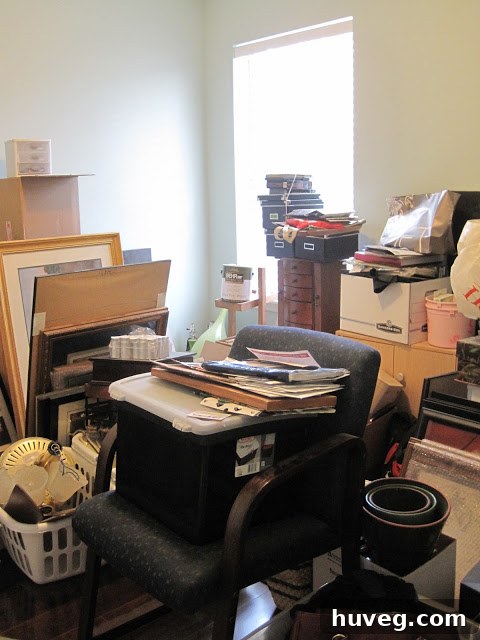
Phew. It took a while, but I finally turned the craft room from this:
As you can see, the “before” picture captures the essence of a craft room that had spiraled out of control. Surfaces were buried under stacks of fabric, overflowing bins of yarn, neglected paint tubes, and an assortment of tools scattered without any discernible system. Every horizontal surface had become a dumping ground, and the floor space was quickly diminishing. It was a room that, despite holding countless items for creative expression, ironically stifled the very act of creation. The sheer visual noise made it difficult to focus, inspiring procrastination rather than productivity. This chaotic environment was not only aesthetically unpleasing but also a major obstacle to my crafting passion.
After: A Sanctuary for Inspiration
To this:
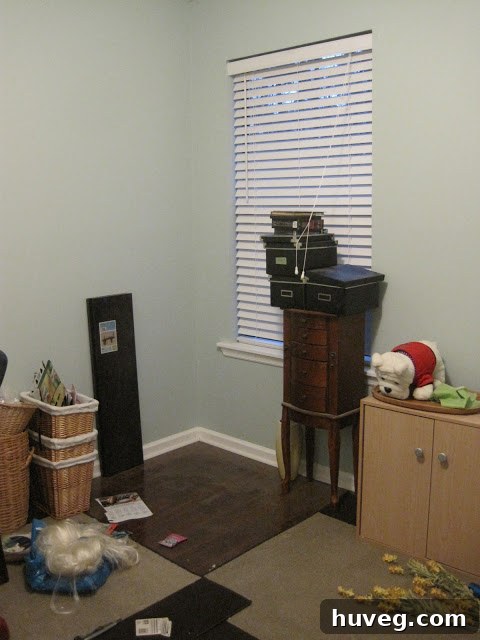
Let’s all take a collective exhale. Ahhhhh. Much better, don’t you think? The transformation is truly breathtaking. Stepping into the craft room now feels like entering a brand new space. Every item has its dedicated home, from neatly categorized bins of beads to perfectly folded bolts of fabric. The vibrant colors of the craft supplies, once lost in a sea of clutter, now contribute to an organized aesthetic, becoming part of the room’s joyful design. Clear containers, labels, and vertical storage solutions have been instrumental in maximizing every inch, making it easy to find what I need and, more importantly, put it back. This organized environment isn’t just about tidiness; it’s about reclaiming peace, boosting productivity, and reigniting the joy of crafting. It’s a dedicated creative space where inspiration can finally thrive, free from the distractions of disarray.
The Journey to Transformation: More Than Just Tidying
Achieving this level of organization wasn’t just about moving things around; it was a deeply intentional process that involved significant decision-making and a systematic approach to decluttering and organizing. This section delves into the strategies and lessons learned during the craft room makeover, offering insights that can be applied to any home organization project.
Identifying the Problem: The Weight of Clutter
The first step was to acknowledge the true extent of the problem. What exactly made the room so dysfunctional? It wasn’t just the sheer quantity of items, but the lack of a proper system, poorly utilized space, and the emotional attachment to items that were no longer serving a purpose. Craft supplies, by nature, can multiply quickly. Bits of ribbon, half-used tubes of paint, remnants of fabric – each small item contributes to the overall visual and physical weight of clutter. Recognizing these core issues was crucial for developing an effective plan of attack and ensuring the transformation would be lasting.
Strategies for Success: A Step-by-Step Approach
My journey began with a complete purge. Every single item was removed from the craft room, creating a blank canvas. This ’empty room’ approach allowed for a fresh perspective on the space and its potential. Next, I sorted items into categories: “keep,” “donate/sell,” “discard,” and “relocate.” This rigorous sorting process was perhaps the most challenging, requiring honest self-reflection about what was truly essential for my crafting endeavors. For the “keep” pile, the focus shifted to finding intelligent storage solutions. Vertical shelving units, drawer organizers, wall-mounted pegboards, and clear, stackable bins became my best friends. The goal was to make every item visible and easily accessible, minimizing the time spent searching and maximizing time spent creating.
Essential Tools for Organization
The success of this craft room organization hinged on more than just willpower; it also required the right tools. Investing in versatile storage solutions made a significant difference. Consider clear plastic containers for visible storage of smaller items like beads, buttons, and threads. Drawer dividers are invaluable for keeping notions tidy. Wall-mounted shelving or pegboards can maximize vertical space, which is often underutilized. Label makers also played a crucial role, ensuring that once items were organized, they remained so. A well-designed workspace includes not only storage but also functional furniture that supports creativity, which leads us to future plans for a dedicated desk.
The Emotional Impact of Decluttering
Beyond the practical benefits, the emotional impact of decluttering and organizing this craft room has been profound. The act of letting go of items that no longer sparked joy or served a purpose was liberating. It felt like shedding mental clutter as much as physical clutter. Now, when I walk into my craft room, there’s a sense of calm and clarity. This newly organized space fosters creativity, reduces stress, and invites me to spend more time pursuing my passions. It’s a reminder that our physical environments deeply influence our mental well-being and productivity, especially in spaces dedicated to hobbies and work.
Beyond the Room: The Decluttering Ripple Effect
The decluttering didn’t stop at the craft room door. As often happens with major organization projects, the process revealed items that no longer belonged in the house at all. This outward flow of unneeded belongings is a natural and healthy part of a thorough spring cleaning initiative.
The “Leaving the House” Pile: Making Tough Choices
Until you turn around and head into the upstairs hallway. All of this is leaving the house.
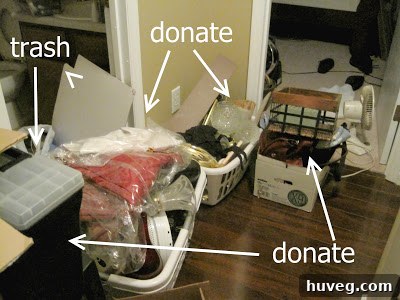
This image perfectly illustrates the “aftermath” of a successful decluttering session. The hallway has become a temporary staging area for all the items that didn’t make the cut for the newly organized craft room, or frankly, for anywhere else in the house. This pile includes forgotten project kits, duplicate tools, materials I no longer use, and general household items that had somehow migrated into the craft space. The decision-making process for these items was guided by questions like: “Have I used this in the last year?” “Does this bring me joy or serve a practical purpose?” “Do I have a specific project in mind for this?” Being ruthless but fair during this stage is key to preventing re-cluttering and truly optimizing your home.
Sustainable Disposal: Giving Items a Second Life
It’s important to consider sustainable ways to dispose of decluttered items. Not everything needs to end up in a landfill. Many items in this “leaving the house” pile are destined for donation to local charities, providing them with a second life and benefiting others. Some might be suitable for selling online or at a garage sale, recovering a small portion of their original cost. Craft supplies in good condition can often be donated to schools, community centers, or art programs. Recycling centers are essential for items that cannot be reused or donated. This mindful approach to disposal ensures that the effort of decluttering extends beyond personal benefit, contributing positively to the community and the environment.
Embracing the Season: Spring Cleaning Momentum
This craft room overhaul has served as a powerful catalyst, igniting a broader spring cleaning initiative throughout the entire house. There’s something incredibly refreshing about tackling neglected spaces and breathing new life into your home as the seasons change.
I’m off to a good start with our spring cleaning.
Why Spring Cleaning Matters
Spring cleaning is more than just a tradition; it’s an opportunity to reset your home environment. After the winter months, when homes tend to feel cozier but often more cluttered, spring offers a fresh start. It allows for deep cleaning, airing out spaces, and a thorough re-evaluation of belongings. This annual ritual can significantly improve indoor air quality, reduce allergens, and create a more harmonious living space. Psychologically, it can also boost mood, reduce stress, and provide a sense of accomplishment and control over one’s surroundings, setting a positive tone for the warmer months ahead.
Tips for a Successful Spring Clean
To keep the momentum going from the craft room into other areas of the home, I recommend a few key strategies. First, break down larger tasks into smaller, manageable chunks. Instead of “clean the kitchen,” focus on “declutter the pantry” or “wipe down cabinets.” Second, create a checklist to track progress and celebrate small victories. Third, involve other household members if possible, delegating tasks to make the process more efficient and less overwhelming. Lastly, don’t forget the deep-cleaning aspects – washing windows, cleaning carpets, and dusting hard-to-reach areas. A systematic approach ensures a comprehensive and satisfying spring cleaning experience.
Looking Ahead: The Next Chapter in Our Creative Haven
With the craft room meticulously organized, the focus now shifts to enhancing its functionality and aesthetics even further. A key piece of this puzzle is the addition of a custom-designed desk, promising to elevate the workspace to new heights of efficiency and inspiration.
I can’t wait until we start on the desk that will go in this room!
The Dream Desk: Enhancing Functionality
The anticipation for the new desk is immense. Currently, while the room is organized, a truly dedicated and ergonomically sound workspace is still on the wish list. The new desk will be designed to fit seamlessly into the newly optimized layout, providing ample surface area for various projects, integrated storage solutions, and perhaps even a dedicated spot for larger equipment like a cutting machine or sewing machine. This investment in a purpose-built desk isn’t just about furniture; it’s about creating a truly functional hub that supports long hours of creative work without sacrificing comfort or efficiency. It will be the anchor of the room, further solidifying its role as a dedicated creative sanctuary.
Future Visions for the Craft Room
The desk project is just one step in the ongoing evolution of this creative haven. Future visions include incorporating more personalized decor that reflects my aesthetic, potentially adding a comfortable reading nook for inspiration, and continuously refining the storage systems as my crafting needs evolve. The goal is to maintain a dynamic yet orderly space that adapts to new projects and passions while always remaining a source of calm and creativity. Regular mini-declutters will be key to preventing the return of chaos, ensuring this beautiful transformation is a lasting one.
Final Thoughts: The Power of a Purposeful Space
In conclusion, the journey from a cluttered, overwhelming craft room to a serene, organized creative sanctuary has been incredibly rewarding. It underscores the profound impact that a purposeful and well-maintained physical environment can have on mental well-being, productivity, and the ability to pursue one’s passions. This makeover is more than just an aesthetic upgrade; it’s an investment in my creative self and a testament to the power of taking control of one’s surroundings. May this transformation inspire you to tackle your own challenging spaces and discover the joy of an organized, inspiring home.