Chalk Art Unleashed

Transform Your Kitchen: The Ultimate DIY Pantry Door Chalkboard Project
Are you looking for an innovative way to add charm, functionality, and a touch of personalized organization to your kitchen? Look no further than a DIY pantry door chalkboard! This project is not just a creative outlet; it’s a practical solution for meal planning, grocery lists, or simply leaving fun messages for your family. Imagine transforming an overlooked pantry door into a vibrant, ever-changing canvas that elevates your kitchen’s aesthetic while keeping daily life in order. It’s an incredibly satisfying and budget-friendly home improvement that truly makes a house feel more like a home.
This comprehensive guide will walk you through turning an ordinary pantry door into an extraordinary focal point. We’ll cover everything from gathering your materials – often found right in your garage or local thrift store – to the step-by-step process of painting and assembly. Get ready to embrace the joy of upcycling and craft a unique piece that reflects your personal style and enhances your kitchen’s functionality.
Why a Pantry Door Chalkboard is a Must-Have for Your Kitchen
In the bustling heart of any home, the kitchen, functionality and style go hand-in-hand. A chalkboard on your pantry door offers a myriad of benefits that extend beyond simple decoration:
- Unmatched Organization: Keep track of your grocery list as items run out, jot down dinner ideas, or outline the weekly menu. This keeps essential information visible and accessible, reducing stress and last-minute scrambling.
- Creative Expression: It’s a blank slate for your artistic endeavors! Whether you’re a seasoned doodler or enjoy simple lettering, a chalkboard invites creativity. Change designs seasonally, for holidays, or just on a whim.
- Family Communication Hub: A central spot for family messages, chore charts, or reminders. It encourages interaction and ensures everyone stays in the loop, fostering a connected household environment.
- Space Optimization: Utilizing an existing door means you’re not taking up valuable wall space with another bulletin board or calendar. It’s a smart, efficient use of an often-ignored surface.
- Budget-Friendly Decor: As you’ll see, this project can be incredibly cost-effective, especially if you’re able to upcycle materials you already own. It’s a high-impact upgrade without the high price tag.
- Personalized Aesthetic: A chalkboard adds a rustic, farmhouse, modern, or eclectic touch, depending on how you style it. It instantly adds character and a sense of warmth to your kitchen.
Gathering Your (Potentially Free) Materials for a Seamless Project
One of the most rewarding aspects of this DIY project is the potential for it to be incredibly cost-effective. By repurposing items you already have or sourcing them from second-hand stores, you can achieve stunning results without breaking the bank. My personal favorite projects are those that cost absolutely nothing, and this one has the potential to be exactly that! Take a moment to rummage through your garage, attic, or even check out local thrift stores – you might be surprised at what treasures you uncover.
Here’s a detailed look at the materials you’ll need, with tips on how to find them affordably:
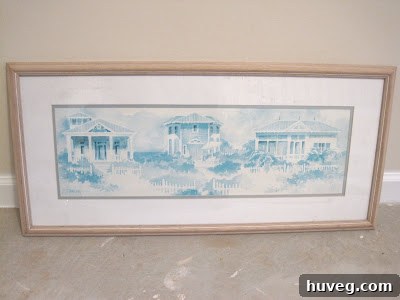
- An Old Frame: This is where the upcycling magic truly begins. I stumbled upon an old framed beach print that used to hang in a bathroom, purchased ages ago from Goodwill. Any sturdy frame will do – think picture frames, mirror frames, or even an old window frame. The size will dictate the scale of your chalkboard, so choose one that complements your pantry door. Look for solid wood or metal frames that can withstand painting and handling.
- MDF (Medium-Density Fiberboard): This material will serve as your smooth chalkboard surface. MDF is ideal because it’s inexpensive, smooth, and takes paint beautifully. You’ll need a piece cut to fit snugly within your chosen frame. If you don’t have scrap MDF, check lumber yards for off-cuts, which are often sold at a reduced price, or consider a small panel from a hardware store. Alternatively, you could skip the frame and apply chalkboard paint directly to a section of your door (though a framed inset offers a more polished look).
- Chalkboard Paint: The star of the show! If you’re a seasoned DIYer, you might have an old can lingering from a previous project. If not, chalkboard paint is readily available at most hardware and craft stores. A small can goes a long way. There are various brands and even different colors beyond traditional black, offering creative flexibility.
- Chalk: Essential for seasoning your new chalkboard and, of course, for writing on it! A simple box of white chalk is perfect to start. You can often find this at dollar stores or stationery shops.
- Acrylic Paint (for the Door): To give your pantry door a fresh, cohesive look, you’ll likely want to paint it. I opted for white to match the existing trim in my home, providing a clean backdrop for the chalkboard. Choose a durable, interior acrylic or latex paint in a color that suits your kitchen’s decor.
- Primer (Spray or Magnetic): A good primer is crucial for ensuring the chalkboard paint adheres properly and creates a durable, long-lasting surface. A basic spray primer works wonders for MDF. For an added layer of fun and functionality, consider using a magnetic primer underneath the chalkboard paint. This allows your chalkboard to double as a magnetic bulletin board – perfect for holding notes, photos, or small magnets!
- Tools: While not listed as “materials,” you’ll need a few basic tools: a measuring tape, a pencil, a saw (if cutting MDF yourself, or have it cut at the store), sandpaper (fine-grit), paintbrushes or rollers, a screwdriver or drill (for removing hardware), and strong adhesive (like construction adhesive or wood glue) or small screws for attaching the frame.
By carefully selecting your materials and embracing the spirit of upcycling, you can create a stunning and functional pantry door chalkboard with minimal, or even zero, cost!
Total estimated cost: $0 – $30 (depending on what you need to purchase new)
Step-by-Step Transformation: Creating Your Pantry Door Chalkboard
Now that you have all your materials ready, let’s dive into the hands-on process of bringing your pantry door chalkboard to life. Remember to allow ample drying time between each coat and step for the best results.
Step 1: Preparing Your Canvas – Freeing the Frame
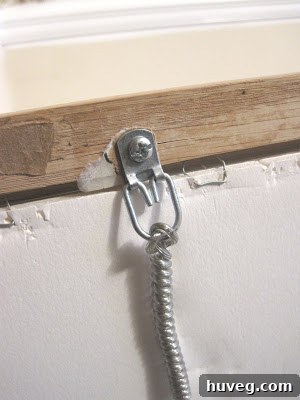
Begin by carefully disassembling your chosen frame. Remove the backing, any existing artwork or glass, and all hanging hardware. You want a clean, empty frame to work with. If the frame has any existing paint or finish that is chipping or uneven, a light sanding will help prepare it for a fresh coat of paint later, if you choose to paint the frame itself. Clean the frame thoroughly to remove any dust or grime, ensuring a smooth surface for subsequent steps.
Step 2: Customizing Your Chalkboard Surface
This step involves creating the actual chalkboard surface. You have two main options:
- Using MDF (Recommended for a Framed Look): Measure the inner dimensions of your frame precisely. Cut your MDF board to fit snugly within this opening. Precision here is key for a professional finish. If you don’t have the tools to cut MDF, most hardware stores can do it for you when you purchase the board. A smooth, even cut will make the next steps much easier.
- Painting Directly on the Door: If you prefer to forgo a frame and paint a section directly onto your pantry door, carefully measure and mark the area you wish to transform. Use painter’s tape to create crisp, clean lines for your chalkboard area. Ensure the tape is firmly pressed down to prevent paint bleed. This method is simpler but might not offer the same refined aesthetic as a framed inset.
Step 3: The Essential Foundation – Priming Your Surface
Priming is a critical step often overlooked, but it ensures proper adhesion of the chalkboard paint and creates a uniform, durable finish. Whether you’re using MDF or taping off a section of your door, apply a coat of primer.
- Standard Primer: A good quality spray primer or brush-on primer will prepare the surface, making it ready for the chalkboard paint. Follow the manufacturer’s instructions for application and drying times. Ensure you’re in a well-ventilated area if using spray primer.
- Magnetic Primer (Optional but Fun!): For added functionality, consider using a magnetic primer first. Apply several coats as directed by the product instructions to achieve a strong magnetic surface. Allow each coat to dry completely before applying the next. This will transform your chalkboard into a magnetic message board, perfect for notes and photos.
Step 4: Unleashing the Chalkboard Magic – Painting the Surface
Once your primer is dry, it’s time for the star of the show: chalkboard paint! Apply several thin, even coats to your primed MDF board or taped-off door section. Multiple thin coats are always better than one thick coat, as this prevents drips, ensures even coverage, and creates a more durable, erasable surface. Allow each coat to dry thoroughly before applying the next, typically 1-2 hours between coats, but always check the paint can for specific recommendations. Most chalkboard paints require 2-3 coats for optimal performance. You’ll want a consistent, opaque finish.
Step 5: Revitalizing the Door – General Paint Job
While your chalkboard surface is drying and curing, you can paint the rest of your pantry door. This step helps integrate the new chalkboard feature seamlessly into your kitchen’s decor. I chose a crisp white paint to match the existing trim throughout my home, providing a clean, bright backdrop that allows the chalkboard to pop. Before painting, clean the door thoroughly, and if necessary, give it a light sanding to ensure paint adhesion. Apply your chosen acrylic or latex paint using smooth, even strokes. If you removed the door from its hinges for painting, ensure it’s completely dry before rehanging. For tips on painting a door while it’s still in place, refer to this helpful tutorial: Hinge Help: Painting a Door In Place.
Step 6: Assembling Your Masterpiece – Attaching the Frame
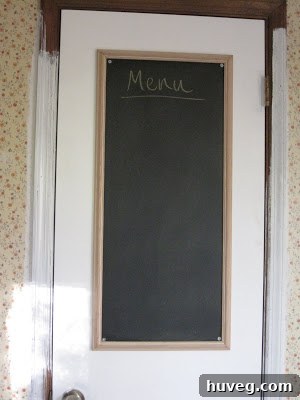
Once your chalkboard surface and the door itself are completely dry and cured (which can take up to 3 days for some chalkboard paints before initial use), it’s time to assemble. Carefully place your painted MDF board into the frame. Then, using strong construction adhesive or wood glue, attach the frame, with the chalkboard insert, directly to the pantry door. Apply glue to the back of the frame, press it firmly onto the door in the desired position, and hold it in place until the adhesive sets. For extra security, you could add small screws from the back of the door into the frame, ensuring they don’t protrude through. If you previously removed the door, rehang it carefully, ensuring the hinges are properly aligned. Take a step back and admire your handiwork!
Step 7: Seasoning and Styling Your New Chalkboard
Before you start writing your first message, it’s crucial to “season” your new chalkboard. This simple step prevents ghosting (where past writings remain faintly visible) and ensures your chalk erases cleanly in the future. To season your chalkboard: take a piece of chalk, lay it on its side, and rub it lightly over the entire surface of the chalkboard. Cover every inch. Then, use a dry cloth or eraser to wipe it clean. You should see a faint haze, indicating it’s properly seasoned. Now, your chalkboard is ready for action!
Beyond seasoning, this is where you can truly personalize your pantry door. Consider:
- Stenciling: Use stencils to add decorative borders, permanent titles like “Grocery List” or “Weekly Menu,” or even intricate artwork.
- Chalk Markers: For vibrant, less dusty designs that are still erasable.
- Hand-drawn Art: Let your inner artist shine with freehand drawings or elegant calligraphy.
- Magnetic Accessories: If you used magnetic primer, add decorative magnets to hold shopping coupons or small notes.
Step 8: Celebrate Your DIY Achievement!
As with any successful DIY project, the final step is to celebrate your accomplishment! There’s immense satisfaction in creating something beautiful and functional with your own hands. Treat yourself to a well-deserved break – perhaps a celebratory beverage. If you happen to have a dedicated beer fridge like mine, even better! Cheers to your newly transformed pantry door and the countless organized, creative moments it will bring!
Beyond the Pantry: Exploring Other Chalkboard and Specialty Paint Ideas
Once you start incorporating chalkboard paint into your home, it’s hard to stop! The versatility and charm it adds are truly addictive. I constantly find myself brainstorming new ways to integrate this and other multi-functional paint products into various spaces. The possibilities are virtually endless:
- Kids’ Playroom Walls: Imagine an entire wall dedicated to drawing and creative expression, easily wiped clean.
- Home Office: A chalkboard panel for brainstorming, to-do lists, or motivational quotes.
- Craft Room: Label bins, organize supplies, or outline project steps on a dedicated chalkboard surface.
- Entryway Organizer: A small framed chalkboard for quick reminders before heading out the door.
- Tabletops or Planters: Apply chalkboard paint to a tabletop for an interactive surface or to plant pots for easily changeable labels.
- Accent Walls: A full chalkboard accent wall can be a dramatic and highly functional design statement in a kitchen or dining area.
My next venture might just be trying dry-erase paint for Scott’s office. The idea of a sleek, white surface that functions just like a whiteboard is incredibly appealing for a workspace. Have you ventured into any of these “specialty” paint projects? Which types of multi-functional paints have you found yourself hooked on? Share your experiences and inspire others to transform their spaces!
Embrace the DIY Journey and Enjoy Your Home!
This pantry door chalkboard project is more than just a renovation; it’s an invitation to inject personality, organization, and a touch of handmade charm into your home. It’s a testament to the fact that with a little creativity and effort, you can achieve significant transformations without a hefty budget. Enjoy the process, revel in the outcome, and savor the unique character your DIY spirit brings to your living space.