Double Your Hedge, Halve Your Spending

Double Your Hedge for Half the Price: A Clever Boxwood Splitting Secret
Embarking on a significant landscaping project often comes with an equally significant price tag. Transforming your outdoor space, especially when it involves creating privacy or defining boundaries with a lush hedge, can quickly deplete your budget. But what if there was a simple, ingenious trick to cut your plant costs in half? Today, I’m thrilled to share a gardening secret that felt like a wild gamble but turned out to be an astounding success: splitting boxwood shrubs to effectively double your plant count for free!
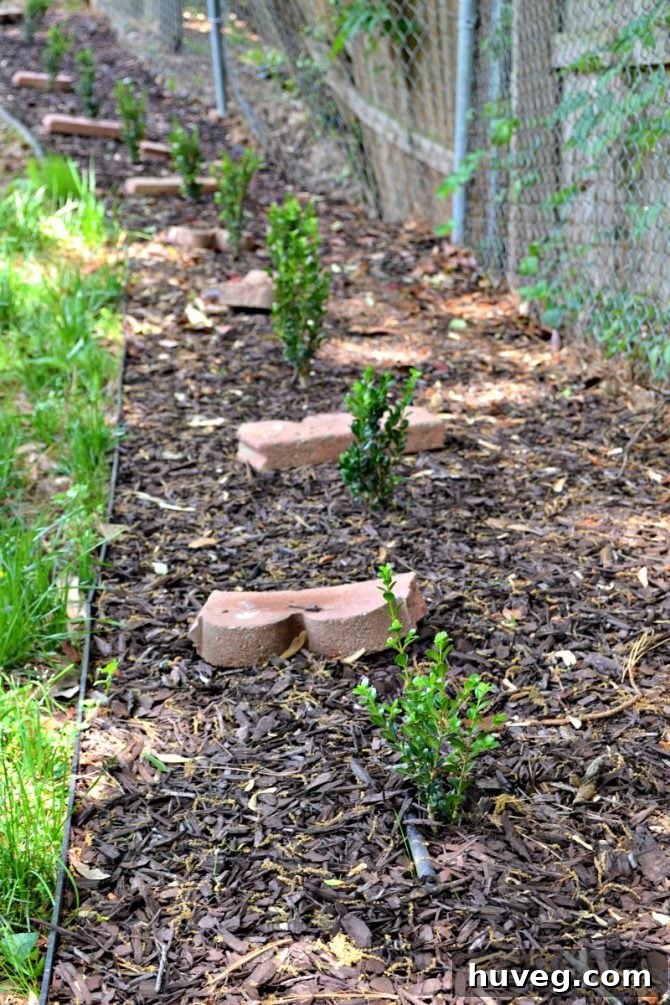
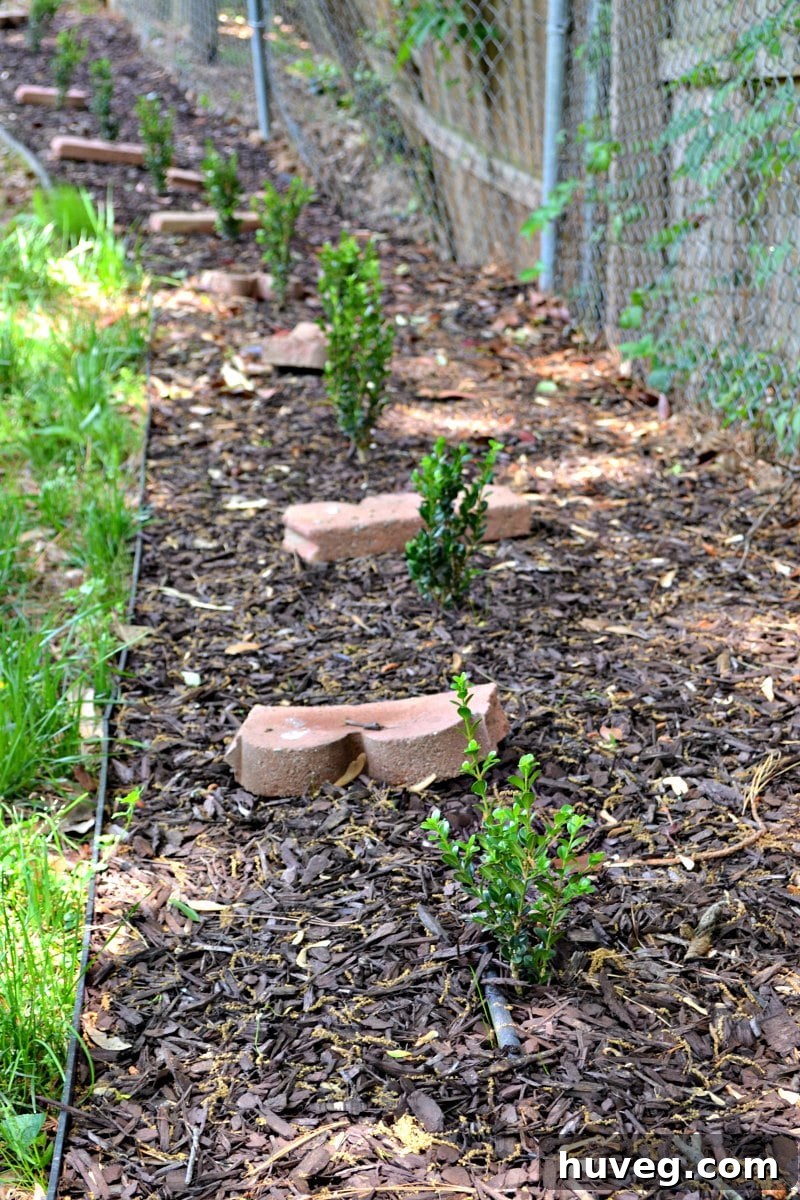
I must admit, when I first conceived this idea, I was convinced I was setting myself up for a monumental gardening failure. However, after patiently waiting for new growth to emerge and seeing my new hedge thrive, I can confidently declare this DIY hack a resounding success. This game-changing method allowed me to plant fourteen boxwood shrubs along my backyard fence line, all while only paying for seven!
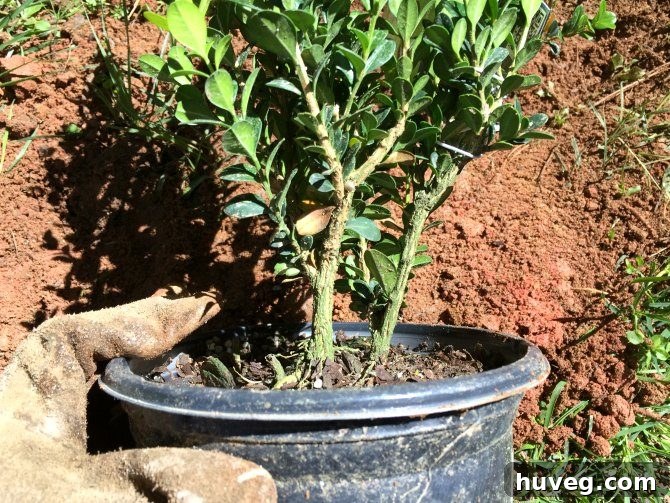
The core of this budget-friendly trick lies in a simple observation: many nursery-potted boxwood plants, particularly the more common varieties found at big box stores, often contain two distinct stems growing from a single pot. This isn’t usually due to intentional cultivation for splitting, but rather multiple seeds germinating or smaller cuttings being planted together for a fuller initial appearance. By carefully separating these two stems, you can essentially create two healthy plants from one purchased unit, instantly doubling your landscaping power and saving a significant amount of money.
*Note: Some links in this article are affiliate links, which means I may earn a small commission if you make a purchase through them, at no extra cost to you. This helps support the content I provide.*
Why a Living Hedge Was the Perfect Solution for My Backyard
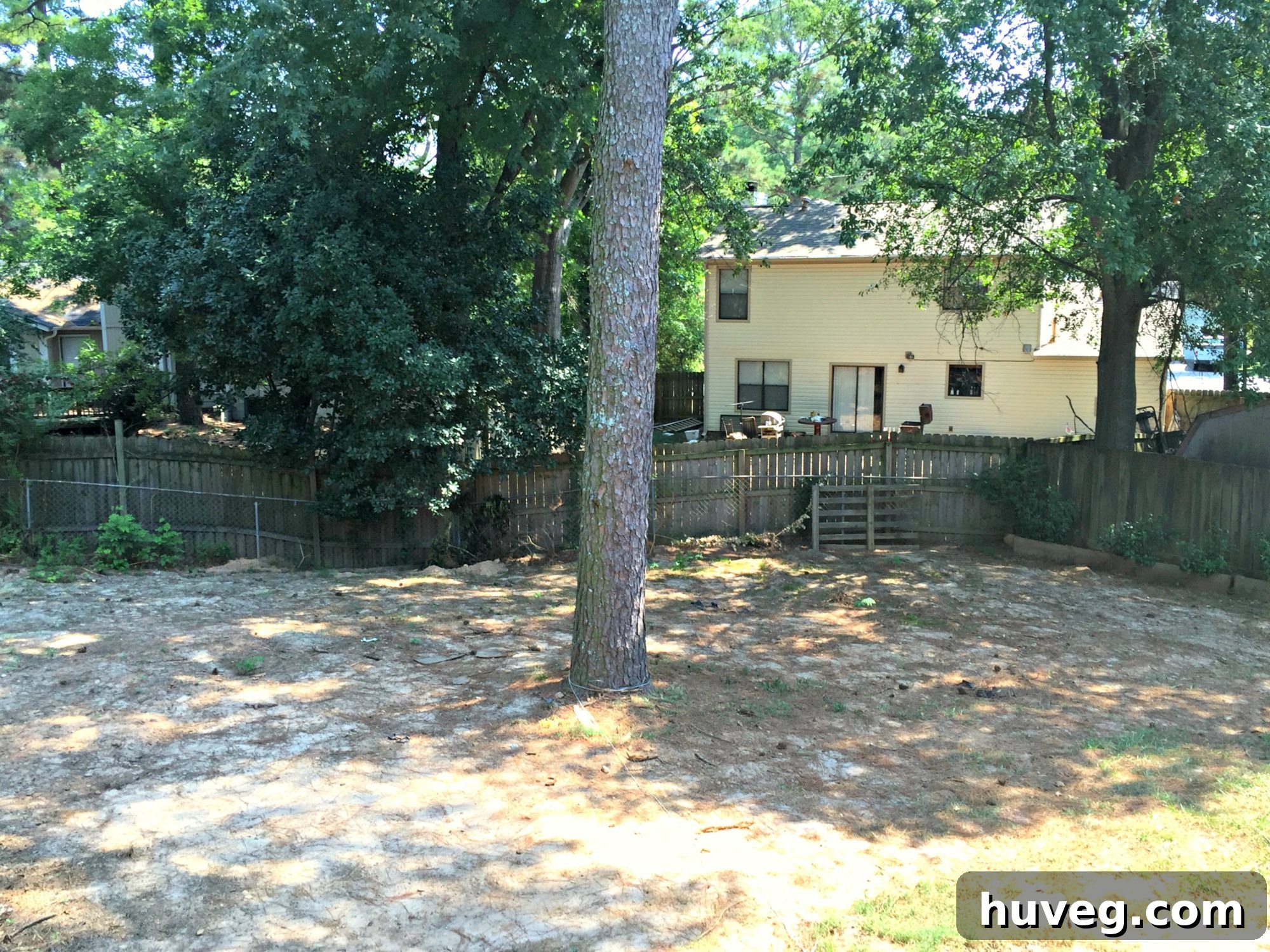
My motivation for establishing a new hedge line was multifaceted. My property’s unique layout meant I shared boundaries with four different neighbors, resulting in a rather haphazard collection of fences surrounding my yard on three sides. Some fences presented their “ugly” utilitarian side towards me, while others offered the more aesthetically pleasing face. While erecting my own uniform fence was an option – and something I’ve slowly been working on – completing such a large project is both incredibly time-consuming and expensive. Given the extensive list of other exterior and interior home projects currently underway, a full fence replacement wasn’t feasible in the immediate future.
Furthermore, two sides of my yard feature an existing chain-link fence. While not visually appealing, it serves a crucial purpose: containing “Charlie The Escape Artist” (my beloved dog) and other visiting canine companions. Removing it immediately wasn’t an option. Planting a dense line of shrubs along the longest stretch of my yard provided an elegant, growing solution. This living barrier will gradually mature into a beautiful, natural division that effectively screens the disparate neighbor fences and my own chain-link eyesore, all while I can focus on more pressing home improvements. It’s a long-term vision, certainly, but patience is a virtue often rewarded in the world of home and garden.
Choosing the Right Plant: The Versatile Boxwood
When I began my search for suitable hedge shrubs, my priorities were clear: affordability and hardiness. With spring sales in full swing, I was fortunate to discover common boxwood plants at a local big box store for an incredible $5 each. While boxwoods might not be the most flamboyant plants in a garden, their strengths lie in their reliability and functionality. They are evergreen, providing year-round interest, and when healthy, boast a decent growth rate, making them ideal for creating dense, formal or informal hedges.
One of their greatest advantages for this particular project is their ability to grow seamlessly into each other with minimal fuss. They tolerate a certain level of “neglect,” which, let’s be honest, is a reality during busy periods of home renovation. It was during this shopping trip that I noticed a common trait: many of these inexpensive boxwood pots contained two distinct stems rather than a single plant. This observation sparked the “could I split them?” thought, a question that ultimately led to this successful experiment.
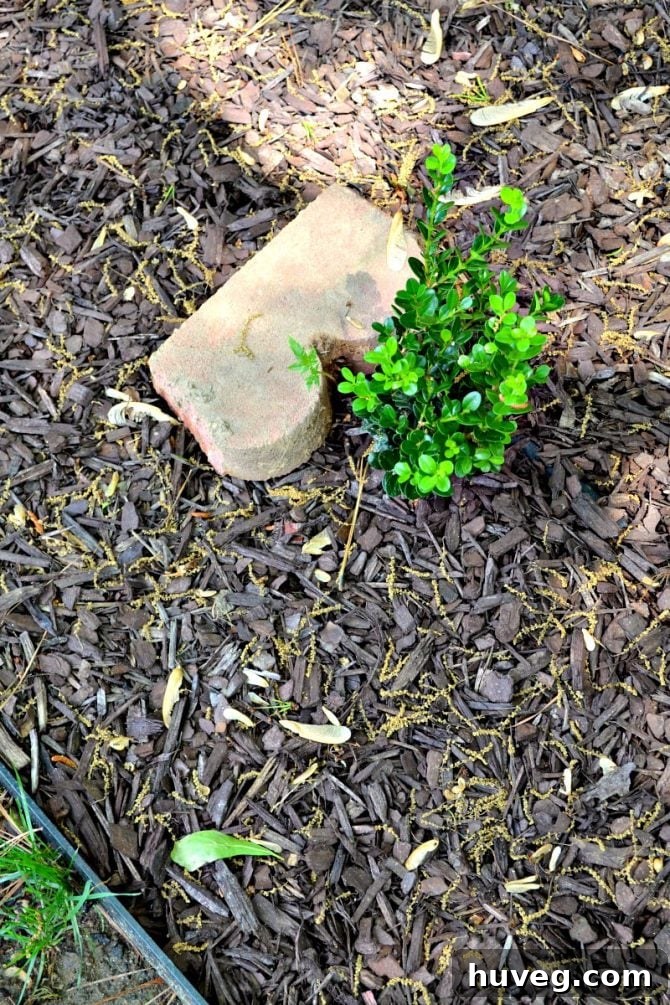
Having a history of embracing DIY gambles (some more successful than others!), I decided to put my theory to the test. The goal was simple: determine if this plant-splitting technique was a viable, cost-effective strategy for fellow home and garden enthusiasts. And the answer, as evidenced by my thriving new hedge, is a resounding yes!
Essential Tools and Materials for Your Boxwood Hedge Project
Before diving into the planting process, gathering the right tools and materials is crucial for a smooth and successful project. Here’s what I used:
- Boxwood Plants: Select plants with at least two distinct stems emerging from the soil in the same pot.
- Heavy-Duty Utility Knife: Essential for making clean, precise cuts through dense root balls. A sharp blade is key to minimizing damage. This one’s my favorite and incredibly durable.
- Small Garden Shovel or Hand Trowel: Useful for gently separating root balls and digging planting holes. Consider buying a set like this for better value.
- Slow-Release Fertilizer: Provides a steady supply of nutrients to help new plants establish without burning their roots.
- Landscaping Fabric: A vital component for weed suppression and moisture retention along the hedge line.
- Flexible, No-Dig Landscape Edging: Creates a neat border for your hedge and helps contain the mulch.
- Root Growth Hormone: A secret weapon that significantly aids root development and reduces transplant shock, giving your split plants the best possible start.
- Mulch: A generous layer of mulch is essential for moisture retention, temperature regulation, and further weed control.
- Drip Hose or Soaker Hose: An efficient way to deliver consistent moisture directly to the root zone, particularly important for newly planted shrubs.
Step-by-Step Guide to Planting Your Budget-Friendly Boxwood Hedge
The process itself is straightforward, but careful attention to detail will ensure your new hedge gets the best possible start. My aim was to create a resilient, low-maintenance hedge, and these steps reflect that goal.
1. Prepare the Hedge Line with Fabric and Edging
I began by laying down a continuous line of landscaping fabric along the intended hedge path. This fabric is incredibly effective at suppressing weeds, which is crucial for reducing future maintenance. Overlapping the fabric slightly and securing it with landscaping staples (not listed above but highly recommended) ensures it stays in place. Next, I installed flexible no-dig landscape edging just beyond the fabric. This not only creates a clean, defined border for the hedge bed but also helps to contain the layer of mulch I would add later, keeping everything looking tidy and preventing mulch from spreading into the lawn.
2. Spacing, Digging, and the Art of Splitting
With the bed prepared, I spaced out where each plant would go, ensuring adequate room for future growth while still achieving a dense hedge. Then, I dug the individual planting holes. The critical step came next: splitting each boxwood plant. I carefully removed a plant from its nursery pot and gently loosened the root ball. Identifying the natural division between the two main stems was usually clear. Using a combination of a small garden shovel and my sharp utility knife, I made a clean cut right down the middle, separating the two root masses. The goal here is a clean incision rather than tearing, which minimizes trauma to the roots and improves the chances of successful establishment for both new plants.
3. Root Growth Hormone and Planting
This is where my new favorite secret weapon comes into play: root growth hormone. This remarkable product significantly boosts root development and helps plants overcome the shock of transplanting. After splitting, I lightly sprinkled the hormone powder directly onto the exposed, shredded ends of the roots of each newly separated plant. This provides immediate assistance to the damaged root systems. Then, I promptly placed each split plant into its prepared hole, ensuring the top of the root ball was level with the surrounding soil. Fortunately, the soil in this back area benefited from a previous fill-in project, ensuring excellent drainage and eliminating concerns about poor soil quality.
4. Mulching, Fertilizing, and Consistent Watering
Once all the plants were in the ground, I generously covered the entire hedge line with a thick layer of mulch. Mulch is invaluable for retaining soil moisture, regulating soil temperature, and further suppressing weeds. On top of the mulch, I sprinkled some slow-release fertilizer, providing a steady supply of nutrients as the plants established. Finally, I laid down a soaker hose (also known as a drip hose) along the entire length of the hedge. This specialized hose, with its numerous small holes, delivers water directly to the root zone, ensuring consistent hydration without excessive runoff or increasing my manual watering workload. New plants require regular watering, and this automated system is a lifesaver.
5. Securing the Soaker Hose for Optimal Performance
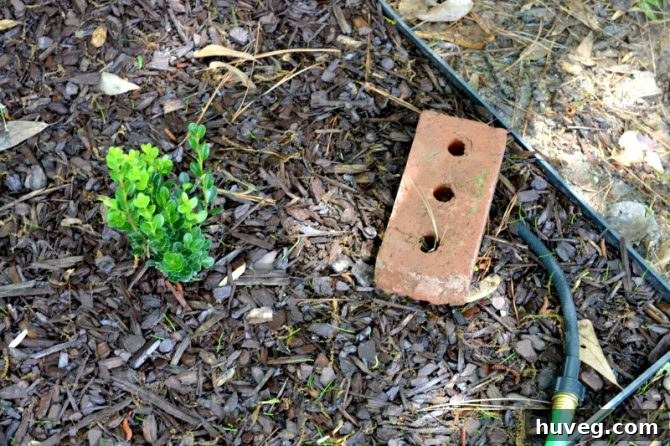
Soaker hoses often arrive coiled and can be prone to kinking or shifting, especially before the plants are fully established. To ensure my hose stayed in place and delivered water evenly, I weighted it down using spare landscape edging pieces and bricks I had salvaged from previous tree removal projects. The mulch alone wasn’t heavy enough to prevent movement. While this temporary solution worked well, I plan to eventually replace these weights with discreet landscaping staples, which will keep the hose securely low-profile and nearly invisible.
The Rewards: A Thriving Hedge and Future Plans
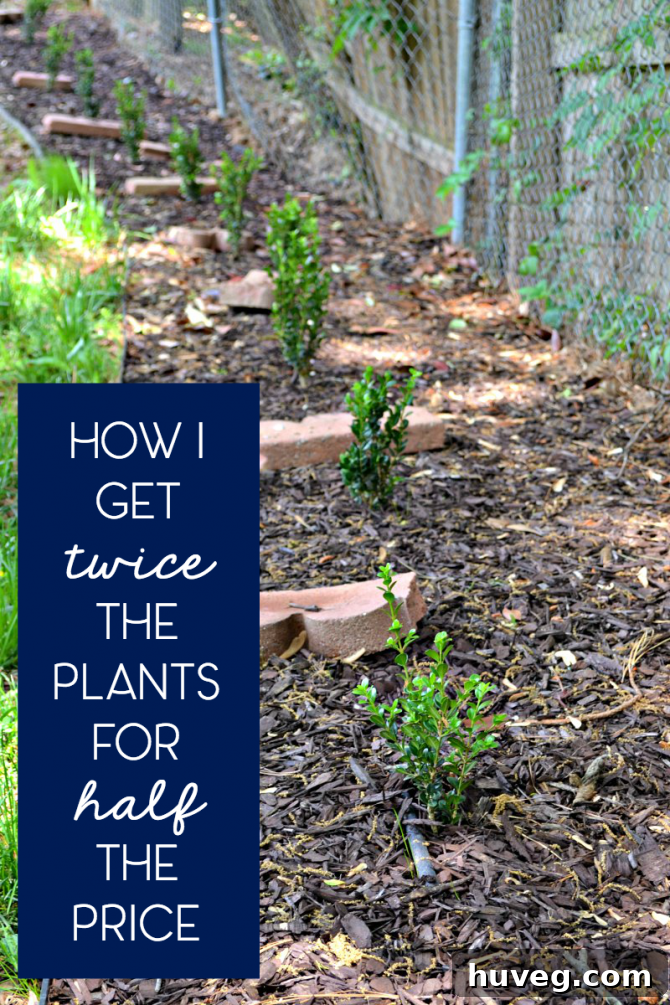
And there you have it – my tried-and-true method for getting twice the hedge plants for half the price! Thanks to the consistent moisture from the drip line and some timely spring rains, the boxwoods have been sprouting abundant new growth and appear exceptionally healthy. They’re even tolerating Charlie’s regular patrols around the perimeter – it seems she quite enjoys the feel of fresh mulch under her paws!
While it will undoubtedly take several years for these boxwoods to reach their full height and provide complete privacy, this project has laid a beautiful foundation. In the interim, I can confidently proceed with other outdoor projects, knowing that a vibrant, growing barrier is already in place. This includes plans to remove the unsightly chain-link fence, construct a new shed, and tackle the myriad of other tasks on my ever-expanding home improvement list. This successful hedge project is a testament to the power of a little ingenuity and a willingness to try something new, proving that beautiful landscaping doesn’t always have to break the bank.
Oh, and that expanse of lush green grass you might have noticed to the left in the photo above? That’s another recent success story, and I’ll be sharing all the details on that transformation very soon!