Layered Plywood Plant Towers

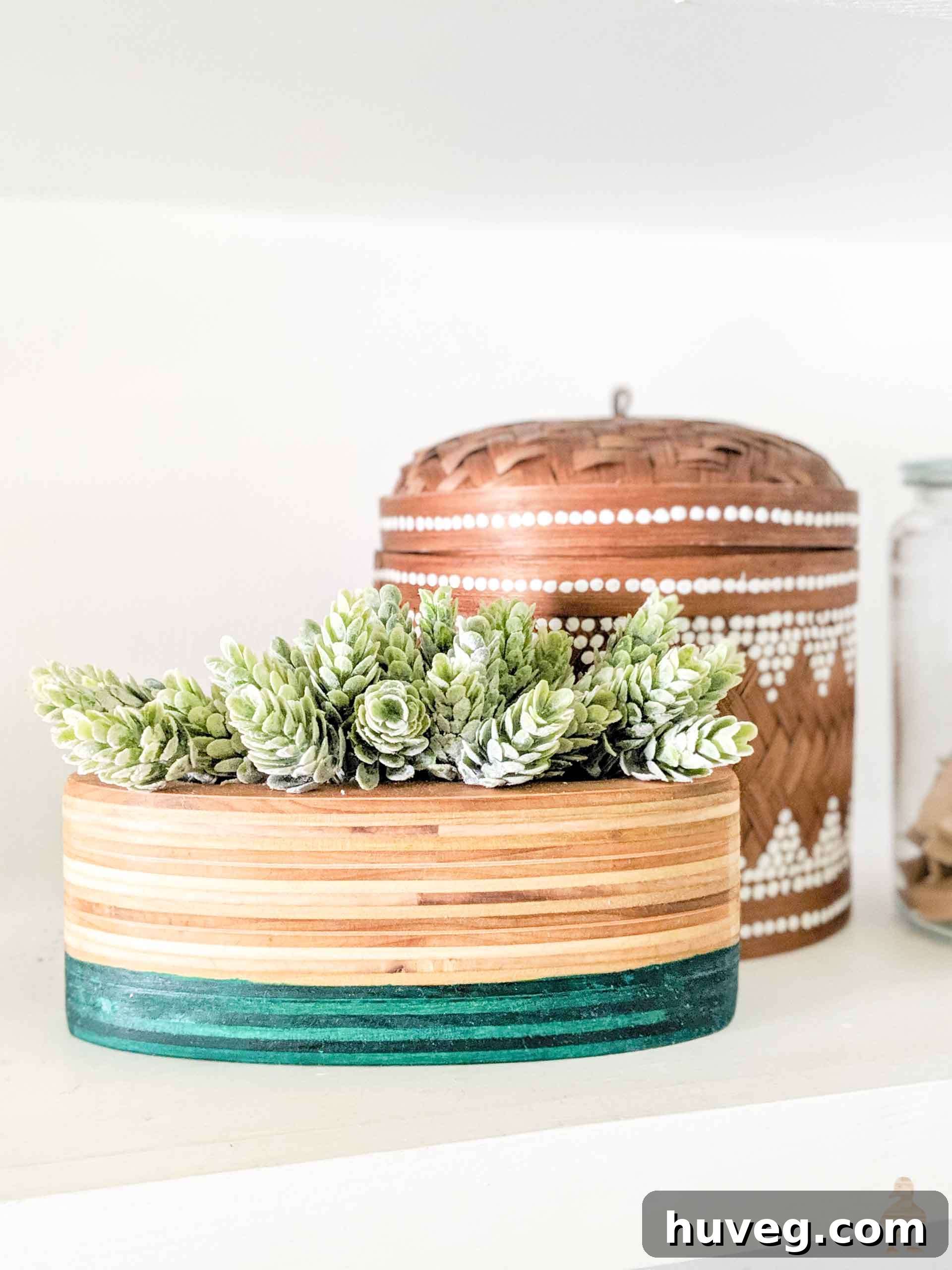
Transforming leftover pieces of thick plywood into stunning home decor is not only satisfying but also an eco-friendly approach to woodworking. This comprehensive guide will walk you through creating a unique dip-dye stacked plywood planter, an ideal project for both seasoned crafters and beginner woodworkers alike. Not only is it a fantastic way to utilize materials that might otherwise go to waste, but the finished planter also makes for a thoughtful, handmade gift. This summer, as my scrap wood pile grew significantly from various outdoor chair projects, I sought a creative outlet for these materials, leading to the development of these stylish oval-shaped planters. The addition of a vibrant color to the base truly makes them stand out and adds a modern touch. Below, you’ll find a detailed step-by-step tutorial to help you bring your own version of this captivating planter to life.
Crafting Your Own Dip-Dyed Stacked Plywood Planter: A Step-by-Step Guide
Embark on a rewarding DIY journey with this project that combines practicality with artistic flair. Utilizing readily available tools and materials, you can create a piece that perfectly complements your home or garden.
Materials Required:
- 3/4″ thick plywood pieces (thinner plywood can also be used, though it will require more layers for the desired height)
- Silicone glue brush (excellent for even glue spread)
- High-quality wood glue
- Pencil for marking
- Wood clamps (essential for strong bonds)
- Miter saw (for initial cuts)
- Belt sander (highly recommended for shaping, or alternatives like an orbital sander)
- Sanding sponges (for fine finishing)
- Painter’s tape (for achieving a crisp dye line)
- Folk Art Ultra Dye in Tantalizing Teal (or your preferred wood dye/stain)
- Garden Seal (for waterproofing the interior)
- Drill press (for precise holes, a hand drill can be used with care)
- 1-5/8″ Forstner drill bit (ideal for creating flat-bottomed holes)
- Maker Brand Simple Finish with Wax Sealer (for exterior protection and enhancement)
- Assorted faux succulents (or your choice of live plants)
Watch the DIY Video Tutorial:
For a visual guide to each step, check out the accompanying video. It provides real-time demonstrations of the techniques discussed in this tutorial, helping you understand the process more clearly.
You can find the video titled “DIY Stacked Plywood Planters” which was uploaded on July 8, 2019. It provides a visual demonstration of the entire process.
Enjoying the content? Don’t miss out on future DIY projects and tutorials!
Follow Me on Youtube
help me reach 25k!
1. Preparing Your Plywood: Cutting Multiple Pieces to Size
The initial step involves gathering your 3/4-inch plywood scraps. The beauty of this project lies in its rustic charm, so there’s no need for absolute perfection in this stage. Simply cut several pieces of plywood that are roughly the same size. This allows for a more organic and less rigid final shape, celebrating the natural variations of scrap wood. Aim for pieces that are adequately large to accommodate the desired dimensions of your finished planter. The more pieces you stack, the taller your planter will be, offering flexibility in design. This step is about laying the foundation for your stacked plywood masterpiece.
2. The Art of Adhesion: Gluing and Clamping Your Stack
Once your plywood pieces are cut, it’s time to bring them together. Apply a generous, even layer of wood glue between each piece. I highly recommend using a silicone glue brush for this step, as it helps spread the glue efficiently and prevents excess mess, much like a pastry brush. Ensuring an even spread across the entire surface of each layer is crucial for a strong, lasting bond. After applying glue, carefully stack all four pieces (or more, depending on your desired height) and secure them tightly with clamps. Adequate clamping pressure is vital for squeezing out air pockets and ensuring maximum contact between the layers. Allow the glued stack to dry completely for at least 24 hours to achieve optimal strength. Patience here pays off, resulting in a solid, unified block of wood ready for shaping.
3. Shaping the Vision: Tracing and Removing Excess Material
This stage is where your planter truly begins to take shape. Ideally, a bandsaw would make quick work of cutting out the entire stacked planter in one go, offering smooth, precise curves. However, not everyone has access to such specialized tools. A jigsaw might be too shallow for the full thickness, and a scroll saw, while precise, is often better suited for more delicate, individual layers. But don’t let tool limitations deter you; embracing creative workarounds is a hallmark of DIY. I began by measuring the length and width of my glued-up block to determine the maximum possible size for my planter. Using a design program like Photoshop, I created an ellipse template matching these dimensions and printed it. You can often find similar templates in woodworking plan libraries online, or even freehand a shape if you feel confident. After cutting out the paper template, I traced it onto the top layer of the plywood stack. With my miter saw, I carefully cut off as much of the excess material as possible, focusing on eliminating the sharp corners to rough out the oval shape. This initial rough cut significantly reduces the amount of sanding required later and sets the stage for finer shaping.
4. Refining the Form: Sanding and Shaping the Sides
With the rough cuts complete, the next step is to achieve the smooth, curved profile of your planter. Since a bandsaw wasn’t an option for me, my belt sander became the hero of this stage. A relatively recent addition to my workshop, a belt sander equipped with a coarse-grit belt can rapidly transform a square edge into a graceful curve. This technique is similar to how I’ve tackled other projects, like my DIY jewelry organizer, where precise shaping is key. As I worked, I made frequent checks against my traced template, ensuring that I was consistently grinding the edges down to form a perfect ellipse. This iterative process of sanding and checking is crucial for maintaining symmetry and achieving the desired shape. For those without a belt sander, an orbital sander with coarser grits, followed by finer ones, can also achieve similar results, though it may require more time and patience.
5. The Finishing Touch: Rounding Corners and Final Sanding
Once the primary oval shape was established, I focused on adding a professional polish to the edges. This involved gently rolling the corners on both the top and bottom of the planter in one smooth, continuous motion. This subtle rounding of the edges not only enhances the aesthetic appeal but also provides a more comfortable, tactile feel to the planter. Following this, I moved to finer sanding. Using sanding sponges, I progressed through medium and then fine grits to achieve a silky-smooth exterior finish. A helpful tip for ensuring even sanding: lightly mark the entire surface with pencil lines. As you sand, these pencil marks will disappear, indicating the areas you’ve thoroughly smoothed. This simple trick ensures no spots are missed, leading to a consistently refined surface.
6. Preparing for Greenery: Drilling the Plant Cavity
With the exterior of the planter perfected, attention turned to creating the internal cavity for your plants. To locate the center for drilling, I simply eyeballed the middle using a birthday card as a guide and drew a reference line. This impromptu method often works surprisingly well for scrap wood projects where absolute precision isn’t the primary goal. Using a Forstner bit on my drill press, I proceeded to drill multiple overlapping holes into the base. The Forstner bit is excellent for creating flat-bottomed holes, which is ideal for a planter. It was essential to be careful not to drill too far down, ensuring the planter retained a solid bottom to hold soil or faux plant inserts. I wasn’t overly concerned with making the inside look perfectly pristine, as the plants themselves would ultimately conceal any minor imperfections. Reflecting on the process, a more “perfect” approach might have involved drilling and cutting out the holes in the top few plywood layers with a scroll saw before the final glue-up. Alternatively, drilling individual holes for distinct plants rather than a continuous cavity could also simplify this step. However, the nature of scrap wood projects often involves adapting on the fly and embracing creative problem-solving when initial plans encounter limitations.
7. Adding a Splash of Color: Taping and Applying Dye
The “dip-dye” effect is what gives this planter its distinctive charm. To achieve this, I carefully applied painter’s tape along a single layer line at the bottom of the planter. Plywood’s distinct layers make it easy to follow a natural guideline, which is a significant advantage for this technique. Unlike solid wood, plywood’s layered construction limits the bleed-through of dye, allowing for a much cleaner and more controlled line. If I had attempted this with a solid block of wood, the dye would likely have wicked into the grain much further, rendering the painter’s tape less effective. Using a small paintbrush, I applied two layers of a vibrant acrylic dye. I chose a “Tantalizing Teal” dye from my craft stash, eager to experiment with colorful wood stains. This project offered the perfect opportunity to see how the dye would interact with the plywood’s grain. While the final layer of dye was still wet, I carefully peeled back the painter’s tape to reveal a (mostly) crisp line. For a truly “hand-painted” look, I then used the same brush to perfect any areas where the line wasn’t as sharp as desired, adding to the unique, perfectly-imperfect aesthetic of the dip-dye.
8. Sealing and Protecting: Applying the Finish
Once the dye was completely dry, the next crucial step was to apply a protective finish. This not only enhances the color and grain of the wood but also ensures the planter’s longevity. For the exterior, I coated the entire piece with Maker Brand Simple Finish, a hardening oil with a wax sealer. This product effectively enriches the wood’s natural tones and provides durable, long-term protection, making it ideal for items that will be handled or displayed. To prepare the interior for plants, especially if you plan to use live ones and soil, proper sealing is essential. I used a product called Garden Seal, which is specifically designed to waterproof and seal wood while being VOC-free and non-toxic to plants. This is a significant advantage, providing peace of mind that your plants will thrive without harmful chemical exposure. While it might be a larger investment for a full gallon, if you anticipate making more planters or similar projects, its benefits are well worth the cost.
9. Bringing it to Life: Adding Your Plants
The final and most enjoyable step is to populate your newly finished planter with plants. This planter was part of a “group build” challenge on Instagram, where a community of woodworking and DIY enthusiasts agreed to complete and post their projects on a specific date. Deadlines, while sometimes challenging, often fuel creativity and productivity. Due to the tight schedule, I opted for some faux succulents borrowed from another planter, which provided an immediate and visually pleasing result for the final photos. The perfectly-imperfect edge created by the dip-dye effect truly shines once the plants are in place, adding a unique character to the piece. Imagine how stunning this would look with a thinned-out black acrylic or crisp white paint for a different aesthetic! I’m already envisioning making a few more for the holidays, coordinating them with a specific color palette for my mantel – plans I’m excited to share soon. Regardless of your plant choice, this planter is sure to be a conversation starter.
I hope you’ve enjoyed this accessible and engaging scrap plywood project! It’s a wonderful example of how discarded materials can be transformed into beautiful, functional decor. For those who share my enthusiasm for maximizing scrap wood, I’ve curated a selection of additional ideas from my archives. I’m continually striving to organize and make my vast collection of DIY projects more accessible, so be sure to explore these inspiring posts below or click the scrap wood link to view the complete list. My passion for scrap projects truly knows no bounds!
P.S. A quick shout-out to a fellow maker: just as I completed these planters, I was reminded of an Instagram account I follow, Little Bare Furniture. Ellen, the talented maker behind it, creates exquisite, perfectly round stacked plywood planters, often incorporating a beautiful blend of plywood and hardwoods. Her work is absolutely gorgeous, and it’s always wonderful to support a fellow female artisan. (Full disclosure: I receive no commission for this mention; I simply believe in celebrating quality craftsmanship and offering alternatives for those who might prefer to purchase a similar handmade item rather than DIY, thereby supporting the vibrant maker community.)
More Scrap Wood Ideas
SEE ALL
Don’t let those cutoffs from bigger woodworking projects and home DIYs go to waste! Here are tons of ideas on how to reuse the scrap — you can make gifts, décor, and more!
-
DIY Carved Hexagon Planter with Plant Stand
-
25 Great Gift Ideas for the Craft Beer Lover
-
How to Build a Better Bee House | Free Plans
-
DIY Bathroom Deodorizer
-
My 15-Minute DIY Hairpin Leg Coffee Table
-
Mini Garden Deck | Scrap Deck Boards Made Useful