Brush Care Hacks That Save You Money

Embarking on home improvement projects can be incredibly rewarding, transforming your living space one brushstroke at a time. However, even the most enthusiastic DIYer knows the common pitfalls: dreading the extensive cleanup, battling stiff, dried-out brushes, or simply losing momentum when a project stretches over several days. Over the years, I’ve honed a personal philosophy focused on efficiency, not just out of necessity due to my height and solo renovation efforts, but primarily driven by a desire to streamline the process and minimize post-project hassle. This approach has led me to discover invaluable shortcuts, from mastering painting straight lines without painter’s tape to developing foolproof strategies for moving heavy furniture. Among these essential hacks, one stands out as a true game-changer: the art of keeping your paint brushes and rollers wet and pliable between uses. It’s a simple technique that can dramatically enhance your painting experience, ensuring your tools are always ready for action and eliminating the tedious chore of intensive cleaning after every single session. This guide will delve into the profound benefits and straightforward methods behind this ingenious approach, designed to keep your projects moving forward effortlessly.
The Undeniable Advantages of Keeping Your Paint Brushes Wet
Adopting the habit of properly storing your wet paint brushes and rollers between painting sessions isn’t just about convenience; it offers a multitude of tangible benefits that impact your project’s timeline, budget, and even your personal well-being. Far from being a mere “lazy” shortcut, it’s a strategic move for any smart DIY enthusiast.
Boost Your Motivation and Conquer Procrastination
Let’s face it: the thought of a massive cleanup after a long day of painting can be a significant deterrent. This dread often leads to procrastination, turning exciting “Before and After” visions into frustrating “Before and Maybe Next Week” realities. When you know you’ll have to spend considerable time cleaning brushes nightly, especially on multi-day projects, it’s easy to find excuses to postpone starting or continuing. The simple act of keeping a wet paintbrush instantly eliminates this mental barrier. Knowing you can pick up where you left off with minimal fuss creates a powerful sense of “now-ness” and urgency. This eliminates the “cleanup dread” and keeps your motivation levels high, pushing you closer to the finish line without unnecessary delays. It ensures your project maintains momentum, preventing the common trap of allowing cleanup anxiety to overshadow the joy of creation.
Significant Savings: Money, Water, and Resources
While I may not always be the most ardent “green” blogger, I am undeniably a thrifty individual. The economic benefits of properly storing wet brushes are substantial. Firstly, it drastically reduces water consumption. Cleaning multiple brushes thoroughly each night can waste gallons of water, directly impacting your utility bill. Secondly, extending the life of your brushes means fewer replacements. High-quality paint brushes are an investment, and allowing them to dry out and become unusable prematurely is a costly mistake. By keeping them supple and ready, you protect your investment, ensuring your tools perform optimally for many projects to come. This double whammy of water conservation and reduced spending on new tools makes it a genuinely budget-friendly and environmentally conscious practice, appealing to both your wallet and your eco-friendly sensibilities.
Reclaim Your Precious Time and Enhance Your Well-being
Time is a valuable commodity, especially for busy individuals balancing work, family, and hobbies. Imagine finishing your painting for the evening and, instead of dragging everything to the sink for a lengthy cleaning ritual, you can simply wrap your brushes and instantly transition to relaxation. This translates into precious minutes saved – minutes that can be spent with loved ones, enjoying your favorite TV show, or simply getting to bed earlier. An earlier bedtime, as many studies confirm, contributes to a more cheerful and energetic morning, which in turn fuels productivity throughout your day. While my dog Charlie might not grasp the full connection, a happier me in the morning invariably translates into more treats for him when I get home – a win-win for everyone! The cumulative effect of these saved minutes over a multi-day project can be hours, allowing you to dedicate more time to what truly matters.
When you consider these profound benefits – increased motivation, significant financial and environmental savings, and the gift of reclaimed time – it becomes clear that this simple hack isn’t just about preventing a brush from drying out. It’s about optimizing your entire DIY process, making it more enjoyable, efficient, and sustainable. This practically saves the world, one perfectly preserved paint brush at a time!
Essential Supplies to Keep Your Paint Brushes and Rollers Wet:
The beauty of this method lies in its simplicity and the readily available materials required. You likely have most of these items lying around your home already, making it an incredibly accessible and cost-effective solution.
- High-Quality Sandwich Bags: Not all sandwich bags are created equal. I highly recommend opting for brands with a robust, molded plastic closure (the kind that clicks shut) over the slider/zipper varieties. The stronger seal offered by the molded closure is crucial for keeping air out and moisture in, effectively preventing your brushes from drying out.
- Plastic Wrap (Cling Film): Standard kitchen plastic wrap is perfect for this task. Its self-adhering properties are essential for creating an airtight seal around brushes and especially rollers, conforming to irregular shapes with ease.
- Tape (Optional): While often not strictly necessary, a roll of painter’s tape or even masking tape can be a handy addition. It can provide an extra layer of security, especially for long-handled brushes or if you anticipate storing your tools for more than a couple of days. Consider it a backup for ensuring the tightest possible seal.
The Ingenious Sandwich Bag Trick for Paint Brushes
This method is a staple for a reason: it’s incredibly effective and requires minimal effort. Whether you’re using short-handled cutting-in brushes or longer utility brushes, the sandwich bag trick adapts perfectly.
For Short-Handled Brushes (Your Cutting-In Champions):
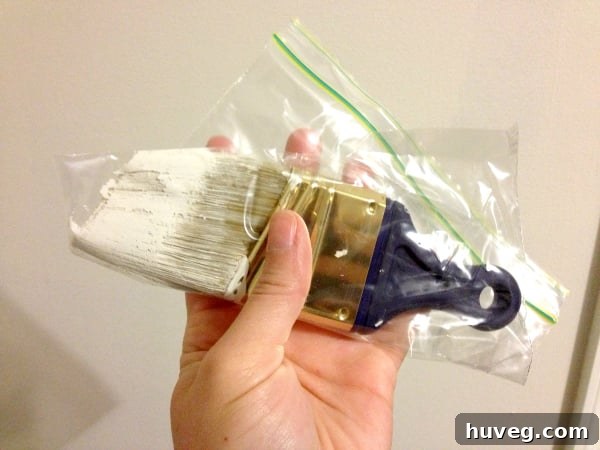
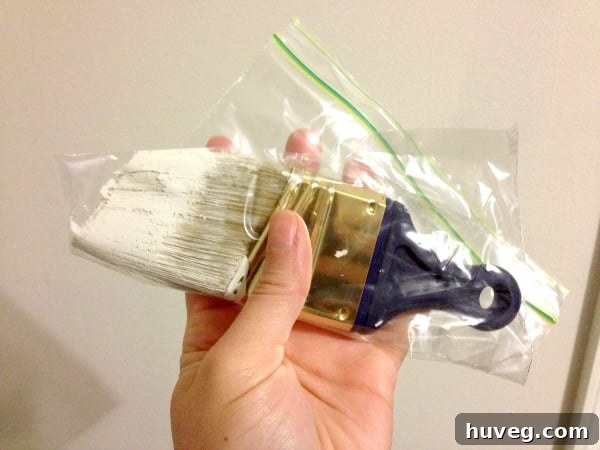
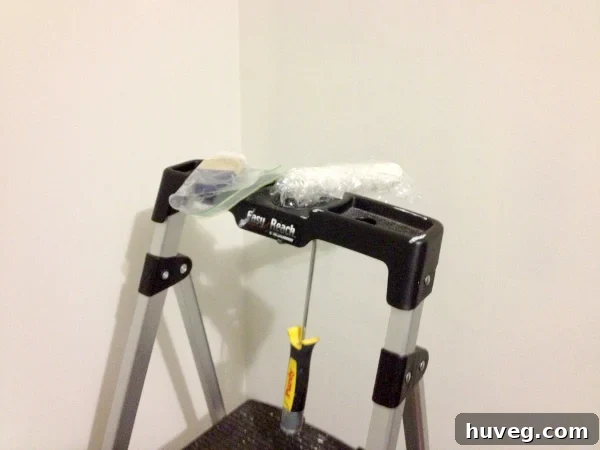
- Insert the Brush: Carefully place your wet brush, bristles first, into a high-quality sandwich bag. For cutting-in work, I swear by short-handled brushes, particularly the Wooster brand with a comfortable rubber grip – I own several! Their compact size makes them ideal for this technique.
- Remove Excess Air: This is a critical step. Once the brush is inside, gently squeeze as much air out of the bag as possible before sealing the closure. The less air trapped inside, the less chance of your paint drying.
- Seal Tightly: Snap the molded plastic closure firmly shut, ensuring a complete seal. Double-check for any gaps.
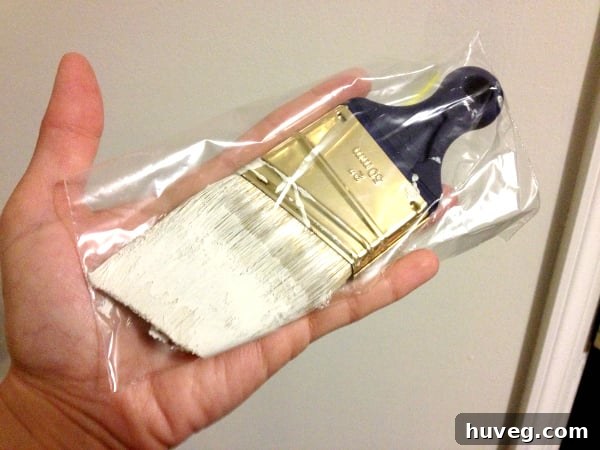
- The “Bread Bag” Wrap: Take any excess plastic material from the bag and wrap it tightly around the handle of the brush. Think of it like you’re trying to replicate the old bread bag twist-tie method – twisting and folding the plastic to create an even more secure, air-resistant barrier.
- Optional Tape Reinforcement: For added peace of mind, or if you plan to store the brush for a few days, you can use a small piece of tape to secure the wrapped excess plastic to the brush handle. However, most of the time, I simply ensure the wrapped end is facing downwards when I lay the brush flat. Gravity then works its magic, keeping the wrap securely in place.
For Long-Handled Brushes (Your Workhorses):
Long-handled brushes require a slight modification to the sandwich bag technique due to their extended reach:
- Prepare the Bag: Snip a small corner off the bottom of the sandwich bag. Make the opening just large enough for the brush handle to pass through.
- Insert and Seal Bristles: Push the brush handle through the snipped hole until the bristles are fully contained within the bag.
- Remove Air and Seal: Again, carefully squeeze out as much air as possible from the bag, then seal the main closure above the bristles.
- Tape the Handle Hole: Crucially, use tape to seal the small hole around the brush handle. This prevents any air from seeping into the bag through that opening, maintaining the airtight environment vital for keeping the bristles wet.
By following these steps, your paint brushes will remain wet, pliable, and ready for your next painting session, sometimes for up to a week, without any dedicated cleaning.
Efficient Storage for Paint Rollers
Storing paint rollers between uses is just as straightforward, perhaps even more so, thanks to the forgiving nature of plastic wrap. There’s no need for complex maneuvers; the goal is simply to create an airtight seal around the loaded roller.
- Wrap Tightly with Plastic Wrap: Take a generous amount of plastic wrap and begin to wrap your paint roller. Start from one end and meticulously cover the entire roller surface, overlapping the wrap repeatedly. The more layers, the better the seal and the longer the roller will stay fresh.
- Handle or No Handle? A common question is whether to remove the roller cover from the handle before wrapping. My personal preference is to leave the roller on the handle. It saves an extra step and makes it easier to pick up and continue painting. However, some DIYers prefer to remove the cover for more compact storage. Both approaches work; choose what suits your workflow.
- Secure the Wrap: Plastic wrap is wonderfully self-adhering, so in most cases, you won’t need tape. Simply press the layers together firmly to create a tight, impenetrable barrier against air. For extra large rollers or if you’re particularly concerned about long-term storage, a bit of tape at the ends won’t hurt, but for regular overnight or multi-day storage, it’s often overkill.
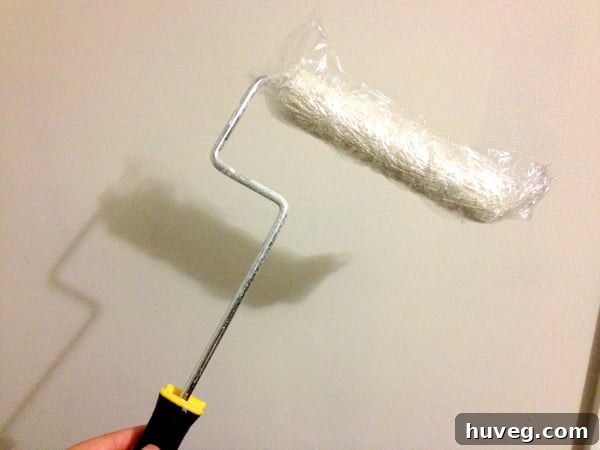
This method ensures your paint roller remains saturated and ready for immediate use, preventing the frustration of hardened paint and wasted materials.
Addressing Alternative Storage Methods: Fridge, Freezer, and More
A quick search online will reveal numerous variations on how to keep paint brushes and rollers wet. Some tutorials suggest elaborate setups, like wrapping rollers in wet towels before plastic, using wax paper, or even storing tools in the refrigerator or freezer. While some methods can be effective, I advocate for simplicity and practicality.
- Wet Towels or Wax Paper: While these can add a layer of moisture or protection, they often fall short of creating a truly airtight seal, which is paramount. Excess moisture from wet towels can also be detrimental if it seeps into the brush ferrule over time, potentially leading to rust or damage.
- Refrigerator or Freezer Storage: This is a popular suggestion, with the idea that the cold will slow down paint drying. However, for water-based paints, freezing can potentially alter the paint’s consistency, making it less effective. More importantly for me, the “out of sight, out of mind” principle often comes into play. If I put my brush anywhere other than directly within my project area, I’m almost guaranteed to forget about it. This means the method, despite its perceived effectiveness, would only serve to help me lose track of my tools and potentially ruin them by forgetting to retrieve them. Furthermore, using a refrigerator or freezer for paint tool storage consumes valuable energy and takes up space that could be used for food.
- Water Immersion: Some suggest leaving brushes in a bucket of water. While this keeps bristles wet, it can damage the brush over time. Soaking a brush for extended periods can weaken the adhesive holding the bristles, cause the wooden handle to swell and crack, or lead to rust on the metal ferrule. It’s a method best avoided for the longevity of your tools.
My own experiences have shown that the simple combination of quality sandwich bags and plastic wrap provides plenty of success, keeping brushes and rollers perfectly wet for up to a week without the need for refrigeration or complex wrapping rituals. It’s about finding the sweet spot between effectiveness and ease of use, ensuring your painting projects remain hassle-free and enjoyable.
Beyond Storage: General Tips for Optimal Paint Brush Care
While mastering the art of keeping your brushes wet between uses is paramount for efficiency, integrating a few other best practices for paint brush care can further extend the life of your tools and ensure superior painting results:
- Pre-Wetting Your Brush: Before dipping a new or freshly cleaned brush into paint, lightly dampen the bristles with water (for water-based paints) or the appropriate solvent (for oil-based paints). This prevents the paint from being absorbed too deeply into the brush, making cleanup much easier when the project is truly finished.
- Don’t Overload Your Brush: Dip only about a third to half of the bristles into the paint. Overloading can lead to drips, messes, and makes the brush harder to clean thoroughly later.
- Gentle Cleaning After Project Completion: Once your entire painting project is complete, take the time to clean your brushes properly. Use warm soapy water for latex paints or mineral spirits/paint thinner for oil-based paints. Work the cleaner through the bristles until all paint residue is gone. Rinse thoroughly.
- Reshape and Dry: After cleaning, gently reshape the bristles to their original form. Hang brushes to dry or lay them flat. Storing them upright in a container while wet can cause water to seep into the ferrule and weaken the glue or damage the handle.
- Long-Term Dry Storage: For long-term storage of clean, dry brushes, consider using a brush keeper or the original packaging. This helps maintain the bristle shape and protects them from dust and damage.
By combining these general brush care tips with the highly effective wet storage methods outlined above, you’ll not only save time and money but also achieve more professional-looking results with tools that remain in excellent condition for years to come.
There you have it – a comprehensive guide to keeping your paint brushes and rollers wet and ready for action. It’s not a revolutionary new method, but sometimes, the simplest solutions are the most effective. This approach minimizes frustration, saves resources, and keeps your DIY momentum strong, transforming daunting projects into manageable, enjoyable tasks. We’ve covered everything from the deep psychological benefits to the practical, step-by-step instructions for various tools, and even explored why this simple technique often surpasses more complicated alternatives.
What are your go-to tips for maintaining painting efficiency? Do you have any unique hacks for storing your tools between coats? Share your wisdom in the comments below – every DIYer can benefit from collective experience!