The Gleaming Kitchen Hub

Transforming Your Kitchen: The Ultimate Guide to Oiling and Installing a Walnut Butcher Block Bar
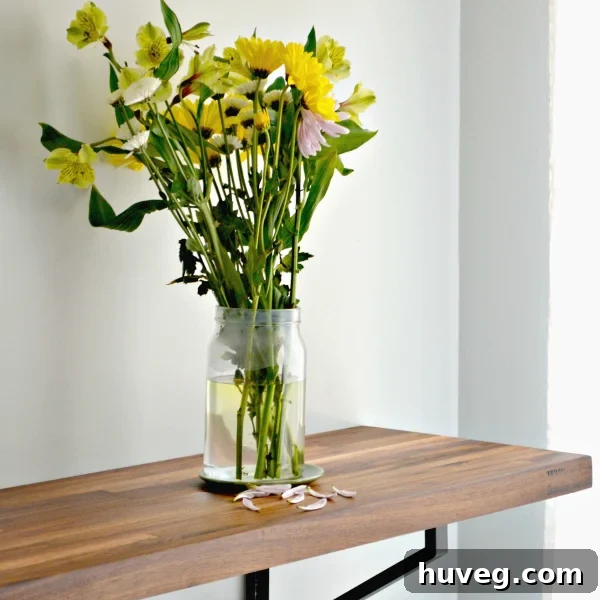
There’s an undeniable magic in witnessing a piece of natural wood undergo a profound transformation. This is particularly true when working with the luxurious richness of walnut butcher block. The journey from its initial raw, dull state to a deeply conditioned, vibrantly oiled surface is nothing short of captivating and immensely satisfying. This comprehensive guide will walk you through every step of creating a stunning, highly functional kitchen bar, emphasizing the critical phases of meticulous preparation and the artistry of wood conditioning to achieve that perfect, long-lasting, and soothing finish.
The Vision: Designing a Stylish and Functional Kitchen Bar for Seamless Living
Our project began with a clear, ambitious vision: to reimagine an underutilized corner of our home by installing a versatile, casual bar-slash-shelf. This new addition was strategically placed against the wall that acts as a natural division between our bustling kitchen and the more formal dining room. The true gem of this endeavor was a substantial, beautiful piece of walnut butcher block – a valuable remnant from our extensive kitchen renovation. Opting for a sleek bar over a traditional, space-consuming dining table was a deliberate design choice, driven by a desire to optimize spatial flow. We aimed to create an inviting, comfortable eating area without impeding the natural movement of people, particularly towards the recently revitalized backyard, which has also been a significant summer project. Ensuring an unobstructed pathway from the sliding glass door was paramount, fostering an open, airy, and effortlessly functional ambiance throughout this central living zone.
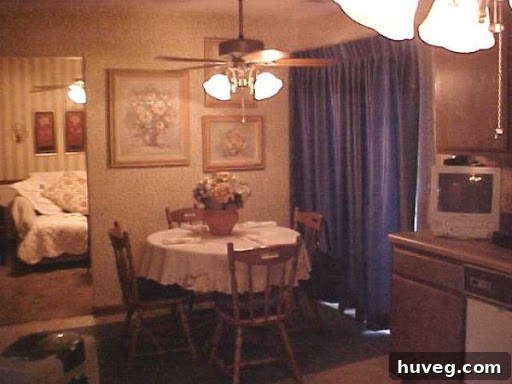
To truly grasp the magnitude of this transformation, it’s beneficial to reflect on the area’s original state. While locating a crystal-clear “before” image from many years prior proved challenging, the following snapshot offers a historical perspective, underscoring the dramatic evolution we envisioned and ultimately achieved. It helps illustrate the blank canvas we started with, ready for a modern update that blends utility with style.
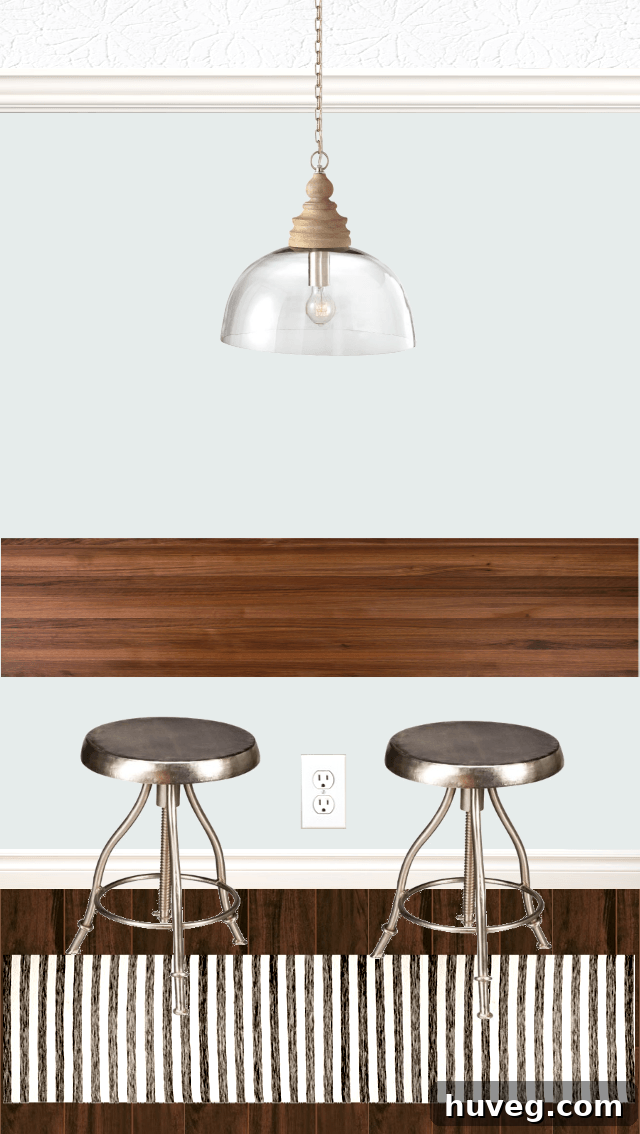
The conceptualization of this versatile space truly began to take shape with an initial design mock-up. This visual aid was instrumental in integrating our vision for the butcher block bar with other key design elements, including the striking knock-off light fixture that we proudly installed earlier in the year. The mock-up allowed us to visualize the cohesive aesthetic and ensure that every component worked in harmony to contribute to the overall design, creating a breakfast nook that is both practical and picturesque.
Crafting the Foundation: Precision Installation and Wood Preparation
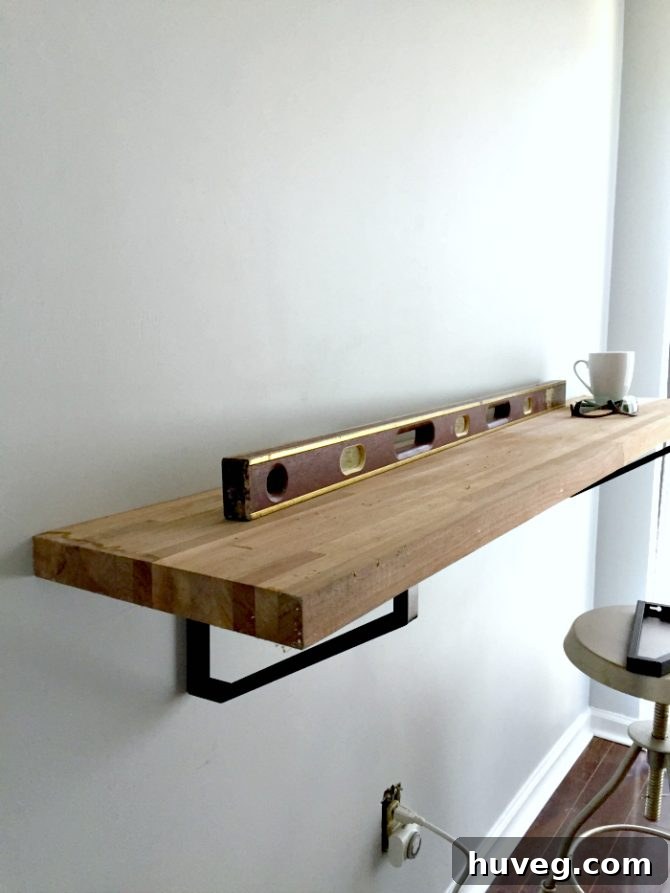
With the design blueprint firmly in hand, the hands-on work commenced. The foundational step involved carefully selecting sturdy yet unobtrusive shelf supports. Our choice fell upon several Ikea shelf supports, which perfectly aligned with our desired minimalist aesthetic. To seamlessly integrate them into our existing color palette, these supports were meticulously spray painted a sleek black, offering a sophisticated visual contrast against the wall. The secure installation of these supports is non-negotiable for any floating fixture, particularly a bar that will regularly bear weight. We diligently located the wall studs and anchored the supports firmly into them, ensuring maximum stability. For scenarios where stud placement is less than ideal, or when working with specialized surfaces like tile, robust alternatives such as heavy-duty wall anchors are indispensable for achieving the necessary structural integrity. Always prioritize safety and secure fastening to guarantee a durable and long-lasting installation.
Next, the spotlight shifted to the star of our project: the exquisite walnut butcher block. This magnificent piece, thoughtfully saved from a previous project, was precisely cut to fit its new home. We reduced its original width by roughly half, achieving a slender 13-inch depth. This custom dimension ensures the bar is perfectly proportionate, offering ample surface area for dining or display without encroaching excessively on the valuable open space. The accuracy of this cut is paramount; it dictates how flush and integrated the bar will appear against the wall, contributing significantly to a polished, built-in aesthetic. Proper measurement and cutting are essential for a professional finish.
Achieving Silky Smoothness: The Art and Importance of Progressive Sanding
Before any protective or enhancing finish could grace its surface, the walnut butcher block demanded meticulous preparation to ensure an impeccably smooth texture. This pre-finishing stage is not merely cosmetic; it is a critical step that fundamentally impacts both the final aesthetic and tactile feel of the wood. We initiated the sanding process with a coarser grit sandpaper, specifically 180-grit, which effectively removed any lingering minor imperfections, subtle saw marks, or general surface roughness from the cutting process. From this initial stage, we progressively moved to finer and finer grits: first 240-grit, and then culminating with an ultra-fine 320-grit sandpaper. This methodical, gradual progression is key; each successive sanding pass refines the wood fibers, creating an incredibly smooth, almost polished surface. This perfectly prepared surface is then ideally primed to absorb the conditioning oil evenly and deeply, ensuring a consistent and rich finish. Furthermore, to introduce a touch of elegance and harmonize the bar’s design with our existing kitchen aesthetic, we carefully routed the edges to a subtle curve. This soft, rounded profile mirrors the edges of our other kitchen counters, adding a cohesive and refined detail to the overall design.
The Choice of Finish: Unlocking Walnut’s Inherent Beauty and Durability
Selecting the appropriate finish for a butcher block surface, especially one intended for use as a functional kitchen bar, is a decision of paramount importance. The chosen finish must not only be durable and food-safe but also possess the inherent ability to profoundly enhance the wood’s natural beauty and protect its integrity. Driven by a natural curiosity to explore new products and as a practical test run (a process many of you might have followed through our Instagram stories), we initially experimented with General Finishes High Performance on the underside of the butcher block. This trial proved invaluable, allowing us to effectively seal a portion of the wood and observe how its grain reacted to an alternative type of sealant. While General Finishes is undoubtedly a highly reputable product, in the context of this specific application, the resulting color depth and overall richness it imparted simply did not achieve the profound warmth and vibrant natural character that we had come to appreciate and expect from our tried-and-true mineral oil and beeswax mixture. For our primary kitchen counters, we had already fallen deeply in love with the exceptional results yielded by this blend, which perfectly accentuated the walnut’s inherent qualities and unique character. Consequently, for the visible and frequently used surface of our new kitchen bar, we confidently returned to what we knew and trusted implicitly: Howard Butcher Block Conditioner.
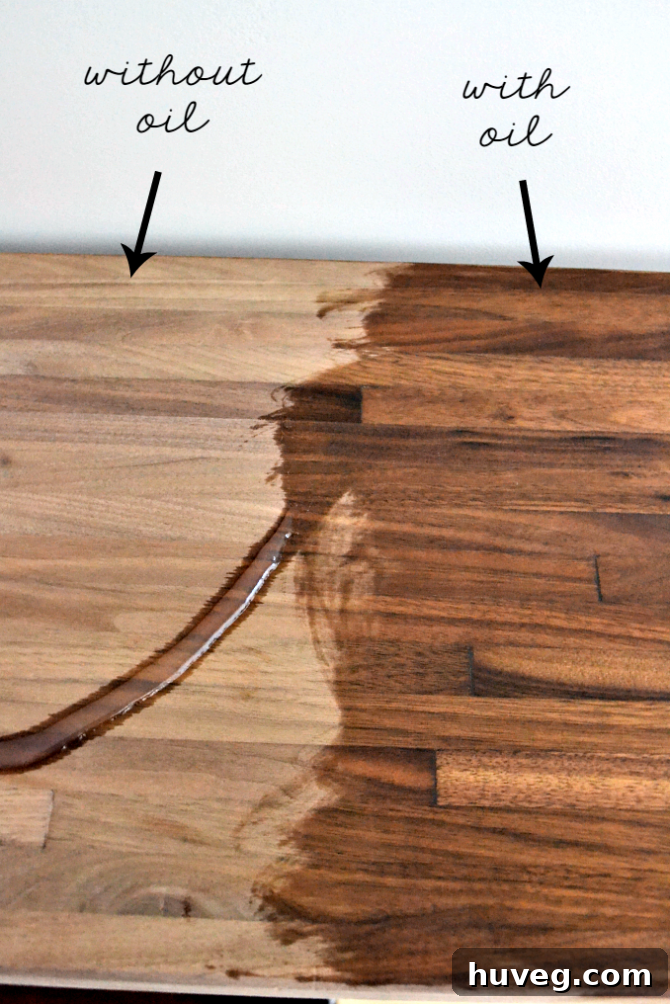
This exceptional conditioner, meticulously formulated as a harmonious blend of food-grade mineral oil and natural waxes (predominantly beeswax and carnauba wax), is expertly designed to do far more than just protect; it deeply nourishes the wood from within. Its unique composition allows it to penetrate deep into the wood fibers, actively preventing them from drying out, cracking, and experiencing unsightly fading over time. Crucially, it possesses an unparalleled ability to draw out and intensely highlight the stunning natural colors and intricate grain patterns characteristic of walnut. This process truly transforms the wood, imbuing it with a noticeably richer, deeper, and more luxurious appearance. The visual contrast between the raw, unfinished wood and the exquisitely conditioned surface is nothing short of remarkable, revealing the wood’s hidden depths and accentuating its inherent, captivating beauty.
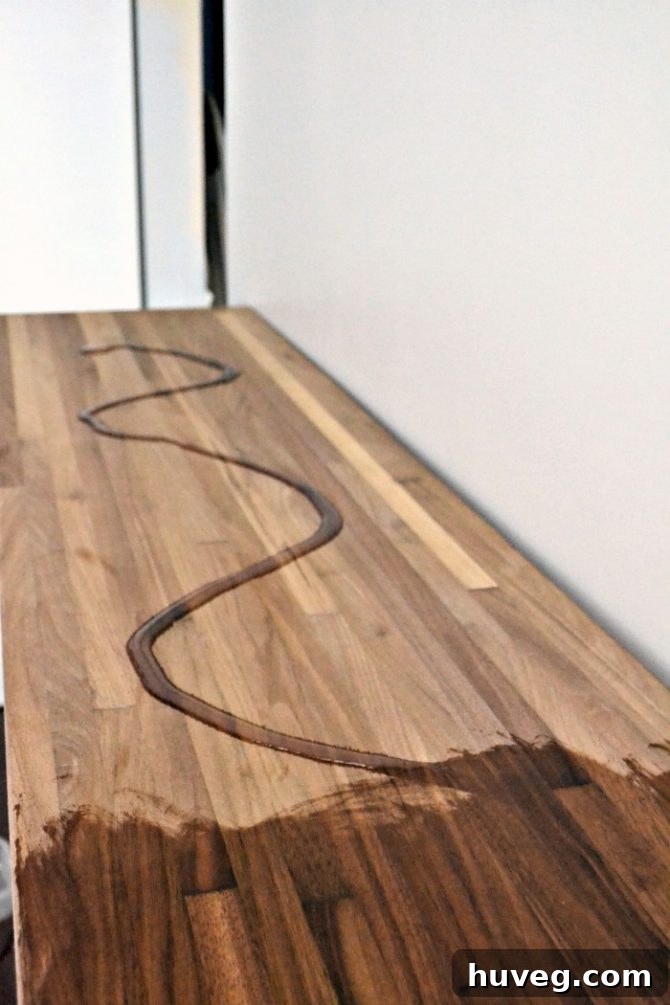
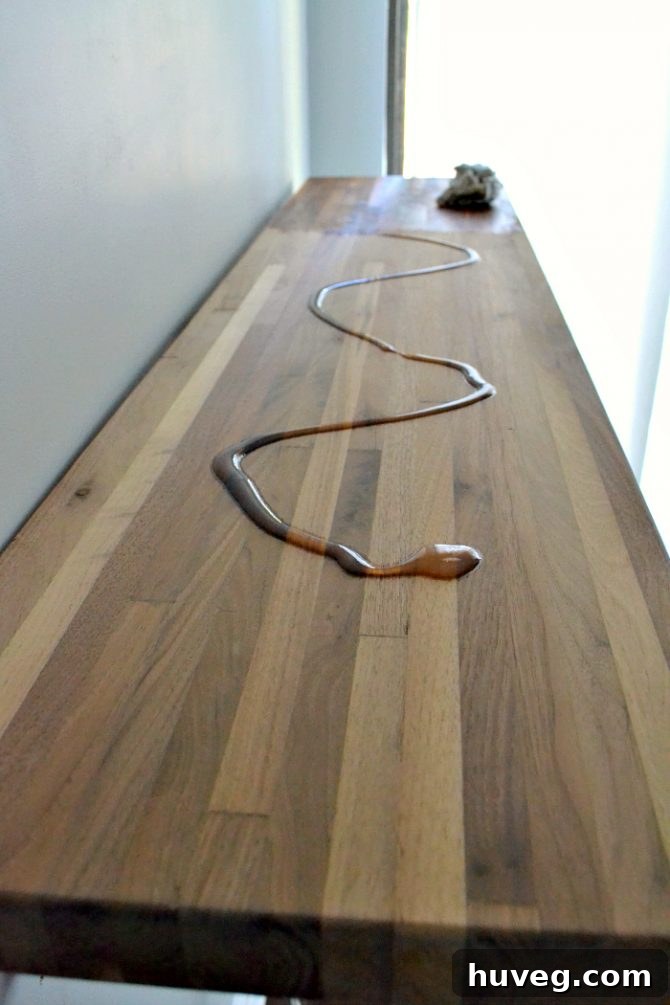
As the rich conditioner gradually soaks into the wood, the transformation is both immediate and profoundly dramatic. The distinct walnut grain, which might have appeared somewhat muted in its raw state, truly springs to life with an incredible depth and razor-sharp definition, proudly showcasing the characteristic swirls, intricate patterns, and natural variations that make each piece of walnut unique. This vivid visual enhancement is, without a doubt, one of the most aesthetically gratifying and satisfying aspects of the entire butcher block oiling process.
The Oiling Process: A Step-by-Step Guide to Deep Nourishment and Lasting Protection
Achieving a deeply conditioned, beautifully protected, and durable butcher block surface is a process that demands both patience and consistent application, especially during the crucial initial stages. Here’s a detailed guide outlining our proven approach:
- Initial Saturation – The Thirsty Wood Phase: For the first several coats, it is absolutely essential to liberally slather the Howard Butcher Block Conditioner onto the entire surface of the walnut. Do not be hesitant with the amount; the wood is naturally thirsty and will readily absorb a significant quantity of the conditioning blend. We discovered that the most effective method was to apply a thick, generous coat in the evening, just before bed. This allows the oil ample time – typically 8 to 12 hours – to deeply penetrate into the wood fibers overnight. This extended absorption period is crucial for the wood to soak up the maximum amount of nourishing mineral oil and protective waxes, establishing a robust foundation.
- Wiping Excess – Revealing the Beauty: The following morning, or after the recommended absorption period, carefully inspect the surface. During these initial treatments, you will likely observe that virtually no excess oil remains on the surface. This is a clear and positive indication that the wood is efficiently absorbing every bit of the conditioner it can hold. Should there be any slight residual streaks or areas that feel tacky to the touch, simply wipe them away with a clean, dry, lint-free cloth. This step is important to prevent a sticky residue from forming.
- Repeat Applications – Building Protection: Continue repeating this nightly application process for several consecutive days. You will gradually begin to notice the conditioner starting to “build up” slightly on the surface in the morning, rather than being completely absorbed. This is the key indicator that the wood is reaching its saturation point and has successfully formed a protective barrier. The exact number of coats required will vary depending on factors such as the wood’s initial dryness, its natural porosity, and environmental humidity, but generally, a few thick applications are sufficient to establish a substantial protective base.
- Long-Term Protection and Maintenance – Sustaining the Luster: Once the wood has been properly saturated, it will exhibit significantly enhanced protection against moisture penetration and potential surface damage. A tell-tale sign of adequate protection is when water droplets, upon contact with the surface, begin to bead up rather than immediately soaking into the wood. This hydrophobic effect confirms that your butcher block is well-sealed and ready for use. To diligently maintain this superior level of protection and keep your walnut looking its absolute best, periodic re-treatment is absolutely essential. Just like our other intensively used kitchen counters, this newly installed bar will greatly benefit from a fresh, lighter coat of conditioner every few months, or more frequently if it experiences heavy daily use or if you notice the wood starting to appear dry or less lustrous. This consistent, routine care ensures the wood retains its vibrant, deep color, exquisite luster, and robust protective qualities for many years to come, truly making it a lasting investment.
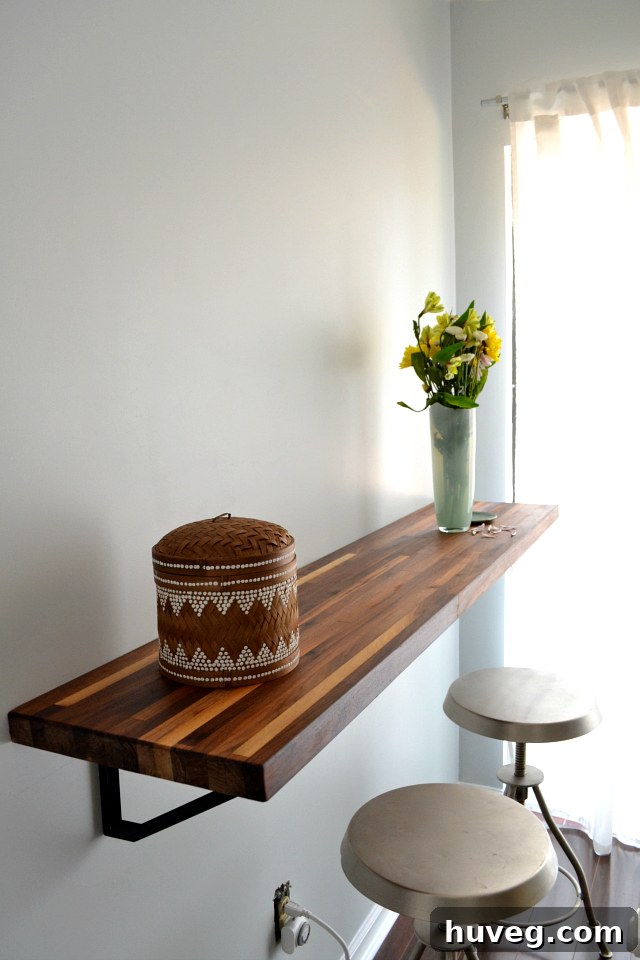
The inherent beauty of this specific treatment lies not only in its unparalleled protective capabilities but also in the profoundly dramatic way it elevates the wood’s aesthetic appeal. The rich, deep color truly stands out once the wood has been treated in this manner, intensifying the complex spectrum of browns, golds, and subtle purples that are unique to walnut. We are particularly captivated by the striking and dynamic color variation prominently displayed at the end of the bar, closest to the elegant doorway that leads into the dining room. This natural, organic variation adds an inimitable character and a bespoke, artisan feel to the entire piece, elevating it to a genuine focal point within our open-plan living space.
Finishing Touches and Future Enhancements: Perfecting the Transformed Space
You might observe a subtle, almost imperceptible gap where the beautifully oiled bar meets the wall. This was a deliberate and strategic decision made during the initial intensive oiling process, carefully executed to prevent any thick, potentially messy coats of mineral oil from accidentally marring the freshly painted wall surfaces. Rest assured, this slight separation is entirely temporary. The very next step in our project timeline is to securely fasten the butcher block firmly into its designated place, robustly anchoring it to the underlying supports. Given its substantial inherent weight and solid construction, the bar is already inherently quite stable and shows no immediate propensity for shifting. This final securing step will simply complete the installation, rendering it even more robust, structurally sound, and permanently integrated into the space, ensuring years of dependable use.
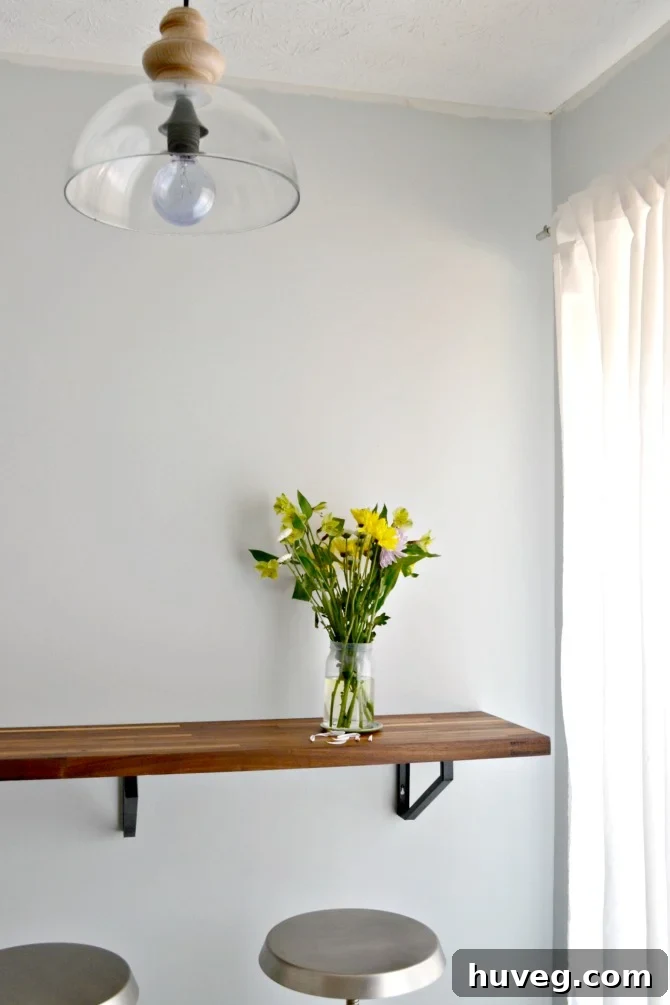
While the new kitchen bar itself represents a significant and fantastic addition to our home, the surrounding space continues its exciting journey of evolution. We still have several inspiring projects on the horizon, meticulously planned to truly personalize and perfect this area into a cohesive design masterpiece. Future enhancements include carefully selecting and installing art pieces to infuse character and warmth onto the walls, adding elegant crown molding to elevate the architectural detail and provide a finished look, updating the sheers to enhance light filtering, privacy, and aesthetic appeal, and upgrading the electrical outlet to ensure its cover can be flawlessly reinstalled. Even with these minor yet impactful adjustments still awaiting completion, the dramatic transformation is utterly undeniable. This entire area now resonates deeply with our personal style and aesthetic preferences, standing in stark and wonderfully welcome contrast to its appearance captured in the real estate listing photos from 2009. It’s a testament to how thoughtful design and dedicated effort can truly reshape a home.
Conclusion: A Transformed Space, One Empowering DIY Project at a Time
From a thoughtfully salvaged piece of rich walnut butcher block to a stunning, highly functional, and aesthetically pleasing kitchen bar, this entire project magnificently exemplifies the profound power of thoughtful design combined with dedicated DIY effort. We have not only successfully created a beautiful, comfortable, and inviting eating area but have also significantly enhanced the overall flow, functionality, and aesthetic appeal of our home’s central living spaces. The deeply oiled walnut now stands as a timeless testament to the unparalleled warmth, sophisticated character, and natural elegance that natural materials can effortlessly bring to a modern home, conclusively proving that even seemingly small changes can yield truly monumental and lasting impact.
We sincerely hope that this detailed, step-by-step guide inspires and empowers you to confidently tackle your own home improvement projects, especially those involving the immensely rewarding process of working with and transforming natural wood. There is an immense, unmatched satisfaction that comes from breathing new life into a piece of wood, profoundly enhancing its inherent beauty, and seamlessly integrating it into your daily living environment. Stay tuned for more captivating home transformations and exciting DIY adventures as we enthusiastically continue to shape and personalize our home, one fulfilling project at a time!