Unlocking Stencil Creativity

Transform Your Primary Bedroom: The Enduring Charm of Stenciled Accent Walls
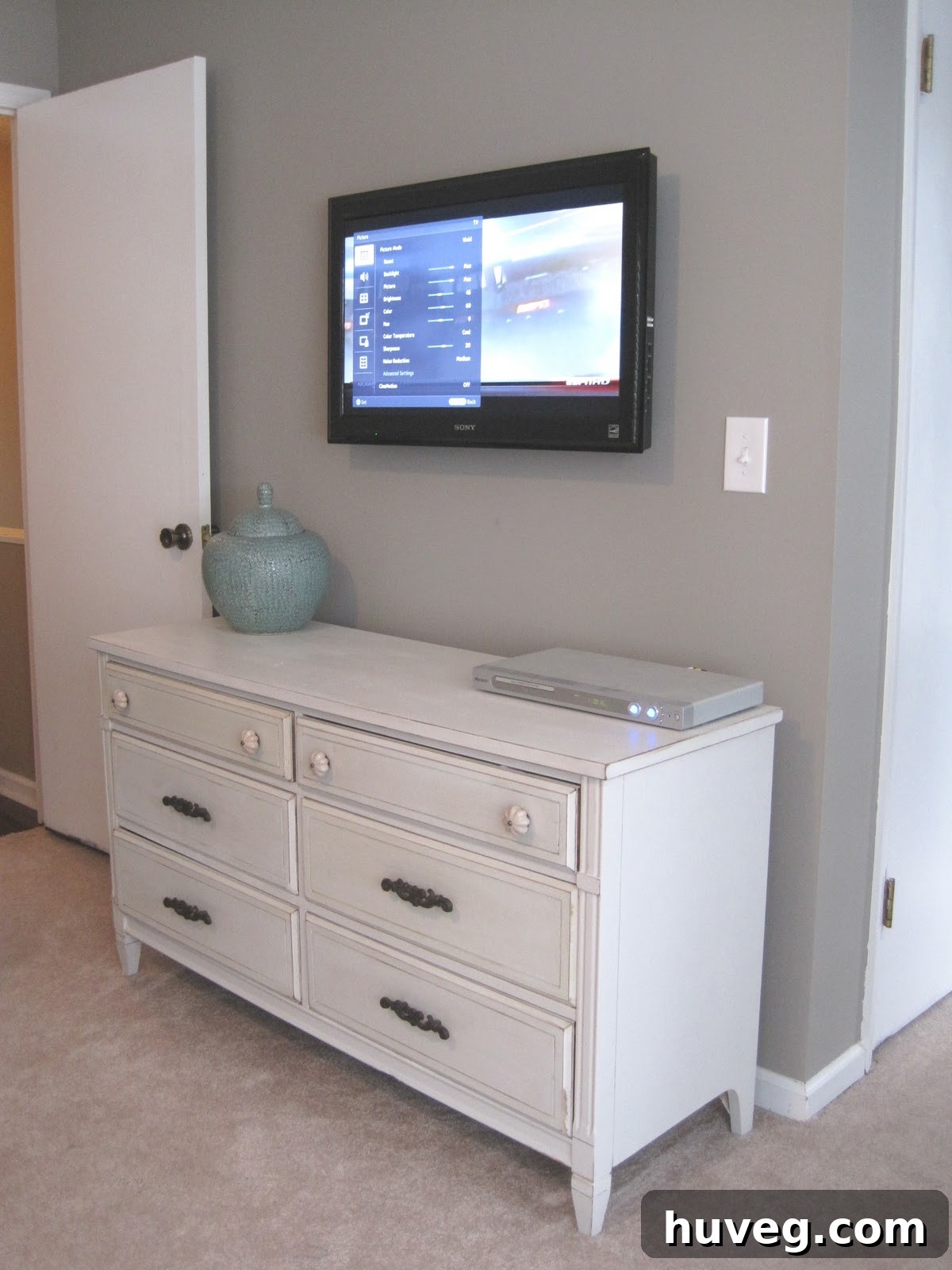
The idea of a beautifully stenciled media wall in the primary bedroom has been quietly circulating in my thoughts for months. It’s a concept that promises to infuse the space with character and a bespoke touch, yet the quest for that quintessential stencil—the one that will truly define and elevate the room—has been elusive. There’s a certain magic in the potential of a carefully chosen pattern, a design that speaks to personal style and transforms a simple wall into a captivating focal point.
Often, my vision leans towards a sophisticated tone-on-tone approach, perhaps with a subtle play of finishes—a semi-gloss stencil against a flat matte wall being a prime contender. This technique offers depth and texture without overwhelming the senses, creating an elegant backdrop that complements rather than competes with the existing decor. However, a whisper of apprehension lingers: the fear that the chosen design might quickly look dated, necessitating a repaint sooner than desired. Despite this lingering doubt, my digital wanderings inevitably lead me back to inspiring images of stenciled walls, each one fueling the creative spark.
Why Choose a Stenciled Wall for Your Primary Bedroom?
A stenciled accent wall in your primary bedroom offers a multitude of benefits, making it an increasingly popular choice for homeowners looking to add personality and style. Beyond its aesthetic appeal, it’s a remarkably versatile and cost-effective design solution. Unlike expensive wallpaper or intricate custom murals, stenciling provides a high-impact look at a fraction of the cost, making sophisticated design accessible to everyone.
One of the greatest advantages is the sheer potential for personalization. You have complete control over the pattern, color, and finish, allowing you to create a space that truly reflects your unique taste. Whether you envision a serene geometric pattern that brings a modern edge, a delicate floral design for a touch of romanticism, or an intricate Moroccan motif for exotic flair, stencils offer endless creative possibilities. This level of customization ensures that your bedroom will be a one-of-a-kind sanctuary, distinct from mass-produced decor.
Furthermore, a well-executed stenciled wall adds incredible depth and visual interest to a room. It breaks up monotonous expanses of plain wall, drawing the eye and establishing a clear focal point. For a primary bedroom, this often means transforming the wall behind the headboard or a media wall into a captivating feature that elevates the entire room’s ambiance. It’s an effective way to introduce texture and pattern, contributing to a layered and thoughtful interior design without the commitment or expense of structural changes.
Decoding Stencil Styles: Finding Your Perfect Pattern
The initial hurdle for many aspiring stencilers, including myself, is navigating the vast array of available patterns to find “the one.” The right stencil can indeed make the room, setting the tone and contributing significantly to the overall aesthetic. Understanding different stencil styles and how they interact with a space is crucial for making an informed decision that you’ll love for years to come.
- Geometric Patterns: These are a fantastic choice for contemporary and modern bedrooms. Designs like chevrons (as seen in some of my inspiration searches), trellises, or intricate tessellations offer a clean, crisp look that can add dynamic energy or serene order. Geometric patterns are excellent for creating a sophisticated backdrop that doesn’t overtly scream for attention but provides a strong visual foundation.
- Nature-Inspired & Floral: For a softer, more organic feel, floral or botanical stencils are timeless. They can range from subtle, delicate vines to bold, stylized blooms. These patterns work beautifully in traditional, farmhouse, or bohemian-inspired bedrooms, bringing a touch of the outdoors in and promoting a sense of calm and tranquility.
- Moroccan & Eastern Motifs: Inspired by global travels and intricate architectural details, these stencils add an exotic and luxurious touch. They often feature repeating, ornate designs that are perfect for creating a sense of grandeur and warmth, making them ideal for a bedroom seeking a unique, cultural flair.
- Abstract & Organic: For those who prefer a more artistic and less structured look, abstract stencils can provide a unique visual texture. These can be fluid, free-form designs that add an artistic touch, making the wall feel like a piece of custom artwork.
- Damask & Traditional: These classic patterns exude elegance and sophistication. Damask stencils, often featuring intricate scrollwork and symmetrical designs, are perfect for creating a luxurious, timeless bedroom environment that feels both opulent and refined.
When selecting a pattern, also consider its scale. A large, repeating pattern can make a statement and feel grand, while a smaller, more intricate design might offer a subtle texture that’s appreciated upon closer inspection. The key is to visualize how the pattern will repeat across your wall and how it will interact with your furniture and room dimensions.
The Tone-on-Tone Technique: A Subtle Statement
My inclination towards a tone-on-tone stencil, perhaps with a semi-gloss finish on a flat wall, stems from a desire for sophisticated subtlety. This technique is a masterclass in understated elegance, allowing you to incorporate pattern and texture without overwhelming the space with stark contrasts. It’s an ideal solution for those who appreciate design but prefer a serene and calming atmosphere in their primary bedroom.
The beauty of tone-on-tone lies in its ability to create visual interest through variations in sheen or a slight difference in color shade. When applying a semi-gloss paint for the stencil over a flat or matte base coat of the same color, the pattern becomes apparent as light hits the wall, revealing a luxurious, almost embossed effect. This play of light and shadow adds a tactile dimension, making the wall feel rich and inviting. It’s a modern approach that moves away from the more overt stencil applications of the past, addressing concerns about a dated look directly.
Other variations of the tone-on-tone technique include using a slightly darker or lighter shade of the base wall color for the stencil. This creates a more defined, yet still harmonious, pattern. For an added touch of glamour, a subtle metallic paint (like a soft gold or silver) for the stencil, applied over a coordinating matte base, can introduce a hint of sparkle that catches the light beautifully, perfect for an evening ambiance in the bedroom.
This method is particularly effective in preventing a “dated” appearance because it prioritizes texture and sheen over bold color clashes. It ensures the pattern integrates seamlessly with the room’s existing palette, offering a timeless quality that adapts well to changing decor styles and personal tastes over the years.
Overcoming the “Dated” Dilemma: Keeping Stencils Modern & Fresh
The fear of a stenciled wall looking dated is a common concern, and it’s a valid one given some past trends. However, with thoughtful planning and contemporary execution, a stenciled wall can be incredibly chic and enduring. The key lies in strategic choices regarding pattern, color, and placement.
- Embrace Modern Patterns: Steer clear of overly intricate or overly simplistic patterns that have been associated with specific past decades. Instead, opt for clean geometric designs, abstract motifs, or updated versions of classic patterns like sophisticated damasks or stylized florals. Contemporary designers are constantly innovating, offering stencils that reflect current aesthetic sensibilities.
- Thoughtful Color Palettes: This is where the tone-on-tone technique truly shines. Using colors that are either the same hue with different sheens or very close in shade ensures that the stencil complements, rather than dominates, the room. Stick to neutral, earthy, or muted color schemes for a timeless appeal. If you choose bolder colors, consider using them sparingly or in a way that feels intentional and artistic rather than overwhelming.
- Context is Key: How the stenciled wall integrates with the rest of your bedroom decor is paramount. Ensure your furniture, textiles, lighting, and accessories align with a modern or timeless aesthetic. A contemporary bed frame, minimalist nightstands, and carefully chosen artwork can significantly influence how the stenciled wall is perceived.
- Less is Often More: Instead of stenciling all four walls, focus on creating an accent wall. The wall behind your headboard, or a dedicated media wall, are perfect candidates for a stenciled treatment. This creates a powerful visual statement without making the room feel busy or confined, preserving a sense of spaciousness and sophistication.
- Quality and Precision: A poorly executed stencil job can instantly look amateurish and dated. Invest in a good quality stencil and take your time with the application process. Crisp lines, even paint coverage, and careful alignment are crucial for a professional, high-end finish that stands the test of time.
Practical Tips for a Flawless Stenciled Wall
Once you’ve chosen your perfect stencil and color scheme, the execution phase requires patience and attention to detail. Here are some practical tips to ensure a flawless, professional-looking stenciled wall:
- Preparation is Key: Begin by thoroughly cleaning your wall to remove any dust or grime. If your wall has imperfections, address them before painting. A smooth, clean surface is essential. For best results, apply a fresh base coat of your chosen wall color and allow it to dry completely, ideally for at least 24 hours.
- Gather the Right Tools: You’ll need your stencil, a good quality stencil brush or small foam roller, painter’s tape (low tack is often preferred), a level or laser level, a measuring tape, and paper towels for blotting excess paint. Having a small tray for paint and a practice board (a piece of cardboard or spare drywall) is also highly recommended.
- Practice Makes Perfect: Before touching your bedroom wall, practice stenciling on your practice board. This allows you to get a feel for the right amount of paint, the pressure to apply, and the technique (pouncing with a brush or light rolling). Remember, less paint is always more to prevent bleed-through.
- Plan Your Layout: Determine your starting point. For an accent wall, starting in the center of the wall or aligning the pattern with a key architectural feature (like a window or door frame) often yields the most balanced look. Use your level and measuring tape to ensure your first stencil application is perfectly straight and centered.
- Apply with Care: Secure your stencil firmly to the wall with painter’s tape. If using a brush, load it sparingly with paint, then blot excess paint onto a paper towel. Use a pouncing motion (tapping straight up and down) rather than brushing, which can force paint under the stencil. If using a roller, roll off excess paint and apply light, even pressure.
- Prevent Bleed-Through: The most common mistake is using too much paint. Overloading your brush or roller will cause paint to seep under the stencil. Apply thin coats, building up the color gradually if needed.
- Clean Your Stencil: Regularly clean your stencil, especially for larger projects, to prevent paint buildup from distorting the pattern or creating messy edges. Warm, soapy water works well for latex paints. Let it dry completely before reusing.
- Work Methodically: Carefully remove the stencil, reposition it, align it with the previously stenciled pattern using registration marks (if your stencil has them) or by visually matching the design, and repeat the process. Patience is your best friend here.
- Touch-Ups: Once the entire wall is stenciled and dry, inspect it for any minor imperfections. Small touch-ups can be done with a fine artist’s brush and your wall color.
Inspiration Gallery & Beyond
The beauty of stenciling lies in its ability to bring diverse design inspirations to life. As I continue my search for the ideal stencil, I find myself drawn to a variety of styles that ignite the imagination and promise to transform a simple wall into a work of art. The examples I’ve collected serve as a testament to the endless possibilities that stencils offer in home decor.
For those seeking bold, rhythmic patterns, a chevron design can introduce dynamic energy and a strong graphic element, perfectly complementing a modern or eclectic bedroom aesthetic. Sites like Sunset.com often provide excellent tutorials and inspiration for these types of projects, guiding you through the process of achieving crisp, clean lines.
If your taste leans towards something more whimsical or uniquely personal, exploring blogs like Good Girl Gone Glad can reveal inspiring DIY journeys and innovative uses of stencils that might not fit conventional categories, offering fresh perspectives on how to personalize your space.
For an infusion of global charm and intricate design, Moroccan-inspired stencils are a magnificent choice, capable of transporting your bedroom to an exotic retreat. These patterns, often seen on platforms like Design Amour, can add a layer of rich cultural texture and sophisticated detail, perfect for creating a warm and inviting atmosphere.
Even seasoned decorators and artists find joy in the simplicity and impact of stencils. Blogs from professionals, such as Painter Girl, often showcase projects that demonstrate the versatility of stencils across various styles and spaces, providing valuable insights and encouragement for your own home improvement endeavors.
These diverse examples illustrate that whether you’re aiming for a subtle texture or a dramatic statement, there’s a stencil and a technique suited to every vision. The journey of transforming your primary bedroom with a stenciled wall is an exciting creative endeavor that promises rewarding results.
Conclusion: Embrace the Stenciled Journey
The allure of a stenciled accent wall in the primary bedroom remains strong, a compelling option for those seeking to inject personality, elegance, and unique style into their most personal space. Despite the initial hesitation and the diligent search for the perfect pattern, the potential for transformation is undeniable. By understanding the diverse range of stencil styles, embracing the modern tone-on-tone technique, and armed with practical application tips, the fear of a “dated” look can be confidently overcome.
A stenciled wall is more than just a decorative feature; it’s an opportunity for creative expression, a DIY project that can yield immense satisfaction and a truly custom look. It’s an accessible way to elevate your interior design, creating a focal point that reflects sophistication and personal taste without breaking the bank. So, whether you’re drawn to the geometric precision of a chevron, the timeless elegance of a damask, or the subtle sophistication of a tone-on-tone pattern, the canvas of your bedroom wall awaits your artistic touch.
Have you embarked on a stenciling project in your home? Do you have a beautifully stenciled wall you’d love to share, or perhaps some wisdom gained from your own experiences? Please do! Your insights and inspirations are invaluable to fellow DIY enthusiasts and design seekers. Happy Monday, and here’s to creating beautiful spaces!