Smart Upcycled Storage for Screws and Nails

Beyond the Band: Embracing the True Spirit of DIY Tool Organization
For many years, whenever the word “tool” was spoken, my mind would instinctively conjure images not of wrenches or hammers, but of the iconic progressive rock band. Their powerful riffs and intricate compositions were what defined “Tool” for me.
However, over the past year, something significant has shifted in my perspective. My journey into the world of DIY projects and home improvement has fundamentally changed how I perceive tools. Now, the word brings to mind practical, indispensable items that enable creation, repair, and transformation. My appreciation has grown immensely, and I find myself drawing little hearts around the idea of a perfectly organized workshop.
The Evolution of a DIY Enthusiast: From Music to Making
There’s a unique satisfaction that comes with completing a DIY project, whether it’s building a new shelf, fixing a leaky faucet, or tackling a more ambitious renovation. This growing passion has highlighted an often-overlooked aspect of the DIY lifestyle: the profound importance of tool organization. What started as a casual interest has evolved into a dedicated hobby, transforming my living space and, more importantly, my approach to practical tasks.
I used to spend countless minutes (which felt like hours) searching for that specific screwdriver or the right size nail. This frustration often dampened my enthusiasm for starting new projects. But as my collection of essential tools grew, so did the realization that efficiency and enjoyment are directly tied to how well your tools are organized. No longer is it just about having the right tool for the job, but about finding it instantly and keeping it in prime condition. This newfound clarity sparked a mission: to create an organized, efficient, and inspiring workspace.
The Cornerstone of Productivity: Why Efficient Tool Organization Matters
A well-organized workspace isn’t merely aesthetically pleasing; it’s a powerhouse of productivity and safety. For anyone engaged in DIY, crafts, or professional trades, the benefits of systematic tool storage are undeniable and far-reaching:
- Time-Saving Efficiency: The most immediate benefit is the elimination of wasted time searching for misplaced tools. When every item has its designated spot, you can grab what you need and get straight to work, maximizing your creative or productive hours.
- Cost-Saving & Longevity: Tools are an investment. Proper storage protects them from damage, rust, and loss. A clean, organized environment prevents accidental breakage and ensures your tools remain in excellent working order for years, saving you money on replacements.
- Enhanced Safety: Clutter is a hazard. Sharp blades, heavy objects, and power tools left lying around can lead to accidents. Organized storage solutions, like secure bins and designated hanging spots, significantly reduce the risk of injury in your workshop or home.
- Improved Workflow: A logical layout for your tools and materials creates a smoother, more enjoyable workflow. You can anticipate your next step, knowing exactly where to find the components you need, which fosters a more fluid and less frustrating creative process.
- Mental Clarity & Enjoyment: A tidy workspace contributes to a tidy mind. Reducing visual clutter and the stress of disorganization allows for greater focus and creativity. It transforms your workshop into a sanctuary where you can truly enjoy your craft, rather than a source of frustration.
My journey toward an efficient workspace has been filled with discovery, especially when it comes to clever and cost-effective storage solutions. This year, I’m genuinely this close to drawing little hearts all over my tool collection because of the progress I’ve made in organizing it.
Unlocking Potential with Clever, Recycled Storage Solutions
While many commercial storage solutions exist, some of the most satisfying and ingenious methods involve a bit of creativity and upcycling. Embracing recycled materials not only saves money but also gives a second life to items that would otherwise end up in landfills. This sustainable approach to organization is both environmentally friendly and incredibly rewarding.
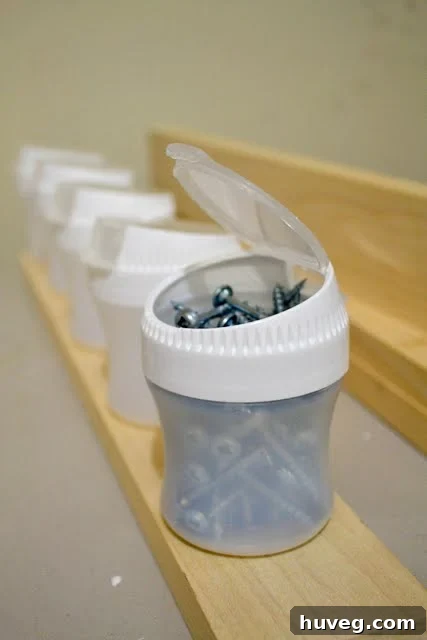
A perfect example of this ingenuity started with my coworkers, who began saving these guys for me:
Orbit Gum Containers: A DIY Storage Revelation
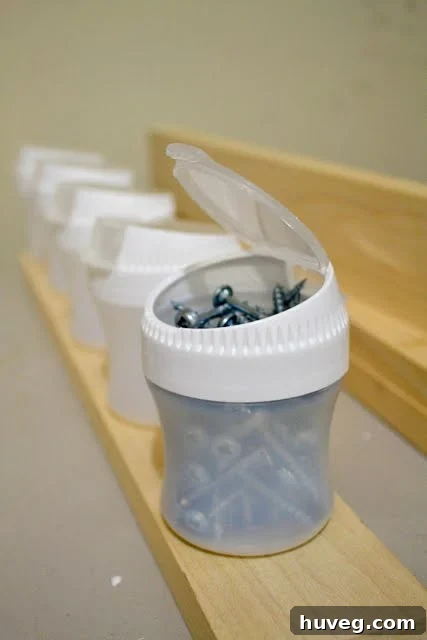
These humble containers, once holding chewing gum, have become my absolute favorite new secret weapon for small parts organization. How clever is that? They are completely free, readily available, and possess the perfect dimensions for storing a variety of small items. Crucially, they hold exactly one package of Kreg screws – a happy coincidence that makes my workshop-loving heart sing!
The beauty of these recycled containers lies in their:
- Compact Size: Ideal for small fasteners like screws, nails, brads, nuts, bolts, washers, and even tiny craft beads or electronic components.
- Durability: Made from sturdy plastic, they can withstand the rigors of a workshop environment.
- Visibility (or lack thereof, if preferred): While not transparent, their consistent size allows for easy labeling, ensuring you know exactly what’s inside without opening each one.
- Stackability: Their uniform shape makes them easy to stack, maximizing vertical storage space on shelves or in drawers.
- Portability: Easily grab a few containers for a specific project without lugging around a large toolbox.
I’ve started labeling them diligently, transforming what was once a chaotic jumble of fasteners into a perfectly categorized system. This small change has made a monumental difference in my project efficiency.
Beyond Gum: Exploring Other Recycled Treasures for Your Workshop
The Orbit gum container example is just the tip of the iceberg when it comes to resourceful DIY storage. Look around your home; many everyday items can be repurposed:
- Glass Jars: Mason jars, jam jars, or pickle jars are fantastic for visible storage. Their transparency allows you to quickly identify contents like different sized nails, wood screws, or even small tools. Just ensure they are kept in a stable location to prevent breakage.
- Plastic Bottles: Larger plastic bottles (like milk jugs or detergent bottles) can be cut down to create scoops for bulk materials like sawdust or wood filler, or transformed into holders for longer items.
- Coffee Cans: These sturdy metal cans are excellent for storing larger fasteners, glues, or even small cans of paint. They can also be painted or covered to match your workshop aesthetic.
- Old Plastic Containers: Yogurt tubs, butter containers, and deli containers are perfect for organizing sets of drill bits, sanding discs, or various small parts.
- Cardboard Boxes: With a bit of creativity, cardboard boxes can be cut and folded into custom drawer dividers or small bins for lighter items. Reinforce them with tape or glue for added durability.
The key is to see potential in everyday waste. With a little imagination, you can equip your entire workshop with practical, personalized, and free storage solutions that perfectly fit your needs and budget.
Designing Your Dream Workshop: More Than Just Containers
While clever small-item storage is crucial, creating a truly efficient workshop involves a broader approach. My vision for my someday workshop encompasses a holistic system where every tool, material, and component has its logical place, making every project a seamless experience. This involves:
- Pegboards and Wall Storage: Maximizing vertical space is a game-changer. Pegboards allow you to hang frequently used hand tools, keeping them visible and within easy reach. Similarly, wall-mounted shelves and magnetic strips are excellent for storing larger items and metal tools.
- Shelving Units: Sturdy shelving units are essential for organizing larger tools, lumber scraps, paint cans, and bulk supplies. Categorize items and use larger bins or crates on shelves to keep things tidy.
- Drawer Organizers: For tools that need protection from dust or simply look better tucked away, investing in drawer organizers or custom-built dividers (even using recycled cardboard!) can transform messy drawers into highly functional storage.
- Labeling System: Regardless of the container or storage method, a clear and consistent labeling system is paramount. Use permanent markers, label makers, or even color-coding to ensure you (and anyone else using the space) can quickly identify where everything belongs.
- Dedicated Workbench: A sturdy workbench with integrated storage (drawers or shelves underneath) provides a central hub for projects and keeps frequently used tools close at hand.
The ultimate goal is to move beyond mere containment and create an environment that fosters creativity, reduces frustration, and makes every DIY endeavor a pleasure. This systematic approach transforms a cluttered space into a functional haven.
Investing in Your Passion: Tools and Their Home
Just as a chef cherishes their knives, a DIY enthusiast cherishes their tools. A well-organized workshop encourages you to invest in better quality tools because you know they will be properly cared for and easily accessible. Back in the day, I even had an exciting opportunity for my readers to expand their collections. While that specific opportunity has concluded, the sentiment remains:
This giveaway has ended.
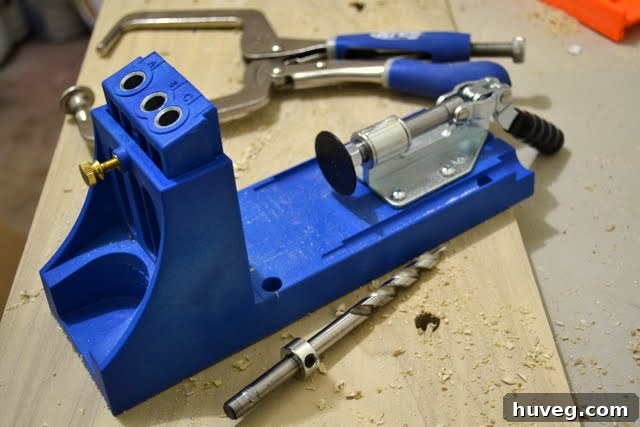
By the way, have you thought about expanding your tool collection? Because I’m having an awesome giveaway starting Monday that will help you do exactly that. Here’s a hint, but you’ll have to wait for Monday to enter!

This image, which served as a hint for a past giveaway, is a reminder that acquiring new tools is part of the DIY journey. However, the true joy comes not just from owning them, but from having a dedicated, organized home for each one. Whether it’s a new drill, a specialized jig like those from Kreg, or a set of quality hand tools, knowing where it belongs makes the acquisition even more satisfying.
The Ripple Effect: Benefits Beyond the Workshop
The discipline of organizing a workshop often has a positive ripple effect on other areas of life. The skills learned – categorization, strategic planning, decluttering, and maintaining order – are transferable to managing household chores, organizing paperwork, or even structuring daily routines. A well-organized space fosters a sense of accomplishment and control, leading to greater peace of mind.
Conclusion: Embrace the Organized DIY Life
My journey from associating “tool” with a band to passionately embracing the world of practical tools and efficient organization has been incredibly rewarding. The simple act of repurposing Orbit gum containers for Kreg screws symbolizes the creativity and ingenuity at the heart of DIY. It’s about finding smart, accessible, and often free ways to enhance your hobby and streamline your projects.
If you’re looking to boost your productivity, enhance safety, and simply enjoy your DIY endeavors more, take the first step towards an organized workspace. Start small, perhaps by gathering those overlooked gum containers, and watch how a little organization can transform your entire creative process. Your future, more efficient workshop awaits!