Shred It

Transforming Your Home: The Unrivaled Satisfaction of Ripping Out Old Carpet
There’s a unique, almost primal satisfaction that comes with home renovation, especially when it involves tearing out something old and making way for the new. For many, few activities rival the therapeutic release found in ripping out old carpet. It’s more than just a chore; it’s a tangible act of transformation, a journey from the worn and outdated to the fresh and promising. Even after the most challenging of days, the simple act of wielding a crowbar and pulling up layers of matted, often unsightly, flooring can dissipate stress and replace it with a profound sense of accomplishment. This isn’t just about renovation; it’s about reclaiming a space, clearing out what you no longer love, and actively making room for something infinitely better.
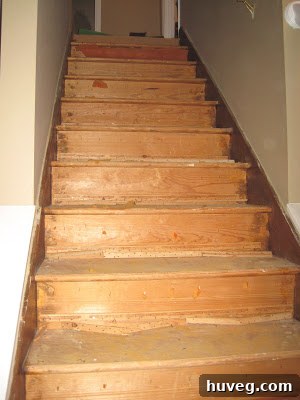
The process offers an immediate, visible impact. What once was a tired, perhaps even stained, expanse of fabric is revealed to be a bare canvas, full of potential. The transition from an “eyesore” to an “opportunity” is profoundly gratifying. Take, for instance, the common transformation of carpeted stairs – a high-traffic area that often shows its age first. The difference between a dreary, carpeted staircase and one that’s been stripped down to its bones is nothing short of inspiring.
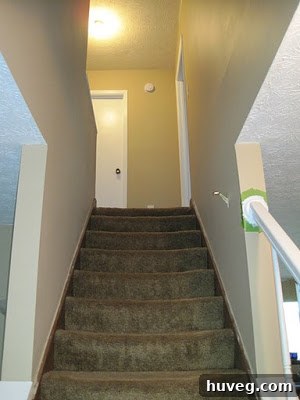
Into this:
Unearthing History: Unexpected Discoveries During Carpet Removal
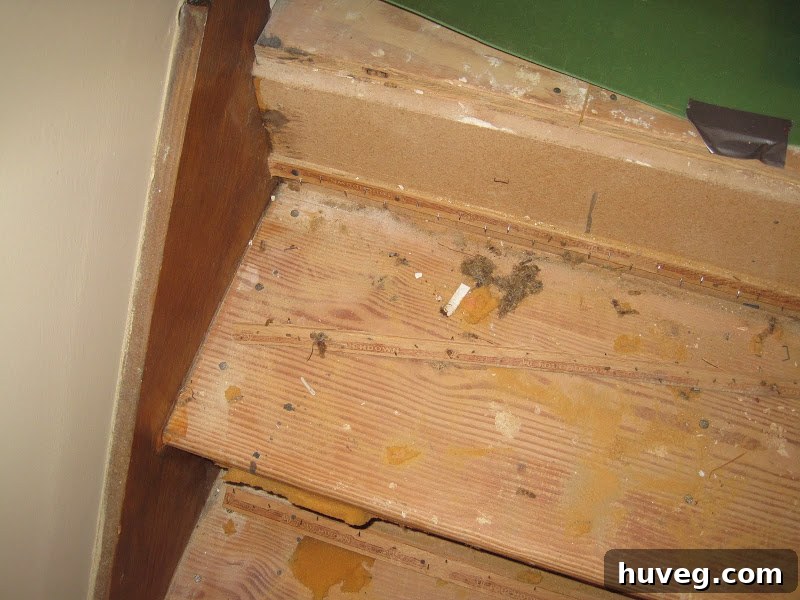
Beyond the aesthetic transformation, carpet removal often turns into an unexpected archaeological dig, offering fascinating glimpses into the history of the house and its previous inhabitants. Each layer peeled back can reveal forgotten treasures, lost coins, or, more often, telling clues about past lifestyles. We’ve all heard stories of finding old newspapers, children’s drawings, or even vintage toys tucked away beneath decades of flooring. In my own experience, this detective work sometimes involves discovering the habits of previous owners, such as a fondness for cigarettes, evidenced by hidden stashes beneath stair treads. These little surprises, while sometimes unsettling, add a unique narrative to the home’s journey.
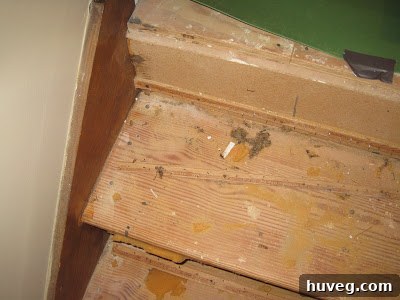
While cigarettes are one thing, some discoveries are far less charming. The recurring finding of almost two full sets of fingernails throughout the house – from the fridge to the living room, bedroom, primary closet, and garage – is a testament to the strange and sometimes utterly disgusting things uncovered during a deep-dive renovation. Let me assure you, the “gross-out” factor doesn’t diminish with repetition; each new discovery is just as unsettling as the first. Yet, even these less-than-pleasant finds fuel the desire to completely transform the space into something clean, beautiful, and uniquely yours. They reinforce the purpose of the renovation, driving you forward to create a healthier, more inviting environment.
The Staircase Dilemma: Planning Your Perfect Stair Makeover
With the old carpet vanquished, the real design work begins. The staircase, often a central focal point and high-traffic zone, demands careful consideration. It’s not merely a functional element but a key architectural feature that significantly impacts your home’s aesthetic and flow. My partner, Scott, has been busy installing beautiful laminate flooring on the upper staircase landing area, setting the stage for the rest of the transformation. Our shared decision not to install laminate flooring directly on the stairs themselves stems from several practical considerations. Installing laminate on stair treads can be complex, requiring precise cuts and careful adhesion, and may present safety concerns regarding durability and slip resistance over time. This decision opens up a world of creative possibilities for the stairs, leading us to explore several appealing alternatives.
Option 1: Classic Elegance – Painted Stairs with a Runner
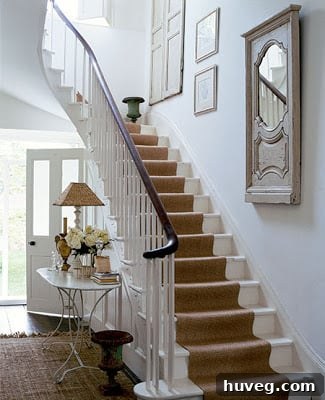
One of the most popular and often easiest solutions for bare stairs is painting them. My current preference leans towards painting the stairs a crisp, clean white. This choice instantly brightens the space, creating a sense of openness and modernity. White painted stairs are versatile, complementing various interior design styles, from farmhouse chic to contemporary minimalist. To enhance both aesthetics and practicality, adding a runner in the middle of the staircase is an excellent idea. A stair runner provides comfort underfoot, reduces noise, and most importantly, offers crucial slip resistance, making the stairs safer for daily use, especially in busy households. Runners come in an endless array of materials, patterns, and colors, allowing for a personalized touch. A natural sisal runner, for example, can add texture and warmth, creating a sophisticated yet inviting look. This option balances ease of execution with timeless style and functionality, making it a highly attractive choice for a lasting staircase makeover.
Option 2: Natural Beauty – Stained Stair Treads
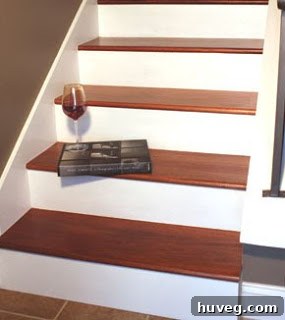
For those who appreciate the rich beauty of natural wood, staining the stair treads presents an incredibly appealing alternative. This option allows the natural grain and texture of the wood to shine through, adding warmth, character, and a touch of rustic elegance to your home. Stained treads can create a seamless transition if you have hardwood flooring elsewhere in the house or complement the wood tones in your furniture. However, this approach comes with its own set of challenges, particularly in matching the stain color to existing flooring, like the new laminate on the landing. Achieving a perfect match can be difficult, as wood species absorb stain differently, and various finishes can alter the final appearance. It often requires careful testing, multiple samples, and potentially professional expertise to ensure a cohesive look. Despite the potential difficulty, the enduring appeal and natural sophistication of stained wood treads make it a highly desirable finish for a renovated staircase, promising a durable and beautiful surface that stands the test of time.
Option 3: Modern Contrast – Two-Tone Painted Stairs
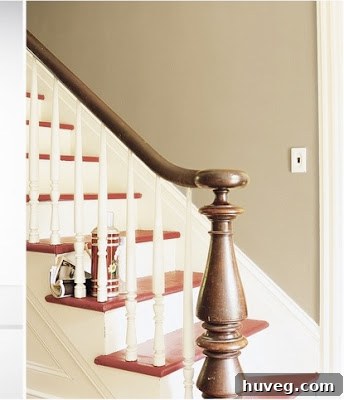
Venturing into more contemporary design territory, Scott and I could opt for a striking two-tone approach: painting the stair treads a different color than the risers. This design choice adds dynamic visual interest and depth to the staircase, transforming it into a bold architectural statement. The most common execution involves painting the risers (the vertical part between each step) a lighter color, typically white, to brighten the space and create contrast, while the treads (the horizontal part you step on) are painted a darker, more durable color. But which color? A dark brown, for instance, could provide a sophisticated and grounding effect, especially if it closely matches or complements the laminate stain color on the landing. This creates a cohesive flow while still offering a distinct visual separation for each step. The contrast not only highlights the individual elements of the staircase but also helps to conceal scuffs and wear on the treads more effectively than a single light color. This option provides a fantastic opportunity to inject personality and a modern flair into your home’s central artery.
Option 4: Artistic Expression – Decorative Stair Risers
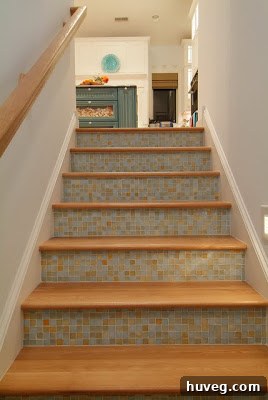
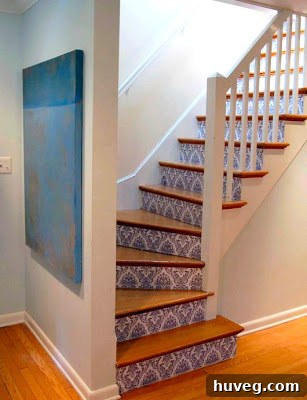
For those with a penchant for unique and artistic home decor, a newer trend focuses on dressing up the stair risers rather than the treads. This approach allows for incredible creativity and personalization, turning a functional element into a stunning focal point. Imagine risers adorned with intricate mosaic tiles, hand-painted patterns, stenciled designs, or even vibrant wallpaper. Each step becomes a canvas, telling a story or reflecting a specific aesthetic. Tiling risers can add a Mediterranean flair or a touch of vintage charm, while bold geometric wallpaper or stenciled patterns can infuse a contemporary or eclectic vibe. This option is perfect for homeowners looking to make a statement, injecting unexpected artistry into their living space. While it might require more precision and a keen eye for design, the result is undoubtedly unique and memorable, transforming an ordinary staircase into an extraordinary work of art that captivates attention and sparks conversation.
Mastering the Lingo: Essential Staircase Terminology for Your Project
Navigating the world of home renovation often means learning a whole new vocabulary. When tackling a staircase project, understanding the correct terminology not only empowers you to communicate effectively with contractors or design professionals but also deepens your appreciation for the craftsmanship involved. Here are a few essential terms to familiarize yourself with:
- Treads: These are the horizontal surfaces of each step that you walk on. They are typically thicker and more durable than other stair components.
- Risers: These are the vertical boards between each tread. They provide structural support and prevent objects from passing through the open space between treads.
- Stairnose: Also known as the nosing, this is the edge of the tread that slightly overhangs the riser. It adds a finished look and often provides a bit more walking surface.
- Balusters: These are the vertical spindles or posts that support the handrail. They can be simple or elaborately designed, adding significant aesthetic value.
- Newel Post: A larger, more substantial post that typically anchors the handrail at the top and bottom of the staircase, or at turns. They are often decorative focal points.
- Handrail (or Banister): The rail designed for grasping, providing support and safety as one ascends or descends the stairs.
- Stringer: The structural support board that runs along the sides of the staircase, to which the treads and risers are attached.
Learning this home lingo transforms a daunting project into an understandable process, enabling you to make informed decisions and truly envision the transformation of your space. Resources like Ask The Decorator can be invaluable for further exploration of these terms and more.
Making the Final Decision: Your Vision for a Transformed Staircase
The journey from ripping out old, unsightly carpet to envisioning a beautifully renovated staircase is a rewarding one. Each option presents its own unique charm, challenges, and benefits, tailored to different styles and preferences. Whether you lean towards the timeless simplicity of painted stairs with a runner, the organic allure of stained wood, the modern statement of two-tone painting, or the artistic expression of decorated risers, the potential for transformation is immense. This process of selecting the right finish isn’t just about aesthetics; it’s about making your home more functional, safer, and truly reflective of your personal style. It’s about bringing new life to a vital part of your home’s architecture.
So, with all these exciting possibilities laid out, the delightful challenge of decision-making begins anew! Which trend resonates most with your personal style and home aesthetic? We are eager to hear your thoughts and insights. Please share your favorite option, personal experiences with stair renovations, or any creative ideas you might have in the comments below!