Mastering Hydrangea Pruning When and How for Fall and Winter

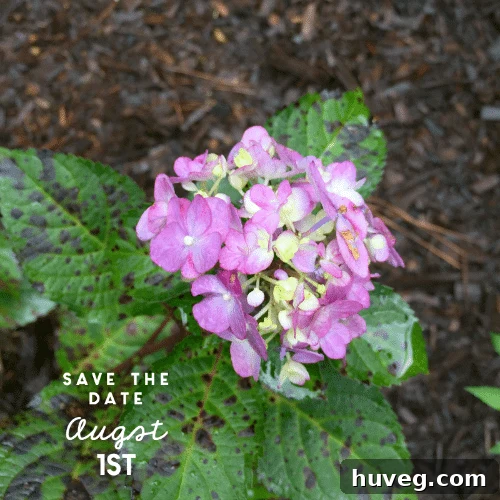
Once established, hydrangeas are surprisingly easy to care for, especially as the seasons transition from fall into winter. This comprehensive guide addresses your most frequent questions about cultivating beautiful, reblooming hydrangeas, including expert tips on proper pruning techniques and common mistakes to avoid. By following these essential practices, you’ll ensure a spectacular display of blooms come spring, making your garden a vibrant haven year after year.
Mastering Fall and Winter Hydrangea Care: Your Essential Overwintering Guide
As many gardening enthusiasts know, transforming a backyard can be a rewarding, yet intensive, project. This year, my focus shifted significantly towards upgrading my outdoor space. One of the very first endeavors in spring was to design and establish a dedicated hydrangea garden in a cozy corner of my yard. My choice fell on the magnificent Endless Summer Hydrangeas, renowned for their incredible reblooming capabilities.
With the growing season nearing its end, it’s crucial to prepare these stunning plants for the colder months ahead. Proper overwintering is a gardening habit that directly impacts the plant’s vigor and bloom production in the following spring. It’s an investment of a little effort now for a tremendous payoff later – more lush foliage and an abundance of vibrant flowers! For reblooming hydrangea varieties, there’s one golden rule I want you to etch into your memory: Always remember August 1st. This date is pivotal for ensuring next year’s bloom success, and we’ll dive deeper into why shortly.
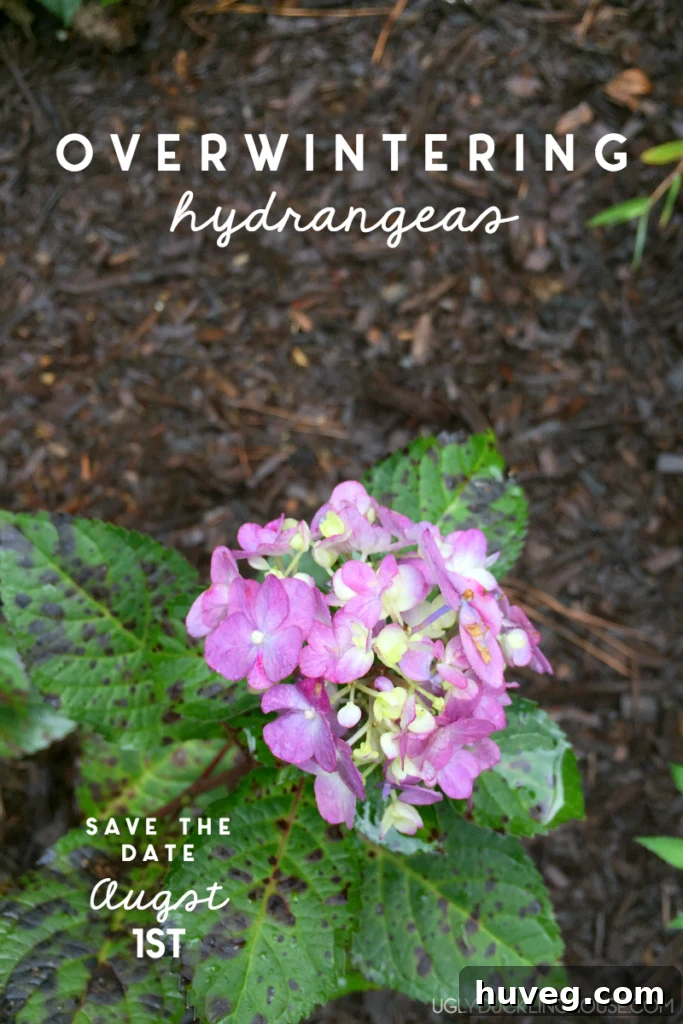
Let’s revisit the progress of this particular corner garden during the summer. I opted for the ‘Bloomstruck’ variety, known for its deep, moody colors. In other areas around my home, I’ve successfully grown the ‘Endless Summer Original’ variety, and their continuous bloom and re-bloom cycle from spring through summer truly captivated me. This positive experience led me to partner with Endless Summer Hydrangeas to explore the ‘Bloomstruck’ variety, anticipating its distinct color palette would be perfect for creating stunning floral bouquets.
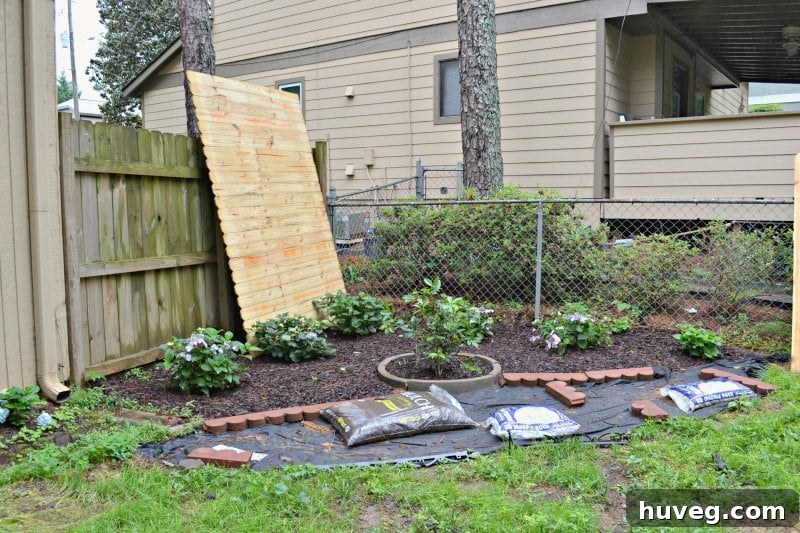
Throughout the summer, I diligently monitored their growth. You might also recall my plans to install decorative edging stones and gravel directly in front of the central tea olive tree. This specific spot is envisioned to become a tranquil reading bench once the tea olive matures, adding another layer of charm to the garden.
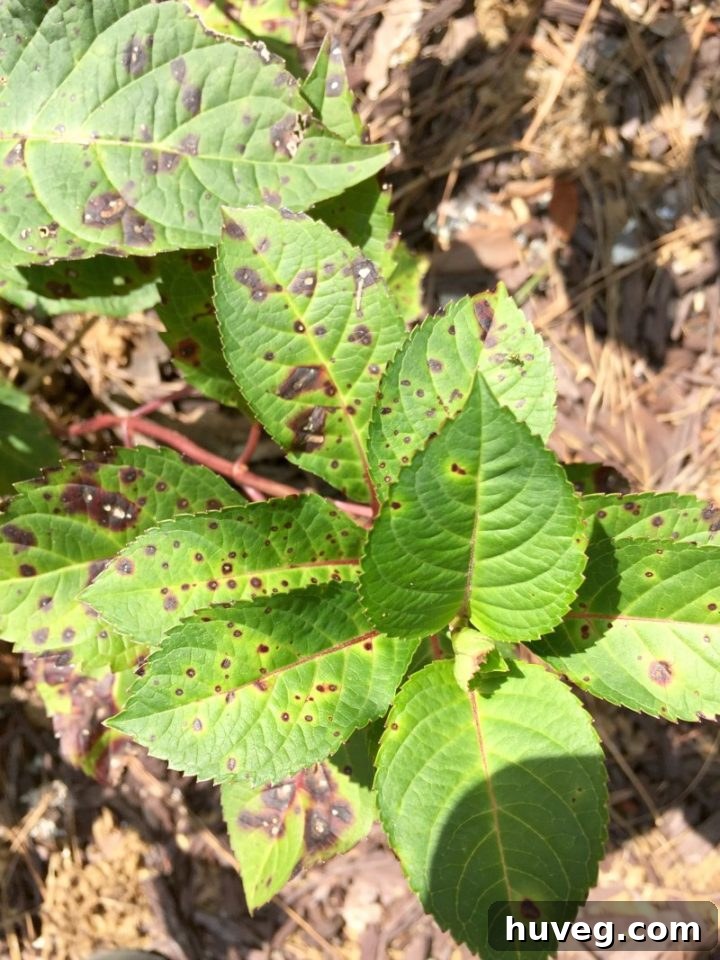
Atlanta has experienced an exceptionally wet growing season this year. Despite having disconnected the drip hose some time ago, the hydrangea leaves recently developed unsightly spots, a telltale sign of fungal disease often triggered by excessive moisture. While I had hoped for explosive growth in their inaugural season, bloom production can be hampered by factors like disease and overwatering. To ensure a robust recovery, I’m dedicating extra care this fall. Although these spots can be treated with a fungicide spray, given that dormancy is approaching, I plan to simply rake up the diseased leaves as they fall throughout winter. This simple act will significantly reduce the spread of the fungus, potentially making spring treatment unnecessary.
Despite this minor setback due to the relentless rain, the resilience of these plants is precisely what makes them so appealing. They can endure significant environmental stress, yet still bounce back vibrantly the following season, delivering stunning blooms regardless of what nature (or, *ahem*, an occasional inattentive gardener) throws their way. This inherent hardiness is a huge advantage for any gardener, especially those with busy schedules.
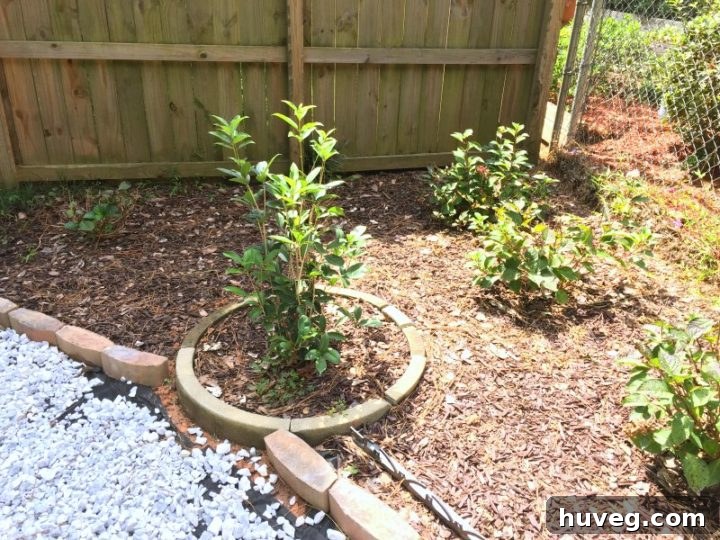
Currently, my hydrangeas are still gracefully blooming and forming new buds, preparing to showcase their magnificent fall colors. While they exhibited their characteristic vibrant purplish-blue hues throughout the summer, as autumn progresses, they will gradually transform, adopting richer greenish and reddish tones. This natural color evolution adds another layer of beauty to the garden as the seasons shift.
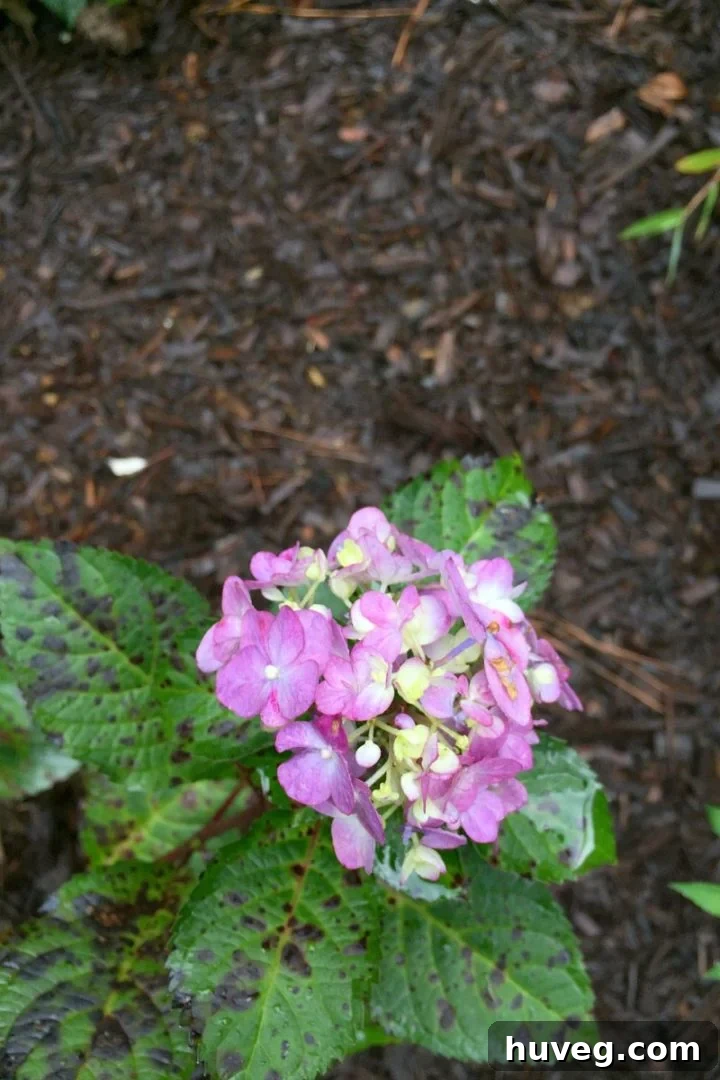
To give you a glimpse of this stunning autumnal display, here’s how the Original variety has graced my garden in previous years. Expect the ‘Bloomstruck’ variety to develop even deeper and more intense colors, adding a captivating dimension to the fall landscape:
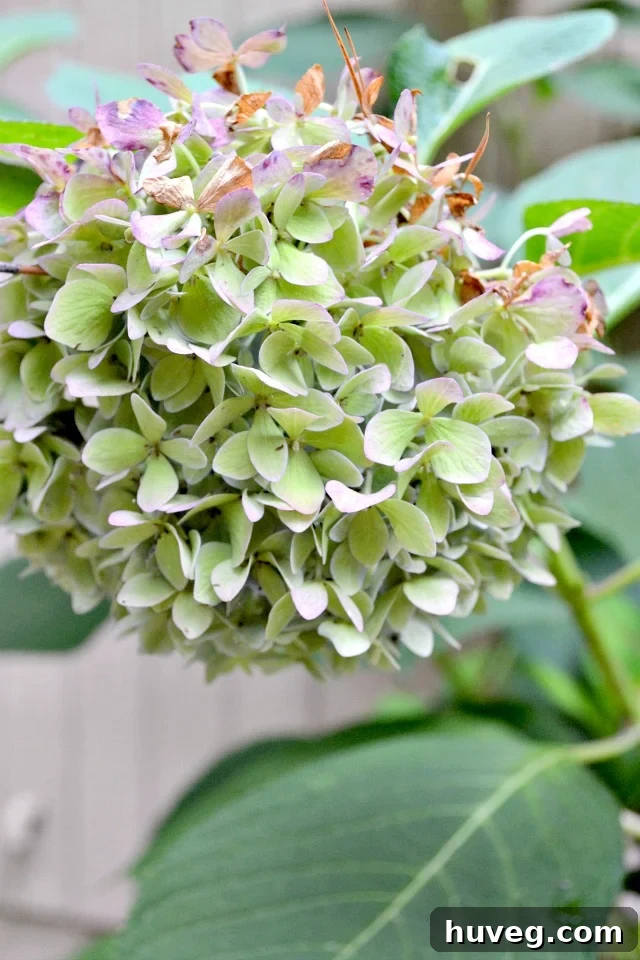
It’s worth noting that I’m *still* harvesting gorgeous bouquets from these flowers even as fall approaches. I’ll soon be sharing a dedicated post detailing my specific process for capturing high-quality phone photographs of my garden bouquets, much like this stunning example. Stay tuned for those photographic insights!
When and How to Prune Reblooming Hydrangeas for Maximum Blooms
Earlier, I emphasized the critical date of August 1st. This date is paramount for reblooming hydrangea varieties, such as the Endless Summer series. These exceptional cultivars produce blooms on both new wood (growth from the current season) and old wood (growth from previous seasons). To ensure an abundance of flowers in the upcoming spring and summer, it’s vital to avoid any significant pruning of the stems after August 1st.
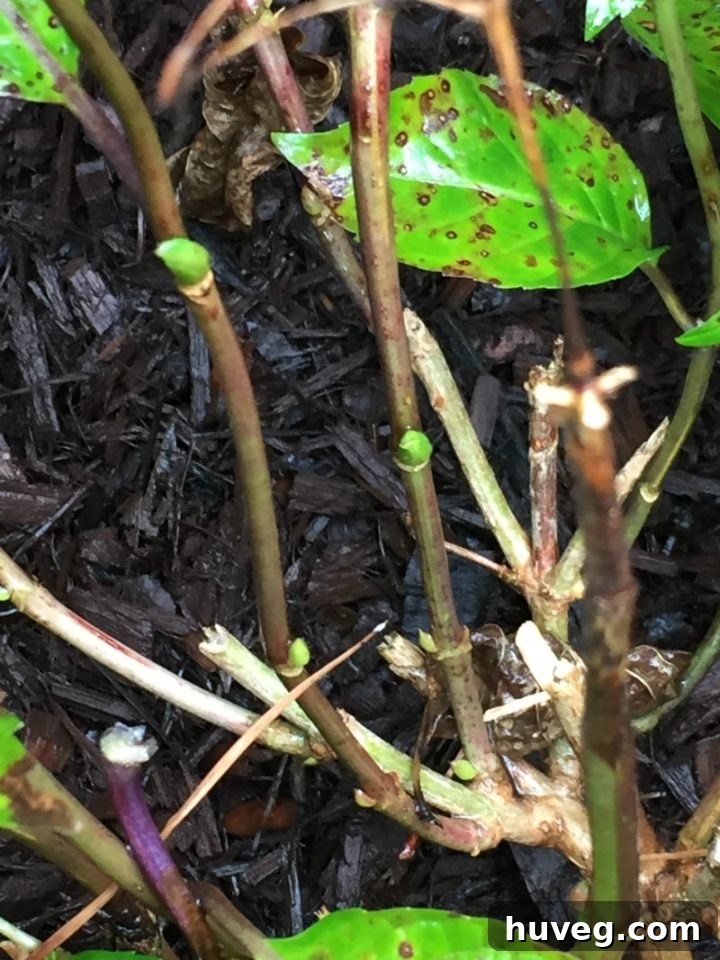
Cutting back after this date risks removing the flower buds that are already forming on the old wood, which are essential for early spring blooms. While removing diseased leaves is an exception and beneficial for plant health, I strictly refrain from cutting back healthy stems. As you can observe in the image below, these hydrangeas are already showing promising signs of new bud formation, setting the stage for a spectacular comeback. Honestly, the fact that *avoiding* the laborious task of extensive pruning actually makes these plants thrive better is one of the primary reasons I adore them so much!
Is Pruning Hydrangeas Always Necessary? Understanding When to Skip It
For many gardeners, the question of whether to prune hydrangeas can be daunting. The simple answer is: no, you don’t *always* have to prune them. In fact, there have been years where I’ve intentionally skipped pruning entirely. The primary outcome of not pruning is that your hydrangea will grow significantly larger and fuller than the previous year. This happens because neither new nor old growth is removed, allowing more blooms to form and more stems to develop across all branches, leading to a denser plant.
If you choose to skip a year, you might find it beneficial to prune them back more considerably the following year to maintain their shape and size. If your goal is to encourage your hydrangeas to grow larger and more robust in the next blooming season, simply leaving them alone, aside from deadheading old blooms and removing truly spent or dead branches, is a perfectly acceptable strategy. Just be cautious not to confuse “spent branches” with healthy “old wood” that will produce next year’s flowers. However, if your hydrangea begins to look too scraggly, overgrown for its space, or requires specific shaping, feel free to cut it down as needed. With reblooming varieties, I’ve even witnessed them cut all the way down to the ground and still make a strong return – a testament to their resilience, even after an unfortunate misunderstanding by a kind neighbor who mistook one for a weed while tidying my front yard!
Demystifying Deadheading: The Art of Removing Spent Blooms
If you’re relatively new to the world of gardening, you might have encountered the term “deadheading” without fully understanding its meaning. In simple terms, deadheading refers to the process of carefully removing spent or faded flowers from a plant. For hydrangeas, this involves snipping off blooms that have begun to turn brown, shrivel, or become crispy. While it might seem purely cosmetic, deadheading plays a crucial role in the plant’s health and continuous bloom cycle.
By removing these spent blooms, you redirect the plant’s energy from seed production back into developing new flowers or strengthening its overall growth. This can often encourage additional flushes of blooms throughout the season, leading to a more vibrant and extended display. It also maintains a tidy appearance, preventing the plant from looking cluttered with fading flowers. The process is straightforward: simply snip the faded bloom just above the first set of healthy leaves or buds below the flower head.
Understanding Hydrangea Wood: Old, New, and Dead – A Visual Guide
Distinguishing between different types of wood on your hydrangea is fundamental for effective pruning and care. While a clear visual guide is ideal, I can describe the key differences:
- Old Wood Stems: These are the older, more mature stems from previous growing seasons. They typically appear thicker, woodier, and have a noticeably browner bark. Even if they seem inactive, these stems are crucial as many reblooming hydrangeas set their first wave of buds on this old growth. You might observe subtle nubs or developing buds along these older stems.
- New Wood Stems: These are the fresh, vibrant green stems that emerged during the current growing season. They are softer, more flexible, and visibly younger than old wood. Reblooming hydrangeas will also produce flowers on this new growth later in the season.
- Dead Wood Stems: These stems are completely devoid of life. They are usually brittle, dark brown or grey, and show no signs of green tissue when scratched. Importantly, they will not produce any new growth or buds. Dead wood serves no purpose for the plant and should always be removed to promote air circulation and prevent potential disease.
Understanding these distinctions is essential, especially when deciding when and where to make your pruning cuts to maximize your plant’s potential for abundant blooms.
The Impact of Late Pruning: Avoiding Common Mistakes for Abundant Flowers
As highlighted with the August 1st rule, pruning hydrangeas too late in the season, particularly for reblooming varieties that flower on both old and new wood, can significantly diminish the following year’s bloom count. When you prune after this crucial period, you risk cutting off the nascent flower buds that have already formed on the old wood. These buds are programmed to open and provide those coveted early-season blooms.
I must confess, there have been times when I’ve been a bit too late with my pruning, or perhaps I’ve needed to drastically cut back a plant for shaping purposes. In such instances, to mitigate the loss of blooms, I’ve resorted to cutting stems back only to just above a new, visible bud. This strategy helps to increase the chances of still getting some blooms the next spring while achieving the desired reduction in size. Furthermore, living in the South means that August can sometimes be early enough in the season for new buds to still form vigorously even after a substantial trim, thanks to our extended growing periods:
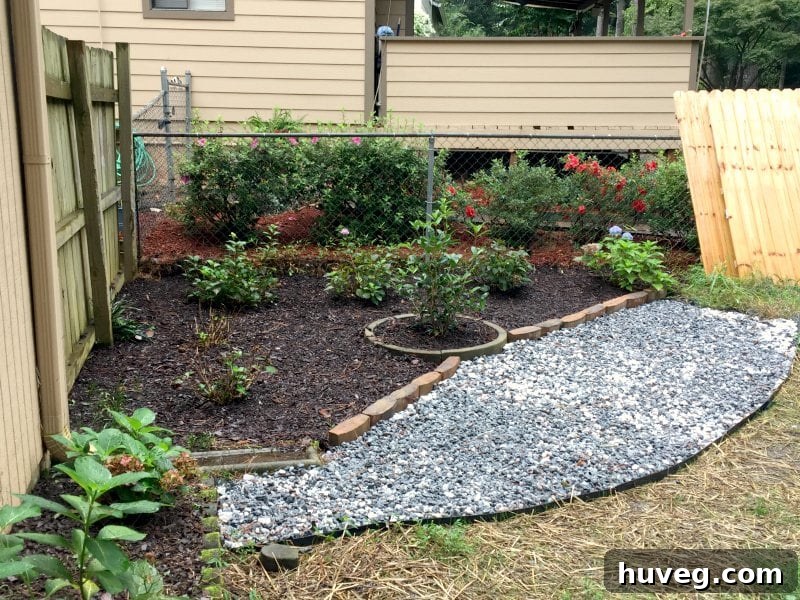
Now, let’s circle back to the broader updates in my garden area. My recent discovery of an incredibly inexpensive source for gravel material led to a pivotal change halfway through filling the gravel area in front of the garden. Initially, I had started with marble chips, purchased in small, costly bags. I quickly switched gears in favor of crushed granite, which proved to be far more economical, costing a mere $15 for half a ton! While the color difference between the two types of gravel is more pronounced when wet, once dry, the variation is barely noticeable. Over time, as I replenish the gravel each season, everything will blend seamlessly, creating a uniform appearance.
Wet Gravel:
Dryer Gravel:
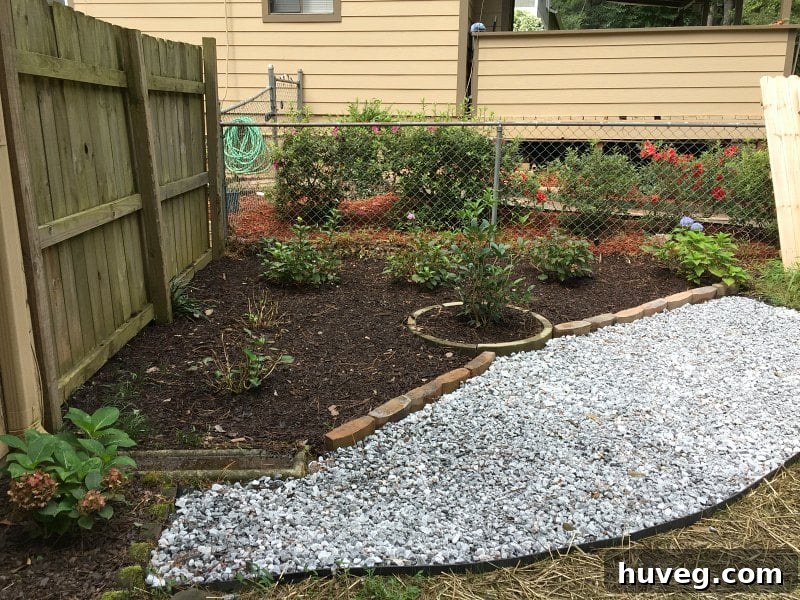
I also invested in some new edging stones that I find far more aesthetically pleasing than the ubiquitous red scalloped edging that unfortunately permeates much of my yard (I’ve literally dug it up in countless spots!). Crucially, I applied a generous new layer of mulch to the garden beds, a vital step for effective overwintering. In colder climates, gardeners typically pile the mulch even thicker, but given that our temperatures here will remain relatively warm for several more weeks, an additional two inches has proven effective for my other garden areas in past years. This layer acts as an insulating blanket, protecting the roots from temperature fluctuations and retaining essential soil moisture.
Between the new edging and the underlying landscaping fabric, a clear and tidy division now exists between the gravel area and the garden beds. My long-term vision includes adding a DIY bench to this spot, creating a charming little reading nook. I’m still contemplating whether to construct a custom bench or restore a vintage wrought iron piece. In my mind’s eye, I envision myself happily seated in this serene area a few seasons from now, engrossed in a favorite book or perhaps working on my laptop outdoors. Based on my experience, years two and three often bring about explosive growth, provided the plants remain healthy. I am eagerly anticipating everything bursting with color next year. The tea olive, too, will eventually bloom with small, exquisitely fragrant white flowers, which I believe will create a truly beautiful and harmonious blend with the hydrangeas.
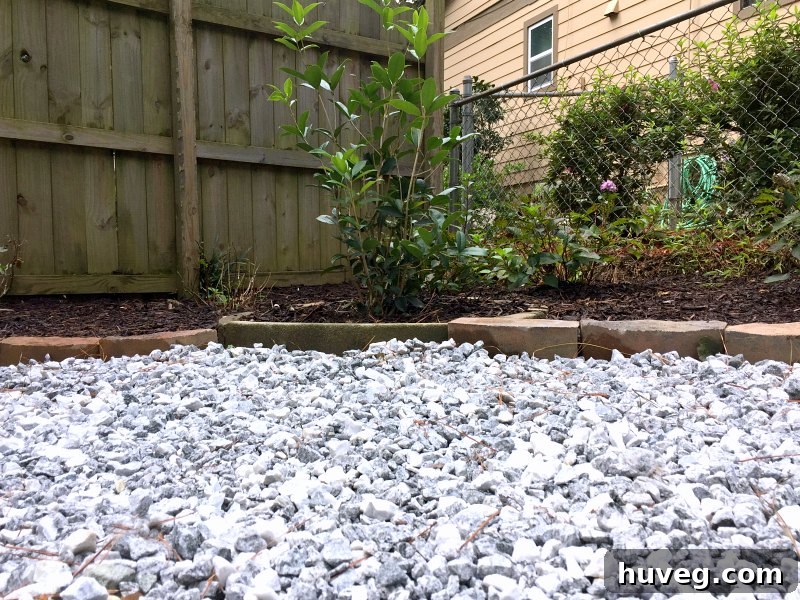
Furthermore, plans are underway to add fencing to one side of the garden, specifically to conceal the existing chain-link fence (you can see here how I’ve already begun removing chain link from other parts of the backyard). This project is actively in progress and I anticipate sharing an update on its development soon, further enhancing the overall aesthetic and privacy of this garden oasis.
Disclosure: This project was sponsored by Endless Summer Hydrangeas. All words and opinions are 100% my own. Hope you enjoy!
More Hydrangea Ideas
More Hydrangea Guides
SEE ALL
From helping them grow, changing their color, to crafting exquisite bouquets, our comprehensive guides cover every aspect of cultivating hydrangeas!
-
3 Easy Ways to Propagate Hydrangeas
-
FAQs About Hydrangeas: Everything I Know About How to Grow Beautiful Hydrangeas
-
When & How to Prune Hydrangeas (Fall & Winter Care)