Chosen Blindness

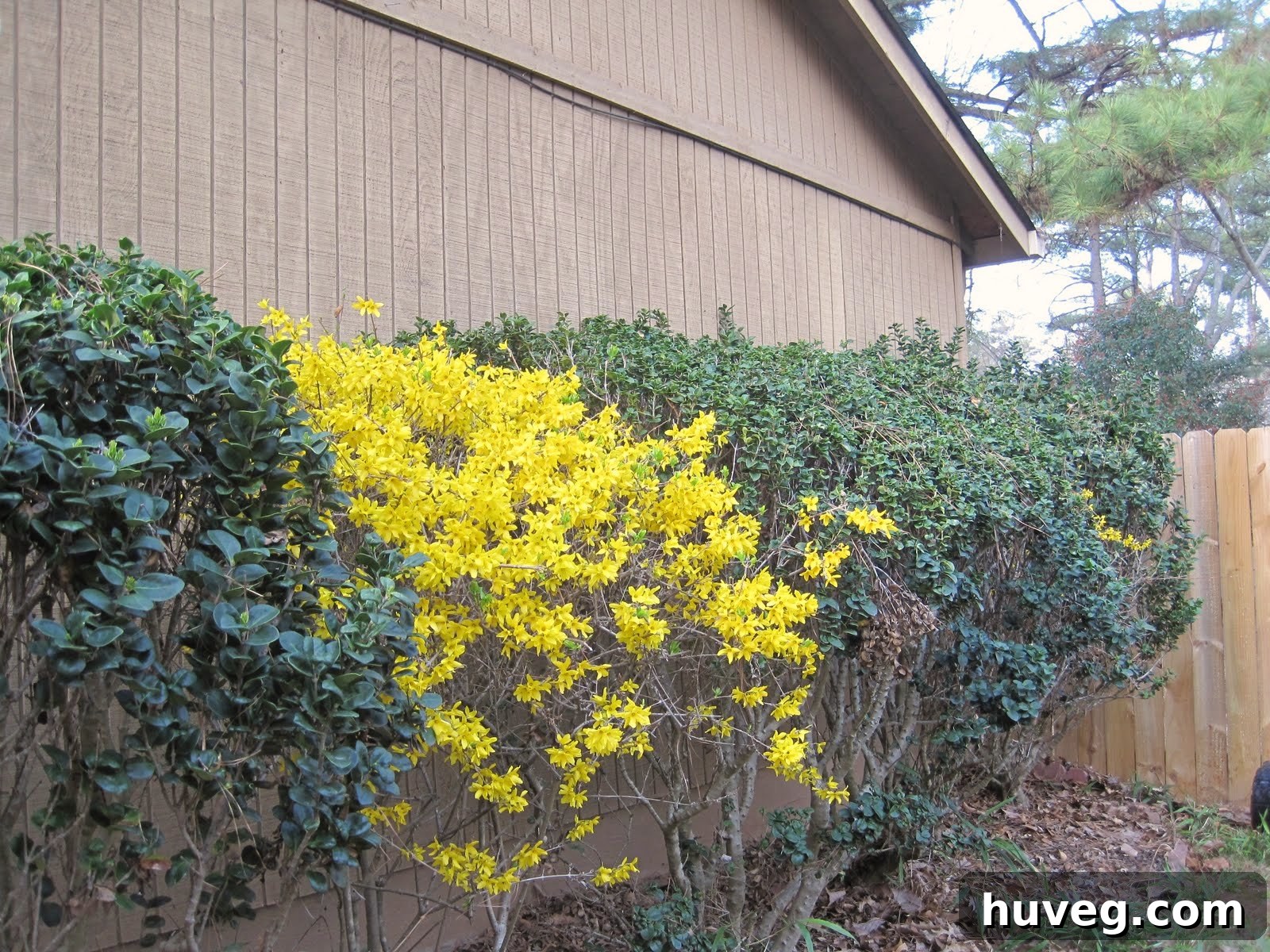
It’s a peculiar thing, the way we navigate our immediate surroundings. Often, the most vibrant and remarkable elements of our daily lives can remain hidden in plain sight, simply because we haven’t taken a moment to truly observe. I’ve found myself in this very predicament, struggling to articulate the recent transformation in my own backyard, not due to a lack of words, but due to a profound lack of prior observation. It’s as if a veil has been lifted, revealing a spectacle I’d overlooked for far too long, like a brilliant splash of sunshine yellow that had been there all along.
And what a revelation it has been! Suddenly, my garden bursts with the cheerful greetings of beautiful yellow flowering plants. It’s almost embarrassing to admit, but I had absolutely no idea they were there, thriving and flourishing on the side of my home. The fact that I’ve resided here for over a year only amplifies the irony of my oversight. How does one live with such an energetic display of nature’s beauty and remain utterly oblivious? It speaks volumes about the hurried pace of modern life and the importance of truly pausing to connect with our environment.
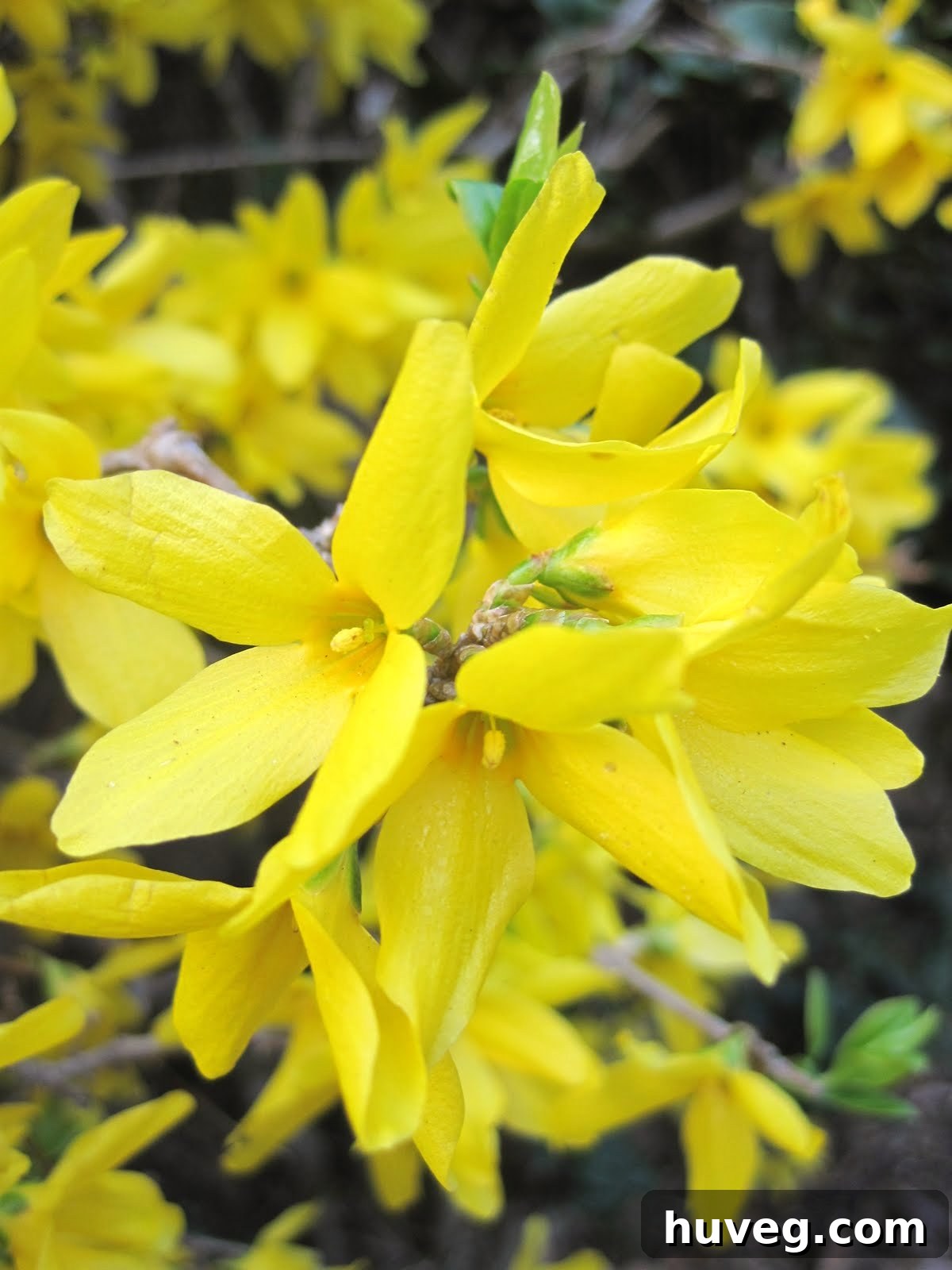
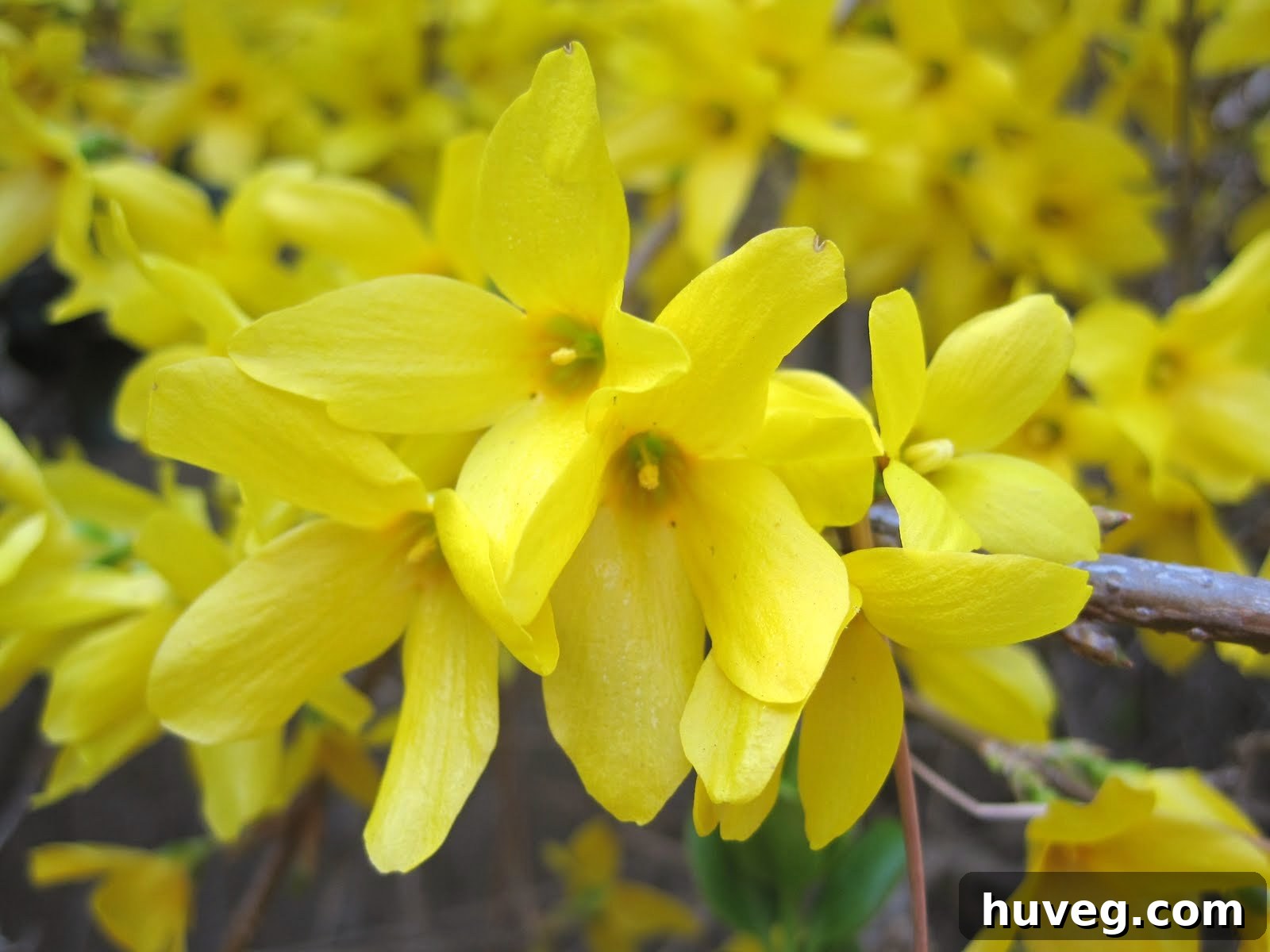
A Golden Revelation: Unveiling the Vibrant Yellow Blooms
Seriously, how can anyone miss two giant, brilliantly yellow flowering shrubs taking center stage on the side of their house? I honestly swear they simply popped up out of nowhere, seemingly overnight, with their branches now laden with an almost neon intensity rather than a soft, warm yellow. This electrifying hue creates a stunning contrast against the still-waking landscape of early spring. The sheer volume of their bloom is captivating, transforming an otherwise unassuming corner of the yard into a beacon of vibrant life. It’s neat, indeed – a joyful, unexpected burst of color that instantly lifts the spirits and demands attention.
The Curious Case of the Overlooked Garden Gems
My initial bewilderment quickly gave way to curiosity. Was I truly so unobservant, or did these plants undergo such a dramatic transformation that they became unrecognizable? Perhaps, in the past, I dismissed them as mere shadows or even as dying plants, a common sight in many older gardens, including parts of my own. It’s easy to glance at something, make a snap judgment, and then mentally file it away, never to truly see it again until something extraordinary happens. This phenomenon of “observational blindness” is a fascinating aspect of human perception, where our brains filter out what we deem irrelevant, sometimes at the cost of missing true beauty.
The garden is a dynamic ecosystem, constantly evolving with the seasons, and perhaps I simply hadn’t been tuned into its frequency. The sudden proliferation of these yellow flowers serves as a potent reminder to slow down, to engage our senses, and to truly look at the world around us. What other hidden wonders are lurking in plain sight, waiting for our conscious attention?
Unmasking the Mystery: Is it Forsythia?
Intrigued by their sudden prominence and dazzling display, I embarked on a mission to identify these mystery shrubs. My primary source, as for many modern questions, was Google. A quick image search for “early spring yellow flowering shrubs” quickly led me down a path to what I strongly suspect is Forsythia. Based on its characteristic vibrant yellow blossoms that appear before the leaves emerge, its sprawling growth habit, and its general hardiness, the evidence strongly points to this popular deciduous shrub.
Forsythia, often hailed as one of the harbingers of spring, is truly a spectacular sight. Native to East Asia, these hardy shrubs are celebrated for their profusion of bright, bell-shaped yellow flowers that burst forth in early spring, often as early as March, even before many other plants show signs of life. They thrive in full sun to partial shade and are relatively low-maintenance, making them a favorite for landscapers and home gardeners alike. They can grow quite large, reaching heights of 6 to 10 feet with a similar spread, often forming dense thickets that create an impressive visual barrier or a stunning focal point. Their woody branches, once vibrant with blooms, will later sprout green leaves that provide a pleasant backdrop for summer, sometimes even turning a lovely purplish-yellow in autumn. The discovery of these plants in my yard has not only added beauty but also a fascinating botanical puzzle to solve. Am I right in my identification? Your insights are welcome!
Understanding Forsythia also comes with knowing its needs. Proper pruning, ideally right after flowering, helps maintain its shape and encourages more blooms for the following year. They prefer well-drained soil and consistent watering, especially during dry spells. Despite their robust nature, ensuring they have adequate space to grow and good air circulation can prevent common issues. This newfound understanding has sparked a desire to learn more about everything else growing in my garden, turning a simple oversight into a fulfilling educational journey.
The Tale of the Struggling Shrub: Nurturing Nature’s Resilience
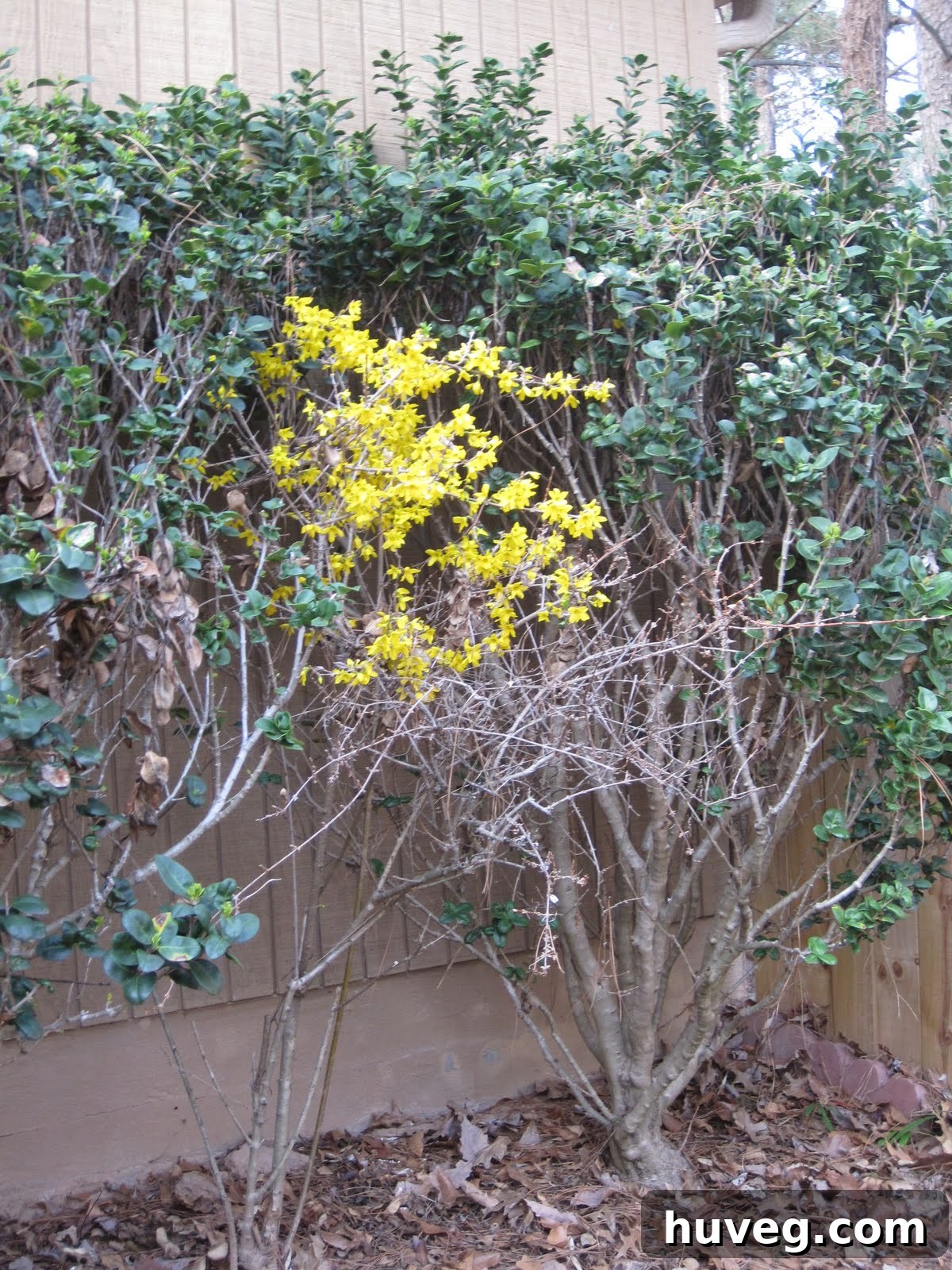
Amidst this joyous discovery, there’s also a poignant observation: one of the yellow-flowering plants appears to be struggling. While its counterparts are exploding with neon glory, this particular shrub looks like it’s not doing so well. Its branches are sparser, the blooms less abundant, and its overall demeanor suggests a battle for survival. It almost seems bullied by the two other robust plants beside it, perhaps vying for essential resources like sunlight, water, and nutrients in a confined space. This scenario is quite common in crowded garden beds where vigorous growers can inadvertently overshadow and outcompete weaker neighbors.
Observing a struggling plant prompts a deeper look into the intricate dynamics of a garden. Is it a lack of light due to the overshadowing giants? Is it insufficient water reaching its roots, or perhaps depleted soil nutrients? Could it be suffering from a disease or pest infestation that I haven’t noticed? Revitalizing a struggling plant often begins with careful observation and a bit of detective work. Sometimes, a simple adjustment like improving soil quality, providing targeted watering, or even carefully pruning competing branches can make a significant difference. It’s a gentle reminder that even in the midst of abundance, some parts of nature require a little extra care and attention to truly flourish. My next project will undoubtedly involve assessing this particular shrub’s needs and attempting to nurse it back to health, hoping it too can one day join the vibrant spectacle.
Cultivating Observance: Finding Joy in Your Green Space
This entire experience has been a powerful lesson in cultivating observance and appreciation for the natural world right outside my door. It’s easy to take our surroundings for granted, to rush through life without truly seeing the beauty that unfolds daily. My garden, initially a backdrop, has transformed into a stage for endless discoveries and delightful surprises. Each new bloom, each rustling leaf, each buzzing insect now holds the potential for wonder. It has encouraged me to slow down, take regular garden walks, and engage with the flora and fauna in a more mindful way. The simple act of noticing can transform the mundane into the magical, revealing hidden narratives and intricate designs that we might otherwise miss.
Gardening, in any capacity, is a continuous journey of learning and discovery. It teaches patience, resilience, and the joy of nurturing life. Even for someone who might not consider themselves an avid gardener, the act of observing one’s green space offers a meditative escape, a connection to something larger than ourselves. It reinforces the idea that nature is constantly changing, offering new perspectives and new beauty with each passing season. The initial embarrassment of my oversight has been replaced by a profound sense of gratitude for this golden revelation and the deeper connection it has fostered with my home and its living landscape.
Your Guide to Garden Discovery: Tips for the Curious Observer
If my story resonates with you, and you’re inspired to uncover the hidden gems in your own garden, here are a few tips to get started:
- Take Regular Garden Walks: Make it a ritual to stroll through your garden daily or weekly, not with a task list, but with a curious mind. Look at plants from different angles, observe the light, and notice the subtle changes.
- Use Plant Identification Apps: Modern technology can be a great ally. Apps like PictureThis or Google Lens can help you quickly identify plants you don’t recognize, turning a mystery into a learning opportunity.
- Keep a Garden Journal: Document your observations. Note when plants bloom, when leaves emerge, or when you notice a struggling plant. This record can help you understand your garden’s rhythm and needs over time.
- Don’t Be Afraid to Get Close: Get down on your hands and knees. Examine the intricate details of a flower, the texture of a leaf, or the tiny creatures that inhabit your garden. The closer you look, the more you’ll discover.
- Embrace the Learning Curve: You don’t need to be an expert to appreciate your garden. Every observation, every identified plant, and every nurtured sprout adds to your knowledge and connection with nature.
My garden, once a familiar but unexamined space, has transformed into a vibrant classroom, filled with endless lessons and breathtaking surprises. The sudden, glorious appearance of these bright yellow blooms has not only added an incredible splash of color to my yard but has also opened my eyes to the profound beauty that often lies hidden in plain sight. It’s a wonderful reminder that sometimes, all it takes is a moment of conscious observation to uncover the extraordinary in the everyday. I encourage everyone to take a moment today, step outside, and truly see the world around them – you might be amazed by what you’ve been missing.