Forever Home: Can Decor Truly Defy Time?

The allure of a dream home often conjures images of timeless elegance: exposed brick walls exuding character, expansive windows flooding spaces with natural light, and classic French doors opening to inviting views. These elements, revered for their enduring appeal, embody a delightful blend of old-world charm and modern sophistication. It’s this rich tapestry of styles – an eclectic mix of home and travel, playful and refined – that transforms the journey of buying and decorating a house into an exciting adventure. Yet, it’s a curious thought that many of these “classic” design features we cherish today were once mere passing fads, the must-have trends that captivated an earlier generation.
However, the modern era has undeniably accelerated the life cycle of trends. Unlike the shoulder pads and babydoll dresses that once defined decades of fashion, the digital age, propelled by platforms like Pinterest and Instagram, propels us at breakneck speed through what’s “new,” then “now,” and then inevitably, “passé.” The word “trend” has, in many circles, become synonymous with disposability – a momentary craze destined for obsolescence almost as soon as it appears. This rapid turnover creates a unique challenge for homeowners who aspire to create spaces that feel both current and enduring.
But must it truly be this way? Does embracing contemporary style mean resigning ourselves to a constant cycle of redecoration? In my experience, and strong opinion, absolutely not.
As much as I adore the bohemian free spirit, the sophisticated charm of French design, the raw appeal of industrial aesthetics, the clean lines of mid-century modern, and even the serene calm of coastal themes, my budget has practical limits. The thought of continually replacing furniture and decor as styles fade is simply not feasible. After all, a primary motivation for buying a home over renting was to invest my resources wisely, seeing a return on my efforts and expenses, rather than watching them disappear into fleeting fads.
This pragmatic approach led me to seek out a house with “good bones” – a property blessed with optimal space, abundant natural light, and a functional layout that promised a solid foundation for long-term investment. Through nearly a decade of dedicated DIY projects, I’ve honed a set of principles designed to ensure that my home decor choices, much like my home purchase, are sound investments. These strategies are not about avoiding all new ideas, but rather about discerning which elements will contribute to a home that feels perennially stylish and deeply personal.
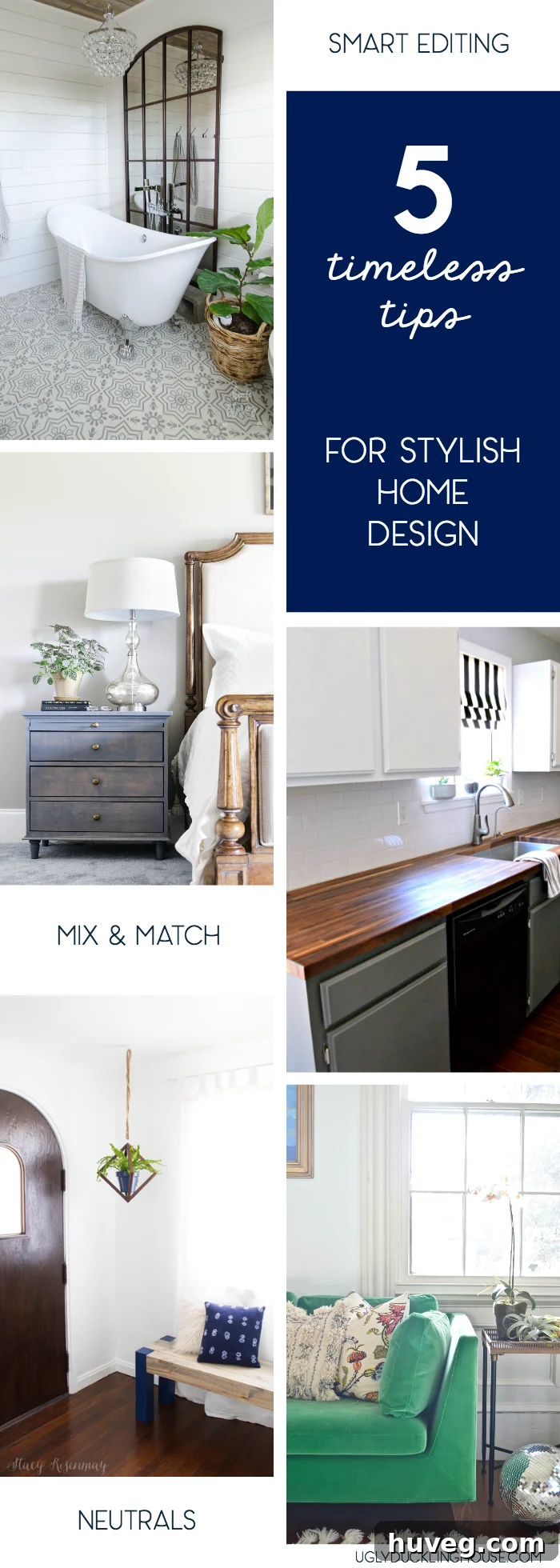
How to Make Sure Your Home Design Is as Good an Investment as Your New Home
5 tips for making the things you love STAY the things you love.
Mix Instead of Match for Enduring Style
My personal style might best be described as “global eclectic.” But truly, that’s just a sophisticated way of saying I rarely commit to one singular aesthetic, and the idea of everything being perfectly matched leaves me cold. My home is a curated collection: a Moroccan-inspired peacock mirror graces the hallway, dining room walls boast a modern blue hue, industrial bar stools anchor the kitchen, a plush sheepskin drapes over living room chairs, and antique treasures are thoughtfully placed throughout. No single style dictates the entire space; instead, they converge to create a unique narrative.
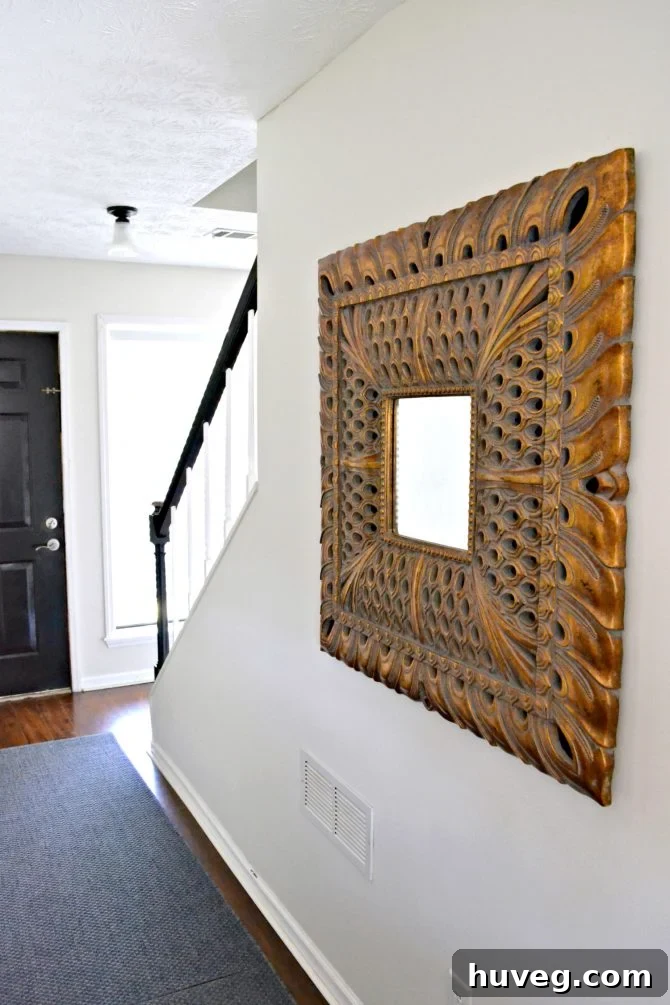
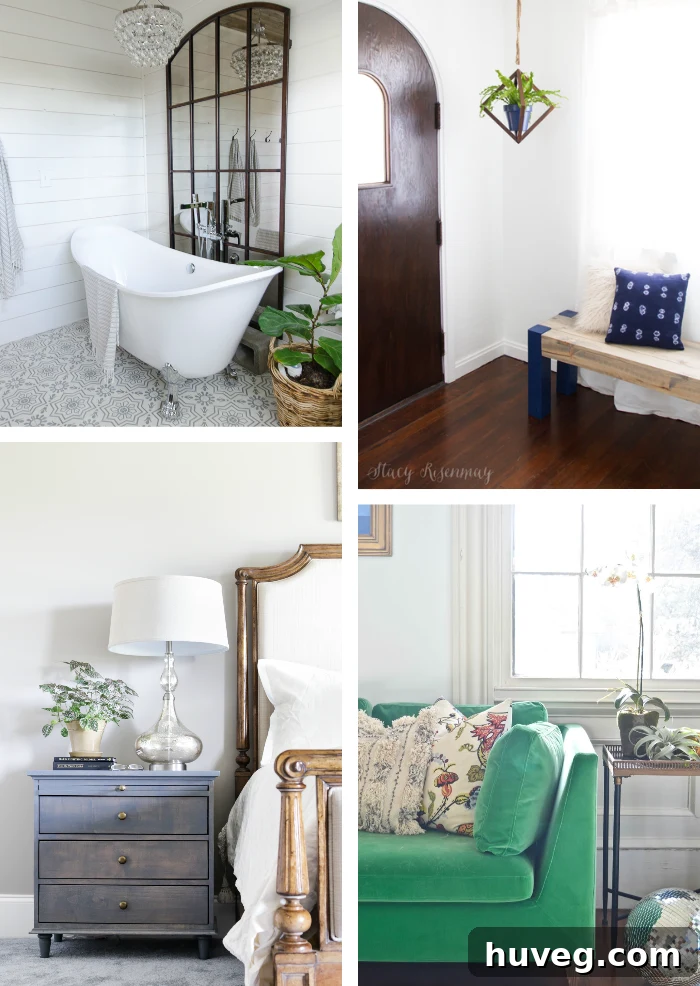
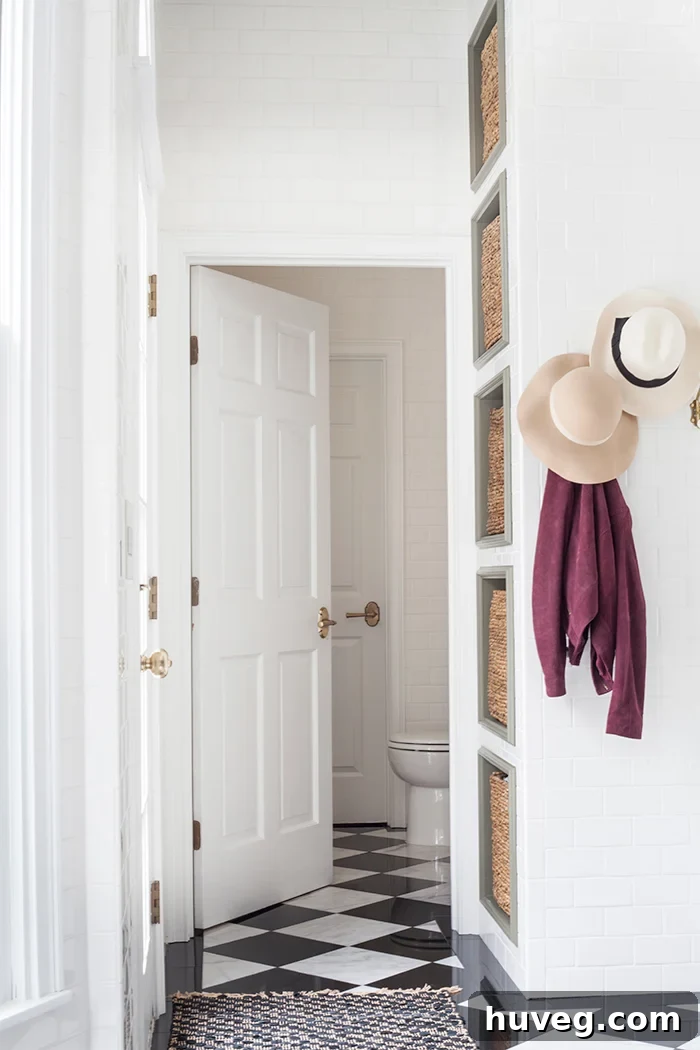
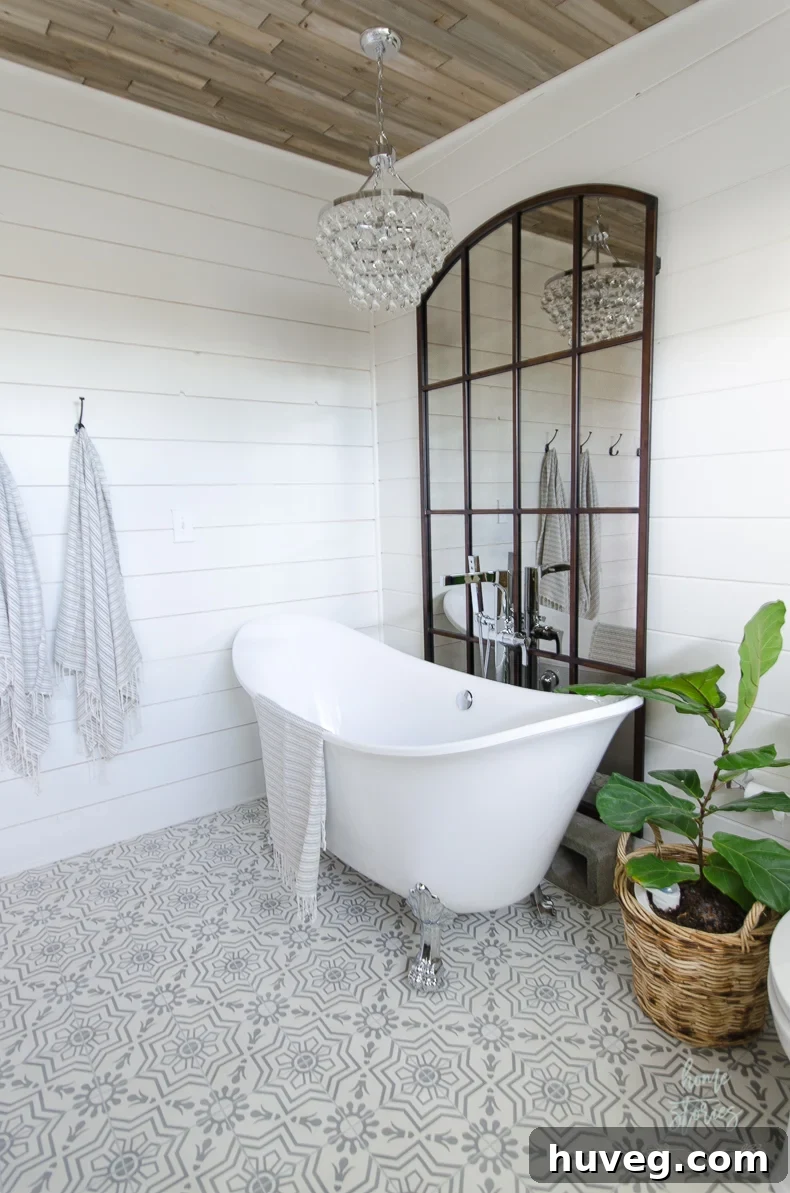
In my view, designing a home that looks like a single store catalog exploded within your living room is the quickest route to “Outdatedsville.” Instead, the art of collecting and combining pieces from diverse styles – even different trendy styles – is what keeps a space feeling fresh, unique, and deeply personal over time. This approach allows your home to tell a story of your travels, your interests, and your evolving tastes, rather than simply reflecting a moment in retail design. Consider the stunning example of Beth from Home Stories A to Z. Her master bathroom is a masterclass in harmonious blending, featuring classic subway tile paired with global-inspired cement floor tiles, sleek modern urban fixtures, and rustic farmhouse elements like shiplap walls and a custom vanity. The result is a space that transcends individual trends, achieving a timeless beauty that feels both current and deeply rooted.
Go Neutral for Enduring Foundations
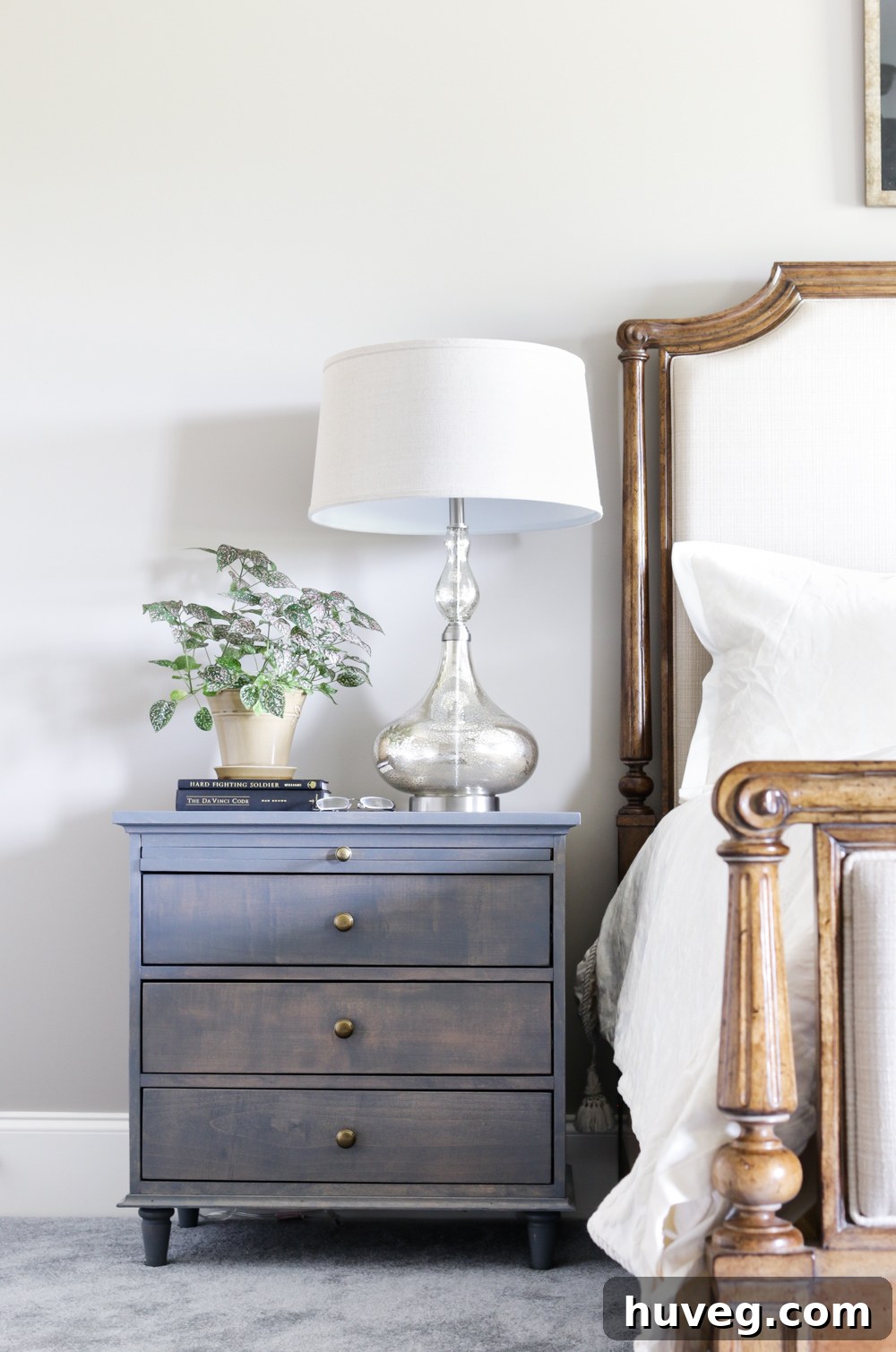
When it comes to significant investments like sofas, beds, or permanent architectural details such as French doors, I advocate for a strategically neutral palette. While these substantial items can certainly incorporate intriguing design elements, I generally lean towards picking just one subtle feature that might nod to a current trend – perhaps the exposed, slender legs often seen in mid-century modern furniture, or a unique texture. The key, however, is to pair this singular trendy accent with a neutral fabric or finish. Rather than choosing a mid-century sofa (a trend) in the “color of the moment” (another trend), you consciously select one or the other. This approach ensures versatility, allowing your foundational pieces to transition seamlessly from one style preference to the next without requiring costly replacements.
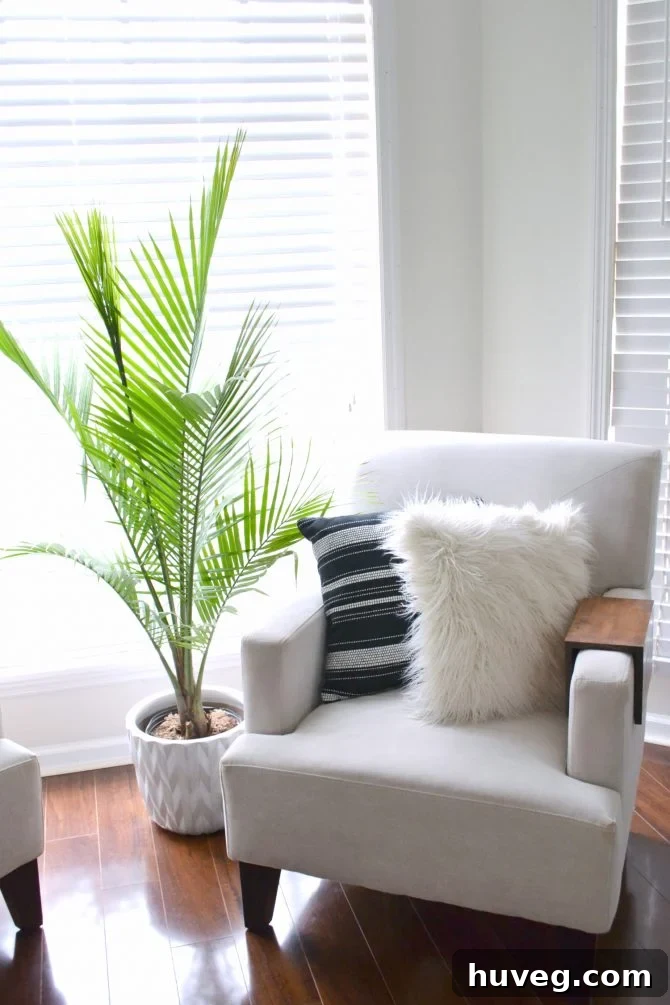
Neutral backdrops, whether on large furniture or walls, also serve a crucial purpose: they allow your home’s inherent character and unique architectural features to truly shine. Imagine an elegant archway or my beloved grand bow windows – a neutral surrounding palette ensures these elements become focal points, rather than competing with overly busy patterns or loud colors. This creates a calm, sophisticated canvas upon which you can layer personality through smaller, easily changeable decorative items. Neutrals offer a serene atmosphere and a sense of spaciousness, providing a timeless base that anchors your entire home design.
Edit, Edit, Edit for a Refined Aesthetic
The trends we eventually grow to dislike most intensely are often those that become ubiquitous, saturating every corner of the design world. They’re akin to a fleeting infatuation – intense at first, only to reveal irritating flaws once overexposed. Some design elements are simply not meant to endure, and that’s perfectly fine. The critical distinction lies in ensuring these ephemeral items are not where you make your significant financial investments. For trendy pieces, consider them as accents rather than anchors. Bring them into your home through throw pillows, vases, small art pieces, or other easily replaceable decor. When you inevitably tire of them or wish to experiment with something new, you can swap them out without feeling the pinch of a hefty financial loss.
On the flip side of the editing coin, clutter is another significant culprit that causes a space to feel dated and chaotic. Beyond just aesthetics, excessive clutter detracts from the inherent beauty of your home, stealing attention from those cool architectural features that deserve a spotlight – like my cherished big windows. The adage “too much of a good thing is never wise” rings particularly true in home decor (breakfast food being a notable exception!). When you discover a trend or style you genuinely like, by all means, incorporate it. However, practice restraint: layer it in thoughtfully instead of purchasing every item from a single collection or replicating a look wholesale. Ruthlessly edit out pieces that don’t truly fit, serve a purpose, or spark joy, and you’ll create a cohesive, elegant, and timeless environment.
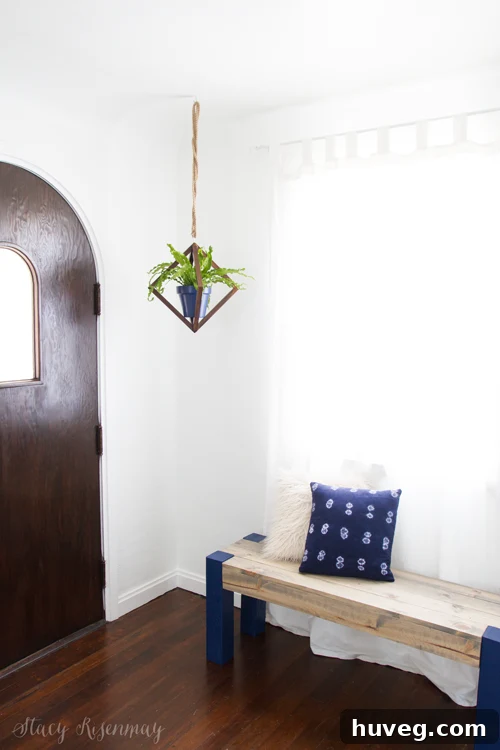
Stacy Risenmay, living in a tiny 1938 home with four active boys, exemplifies this principle. She is a master at decluttering and curating, ensuring her space remains gorgeous and packed with style, despite its practical demands. Her ability to identify and remove what isn’t needed, while still maintaining a beautiful and functional home, offers invaluable lessons in mindful editing.
‘Round and ‘Round We Go: Embracing Cyclical Classics
A significant portion of today’s trends are deeply rooted in nostalgia. Elements like classic subway tiles, robust exposed brick, vintage-inspired kitchen faucets, and the warmth of reclaimed wood all draw their appeal from eras past. It comes as no surprise, then, that many of the styles we label as “trends” are inherently cyclical. They emerge into fashion, often becoming so prevalent that we eventually grow tired of them, leading us to move on to the next new thing. But invariably, after a period of absence, these very styles resurface, once again feeling fresh, relevant, and inspiring. This cyclical nature of design offers a powerful insight into creating enduring spaces.
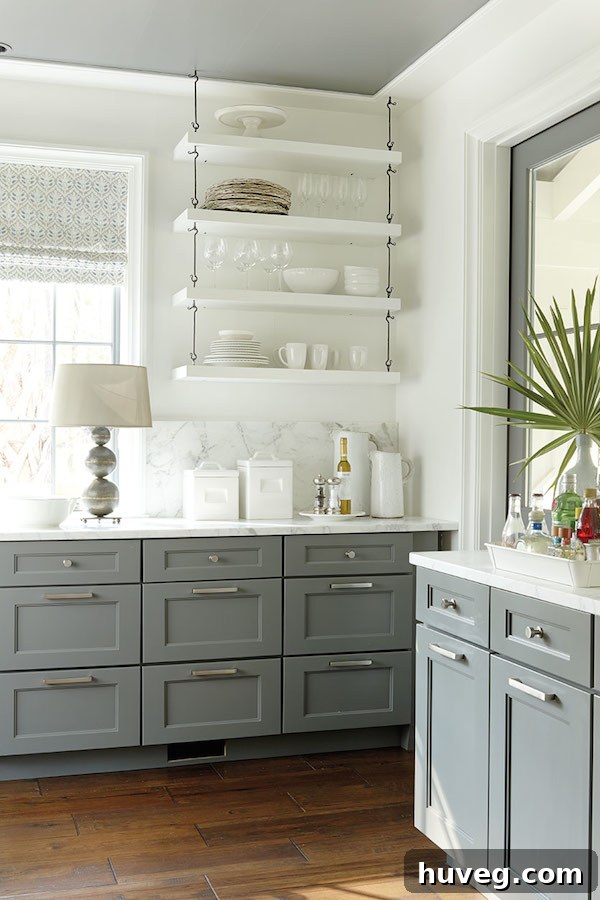
But what accounts for this persistent return? Beyond mere aesthetics, I believe it fundamentally comes down to how these spaces make us feel – a sense of happiness, comfort, and often, simplicity. This understanding underpins my appreciation for the concept of “classic with a twist.” While a particular interpretation might fall out of mainstream popularity in a decade, the core “classic” elements that are trending today are largely just reinterpretations of periods that have already come and gone. This realization is incredibly liberating, removing much of the pressure to constantly innovate. Finding a fresh take on an older, proven design is a far simpler and more reliable goal than attempting to reinvent the wheel, making it less likely that your choices will feel dated quickly.
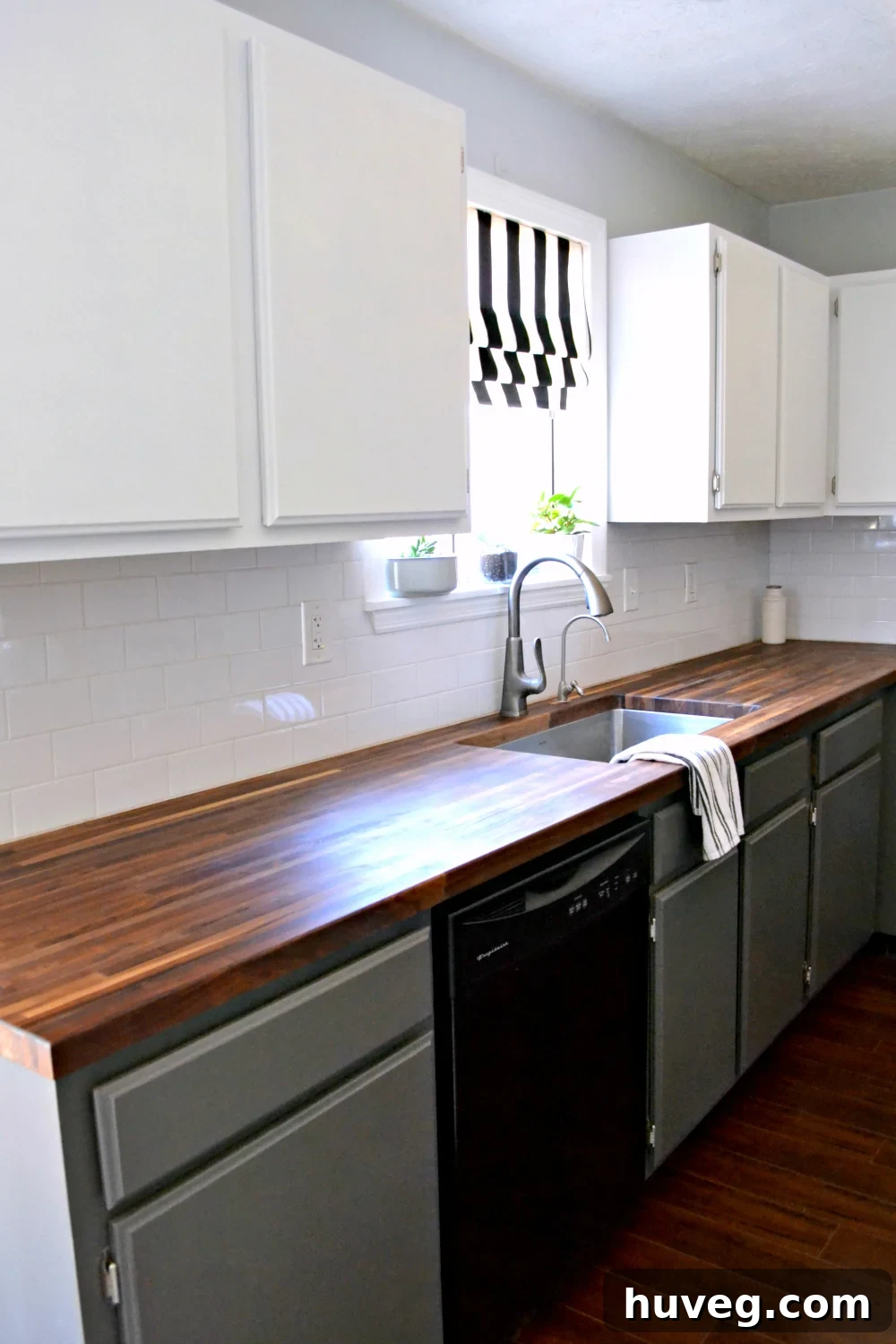
Consider, for instance, my kitchen’s two-tone cabinets. This look, a charming vintage staple, has enjoyed a significant resurgence in popularity over the past decade. While it may not appeal to everyone, I consistently receive compliments on its simultaneous retro and modern appeal. It’s a perfect example of how a classic element, when given a contemporary touch, can achieve a timeless quality. Similarly, integrating traditional wainscoting with a bold, modern paint color, or pairing classic lighting fixtures with unexpected finishes, allows you to honor history while maintaining a current sensibility. This approach creates a dialogue between past and present, ensuring your home remains engaging and stylish for years to come.
Focus on Your Faves: Trusting Your Authentic Style
I have an unwavering aversion to burlap. I truly despise it. Yet, I understand that countless individuals adore its rustic charm, even to the extent of using this scratchy fabric for pillows they lean against nightly in their bedrooms. I’ll confess, as I observed burlap’s increasing popularity and its beautiful integration into various design schemes, I occasionally found myself questioning whether to purchase some for a table runner. The ultimate compass for distinguishing genuine preference from external influence, however, remains remarkably simple: it’s your gut feeling. That innate sense of attraction or repulsion is your most honest guide.
Some homes possess an undeniable “it” factor – a unique allure that leaves you pondering whether you should acquire all the same pieces. But the magic isn’t solely in the specific couch or the particular rug. Instead, it’s often the palpable energy that arises because the homeowner selected those items out of genuine, unadulterated love. This personal connection infuses the space with authenticity and character that cannot be replicated by simply copying trends or showroom displays.
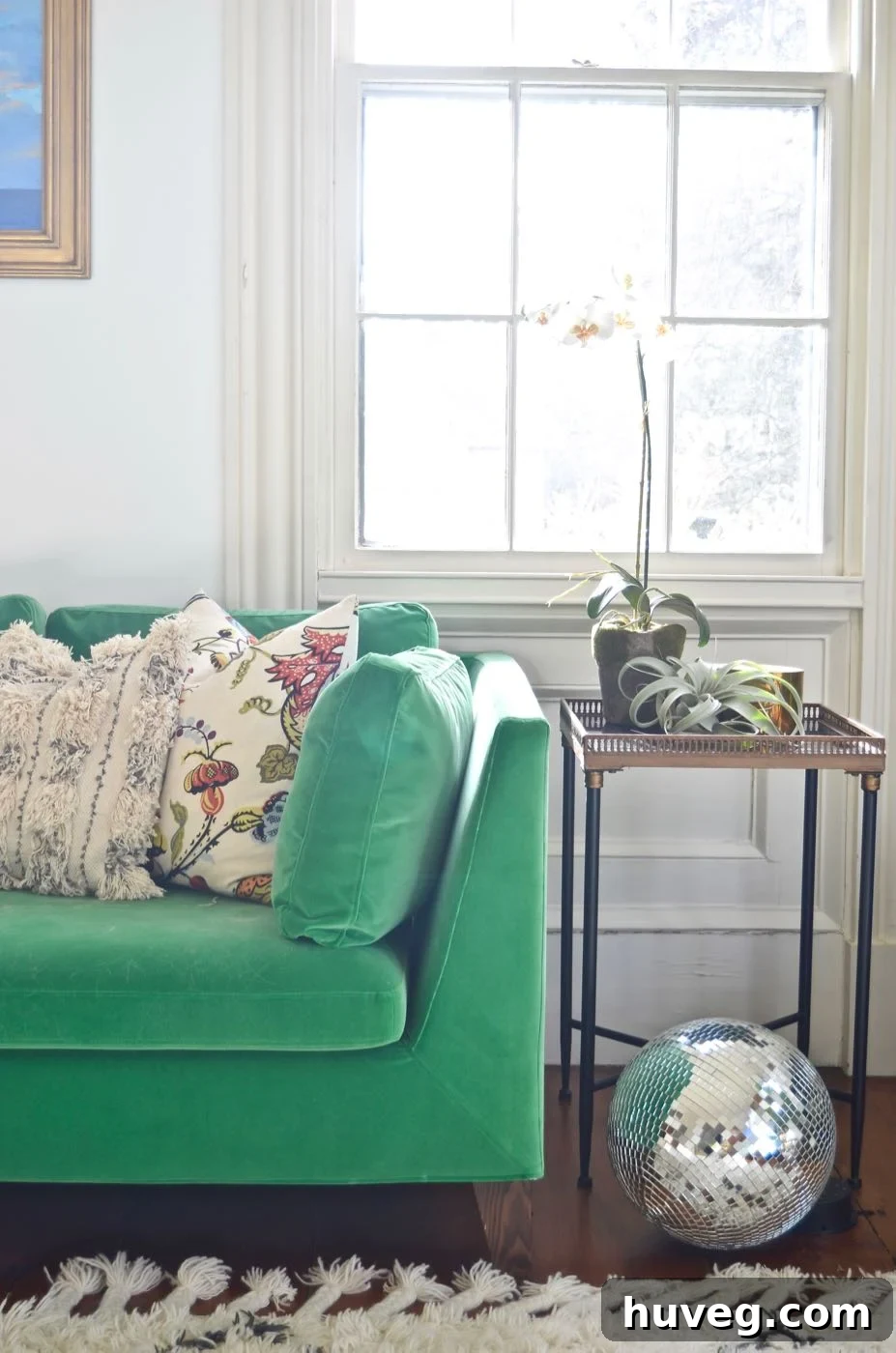
Consider Charlotte’s magnificent green velvet sofa, pictured below. She invested significantly in it, fully aware of its bold green hue and luxurious velvet texture. Yet, she embraced it wholeheartedly. This sofa doesn’t just fill a space; it defines it, reflecting her vibrant personality in a way no other piece truly could. It’s a testament to the power of choosing what you truly love, rather than what’s expected or currently fashionable. Such authentic choices become the anchors of a truly personalized and timeless home.
I doubt any regular reader of my blog would ever accuse me of being overly trendy. In truth, I never set out to be the kind of DIYer who infuses a clever, trending spin into every project. And that’s perfectly acceptable, because my primary aspiration has always been to cultivate a home that brings me immense joy to inhabit. My approach is simple: I select pieces that genuinely resonate with me, that evoke a feeling of connection and happiness, and I disregard the rest. This method ensures that my home is a true reflection of my unique taste, rather than a transient showcase of fleeting styles.
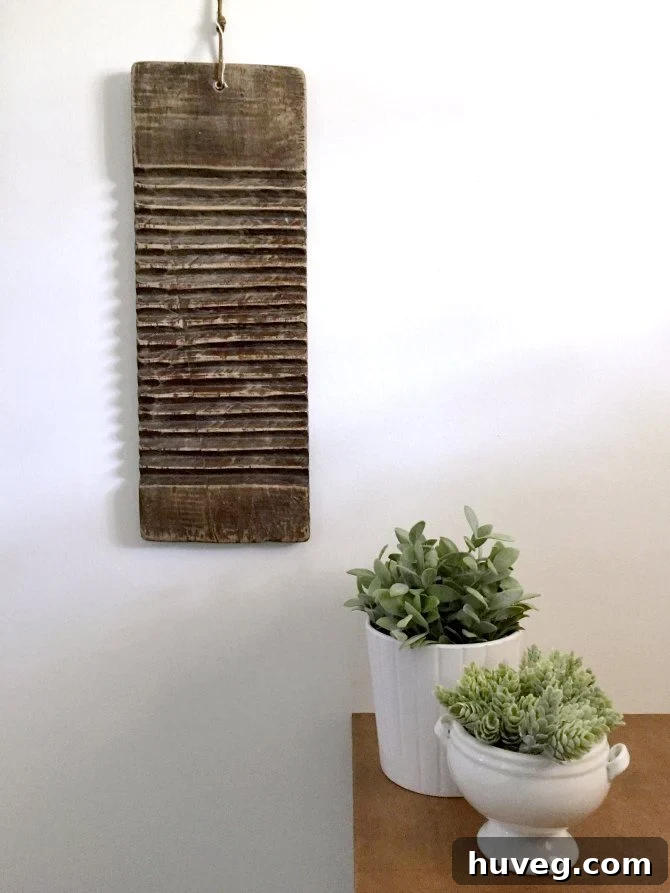
The practice of thoughtfully mixing cherished antiques with modern pieces allows my entire home to convey a sense of history and gradual collection, rather than appearing as if it was furnished overnight. This layering of old and new imbues the space with a distinct personality – one that is uniquely mine and reflects how I express my individual style. It creates a narrative that cannot be easily replicated by simply flipping through a catalog or browsing a single store. It’s the story of my life, my travels, and my aesthetic journey, all woven into the fabric of my living space.
Ultimately, this is my home, and the paramount consideration is ensuring that every item I acquire, install, or dedicate time to, brings me profound enjoyment every single day. This isn’t about shying away from innovation – I’ll still enthusiastically pin amazing plywood creations! – but it’s about making choices that stem from a personal connection. I genuinely believe this philosophy is what allows a home to be both stylishly current and enduringly timeless simultaneously. Because truly loving the home you live in will never fall out of fashion.
This post is sponsored by The National Association of Realtors. All opinions are 100% my own. For additional posts in this series, check out HouseLogic.com
Pin to share: