Small Tree Cutting Made Easy

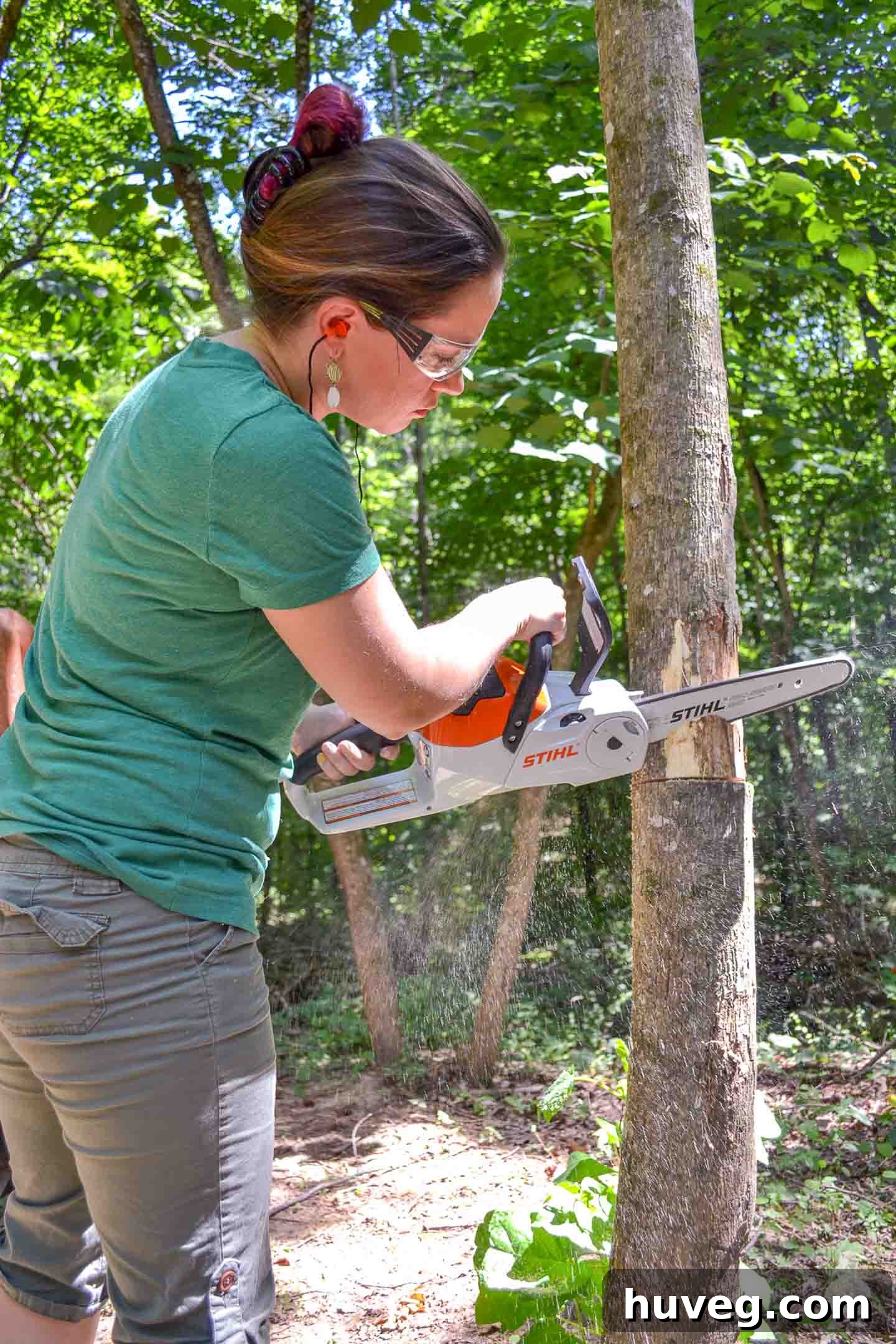
Embarking on yard cleanup projects can be incredibly satisfying, especially when it involves tackling tasks you’ve never tried before. This comprehensive guide will walk you through the process of safely cutting down a small tree, providing essential safety tips and an effective technique to clear your property with confidence. Get ready to transform your yard and embrace the power of DIY!
Over the years, my yard work adventures have ranged from major undertakings like filling a backyard sinkhole and clearing dense, overgrown vines to more routine tree trimming. Each project has been an opportunity to learn new skills and gain confidence. This time, I set my sights on something smaller yet equally rewarding: mastering the art of felling a small tree myself.
There’s a unique thrill that comes with wielding a new power tool for the first time. It’s a feeling of empowerment, akin to being a superhero ready to conquer any challenge. For me, these moments are often accompanied by a rush of excitement, fueled by the prospect of learning something new and creating something tangible where nothing existed before. This connection to the work, coupled with the joy of sharing newfound knowledge, makes every DIY project an adventure worth pursuing.
My passion for power tools might stem from a desire to defy stereotypes, or perhaps it’s simply the satisfaction of continuous learning and sharing that knowledge with a wider audience. Ultimately, it’s a blend of all these motivations, culminating in the joy of seeing a project through from start to finish and realizing a tangible transformation.
My enthusiasm for new tools means I’m always looking for the perfect opportunity to put them to the test. So, when my boyfriend, K, suggested a weekend trip to visit his parents’ new tiny house in Tennessee, I saw the perfect chance to bring along my new STIHL battery-powered chainsaw. This particular saw was part of an ongoing partnership with STIHL, and after months of anticipation, I was eager to experience its capabilities firsthand, especially when compared to the gas-powered models I was more familiar with.
K’s parents had built their new home on a piece of their family’s ancestral farmland, a property I was visiting for the first time. The area was dotted with numerous old trees, which they regularly maintained and cleared. Knowing their propensity for tree work (and recalling our last visit where Charlie, our dog, saw her first cow), I anticipated ample opportunity to learn from K’s dad, a seasoned veteran in tree removal. Bringing my new chainsaw wasn’t just about trying it out; it was about soaking up practical knowledge from someone with decades of experience.

While discussing chainsaws with your significant other’s parents might seem unconventional, it’s become a natural part of my relationship with K’s family. His dad, an incredibly generous and knowledgeable individual, was delighted to share his insights. What might sound peculiar in retelling was, in fact, a genuinely enjoyable and collaborative learning experience.
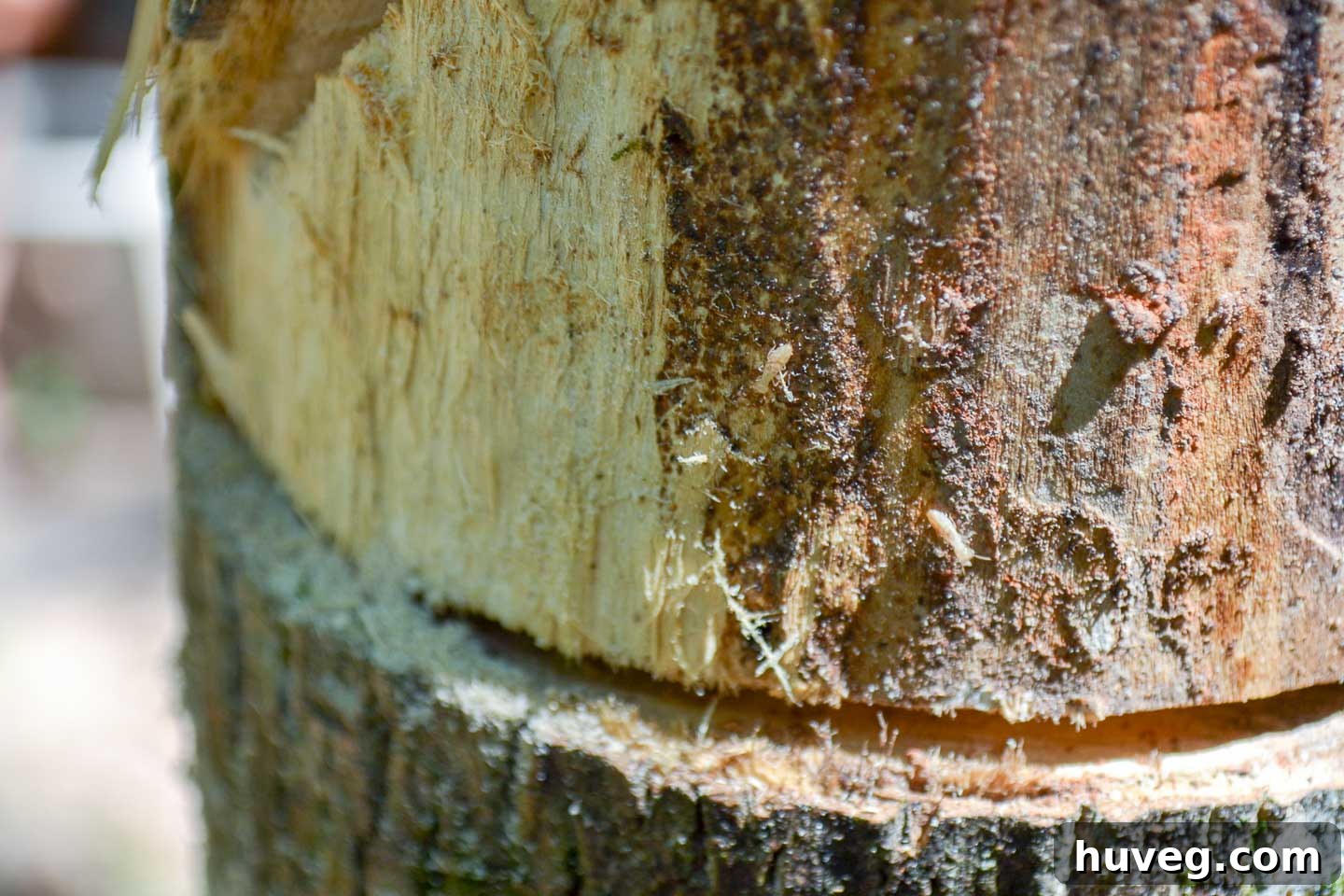
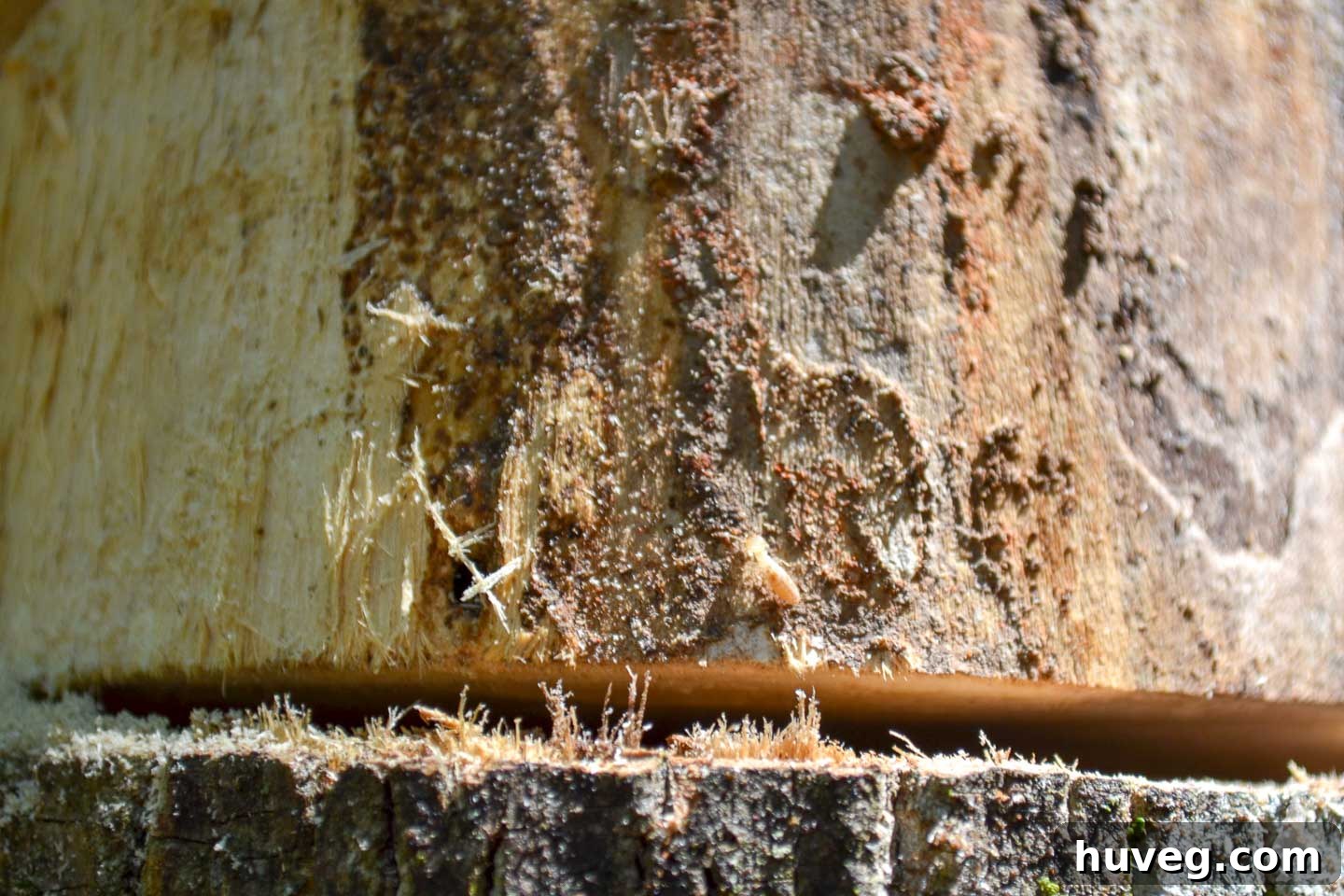
Fortuitously, the property had several trees ready for removal. Many were either dead or infested with termites, making their removal crucial to protect the newly constructed tiny house. K’s dad offered invaluable guidance, which I’ve distilled into the steps below. You might even notice visible scars on some tree barks, telltale signs of past vine infestations that had choked the life out of them.
Essential Chainsaw Safety Gear (PPE)
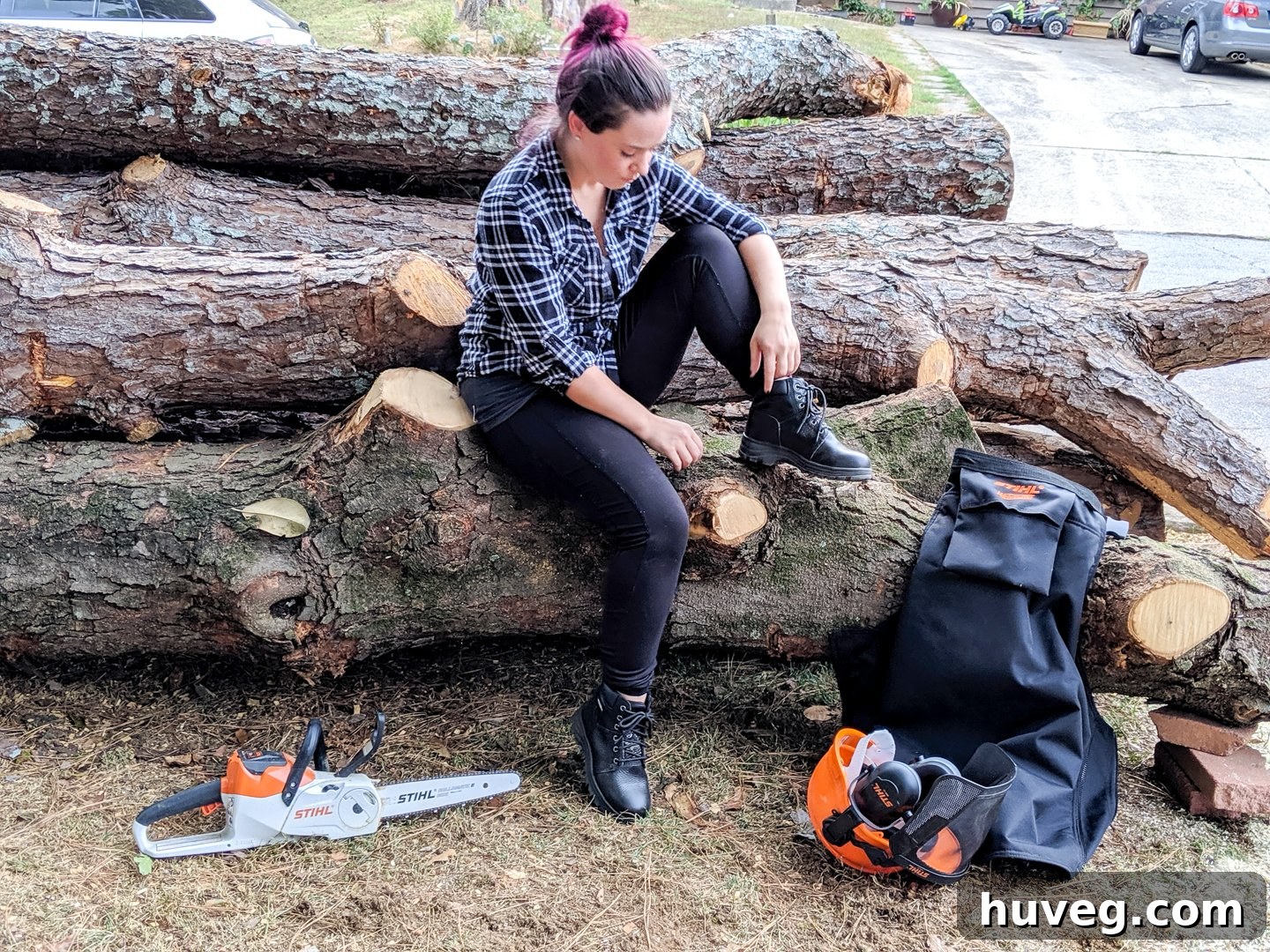
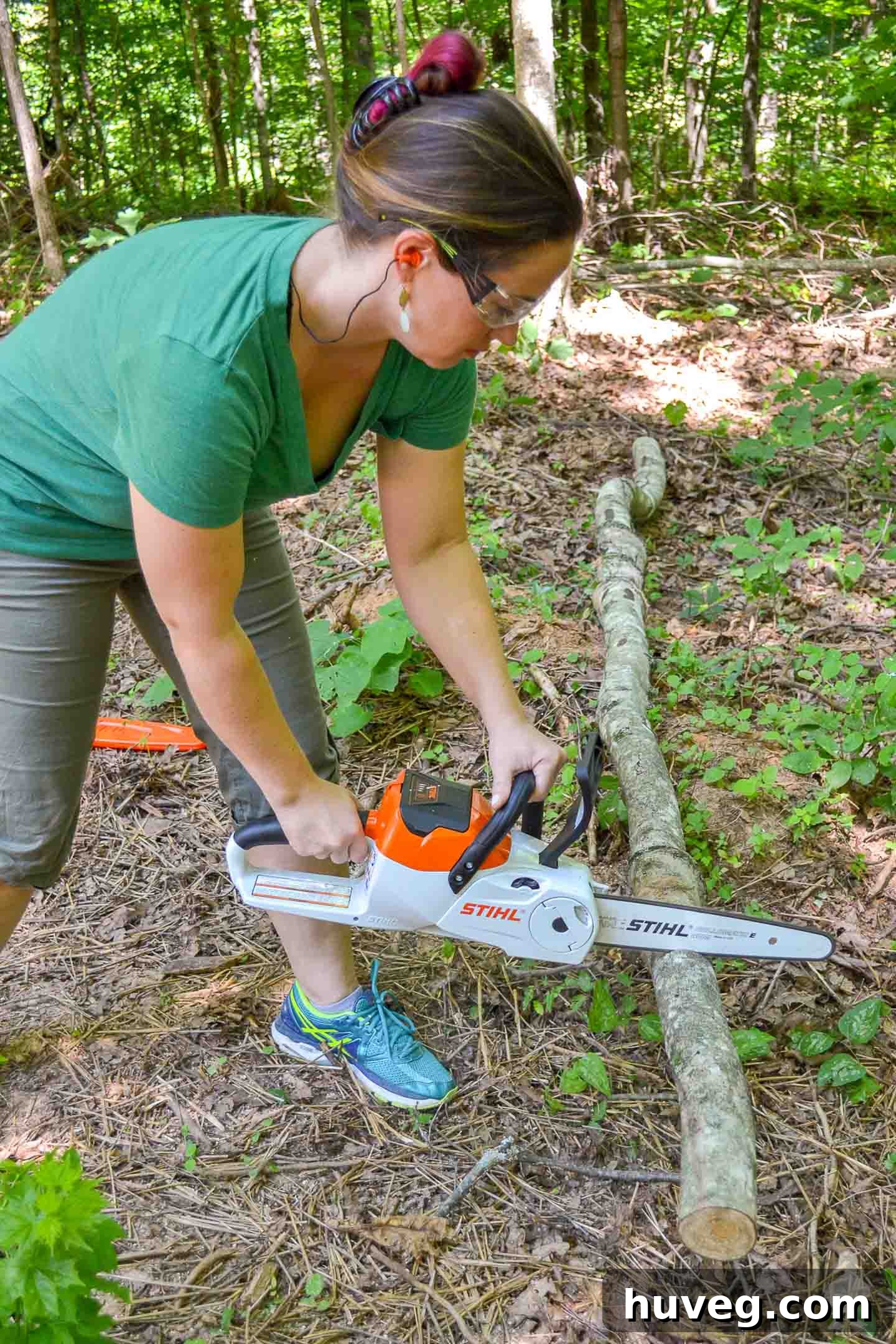
Even with meticulous planning, oversights happen. Despite remembering my chainsaw, I unfortunately left my safety chaps at home – a crucial piece of Personal Protective Equipment (PPE)! Thankfully, I located my STIHL earbuds in the car, a common occurrence given my habit of forgetting them. K’s dad generously lent me some protective eyewear, but I cannot stress enough the importance of wearing safety chaps. They offer vital protection for your legs against potential chainsaw kickbacks or slips.
In addition to chaps and eye protection, always wear sturdy gloves, protective footwear (steel-toe boots are ideal), and a hard hat. It’s also important to remove any loose-fitting clothing that could snag in the saw. When I use this chainsaw for future projects at home, you can be sure I’ll be fully geared up, just as I was during the STIHL summit. I’ve included links below for quality PPE options suitable even for smaller individuals, as ill-fitting gear can be just as dangerous as no gear at all.
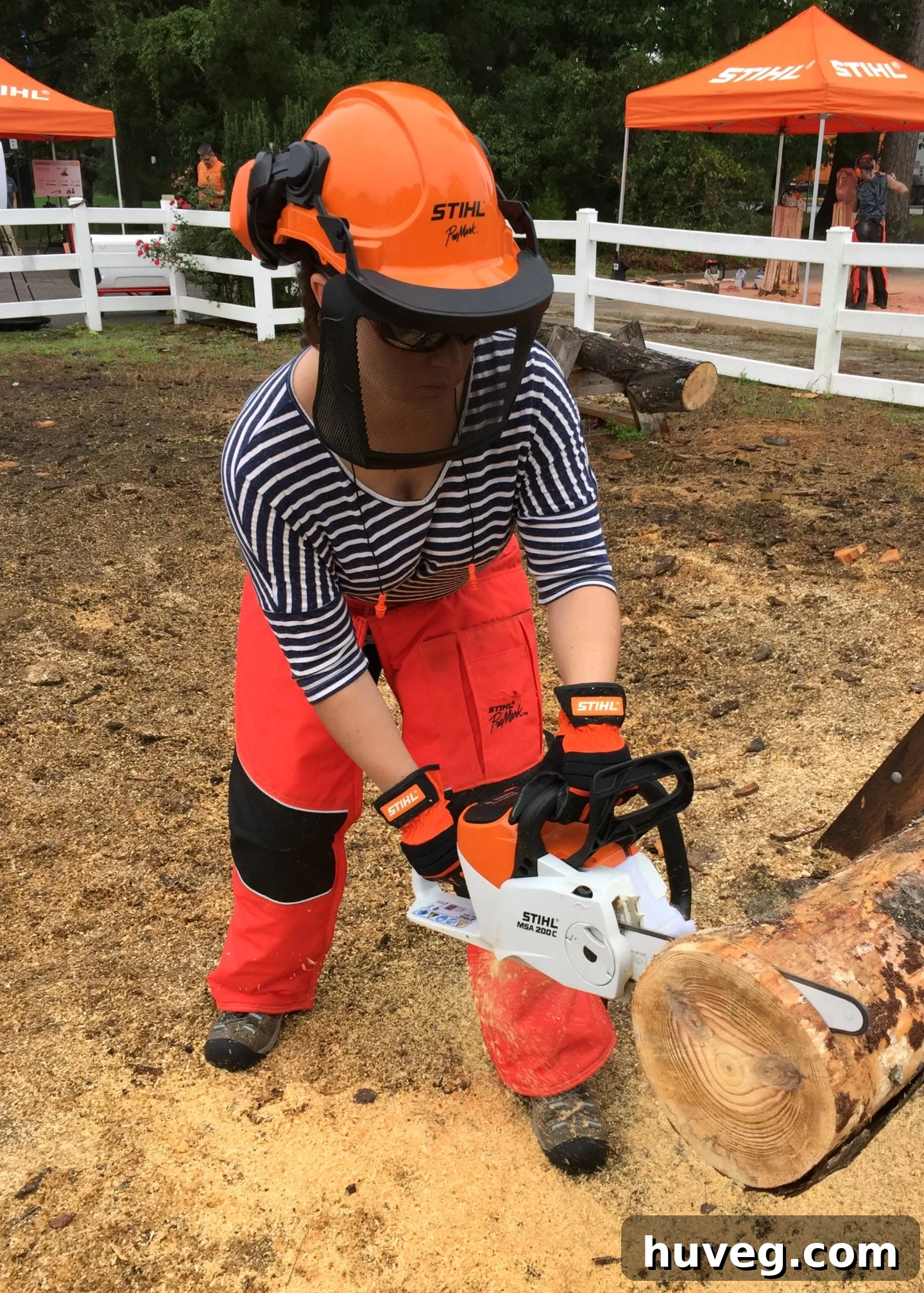
Remember, proper safety attire should always be your top priority when operating a chainsaw. You should look like the image above!
STIHL MSA 120 Battery-Powered Chainsaw Review: A Homeowner’s Best Friend
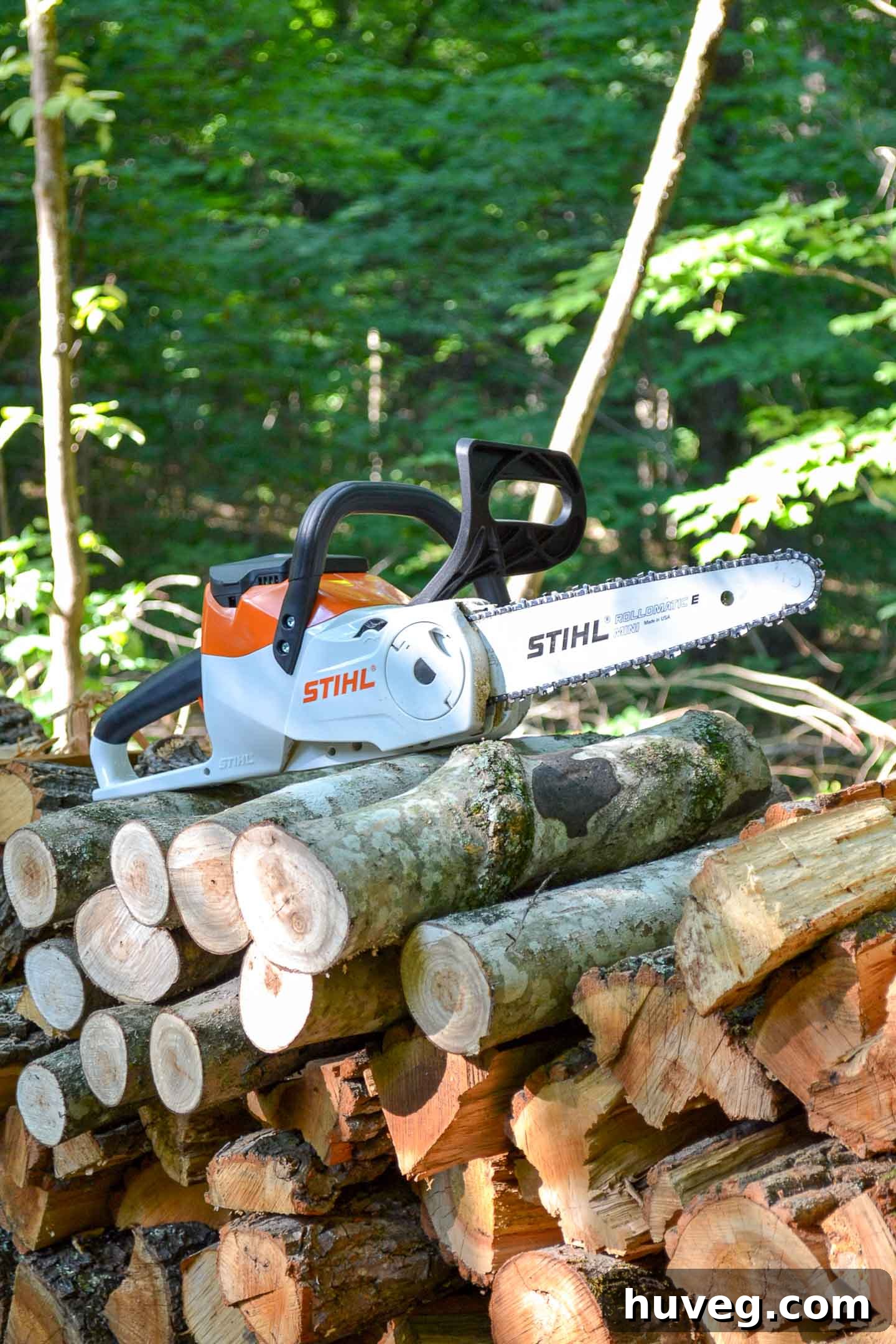
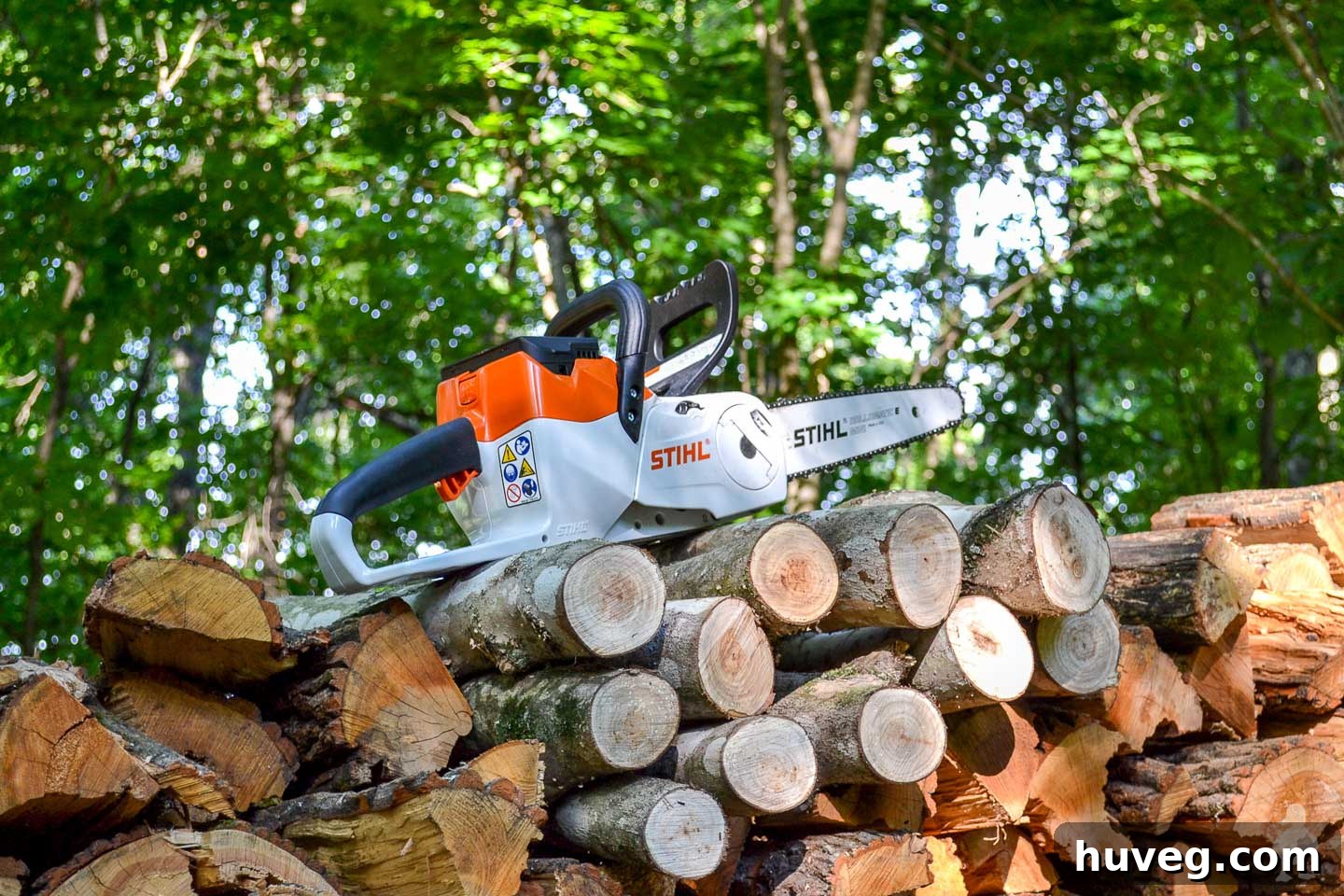
From the extensive STIHL Lightning Battery System line, I deliberately chose their smallest chainsaw model, the MSA 120 C-BQ. My reasoning wasn’t to avoid power, but to conduct a genuine assessment of what this particular model is designed for. STIHL positions the MSA 120 C-BQ as an ideal tool for suburban homeowners, capable of handling tasks from storm cleanup to efficient limb removal.
Part of the AK Series, the MSA 120 C-BQ is a great battery-powered chainsaw for suburban homeowners, handling storm cleanup to limb removal. The MSA 120 C-BQ bundle comes standard with the AK 20 battery and AL 101 battery charger. It features low vibration, quick chain adjustment and STIHL Quickstop® Plus chain braking feature. Make 100 cuts through a 4″ log on a single charge, which gives you enough power to tackle a stack of firewood.
For typical homeowner tasks – clearing small trees, cutting firewood, and general yard maintenance – this chainsaw’s specifications perfectly align with practical usage. I rarely encounter situations requiring a heavy-duty professional saw; for larger tree removals, such as the pine trees in my own yard, I’ve always enlisted certified arborists due to the complexity, necessary permits, and safety considerations involved. Therefore, testing a larger, more powerful model on these smaller tasks wouldn’t have been a true indicator of its intended performance or its value to a homeowner.
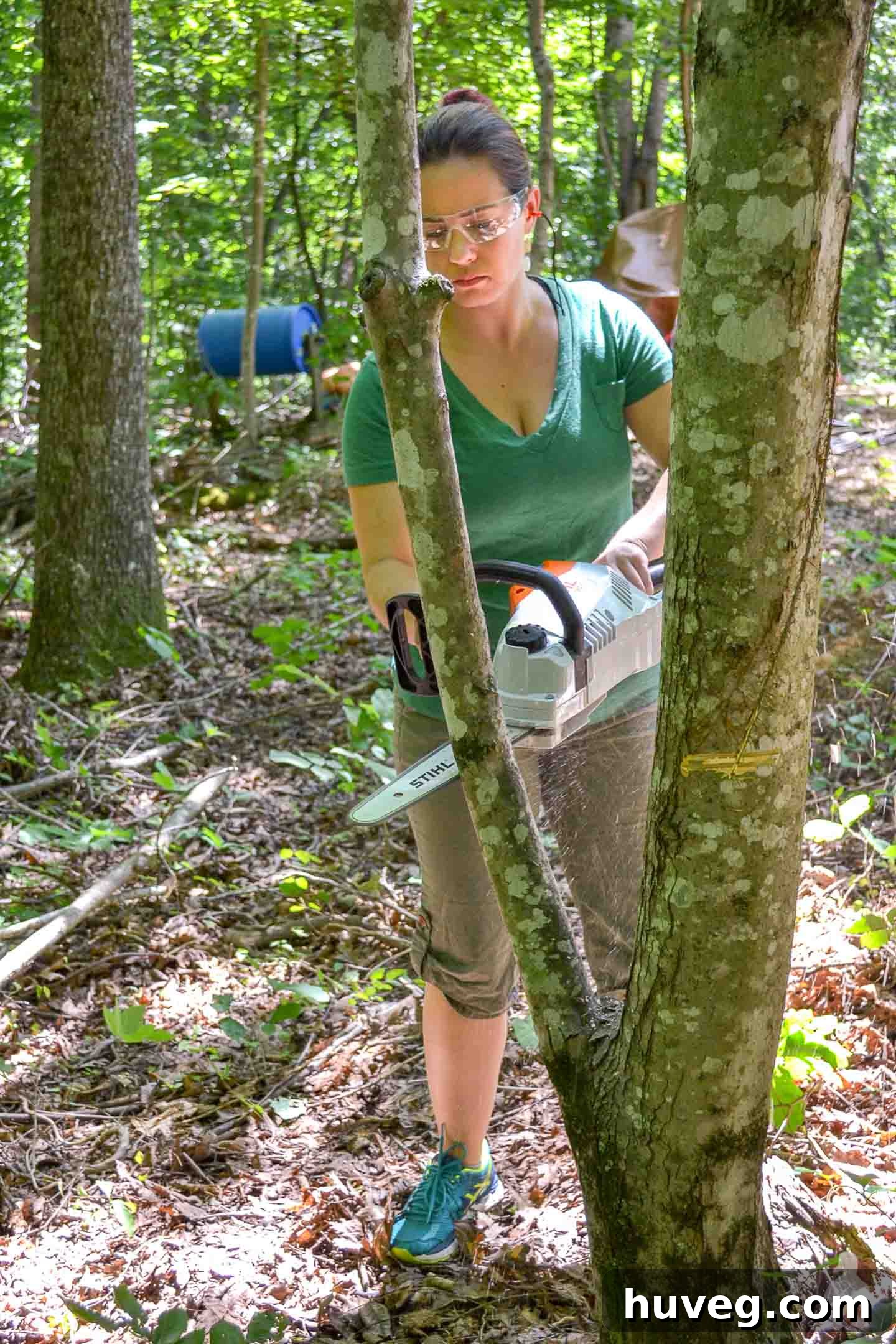
Overall Impression of the STIHL MSA 120 C-BQ:
This chainsaw delivers impressive performance for its compact size. I was able to fell several small trees and process them into firewood logs all on a single battery charge. Its remarkably lightweight design is a significant advantage, making it accessible and manageable for nearly anyone to use. In fact, K’s mom, who had never operated a chainsaw before, found it comfortable and easy to handle.
Essentially, the battery life often outlasts the user’s energy for the task. When the saw eventually stopped, it typically coincided with everyone being ready to call it a day, proving its practical endurance for homeowner projects.
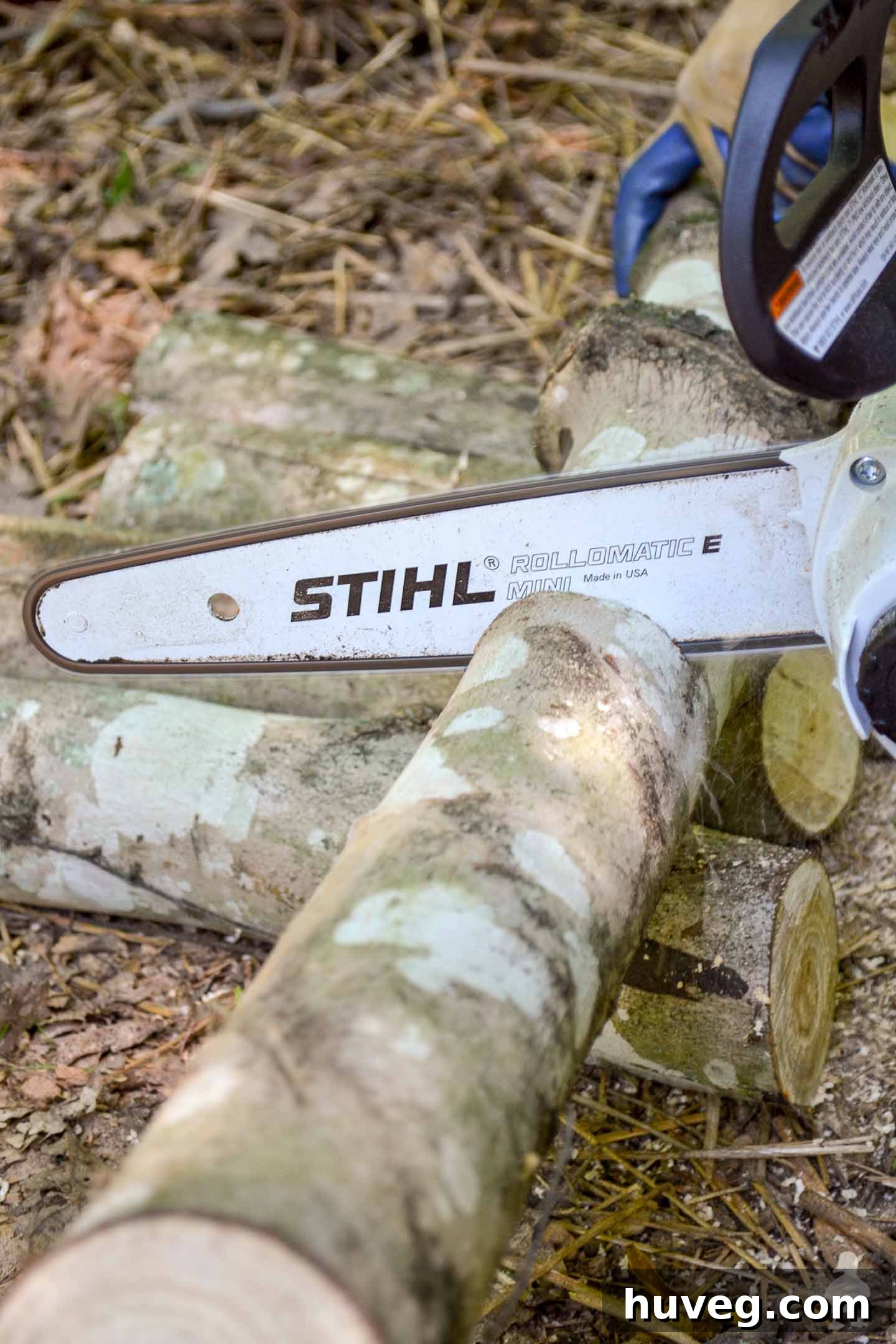
Despite years of living on properties with abundant trees, Mrs. Carter had never felt comfortable enough to use a chainsaw. The STIHL MSA 120 C-BQ’s smaller size and lightweight build were key factors in making it approachable for her. (A friendly reminder: please refer to the PPE section above for recommended safety gear. While K’s dad is a seasoned pro, he’s more of the “gloves-only” type, a common approach among experienced individuals that emphasizes the importance of making your own safety a priority.)
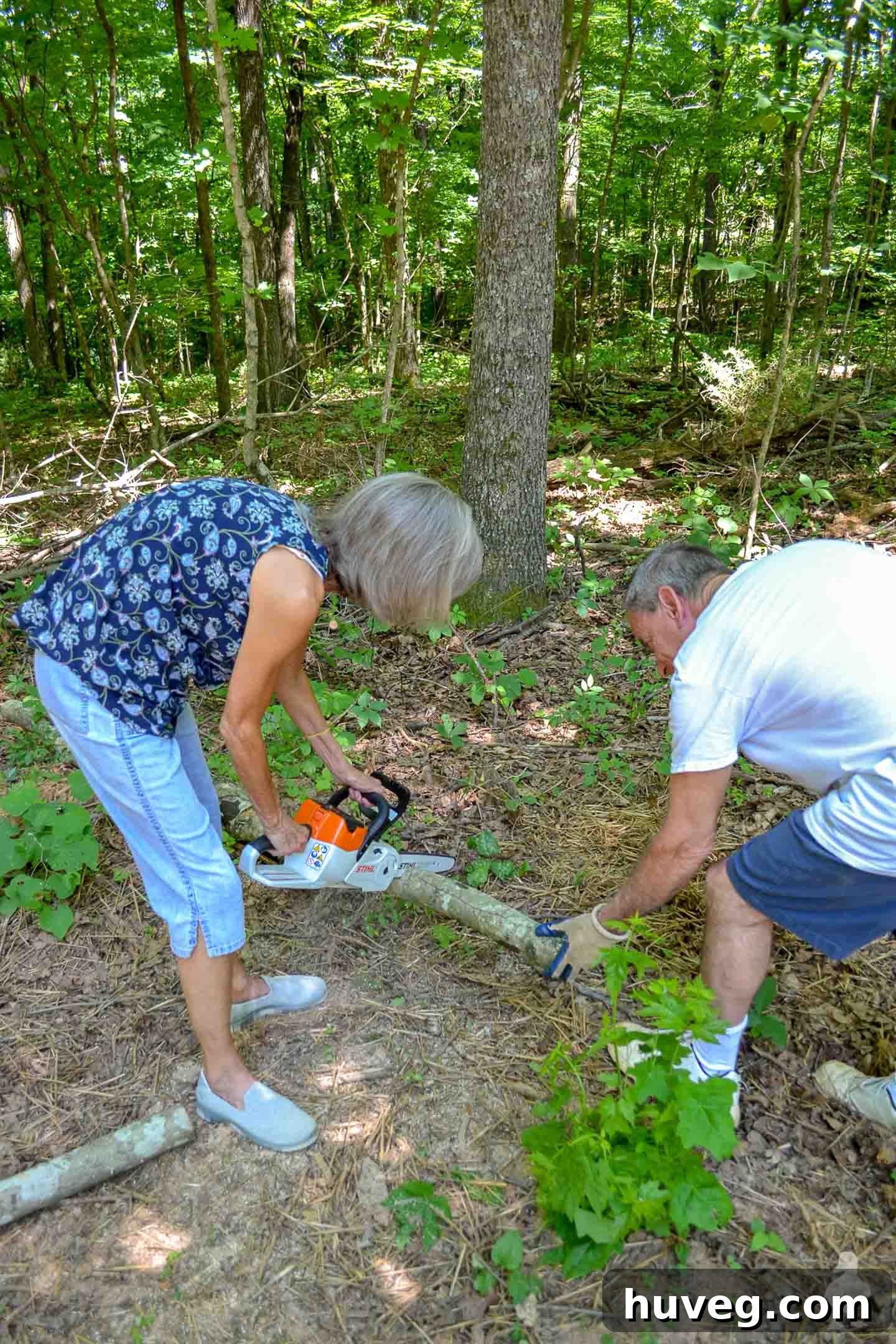
Mrs. Carter specifically wanted me to convey her endorsement: this chainsaw is indeed light enough for seniors to comfortably manage. Coming from her, that’s a significant seal of approval! Her positive experience truly highlights the user-friendly design of the STIHL MSA 120 C-BQ.
How to Safely Fell a Small Tree with a Chainsaw: A Step-by-Step Guide
The term “felling a tree” might sound overly technical, but it simply means cutting down a tree. Whether you prefer “felling” or “cutting down,” the process remains the same, and understanding it is key to safe and effective tree removal.
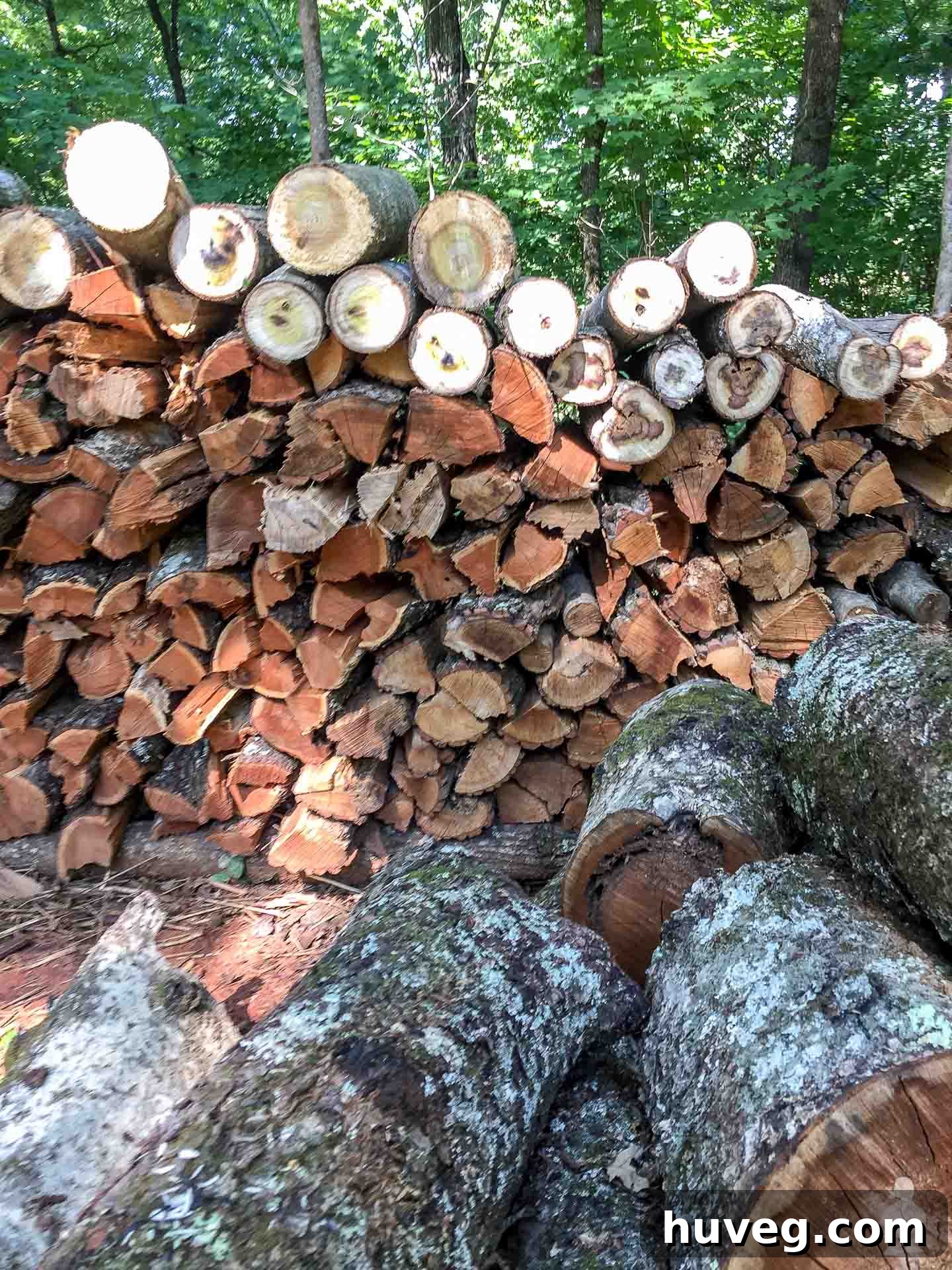
Below, I’ve outlined the invaluable pointers I received from Mr. Carter. It’s important to note that while he isn’t a professional arborist, his lifetime of experience – having cut down scores, perhaps even hundreds, of trees – makes his practical advice incredibly valuable. Always seek out knowledge from those with experience; the wisdom of elders is a powerful resource!
Materials & Tools for Safe Tree Felling
- Safety Glasses/Goggles: Protect your eyes from sawdust, flying debris, and kickback.
- Chainsaw Safety Chaps and Helmet (with face shield and ear protection): Crucial for protecting legs from cuts and head from falling branches or kickback.
- Durable Work Gloves: Improve grip and protect hands from splinters and vibration.
- STIHL MSA 120 C-BQ Battery-Powered Chainsaw: Or a suitable alternative for small tree removal.
- Wedges (optional but recommended for larger small trees): Can help control the direction of fall and prevent the saw from binding.
- Felling Lever (optional): Can assist in pushing the tree in the desired direction.
- First-Aid Kit: Always keep one accessible when working with chainsaws.
1. Plan Ahead for Safety and Direction
Effective planning is the cornerstone of safe tree felling – and that includes remembering all your safety gear! Before making any cuts, clearly identify the tree’s intended felling path and landing zone. K’s dad meticulously selected both the cut points and the fall direction, ensuring the tree would clear their new home and land without entangling with healthy trees, which could cause unpredictable falls or damage. Always consider potential obstacles like buildings, power lines, and other valuable structures.
Beyond the felling direction, take time to clear the area around the tree’s base. Remove any fallen branches, rocks, or other debris that could cause you to trip or lose balance if you need to quickly move away from the falling tree. Crucially, ensure that all people, pets, and any other valuable items are well out of the felling zone and any potential bounce-back or kickback areas.
2. Make Initial Cuts at a Comfortable and Safe Height
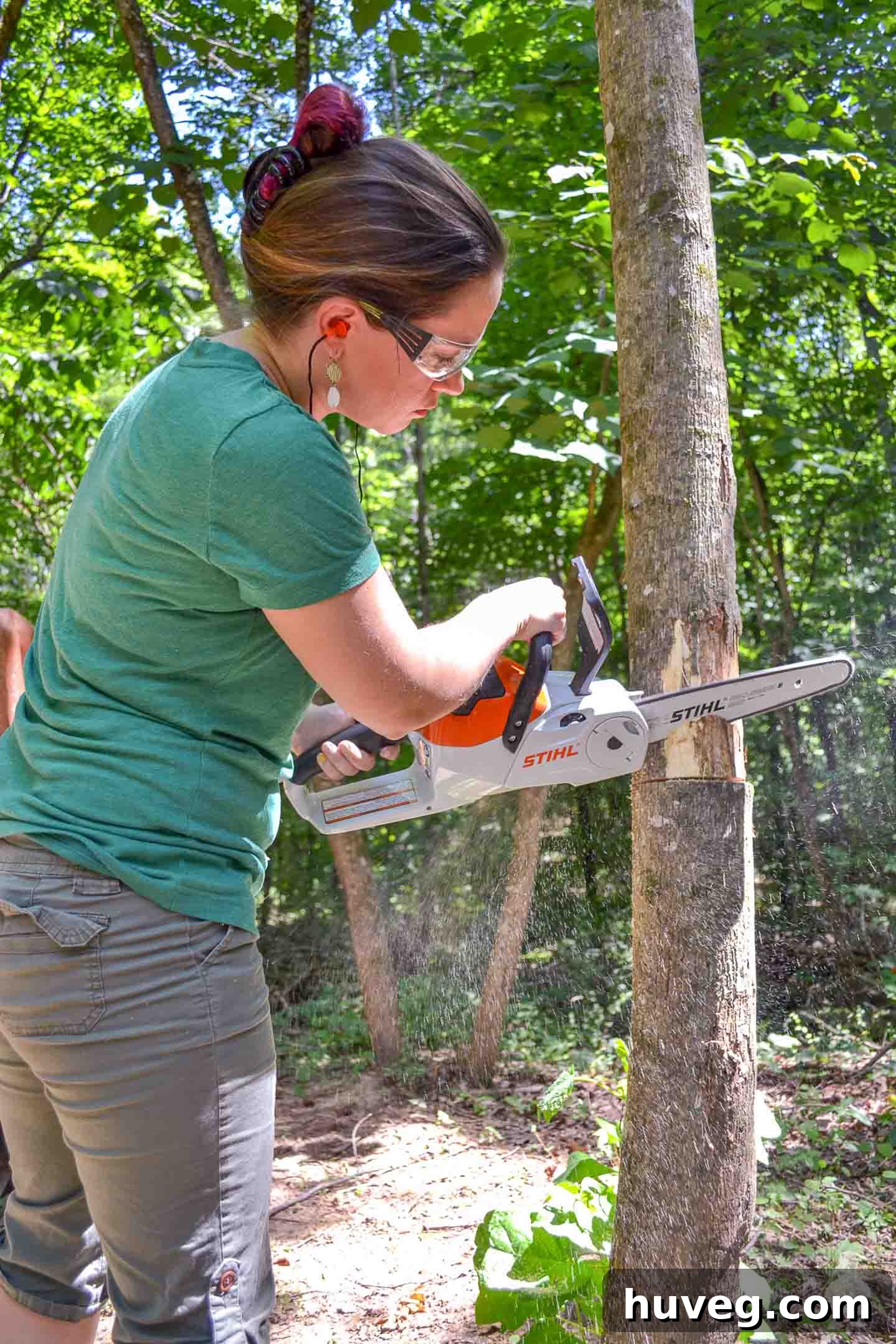
There’s no need to strain yourself by squatting down for the first cuts. It’s perfectly acceptable, and often safer, to make your initial felling cuts at a comfortable waist height. Once the tree has fallen, you can then cut the remaining stump closer to the ground. Maintaining a stable and comfortable stance throughout the cut is paramount. This allows for better control of the chainsaw and ensures precise cutting, which is critical for guiding the tree’s fall accurately.
3. Create the Directional Wedge Cut (Hinge)
This is the most critical step for controlling the tree’s fall. Begin with a horizontal cut on the side where you want the tree to fall. This cut should go about one-third to one-half of the way through the tree’s diameter (for very small trees, up to two-thirds might be appropriate). Allow the chainsaw to do the work; avoid pushing or forcing it in a sawing motion. Next, make a downward angled cut, approximately 60 degrees, above your first horizontal cut. This angled cut should meet the end of your horizontal cut, effectively removing a wedge of wood from the tree. This wedge creates a hinge that will guide the tree’s fall.
4. Execute the Felling Cut on the Opposite Side
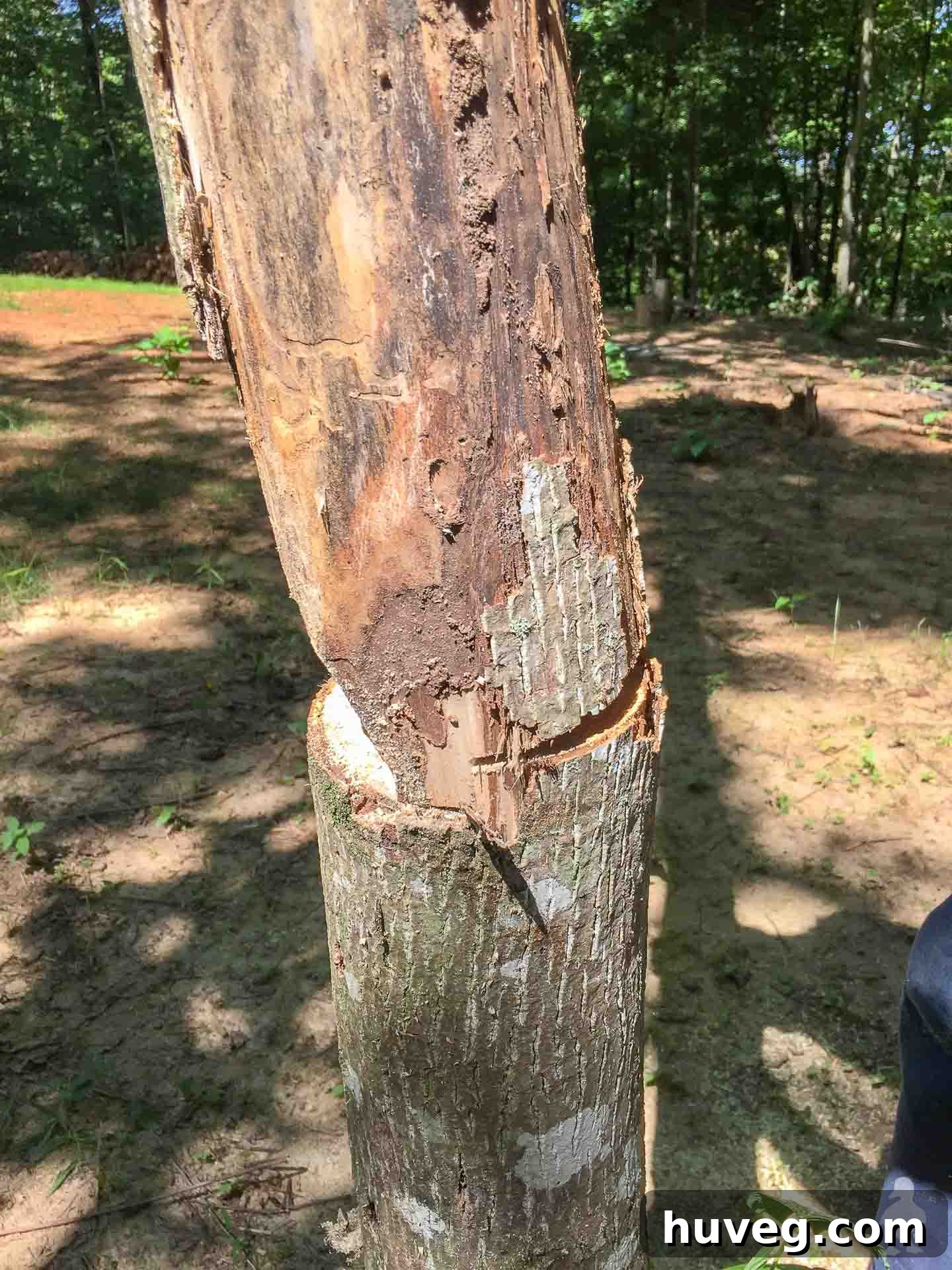
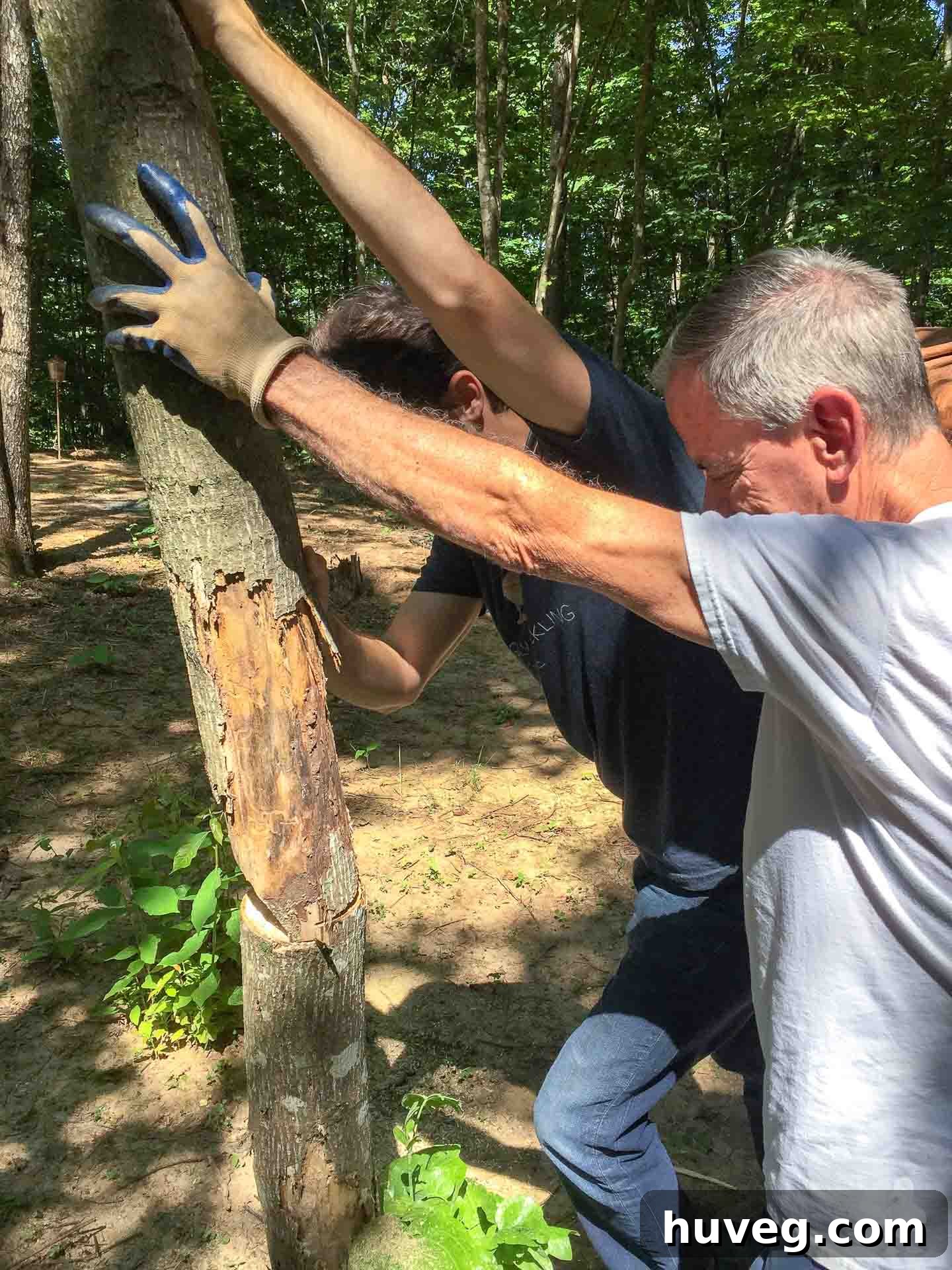
Once your directional wedge is complete, move to the opposite side of the tree. Position yourself safely, neither directly in the potential fall path nor directly opposite the wedge, but slightly to the side where you can observe the fall and move away quickly. Your third cut, known as the felling cut, should be horizontal and made a few inches above the initial horizontal cut of the wedge. Do not cut all the way through to the wedge! This cut will meet the apex of your wedge, creating a hinge of uncut wood that will guide the tree down. As this cut progresses, the tree will begin to separate from its base and start to fall under its own weight. Be prepared to immediately move away from the felling area as soon as the tree begins to move. While K and his dad sometimes gave a push to encourage the fall, it’s generally recommended to let the cuts and gravity do the work for maximum safety.
5. Trim the Remaining Stump
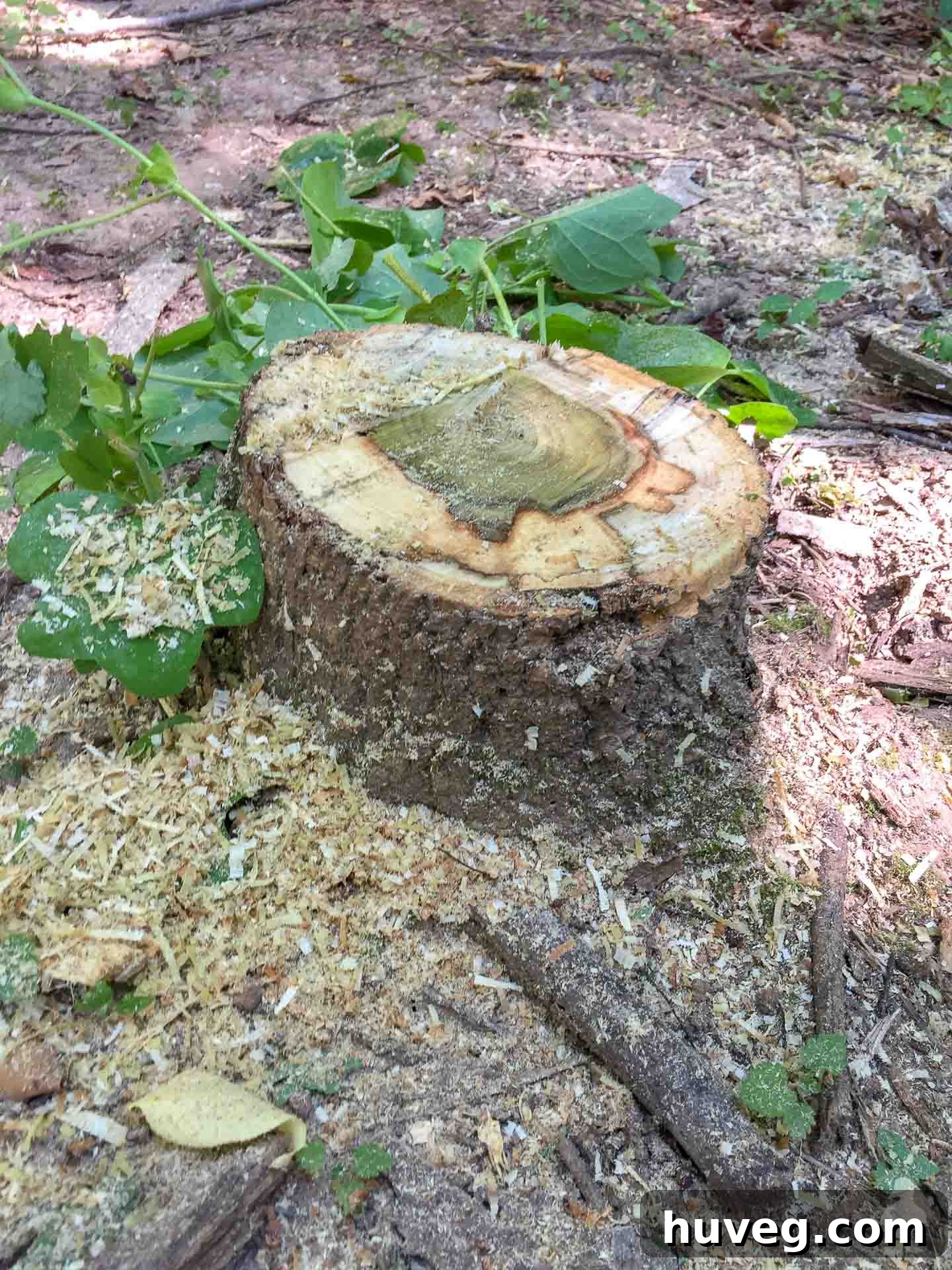
Once the tree has safely fallen, immediately move a safe distance away and secure the chainsaw. After confirming the area is clear and stable, return to the remaining trunk. You can now cut the stump down closer to the ground, removing any hazardous protrusions and tidying up the area. Always maintain proper footing and a clear escape path while working on the stump.
6. Process into Firewood Logs
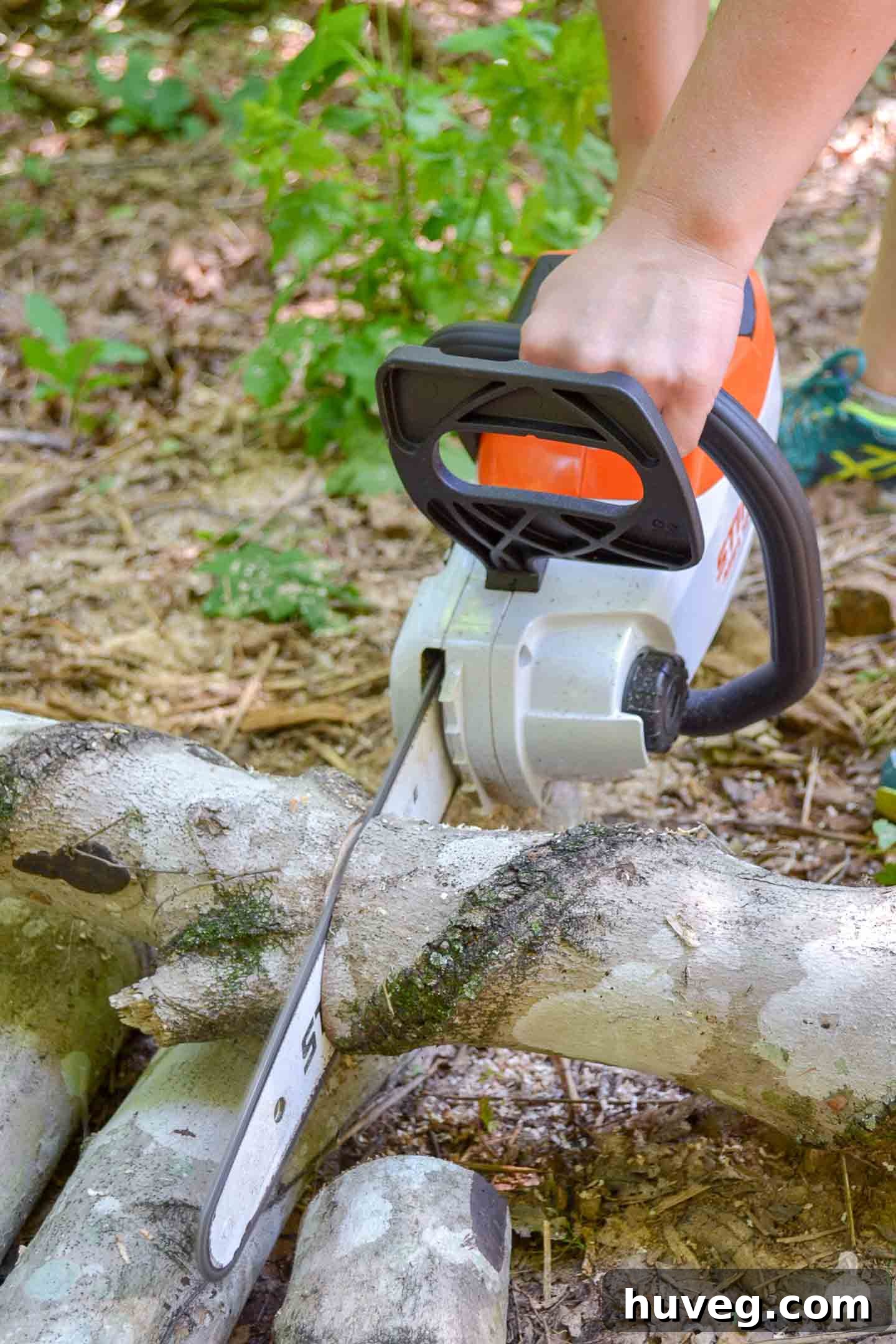
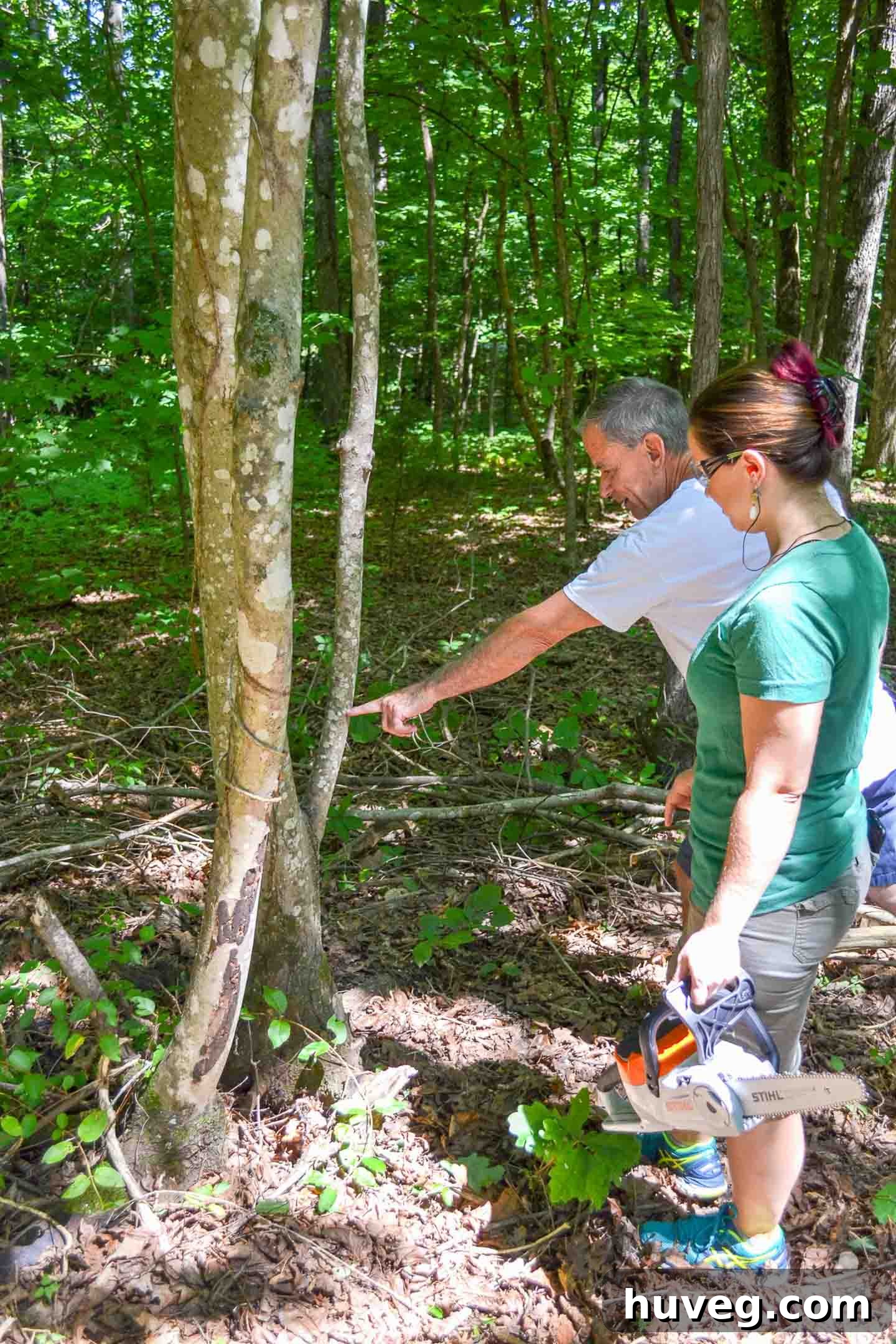
With the tree safely on the ground, the next step is to limb it (remove branches) and then buck it (cut the main trunk into firewood lengths). Start by removing smaller branches, working from the base towards the top, to create a cleaner trunk section. When cutting the trunk into logs, try to elevate the log slightly off the ground using other logs or sturdy supports. This prevents the chainsaw from digging into the dirt, which can dull the chain quickly and be dangerous. Cut most of the way through the log, then slow down as you near the end of the cut to prevent the log from pinching the saw or the chainsaw tip from plunging into the ground upon separation.
Beyond the Chainsaw: Cherished Family Moments
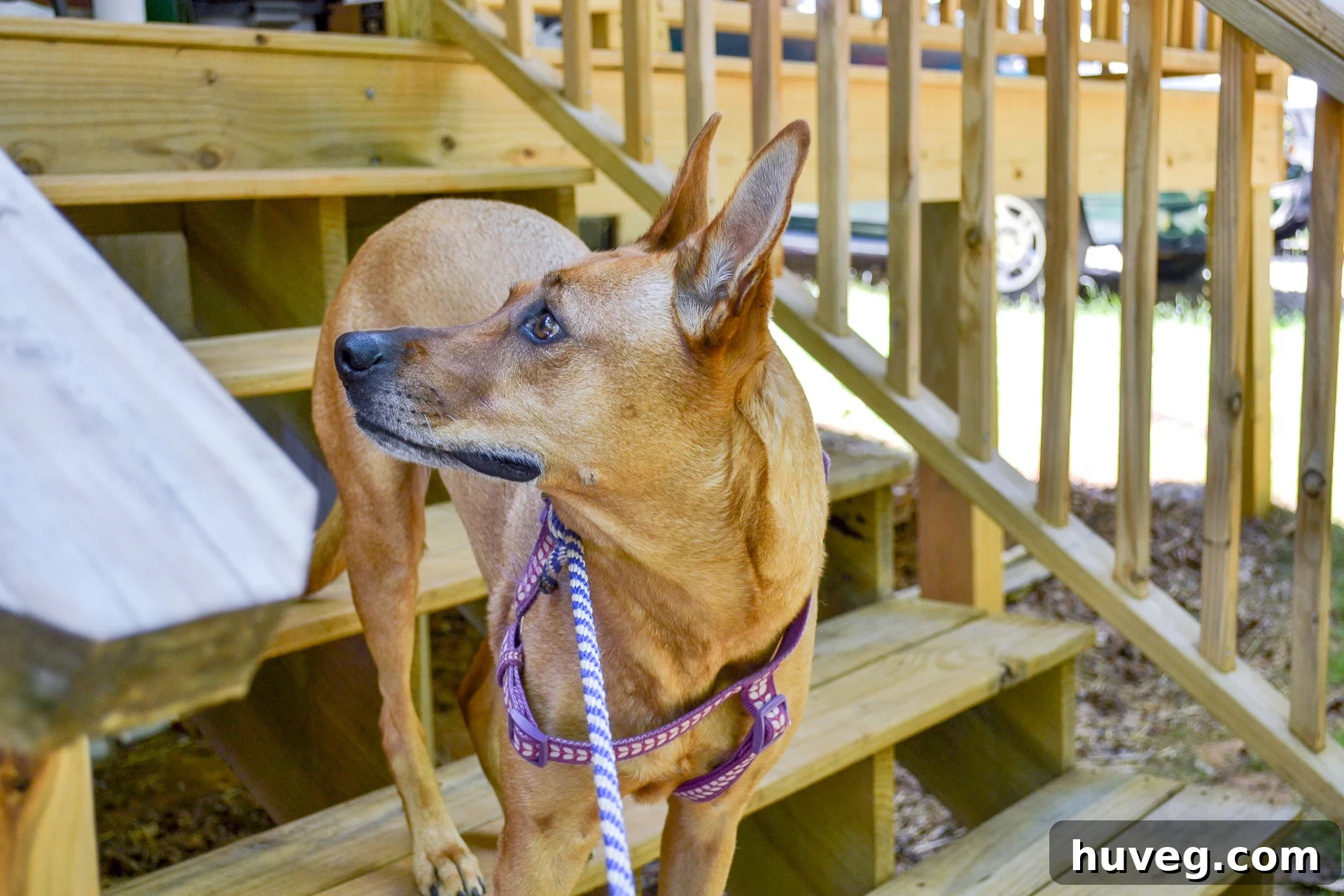
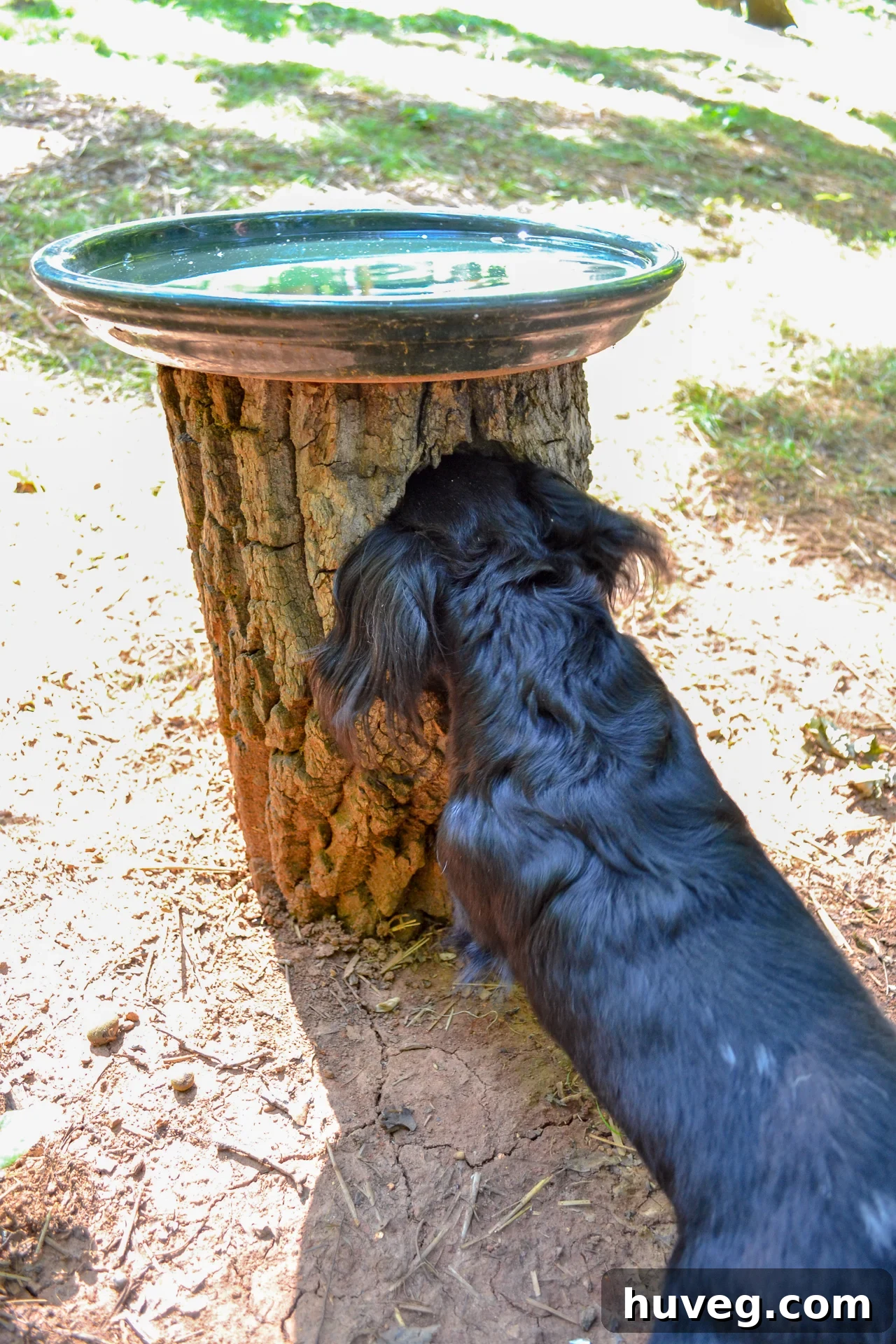
Our visit to Tennessee wasn’t just about tree felling; it was also a wonderful opportunity to relax and connect with K’s family. We spent quality time with one of K’s three brothers and his wife, and even brainstormed ideas for our upcoming vintage travel trailer renovation. Of course, our beloved pups, Charlie and Stella, had an absolute blast exploring the new surroundings, completely worn out long before bedtime!
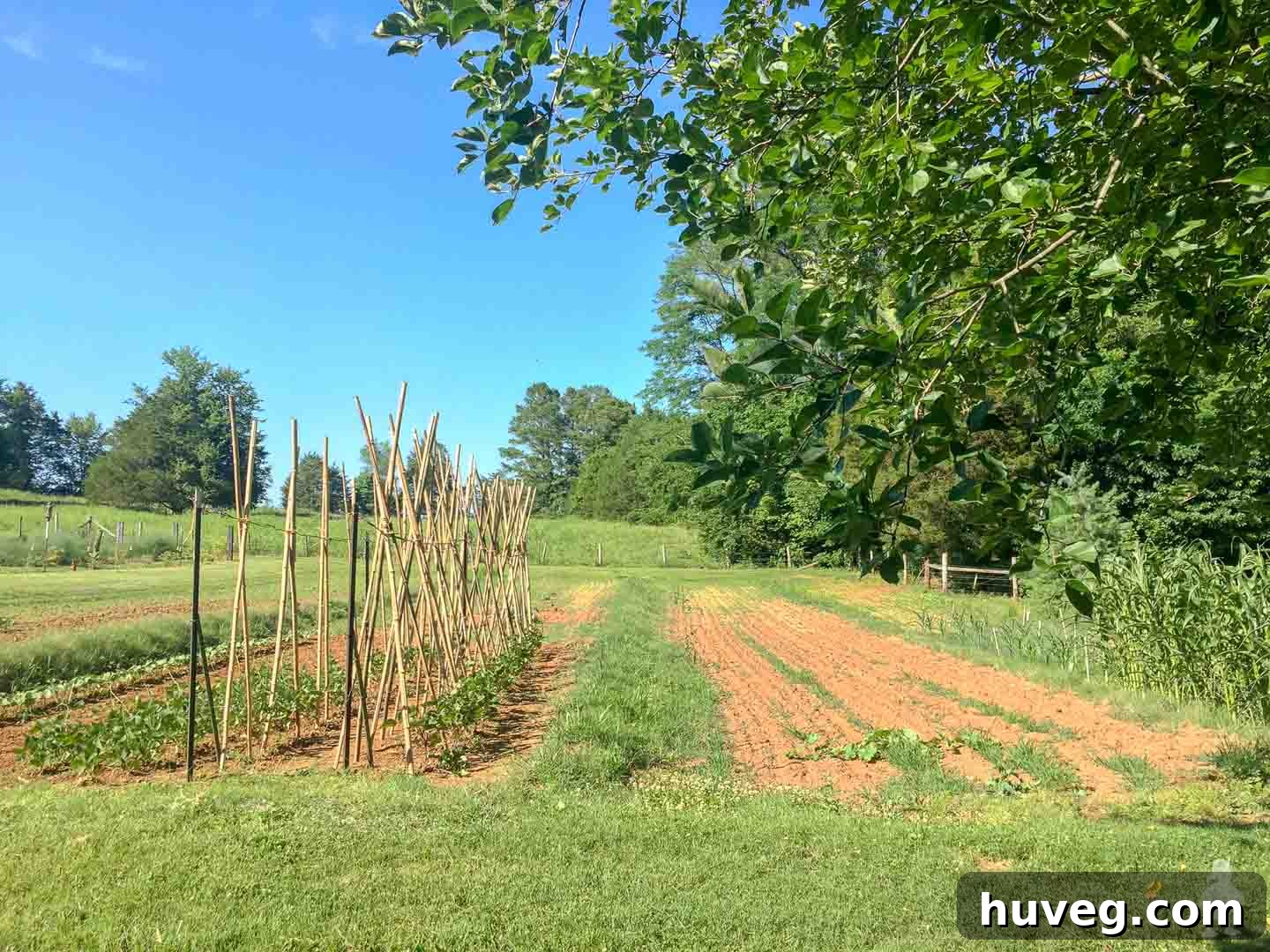
One memorable afternoon included a walk to another family property to visit Mrs. Carter’s uncle. He lives in an incredibly charming old farmhouse, and despite being in his 80s, he still actively tends his garden and even built the second story of his home! While I refrained from taking photos inside to respect his privacy, I captured a few glimpses of the beautiful farmland during our walk, which I’m happy to share here.

Bonus Video: Pups, Projects, and Progress
While my focus was largely on learning and enjoying the visit, I managed to capture a few quick video clips on my phone. The short montage primarily features our adorable pups enjoying their Tennessee adventure. You’ll also catch a brief glimpse of my very first attempt with the chainsaw – rest assured, my technique improved significantly from there!
I hope this guide empowers you to tackle small tree removal projects safely and effectively. It’s been a week of unexpected diversions; an issue with my A/C unit caused a leak through the living room ceiling, pulling me away from my publishing schedule. With a bit of luck, I’ll be back on track soon to share more exciting DIY projects and, of course, plenty more photos of Charlie and Stella!