2013 The All White Kitchen

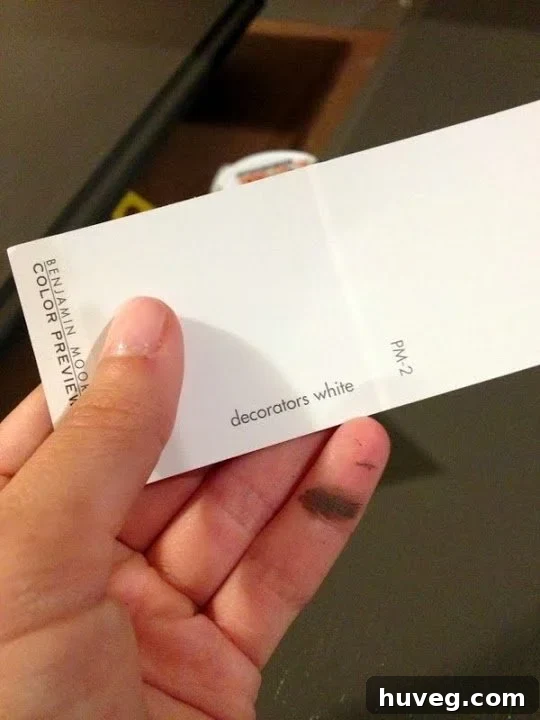
Transform Your Kitchen: The Ultimate Guide to DIY Cabinet Painting for a Stunning Update
Embarking on a kitchen renovation can be a deeply personal and often lengthy journey, filled with moments of anticipation and hard-won progress. There are those pivotal points where you genuinely feel yourself moving from one significant step to the next, witnessing your vision slowly but surely materialize. While applying a second coat of paint offers a satisfying sense of accomplishment, nothing quite compares to witnessing a dramatic color transition. It’s a visual confirmation that your efforts are truly bringing a new essence to your culinary space, transforming its very character.
Like many dedicated DIY enthusiasts, I often find myself wishing I were further along with my projects, eager to see the finished product. Yet, the commitment to seeing each stage through remains strong, fueled by the promise of a revitalized home. And now, a significant milestone has arrived: meticulously prepping the upper kitchen cabinets for their much-anticipated new paint job. This stage echoes the initial process I undertook with the lower cabinets, but with the distinct advantage of accumulated experience. The initial learning curve has flattened, making this phase feel more streamlined and efficient. Moreover, with a white primer now in play, I’m optimistic that two coats of the final color will suffice for the upper section, unlike the third coat that was required for the darker gray on the lower cabinets to achieve full, opaque coverage.
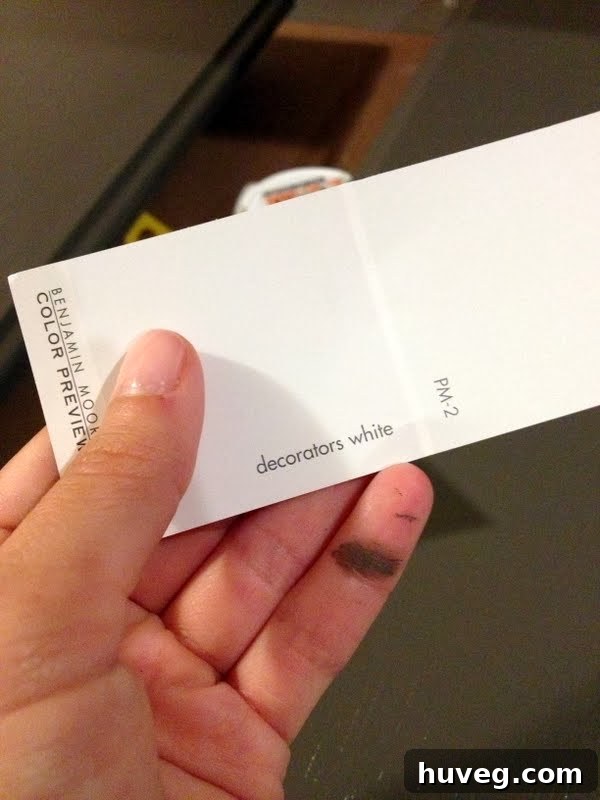
The Profound Impact of Paint: Why a Cabinet Makeover is a Game Changer
It might seem like a mere detail in the expansive blueprint of a kitchen renovation, but for anyone deeply immersed in a DIY project, preparing to paint the last of the existing cabinets is a truly monumental moment. The prospect of finally banishing the “orange-y oak” — a color palette that often dates a kitchen and screams for an update — is incredibly motivating. Soon, this dated shade will be gone forever, replaced by a fresh, modern aesthetic that truly reflects contemporary style and personal taste. This transformation isn’t just about changing a color; it’s about fundamentally revitalizing the heart of the home, injecting new energy, and significantly boosting the homeowner’s long-term satisfaction.
However, the inherent nature of ongoing DIY projects means this newfound satisfaction, while profound, might be temporary, perhaps lasting about a week before the next challenge or improvement opportunity inevitably presents itself. That’s the unique charm and constant demand of DIY – a continuous cycle of creation, problem-solving, and refinement. Yet, each successfully completed step, especially one as impactful as a full cabinet repaint, offers invaluable rewards, both in terms of aesthetic enhancement and the personal growth derived from mastering new skills.
Strategic Planning for Your Kitchen Cabinet Painting Project
A truly successful kitchen cabinet transformation begins long before the first brushstroke touches wood. Meticulous planning is the cornerstone of a smooth, efficient, and ultimately rewarding DIY experience. Take the time to consider the overall vision for your kitchen. Are you aiming for a bright, airy, and expansive feel, a sophisticated and sleek modern look, or a warm, cozy, and rustic ambiance? The paint color you ultimately choose for your cabinets will be the single most significant factor in achieving this desired atmosphere and defining your kitchen’s character.
Choosing the Perfect Cabinet Color: A Foundation for Your Kitchen’s Vibe
- Timeless Neutrals: Whites, grays, and greiges remain incredibly popular and timeless choices. They offer unparalleled versatility, make spaces feel larger and brighter, and provide a clean, elegant canvas for other design elements like backsplashes and countertops.
- Bold Statement Hues: For those seeking a more dramatic impact, don’t shy away from deeper blues, rich greens, or even sophisticated blacks. These colors can introduce significant personality, depth, and a touch of luxury to your kitchen, making it truly stand out.
- The Popular Two-Tone Trend: Combining different colors for your upper and lower cabinets is a highly effective and popular way to add visual interest and dimension. Often, lighter colors are applied to upper cabinets to maintain an open and airy feel, while darker, grounding tones are used on the lower cabinets.
- Critically Consider Lighting: Both natural daylight and artificial lighting sources dramatically impact how colors appear throughout the day and night. Always test paint swatches directly on your cabinets and observe them under various lighting conditions before making a final decision to ensure you love the shade in every light.
Essential Tools and Materials You’ll Need for Cabinet Painting
Gathering all your necessary supplies beforehand is crucial. This proactive step will prevent frustrating interruptions and ensure maximum efficiency throughout your project:
- Heavy-Duty Cleaning Solution: A powerful degreaser such as a TSP (trisodium phosphate) substitute or a high-quality, dedicated cabinet cleaner is indispensable for cutting through years of kitchen grease.
- Assorted Sandpaper: You’ll need various grits: 120-180 for initial sanding and creating adhesion, and finer 220-320 grit for smoothing between coats.
- Screwdriver Set: Essential for the careful removal of all cabinet doors, drawer fronts, and hardware.
- High-Quality Painter’s Tape: For meticulously masking off areas you absolutely do not want painted, ensuring clean lines and protection.
- Drop Cloths and Plastic Sheeting: To provide comprehensive protection for your countertops, flooring, and appliances from paint drips and dust.
- Premium Primer: A high-adhesion, stain-blocking primer is vital. If you’re painting dark cabinets a lighter color, consider a primer tinted towards your topcoat shade for better coverage.
- Dedicated Cabinet Paint: Invest in high-quality acrylic-alkyd hybrid, enamel, or lacquer paint specifically formulated for cabinets. These paints offer superior durability and a smoother finish.
- Quality Brushes: High-quality angled brushes are perfect for precise cutting-in, corners, and detailed areas, minimizing brush strokes.
- Small Foam Rollers: 4-6 inch high-density foam rollers are ideal for achieving an incredibly smooth, virtually brushstroke-free finish on flat surfaces.
- Paint Tray: For easy loading of your foam roller.
- Personal Protective Equipment (PPE): Don’t skip gloves, safety glasses, and a mask/respirator to protect yourself from dust and fumes.
- Sanding Blocks or Electric Sander: Useful for covering larger areas efficiently.
- Wood Filler (Optional but Recommended): For repairing any minor dings, scratches, or imperfections in the cabinet surfaces before painting.
The Step-by-Step Process for a Flawless Cabinet Painting Finish
Achieving a professional-looking finish on your kitchen cabinets demands patience, meticulous attention to detail, and strict adherence to a detailed process. It’s imperative not to rush any stage, as each step critically builds upon the last for optimal, long-lasting results.
1. Thorough Preparation: The Undisputed Key to Lasting Results
This phase is arguably the most crucial step in the entire process. Skimping on preparation will inevitably compromise the durability, adhesion, and overall beautiful appearance of your paint job.
- Empty and Disassemble Systematically: Begin by completely emptying all contents from your cabinets. Carefully detach all doors, drawer fronts, and hardware (hinges, pulls, knobs). It’s highly recommended to label each piece meticulously so you know precisely where everything belongs during the reassembly phase.
- Aggressively Clean and Degrease: Kitchen cabinets are notorious for accumulating layers of grease, grime, and cooking residue over time. Use your strong degreaser to thoroughly clean all surfaces – both the inside and outside of the cabinet boxes, doors, and drawer fronts. Rinse thoroughly with clean water and allow every surface to dry completely before proceeding.
- Sand for Optimal Adhesion: Lightly sand all surfaces with 120-180 grit sandpaper. The primary goal here isn’t to remove the existing finish entirely, but rather to “scuff it up” and create a fine “tooth” for the primer to firmly adhere to. If you have particularly glossy surfaces, a liquid deglosser can also be an effective alternative or addition. Meticulously wipe away all sanding dust with a tack cloth or a slightly damp rag.
- Repair Any Imperfections: Take this opportunity to fill any dings, scratches, or old hardware holes with a good quality wood filler. Once the filler is completely dry, sand it smooth and flush with the surrounding surface.
- Mask and Protect Surrounding Areas: Use high-quality painter’s tape to meticulously mask off any areas you absolutely do not want painted, such as adjacent walls, the ceiling, or the inside of cabinet boxes if you’re only painting the exterior. Lay down protective drop cloths to completely shield your floors and countertops from any paint drips or dust.
2. Priming for Superior Adhesion and Consistent Coverage
A high-quality primer is absolutely non-negotiable for cabinet painting, especially when transitioning from dark or stained wood to a lighter color. Primer ensures optimal adhesion of the topcoat, effectively blocks any stains from bleeding through the new paint, and provides a uniform base.
- Apply Evenly and Thinly: Apply a thin, even coat of your chosen primer. Use a high-quality brush for corners and detailed areas, and a small foam roller for achieving smooth, consistent coverage on flat surfaces.
- Allow Adequate Drying Time: Always meticulously read and follow the manufacturer’s instructions for drying times between coats. Rushing this critical step can lead to poor adhesion, peeling, or an uneven, textured finish.
- Light Sanding (Optional, but Recommended): After the primer is completely dry, a very light sanding with 220-320 grit sandpaper can help smooth out any minor imperfections or roller marks, further improving adhesion for the subsequent paint coats. Always wipe away all dust before the next step.
3. Painting the Top Coats: Building Your New Aesthetic
This is the exciting stage where your chosen color truly comes to life. Patience and the application of multiple thin coats are paramount for achieving a durable and beautiful finish.
- First Top Coat Application: Apply your first thin, even coat of cabinet paint. Again, use a quality brush for intricate areas and a foam roller for flat surfaces. It’s crucial to avoid overworking the paint, which can lead to unsightly brush marks, roller lines, or drips.
- Drying and Second Coat Application: Allow the first coat to dry completely according to manufacturer guidelines. This can take several hours, or even overnight, depending on the paint type and environmental conditions. Once dry, apply a second thin, even coat. For some colors, particularly if transitioning from a very dark to a very light cabinet, a third coat might be necessary to achieve full, opaque coverage and depth of color, as was my experience with the lower cabinets. The advantage of using a white primer, however, often reduces the need for this extra step, especially for lighter topcoats applied to the upper cabinets.
- Tips for a Silky Smooth Finish: If you notice any dust specks or minor imperfections between coats, a very light sanding with ultra-fine-grit sandpaper (320-400) can effectively smooth the surface. Always meticulously clean off any sanding dust with a tack cloth before applying the next coat.
4. Reassembly and Curing: The Essential Final Touches
You’re almost there! These final, crucial steps ensure the long-term durability and beautiful longevity of your newly painted cabinets, protecting your hard work.
- Curing Time is Critically Important: This step is often overlooked but is absolutely vital. While paint may feel dry to the touch within hours, it takes several days, sometimes even weeks, to fully cure and harden to its maximum durability. During this critical curing period, avoid placing heavy objects, using harsh cleaning chemicals, or subjecting the cabinets to excessive wear.
- Carefully Reinstall Hardware and Doors: Once the paint is completely cured and hard, you can carefully reattach all hinges, knobs, and pulls. Then, meticulously rehang your cabinet doors and reinsert the drawer fronts, ensuring everything aligns perfectly.
- Enjoy Your Transformed Kitchen: Step back and truly admire your hard work! The transformation from dated “orange-y oak” to a fresh, vibrant, and modern kitchen is an incredibly rewarding achievement that you’ve personally brought to life.
Overcoming DIY Challenges and Embracing the Journey of Transformation
A DIY kitchen renovation, particularly a comprehensive cabinet painting project, is truly a marathon, not a sprint. There will inevitably be moments of frustration, unexpected delays, and perhaps even a few doubts about your ability to complete it. The slow pace I’ve personally experienced is incredibly common; life happens, and projects often take significantly longer than initially anticipated. However, each challenge overcome, from perfectly preparing a tricky corner to achieving a seamless, professional-looking finish, profoundly contributes to a growing sense of skill, confidence, and immense personal accomplishment.
The satisfaction of seeing the last vestiges of the old, unloved finish disappear, replaced by a fresh, clean aesthetic, is an incredibly powerful motivator. It’s a tangible representation of measurable progress and a testament to your dedication and perseverance. And while the ongoing, cyclical nature of DIY means there’s always another project waiting just around the corner, these major turning points — like the completion of the upper cabinets — offer a profound sense of achievement that fuels the next endeavor. Embrace every aspect of the process, celebrate all the small victories along the way, and revel in the fact that you’ve personally crafted and brought to life a beautiful, functional, and deeply personalized space within your home.
Ultimately, a DIY cabinet painting project is far more than just applying paint to surfaces; it’s a significant investment in your home, a development of your personal skills, and a profound source of personal satisfaction. It’s about taking an outdated or worn element and breathing vibrant new life into it, proving conclusively that with a little patience, diligent preparation, and unwavering perseverance, a stunning kitchen transformation is absolutely well within your reach.