Bathroom Makeover: A Photo Story

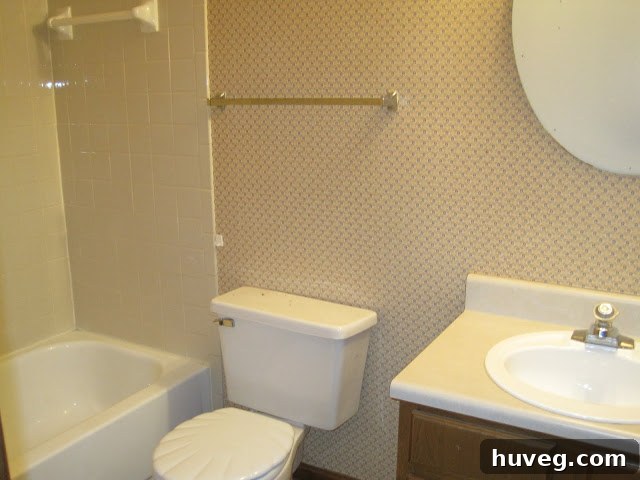
The Ultimate Guide to Your Dream Bathroom Renovation: A Step-by-Step Transformation Journey
A bathroom renovation is far more than just a cosmetic upgrade; it’s an investment in your home’s value, your daily comfort, and your personal well-being. Imagine stepping into a space that reflects your style, offers unparalleled functionality, and serves as a serene retreat from the outside world. Whether you’re dreaming of a spa-like sanctuary, a sleek modern washroom, or a more practical and accessible space, the journey from concept to completion can be incredibly rewarding. This comprehensive guide will walk you through every critical phase of a bathroom remodel, helping you navigate the process with confidence and creativity.
Why Embark on a Bathroom Renovation Project?
The reasons homeowners choose to renovate their bathrooms are as diverse as their individual styles. Understanding these motivations can help solidify your own vision for the project.
Enhancing Home Value and Resale Appeal
Bathrooms and kitchens often top the list for home buyers. A tastefully renovated bathroom can significantly increase your property’s market value and make it stand out in a competitive real estate landscape. Modern fixtures, efficient layouts, and updated aesthetics are major selling points, offering a substantial return on investment.
Boosting Functionality and Comfort
Outdated bathrooms frequently suffer from poor layouts, insufficient storage, and inefficient fixtures. A renovation provides the perfect opportunity to rethink the space, optimize its functionality, and introduce elements that enhance daily comfort. This could mean a larger, more accessible shower, better lighting, or smart storage solutions that declutter your space and streamline your routine.
Creating a Personal Oasis
Your bathroom is one of the most private spaces in your home, and it deserves to be a haven. A renovation allows you to infuse your personality and create an atmosphere that promotes relaxation and rejuvenation. From luxurious soaking tubs to therapeutic rain showers and ambient lighting, transforming your bathroom into a personal spa can profoundly impact your daily sense of calm and well-being.
Addressing Outdated Aesthetics and Wear
Beyond aesthetics, older bathrooms can present a host of practical issues: leaky faucets, chipped tiles, inefficient toilets, and inadequate ventilation leading to mold or mildew. A renovation tackles these problems head-on, improving hygiene, reducing maintenance, and updating the overall look to contemporary standards. Replacing worn-out components ensures longevity and peace of mind.
Phase 1: Meticulous Planning and Design – The Blueprint for Success
The foundation of any successful bathroom renovation lies in thorough planning. This initial phase sets the stage for the entire project, ensuring that your vision aligns with your budget and practical constraints.
Defining Your Vision and Style
Before any demolition begins, visualize your ideal bathroom. Do you prefer a sleek, minimalist look, a rustic farmhouse charm, or a timeless traditional design? Collect inspiration from magazines, Pinterest, or design websites. Create a mood board that includes colors, textures, materials, and specific fixtures you love. This clear vision will guide all subsequent decisions, from tile selection to cabinet finishes.
Budgeting Wisely for Your Bathroom Remodel
A realistic budget is crucial to avoid costly surprises. Outline all potential expenses, including demolition, plumbing, electrical work, materials (tiles, vanity, fixtures), labor, and a contingency fund (typically 10-15% of the total budget) for unexpected issues. Obtain multiple quotes from contractors and suppliers to ensure you’re getting competitive pricing. Prioritize your spending on items that offer the most impact and longevity.
Layout and Space Optimization
Consider how you currently use your bathroom and what improvements could be made. Can the layout be reconfigured for better flow? Is there an opportunity to expand a shower, add more storage, or even create a separate toilet area? For smaller bathrooms, clever design tricks like wall-mounted vanities, corner sinks, and larger format tiles can create the illusion of more space. Think about traffic patterns and accessibility for all users.
Material Selection: Durability Meets Design
Choosing the right materials is paramount for both aesthetics and durability in a moisture-prone environment. Each material choice will significantly impact the final look, feel, and long-term maintenance of your bathroom.
- Tiles: Ceramic, porcelain, and natural stone (marble, granite, slate) are popular choices for floors and walls. Porcelain is highly durable and water-resistant, making it ideal for high-traffic areas and showers. Natural stone offers unique beauty but often requires more maintenance. Consider tile size, shape, and grout color for different design effects.
- Fixtures: Select faucets, showerheads, and shower systems that complement your design style and offer desired functionality. Water-saving options are a great choice for eco-conscious homeowners. For toilets, consider comfort height, dual flush, and concealed trapway designs for easier cleaning.
- Vanity and Countertops: The vanity is often a bathroom’s focal point. Choose between floating vanities for a modern look, freestanding units for a furniture feel, or custom built-ins for maximum storage. Countertop materials like quartz, granite, or solid surface offer durability and beauty, each with unique maintenance requirements.
- Lighting: A well-lit bathroom combines ambient, task, and accent lighting. Task lighting around the vanity is essential for grooming, while recessed lights provide overall illumination. Dimmer switches allow you to adjust the mood, creating a relaxing ambiance.
- Ventilation: An efficient exhaust fan is non-negotiable for preventing moisture build-up, mold, and mildew. Choose a fan with appropriate CFM (cubic feet per minute) for your bathroom size and consider models with built-in timers or humidity sensors for automatic operation.
Phase 2: The Demolition – Clearing the Canvas
Once your plans are finalized and materials ordered, the exciting (and messy) demolition phase begins. This is where the old is stripped away to make room for the new. Before starting, ensure all utilities (water, electricity) to the bathroom are shut off. Protect adjacent areas with drop cloths and cover vents to minimize dust spread. Safety gear, including gloves, eye protection, and a dust mask, is essential. Carefully remove old fixtures like the vanity, toilet, shower/tub, and then tackle tiles, flooring, and any walls being reconfigured. Proper disposal of debris is crucial; plan for a dumpster or waste removal service.
Phase 3: The Rough-In – Building the Foundation
With the bathroom stripped to its studs, the “rough-in” work begins. This involves all the hidden elements that form the backbone of your new bathroom – plumbing, electrical, and any structural adjustments.
Plumbing Rerouting and Upgrades
If your new layout requires moving the toilet, shower, or sink, now is the time to reroute water supply lines and drainpipes. This can be a significant part of the budget, especially if extensive changes are needed. It’s also an excellent opportunity to upgrade old pipes, replace corroded sections, or add new features like body jets in the shower or a bidet connection.
Electrical Wiring and Lighting Layout
New lighting schemes, additional outlets, and a dedicated circuit for your exhaust fan all require electrical work. Ensure all wiring meets current safety codes and is properly grounded. Install junction boxes for light fixtures, GFCI (Ground Fault Circuit Interrupter) outlets near water sources for safety, and wiring for heated floors or towel racks if desired.
Framing Adjustments
Any changes to the wall structure, such as creating a shower niche, building a pony wall for a partial enclosure, or expanding a doorway, will be done during this phase. This ensures that the structural elements are sound and ready for the installation of drywall and finishes.
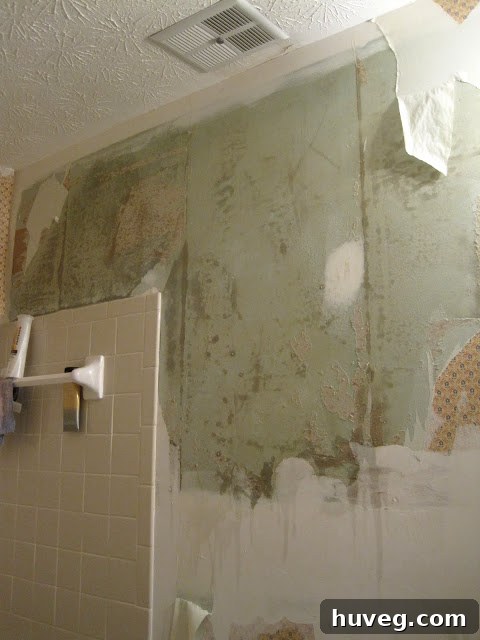
Phase 4: Installation – Bringing the Design to Life
This is where your vision truly starts to take shape as the new materials and fixtures are installed. Precision and attention to detail are key during this phase.
Waterproofing and Wall Preparation
Before tiling, especially in shower areas, robust waterproofing is essential. This involves installing a waterproof membrane or cement board and sealing all seams and screw holes. This critical step prevents water penetration and protects against mold and structural damage.
Flooring Installation
The new flooring is typically installed first. Whether you’ve chosen elegant porcelain tiles, luxurious natural stone, or durable vinyl, proper subfloor preparation and leveling are crucial for a flawless finish. Allow adequate time for adhesives and grout to cure according to manufacturer specifications.
Wall Tiling and Painting
Next, wall tiles are installed, often starting in the shower enclosure and extending to other wall areas as per your design. Accurate layout, straight lines, and consistent grout joints are vital for a professional look. Once tiling is complete and grout has cured, walls not being tiled can be primed and painted. Choose moisture-resistant paints for durability in the bathroom environment.
Shower/Tub and Surround Installation
The main bathing fixture, whether it’s a new shower base, a full tub, or a wet room system, is set and plumbed. This is followed by installing the shower surround, which could involve tiling, installing acrylic panels, or setting a glass enclosure. Ensure all seals are watertight.
Vanity, Countertop, and Sink Integration
Your chosen vanity is installed, followed by the countertop. The sink is then integrated into the countertop, and the faucet is attached and connected to the plumbing lines. Proper leveling and sealing are important for both aesthetics and preventing water damage.
Toilet and Other Fixture Placement
The new toilet is installed and securely bolted to the floor, with the wax ring ensuring a watertight seal to the drain. Any remaining fixtures, such as wall cabinets or shelving, are also mounted at this stage.
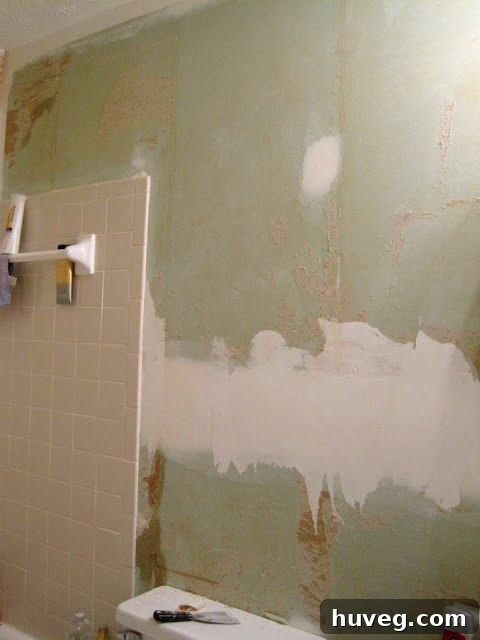
Phase 5: The Finishing Touches – Details Make the Difference
The final phase brings all the elements together, adding the polish and personality to your newly renovated bathroom.
Lighting Fixtures and Electrical Connections
Install all remaining lighting fixtures, including vanity lights, recessed lights, and any decorative sconces. Connect exhaust fans and verify all electrical components are working correctly and safely.
Mirrors and Storage Solutions
Hang your chosen mirror, which can range from a simple frameless design to an elaborate framed piece or even a smart mirror with integrated lighting. Install any additional storage, such as medicine cabinets, shelving units, or shower caddies, to maximize organization.
Hardware Installation
Attach all the small but important details: towel bars, toilet paper holders, robe hooks, and cabinet pulls. Choose hardware that complements your fixture finishes and overall design style.
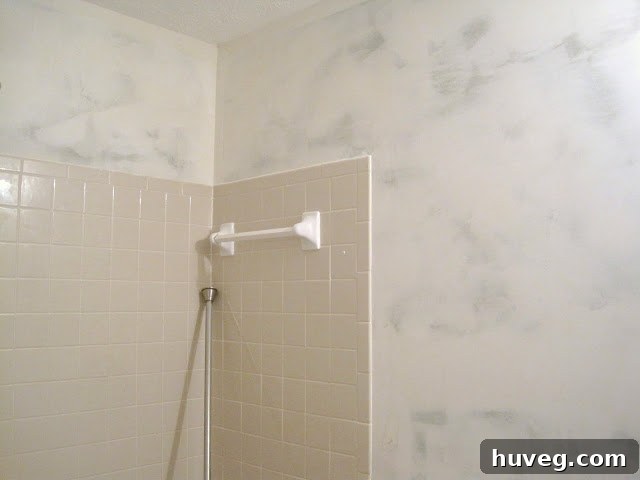
Paint Touch-ups and Caulking
Perform any necessary paint touch-ups, especially after hardware installation. Apply a clean bead of mildew-resistant caulk around sinks, tubs, showers, and other wet areas to seal gaps and prevent water intrusion, ensuring a neat and professional finish.
Accessorizing and Decor
This is where you infuse the room with personality. Add fresh towels, decorative soaps, plants, artwork, and other personal touches to make the space truly yours. These accessories can tie the whole design together and create a welcoming atmosphere.
Common Challenges and How to Overcome Them in Your Bathroom Remodel
Even with meticulous planning, renovation projects can present unexpected hurdles. Being prepared can help you navigate them smoothly.
Budget Overruns
The most common challenge is exceeding the budget. Always have a contingency fund (10-15%) set aside. Stick to your material selections to avoid last-minute, expensive upgrades. Communicate openly with your contractor about costs and any potential changes.
Unexpected Issues
Behind walls, you might uncover old plumbing problems, electrical issues, rot, or mold. These must be addressed immediately, which can add time and cost. A good contractor will identify and propose solutions promptly. Factor in flexibility for your timeline and budget.
Choosing Between DIY and Professional Renovation
Deciding whether to tackle a bathroom remodel yourself or hire professionals depends on your skill level, time commitment, and the complexity of the project.
- DIY (Do-It-Yourself): Offers significant cost savings and immense personal satisfaction. Best suited for cosmetic updates like painting, minor tiling, or fixture replacement. Requires time, patience, and a willingness to learn.
- Professional: Essential for complex tasks like plumbing rerouting, electrical work, structural changes, or intricate tiling. Professionals bring expertise, efficiency, and often a warranty for their work. While more expensive upfront, they can save money and headaches in the long run by avoiding costly mistakes.
For critical tasks involving water and electricity, it’s always recommended to hire licensed professionals to ensure safety and compliance with building codes.
Maintaining Your Newly Renovated Bathroom
To preserve the beauty and functionality of your new bathroom for years to come, regular maintenance is key. Clean grout lines regularly to prevent discoloration and mildew. Inspect caulking around wet areas periodically and reapply if it shows signs of cracking or peeling. Ensure your exhaust fan is used consistently to manage humidity, and promptly address any leaks or drips from faucets or pipes to prevent water damage.
Conclusion
A bathroom renovation is a journey of transformation, turning an ordinary space into an extraordinary one. From the initial spark of an idea to the final placement of a decorative accent, each step contributes to creating a bathroom that not only meets your practical needs but also serves as a personal sanctuary. By meticulously planning, budgeting wisely, and approaching each phase with thoughtful consideration, you can successfully navigate the complexities of a remodel. The result will be a beautifully designed, highly functional, and supremely comfortable space that enhances your home and enriches your daily life. Take inspiration from this guide, embrace the process, and embark on the exciting path to your dream bathroom today.