Renewing Your Shower Caulk The Next Steps

The Ultimate Guide to Re-Caulking Your Shower: A DIY Homeowner’s Journey to a Watertight Bathroom
Every homeowner eventually faces the challenge of maintaining their bathroom’s integrity, and few tasks are as crucial as re-caulking the shower. Over time, caulk can crack, peel, or become a breeding ground for mold and mildew, compromising both the aesthetics and the structural health of your bathroom. This comprehensive guide will walk you through the essential steps, common pitfalls, and expert tips for successfully re-caulking your shower, ensuring a durable, watertight, and visually appealing finish. Whether you’re a seasoned DIY enthusiast or a first-timer, you’ll gain the confidence and knowledge needed to tackle this essential home improvement project.
Why Re-Caulk Your Shower? The Undeniable Benefits
Re-caulking might seem like a minor task, but its importance cannot be overstated. Neglecting old, failing caulk can lead to a host of problems, making a simple repair much more complex and costly down the line. Here’s why giving your shower a fresh seal is a smart investment:
- Prevent Mold and Mildew: Old caulk often harbors moisture, creating a perfect environment for unsightly and unhealthy mold and mildew growth. Fresh, properly applied caulk, especially silicone, offers superior resistance to these common bathroom woes.
- Protect Against Water Damage: Cracked or missing caulk allows water to seep behind tiles and into wall cavities. This can lead to serious structural damage, wood rot, plaster deterioration, and costly repairs that extend far beyond the shower area itself.
- Improve Aesthetics: Fresh, clean caulk instantly brightens and modernizes a bathroom. It creates crisp, clean lines that make your shower look professionally finished, enhancing the overall appeal of your space.
- Extend Bathroom Lifespan: By actively maintaining the seals in your shower, you protect your investment and significantly prolong the life of your tiles, grout, and underlying structures, delaying the need for more extensive renovations.
Choosing the Right Caulk: Silicone is King for Wet Areas
One of the most critical decisions you’ll make when re-caulking your shower is selecting the correct type of caulk. This initial choice can make or break the longevity and effectiveness of your seal.
- Silicone Caulk: The Superior Choice for Showers. For maximum moisture, mildew, and mold protection in your shower, silicone caulk is the undisputed champion. It’s highly flexible, incredibly durable, and forms a watertight seal that can withstand the constant moisture and temperature fluctuations of a bathroom environment. Silicone caulk maintains its elasticity over time, preventing cracks and shrinkage that often plague other caulk types.
- Never Use Latex Caulk for Wet Areas. This is a cardinal rule in bathroom DIY. Latex caulk, while easy to work with and paintable, is porous and will absorb every bit of dampness. It will quickly degrade, peel off, and become a prime breeding ground for mold and mildew. Save latex caulk for interior, dry applications like trim around windows and doors, but keep it far away from your shower or bathtub.
- Understanding Color Options: While most acrylic caulks boast a wide range of colors readily available, silicone caulk traditionally has fewer options – often limited to white and clear in many standard hardware stores. However, specialized stores and larger home improvement centers like Home Depot often carry a broader spectrum of silicone colors, allowing you to match your caulk to your grout or fixtures more precisely. Remember, unlike acrylic caulk, silicone caulk is NOT paintable. What you apply is what you get, so choosing the right color upfront is crucial.
- Kitchen and Bath Specifics: Don’t be misled by labels! Silicone caulk formulated for kitchens is essentially the same as that for bathrooms. Both are designed for permanent, waterproof seals in high-moisture environments. If you can’t find what you need in the bathroom aisle, check the kitchen or general caulk section. Focus on the caulk’s properties (silicone, waterproof, mildew-resistant) rather than the specific room it’s labeled for.
My own experience highlighted this exact point. Initially, I grabbed a standard white caulk, assuming it would match my white tub. While perfect for the tub, it was a glaring mismatch against the off-white grout in the shower corners. This oversight meant a return trip to the store, removal of brand-new caulk, and a complete re-do. Lesson learned: always consider the surrounding surfaces!
Essential Tools and Materials for a Flawless Re-Caulking Job
Having the right tools makes a significant difference in the ease and quality of your caulk application. Here’s what you’ll need:
- Caulk Gun: This is non-negotiable for applying caulk smoothly and efficiently from a standard tube. While small squeeze tubes exist, they are notoriously difficult to control and can cause hand fatigue, especially for larger areas. Invest the few extra dollars for a proper caulk gun; your hands will thank you.
- Caulk Removal Tool / Utility Knife / Blade: Essential for safely and thoroughly removing old caulk without damaging your tile or tub.
- Cleaning Supplies: Bleach-based cleaner, scrub brush, and sponges to remove mold, mildew, and grime. A clean surface is paramount for new caulk adhesion.
- Painter’s Tape: For creating precise, straight lines and protecting adjacent surfaces. This is an optional but highly recommended tool, especially for beginners or those seeking a professional finish.
- Baby Wipes: This is perhaps my favorite and most effective caulking tip! Baby wipes are incredibly handy for quickly cleaning up excess caulk, smoothing beads, and keeping your fingers clean. They contain just enough moisture and mild cleanser to work perfectly without leaving damp rags to rinse out.
- Drop Cloth or Towels: To protect your flooring and fixtures from errant caulk or cleaning solutions.
- Safety Gear: Gloves (to protect your hands from caulk and cleaners) and good ventilation (open windows, use a fan) are important, especially when working with strong cleaners or certain caulk formulations.
Step-by-Step Shower Re-Caulking Process: From Prep to Perfection
A successful re-caulking job is 80% preparation and 20% application. Rushing the initial steps will inevitably lead to a subpar and short-lived seal.
Preparation is Key: The Foundation of a Lasting Seal
This is where most DIYers either excel or fall short. Thorough preparation is the secret to a professional-looking, long-lasting caulk line.
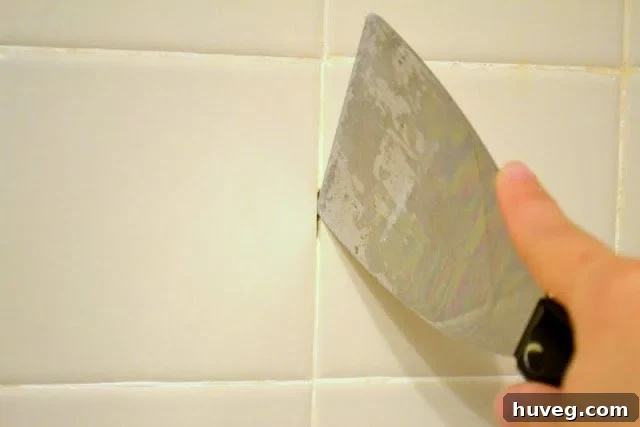
First and foremost, you must remove every trace of old caulk. This means diligently scraping, peeling, and cutting away all existing material. Any residual old caulk will prevent the new caulk from adhering properly, creating weak spots and potential gaps. Use a dedicated caulk removal tool or a utility knife (carefully!) to get into every crevice. For particularly stubborn caulk, a heat gun on a low setting can sometimes soften it, but be extremely cautious not to damage the surrounding surfaces. This process often means making the gap a little bigger to ensure all loose material is gone, but it’s worth the effort.
Once the old caulk is gone, the area must be meticulously cleaned. Use a strong bleach-based cleaner or a specialized mold and mildew remover to eradicate any lingering spores or grime. Scrub the surfaces thoroughly, rinse well, and then – this is crucial – allow the area to dry completely. Any moisture left behind will compromise the new caulk’s adhesion and can lead to immediate mold growth under your fresh seal. Aim for at least 12-24 hours of dry time after cleaning, perhaps even using a fan to aid evaporation.
Finally, for those seeking perfectly straight lines, apply painter’s tape. Mask off the areas adjacent to where the caulk will be applied, leaving a narrow, consistent gap for the caulk bead. This technique ensures a clean finish and minimizes cleanup, as you won’t have to worry about excess caulk spreading onto your tiles or tub. While optional, I highly recommend taping, as it provides a protective line and significantly improves the final aesthetic.
Applying the New Caulk: Precision and Patience
With the surface prepared, it’s time for application. Cut the nozzle of your caulk tube at a 45-degree angle, making an opening just slightly smaller than the bead you intend to apply. Load the tube into your caulk gun. Apply steady, consistent pressure as you move the gun along the joint. Aim for a continuous bead without stopping or starting frequently, which can create inconsistencies.
Once the caulk is applied, you’ll need to smooth it. Many professionals use a moistened finger or a specialized caulk tool for this. The baby wipe trick comes in handy here; simply wrap a baby wipe around your finger and gently glide it along the caulk bead, removing excess and creating a smooth, concave finish. Work quickly, as silicone caulk begins to skin over relatively fast. If you’ve used painter’s tape, remove it immediately after smoothing the caulk, before it fully sets, to prevent tearing the caulk line.
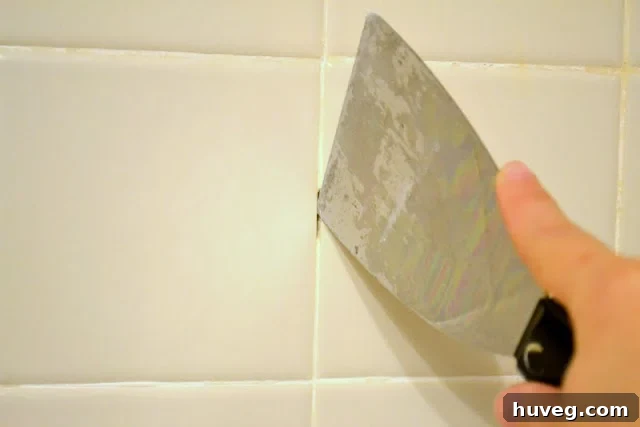
This image demonstrates proper caulk application and the quality of a well-sealed joint. While silicone caulk can patch small holes in your grout, for larger issues, re-grouting is necessary.
Beyond Caulk: Using Silicone for Minor Grout Repair
Silicone caulk isn’t just for sealing joints; it can also be a surprisingly effective temporary solution for small areas of missing grout, especially in older showers. If you have an old shower like mine, where a few small patches of grout have disappeared over time, a carefully color-matched silicone caulk can provide a quick and waterproof fix.
The process is straightforward: first, ensure the area is free of any loose grout by gently scraping with a blade or utility knife. Be careful not to damage the surrounding tiles. Once clean, simply apply a small amount of silicone caulk to fill the void. Smooth it with a wet finger or baby wipe, just as you would with a caulk joint. The key is to match the caulk color as closely as possible to your existing grout to avoid a splotchy appearance. I discovered this trick when my chosen caulk matched my grout so well that I used it for minor patches, effectively killing two birds with one stone!
However, it’s crucial to understand that this is a temporary fix. For larger areas of missing or deteriorating grout, or if the problem is widespread, you’ll want to properly remove the old grout using an oscillating tool with a specialized grout blade and then re-grout the area entirely. This ensures a more permanent and structurally sound repair.
The Critical Drying Time: Patience is a Virtue
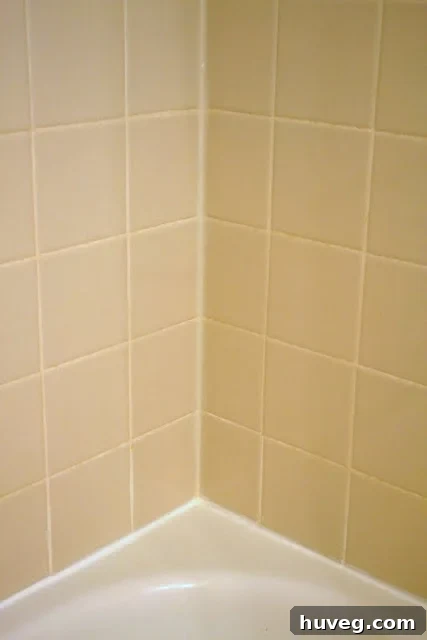
After all your hard work, the final, and perhaps most challenging, step is to wait. You’ll see tubes of caulk proudly displaying “1-hour shower ready” or “30-minute shower ready” labels. While these quick-dry claims might be tempting, every single manufacturer’s instruction will also tell you that the caulk truly needs a full 24 hours to cure completely before exposure to water. Skipping this crucial drying time can compromise the seal, leading to premature failure and forcing you to re-do the entire job.
Resist the urge to use your shower prematurely. Allow the caulk to cure fully. This ensures maximum adhesion, durability, and waterproofing. Think of it as a small investment in time that prevents a much larger headache later on. In rare shower emergencies, you might get away with light exposure after the shorter advertised times, but for a lasting, robust seal, the 24-hour wait is non-negotiable.
A DIYer’s Perspective: Embracing the Learning Curve
As a homeowner, not an expert, I can confidently say that making mistakes is part of the DIY journey. I’ve made plenty with this house, even when trying my best. It’s totally normal, and I believe it’s important to share these experiences so others don’t feel like they’re the only ones encountering “caulking things up” (pun intended!). My initial color mismatch and subsequent re-caulking of a freshly caulked shower taught me valuable lessons about preparation and attention to detail.
These experiences highlight that home improvement is often about trial, error, and perseverance. Don’t be discouraged by setbacks. Each mistake is an opportunity to learn and improve your skills. The satisfaction of a job well done, even if it took a couple of tries, is incredibly rewarding.
Finishing Touches and Ongoing Maintenance
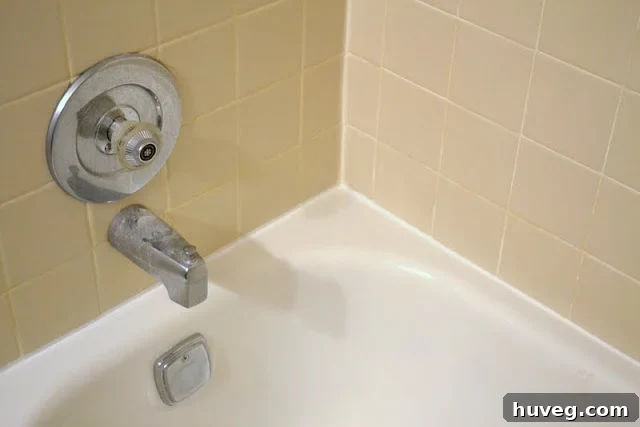
With the caulk dry, your shower is almost ready! In my case, I used the drying time as an opportunity for another upgrade: installing a fancy new shower head. The old one was simply gross, and this new addition not only enhances the shower experience but also includes a spray handle, which will be perfect for bathing my dog, Charlie (a picture of which will feature in the final reveal!). Of course, I fully intend to thoroughly clean the tub between dog washings, just in case a guest ever needs to use it – though, let’s be honest, that’ll be virtually never. But hey, Charlie will be a clean pup!
To ensure your newly caulked shower stays pristine, adopt good habits. Always use your bathroom’s exhaust fan during and after showers to reduce humidity. Wipe down shower walls and caulk lines after use to minimize standing water. Regularly clean your shower with appropriate bathroom cleaners to prevent soap scum buildup and discourage mold growth. With a little ongoing care, your fresh caulk will look great and perform its essential waterproofing duty for years to come.
Can you feel it? Just a little cleaning and that final polish, and your bathroom will be ready to go. Wahoo! Re-caulking your shower is a straightforward yet impactful project that significantly contributes to the longevity and beauty of your bathroom. By following these steps and choosing the right materials, you can achieve a professional-quality seal and enjoy a cleaner, drier, and more inviting shower space for years to come.