Daylily Garden Report

The Unstoppable Daylily: A Testament to Garden Resilience and the Power of Neglect Gardening
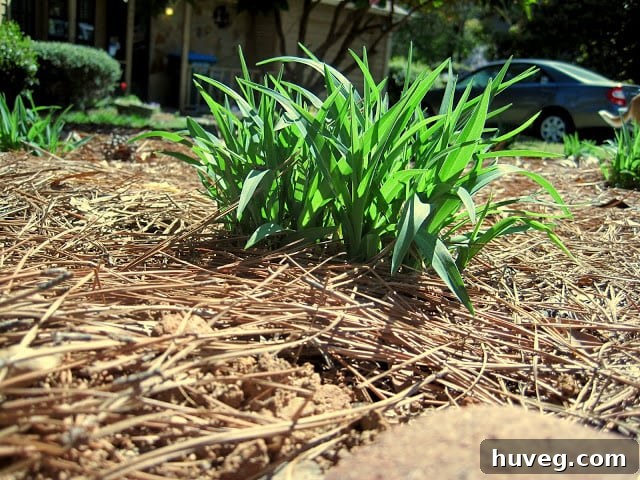
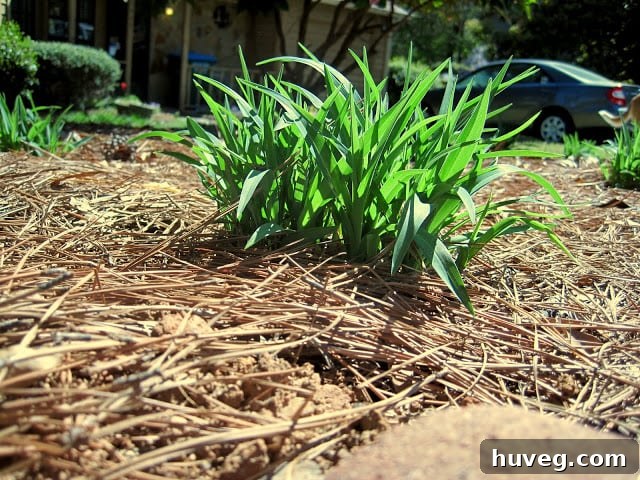
Remember that post I shared about my exceptionally robust daylilies? The very ones I left for an extended period, only to find them miraculously thriving? Well, to my continued astonishment, these botanical warriors are still not only surviving but flourishing. After a significant six-month hiatus from their intended home, having been uprooted and then replanted, they are back in the ground and displaying an impressive tenacity that defies conventional gardening wisdom. It seems their indomitable spirit is truly unmatched, a silent testament to the incredible resilience found in nature.
This remarkable survival story has led me to a profound realization about successful gardening, particularly for those of us with busy lives or a tendency towards a “less-is-more” approach. Perhaps the true secret to keeping plants alive and even thriving in my garden isn’t constant pampering or meticulous care, but rather the selection of species so inherently tough, so determined to live, that pure neglect becomes a major food group in their diet. It’s a revelation that challenges the very notion of a “green thumb,” suggesting that sometimes, the best thing we can do for our plants is to get out of their way and let their natural hardiness shine through.
The Myth of the “Green Thumb” and the Reality of Resilient Plants
For years, gardening advice has often revolved around the idea of a “green thumb” – an almost mystical ability to make anything grow. This often translates into recommendations for constant watering, regular feeding, vigilant pest control, and meticulous pruning. While these practices certainly have their place, my experience with these daylilies, and many other plants in my garden, suggests that this narrative can be overly prescriptive and even discouraging for aspiring gardeners. The truth is, many plants don’t just tolerate neglect; they often seem to thrive under conditions that would send more delicate species to an early grave. This paradigm shift can be incredibly liberating for gardeners who feel overwhelmed by the demands of traditional plant care, opening up a world of possibilities for beautiful, flourishing spaces that require minimal intervention.
My own gardening journey has been a process of experimentation and discovery, often leaning towards the unconventional. I’ve learned that listening to the plants themselves, rather than strictly adhering to every piece of advice, yields the most authentic and satisfying results. The daylilies, in their silent defiance, have become symbols of this lesson. Their ability to bounce back after being out of the ground for half a year, enduring varying conditions and a re-transplant, speaks volumes about their inherent strength. It’s a powerful reminder that nature, given the right foundational conditions, often knows best how to adapt and persevere.
Daylilies: Nature’s Own Survival Experts
Daylilies, scientifically known as Hemerocallis, are a true marvel in the plant kingdom, embodying the very essence of resilience. Their widespread popularity among gardeners isn’t solely due to their stunning array of colors and forms, which range from vibrant yellows and oranges to deep reds and purples, often with intricate patterns and ruffled edges. A significant part of their appeal lies in their incredible toughness and adaptability. These perennial beauties are renowned for their strong, fibrous root systems that anchor them firmly in the soil and allow them to efficiently seek out water and nutrients, making them incredibly drought-tolerant once established.
Furthermore, daylilies are incredibly forgiving when it comes to soil conditions, thriving in everything from sandy to clay soils, as long as there is adequate drainage. They can withstand a wide range of temperatures, making them suitable for many different hardiness zones, and are generally resistant to most pests and diseases. This combination of attributes makes them an ideal choice for gardeners seeking reliable, long-lasting color without the constant demands of more finicky plants. From the common Stella de Oro to countless hybrid varieties, their inherent hardiness remains a consistent trait, ensuring a high success rate even for the most hands-off gardener.
The Art of Neglect Gardening: A Secret Weapon for Busy Gardeners
The concept of “neglect gardening” might sound counterintuitive, even irresponsible, but for certain plants like daylilies, it’s less about intentional harm and more about strategic minimal intervention. This approach encourages plants to develop deep, robust root systems as they are forced to search for water and nutrients on their own, rather than relying on frequent superficial watering. Over time, this makes them stronger, more self-sufficient, and ultimately more resilient to environmental stressors such as drought or temperature fluctuations.
For the busy modern gardener, embracing the art of neglect can be incredibly liberating. It shifts the focus from constant chores to thoughtful plant selection and initial preparation. Instead of feeling guilty about a missed watering session, you can rest assured that your chosen resilient plants are likely doing just fine, quietly building their strength beneath the surface. This approach reduces stress, saves time, and allows gardeners to truly enjoy their outdoor spaces without the burden of endless maintenance tasks. It fosters a more harmonious relationship with nature, where plants are empowered to thrive on their own terms, rather than being entirely dependent on human intervention.
Embracing the “Hard to Kill” Philosophy
The foundation of a truly low-maintenance garden lies in adopting a “hard to kill” philosophy when selecting plants. This means consciously choosing species that are inherently tough, adaptable, and self-sufficient. Characteristics that define a “hard to kill” plant include strong root systems, drought tolerance once established, resistance to common pests and diseases, and adaptability to a wide range of soil and climate conditions. Native species, in particular, often fit this description perfectly, as they are naturally suited to the local environment and require less external support.
While the “neglect” part comes into play once plants are established, it’s crucial to acknowledge that initial care remains paramount. Proper planting techniques, including digging an appropriately sized hole, improving soil with compost, and providing adequate water during the initial establishment phase, are vital for long-term success. These foundational steps give resilient plants the best possible start, enabling them to develop the robust root systems necessary to withstand periods of neglect later on. Think of it as an investment: a little effort upfront for years of effortless beauty.
Beyond Daylilies: Other Champions of Low-Maintenance Landscaping
While daylilies are exceptional examples, they are by no means the only champions of low-maintenance landscaping. There’s a whole host of other resilient plants that can contribute to a thriving garden with minimal effort. Hostas, for instance, are beloved for their lush foliage and ability to thrive in shady areas, requiring little more than occasional watering once settled. Sedum, with its succulent leaves and late-season blooms, is incredibly drought-tolerant and perfect for sunny, dry spots. Coneflowers (Echinacea) offer vibrant color and attract pollinators, all while demanding very little attention.
Ornamental grasses like Little Bluestem or Feather Reed Grass also provide year-round texture and movement with practically no fuss. When choosing these resilient plants for your garden, always consider your specific hardiness zone, local climate, and the amount of sunlight each area receives. Even the toughest plants have their preferred conditions. By matching the right plant to the right place, you set yourself up for success, ensuring your garden remains beautiful and vibrant without becoming a chore. Researching plant tags and local nursery recommendations for “easy-care” or “drought-tolerant” options can significantly streamline your selection process.
Cultivating a Thriving Garden with Minimal Effort
Implementing a low-maintenance gardening strategy involves a few key principles that, when followed, can transform your outdoor space into a haven of natural beauty that doesn’t demand your constant attention. Firstly, the aforementioned advice to “choose the right plant for the right place” cannot be overstated. Understanding your soil type, sunlight exposure, and climate conditions is fundamental. Secondly, invest in soil health from the outset. Incorporating organic matter like compost improves drainage, aeration, and nutrient retention, giving plants a strong foundation. Thirdly, mulching is your best friend. A thick layer of organic mulch around plants helps retain soil moisture, suppresses weeds, and moderates soil temperature, significantly reducing watering and weeding tasks.
Consider installing drip irrigation for new plantings, which provides water directly to the roots and minimizes waste. For established, resilient plants, adopt the “water deeply, but infrequently” motto; this encourages deeper root growth rather than shallow surface roots. By focusing on these practices, you can create a garden that is not only visually appealing but also ecologically sound and remarkably easy to care for. The ultimate joy of this approach is witnessing your plants thrive, knowing that their robustness is a testament to nature’s power, rather than endless human intervention.
My Daylilies’ Journey: A Personal Reflection on Resilience
The journey of my daylilies, from their initial robust display, through an unplanned six-month exile from their pots, to their triumphant return to the garden bed, has been an invaluable learning experience. Their surprising survival and subsequent re-establishment have taught me more about the inherent strength of plants than years of meticulous gardening advice ever could. Watching them rebound, producing new foliage and eventually their cheerful blooms, instilled a profound sense of awe and gratitude.
This experience has reinforced my belief that sometimes, the best thing a gardener can do is trust in the power of natural selection and the incredible adaptability of certain species. It has shifted my perspective, encouraging me to embrace imperfection and celebrate the tenacity of life. These daylilies are more than just pretty flowers; they are living proof that sometimes, stepping back and allowing nature to take its course can lead to the most unexpected and rewarding gardening successes. They continue to inspire me to seek out other “hard to kill” plants, creating a garden that works with my lifestyle, rather than against it.
Conclusion: Embrace the Power of Natural Selection in Your Garden
The enduring story of my daylilies serves as a powerful reminder that gardening doesn’t have to be an arduous, all-consuming task. Instead, it can be a joyful partnership with nature, where we select plants that are inherently equipped for survival, allowing their natural resilience to shine. Daylilies, with their unparalleled toughness and forgiving nature, stand as symbols of what is possible when we embrace the philosophy of neglect gardening.
By consciously choosing “hard to kill” plants, providing them with a good start, and then trusting in their ability to thrive with minimal intervention, we can cultivate beautiful, vibrant gardens that bring immense satisfaction without demanding excessive time or effort. So, if you’ve ever felt discouraged by the seemingly endless demands of gardening, take a cue from the unstoppable daylily. Reconsider your approach, embrace the power of natural selection, and discover the true joy of a garden that flourishes, perhaps precisely because you’ve learned when to step back. A truly “green thumb” might just be one that understands the profound strength of letting nature do its magnificent work.