Rubys Revival Episode Six Ready For Showcase

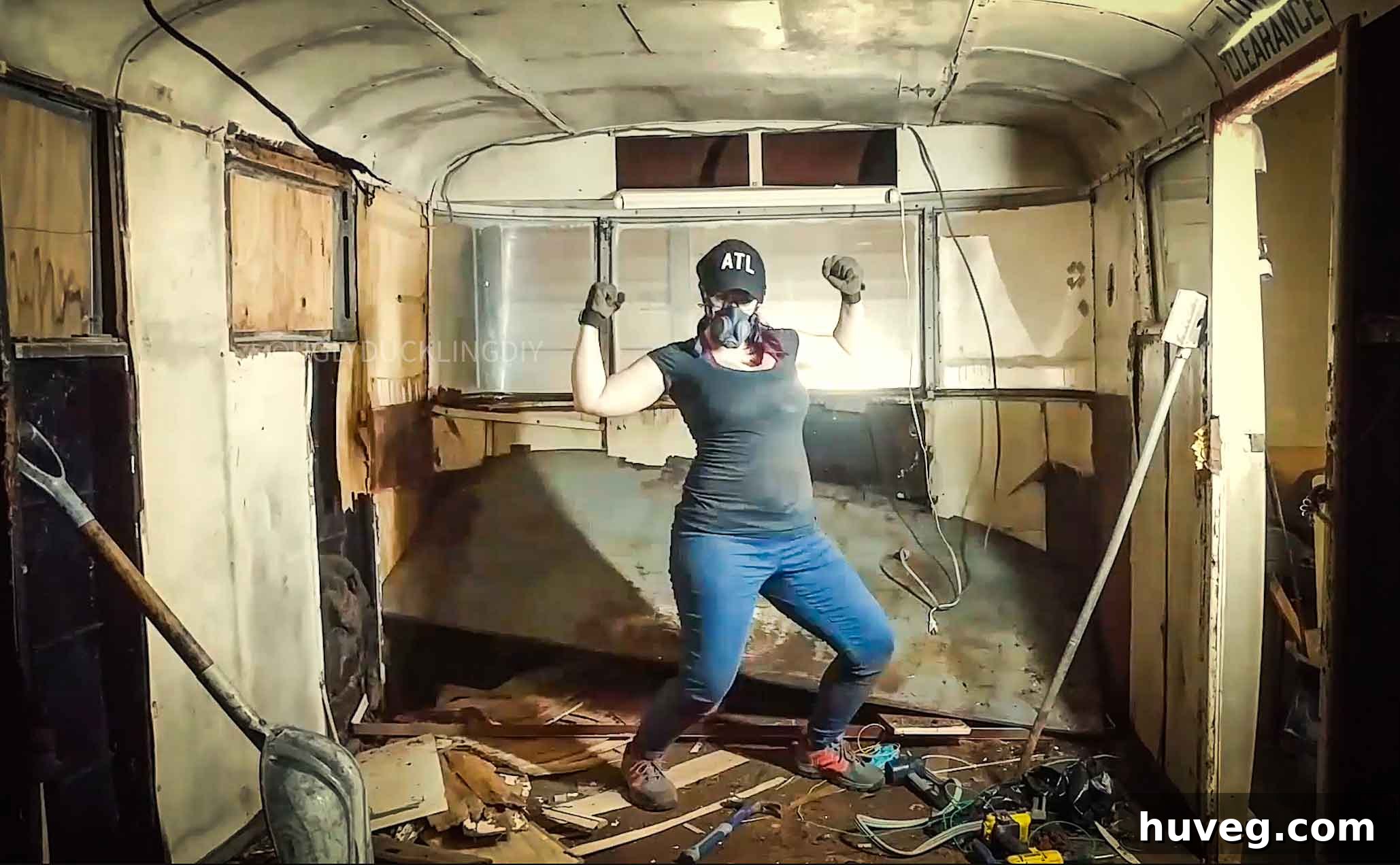
Ruby’s Revival: Unveiling the Full Vintage Camper Demolition Breakdown
Get ready for a deep dive into our vintage camper renovation! I recently shared some initial updates on the beginning of Ruby’s Revival demo, but today, I’m thrilled to present the complete video breakdown of the entire, exhaustive process. This isn’t just a photo dump; it’s a comprehensive look at how we tackled the formidable task of stripping down our beloved 1946 Spartan Manor travel trailer.
For those just joining our adventure, my boyfriend, Kyle, and I have embarked on a passion project: meticulously remodeling a cherished 1946 Spartan Manor travel trailer, affectionately known as Ruby. This significant undertaking runs alongside our ongoing house renovation projects, but Ruby has recently demanded (and received!) a substantial amount of our time and dedication. We hope you enjoy following along as we breathe new life into this vintage beauty!
The Initial Tear-Out: A Journey of Discovery and Hard Work
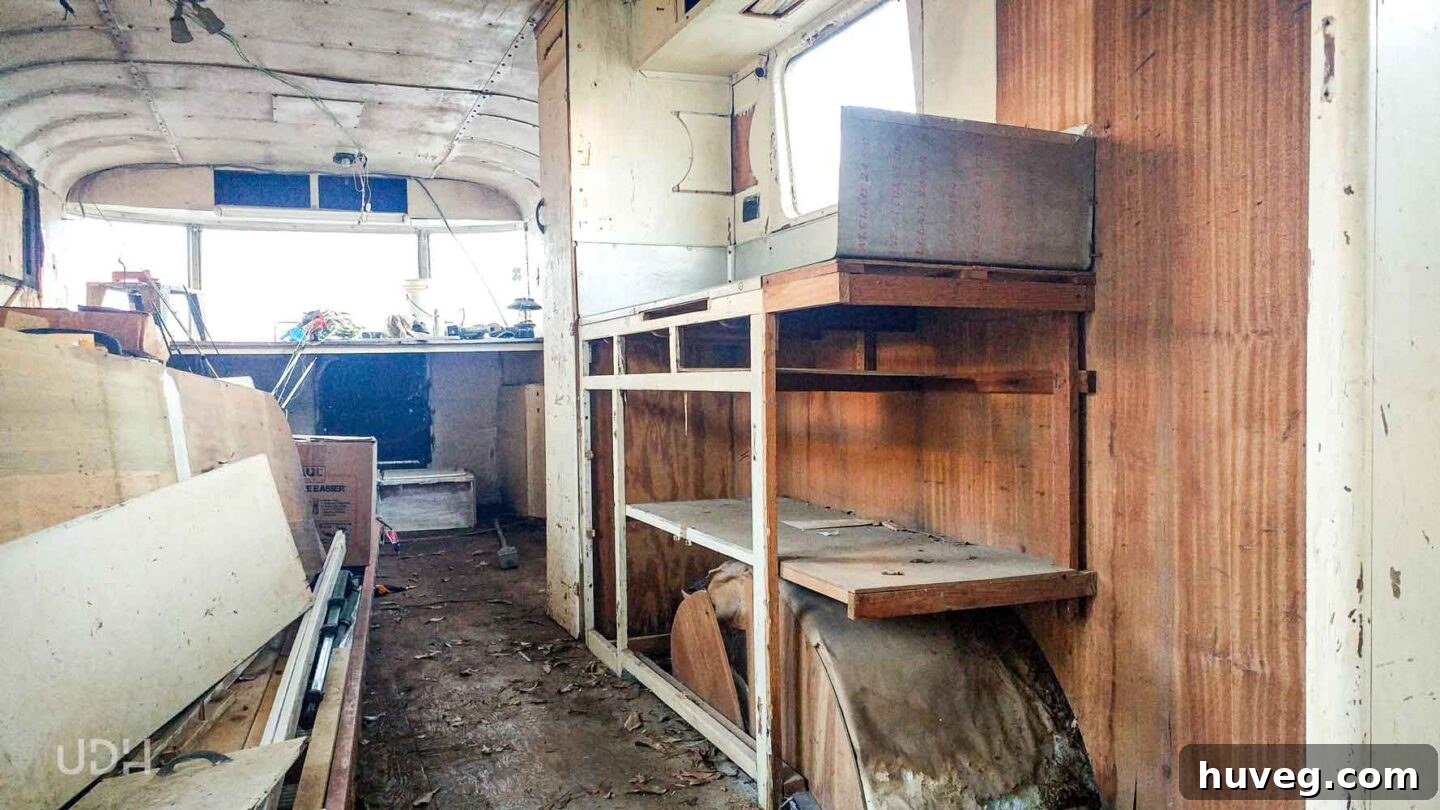
When we last spoke about Ruby, Kyle was diligently working on the exterior polishing, a task that has already transformed her weathered aluminum skin. Meanwhile, my focus was squarely on the interior. I had just begun the monumental task of dismantling the larger interior components: the original cabinets, worn-out countertops, and various storage compartments that had served the camper for decades. This initial phase, while incredibly exciting as it revealed the bones of the trailer, was merely the tip of the iceberg. There was still an immense amount of work ahead, and countless lessons to be learned.

Now, I can proudly announce that the demolition phase is finally complete! We’ve transitioned from the destructive (yet cathartic) process of tearing things out to the exhilarating stage of rebuilding. The early months of this year saw Ruby become our primary focus, which naturally meant a temporary slowdown on our home projects. As you’ll hear me explain in the comprehensive video (all episodes of our YouTube series are available here), I approached the demolition with three crucial considerations in mind as I removed everything I could get my gloved hands on:
Strategic Salvage: What to Keep, What to Learn From
- Templates: The unique curved areas of a vintage camper like Ruby present a significant challenge for future cuts and fabrication. Therefore, preserving the original parts that conformed to the curved walls and roof was paramount. These pieces now serve as invaluable templates, saving us countless hours of complex measurements and adjustments down the line.
- Hardware: While I’m not yet certain which specific hardware pieces will be reused in the final design, I’ve received numerous requests from our dedicated followers to retain as much as possible. Items such as the original cabinet clasps are often incredibly difficult, if not impossible, to replace with authentic vintage alternatives. My hope is to integrate some of the existing pulls and vintage details back into Ruby’s refreshed interior, honoring her history. Should I ultimately decide not to use certain items, they can be sold to other passionate restorers who are always on the lookout for these rare parts. Considering this renovation has already incurred costs reaching into the thousands, selling salvaged items is a practical way to offset expenses and ensure resources are channeled directly back into the project.
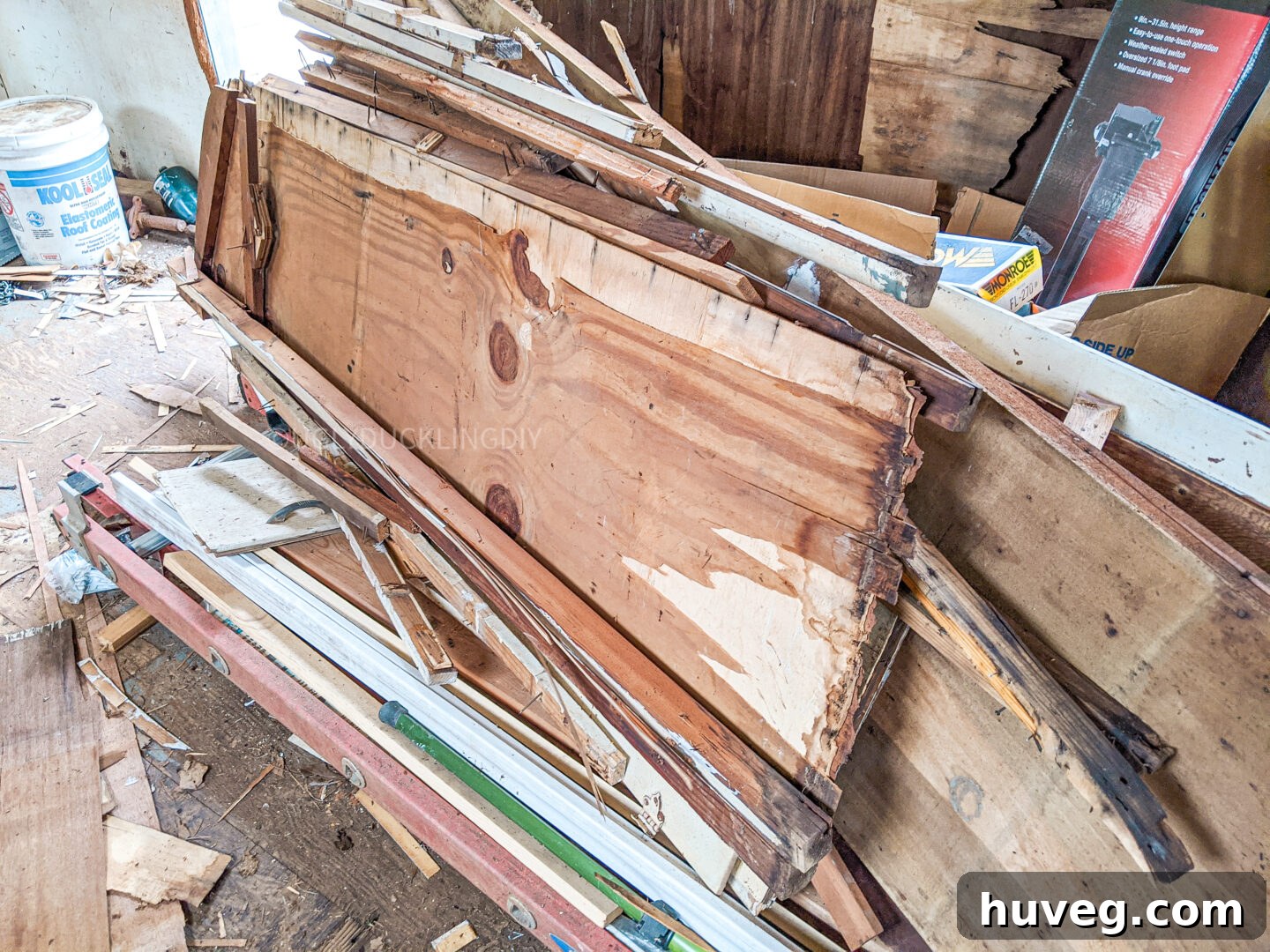
- Salvaged Wood: A significant portion of Ruby’s original framing suffered from severe wood rot or was compromised by unknown chemicals from her past lives, rendering it unsalvageable. However, some of the interior wood pieces remain in surprisingly decent condition. This presented a unique opportunity: to transform this leftover wood into small art pieces, keychains, turned pens, and other bespoke items. It’s a creative way to engage with our followers who are enjoying Ruby’s journey, allowing them to own a tangible piece of her history. It also provides a fantastic avenue to utilize and expand my woodworking skills. Any funds generated from these sales will be directly reinvested into the Ruby’s Revival project, creating a wonderful win-win scenario for those who desire a real-life, tangible keepsake. We’re also exploring other merchandise like mugs, stickers, and t-shirts; I’ve shared some hand-drawn previews on Instagram, and the positive feedback suggests a genuine willingness to support the project in this way. While a small voice of doubt occasionally whispers “no one will buy your art,” I believe it’s always worth the attempt!
Below is a summary video, but for the full, in-depth version of our demolition journey, make sure to check out the entire YouTube series!
Our latest video provides a fantastic overview of the challenging, yet rewarding, interior demolition of our 1946 Spartan Manor. You’ll witness the painstaking removal of cabinetry, the unexpected surprises within the insulation, the extensive tear-out of interior wall skins, and, of course, the sheer number of screws that needed extracting. Don’t miss this preview, and then head over to YouTube for the complete episode!
Follow Me on Youtube – help me reach 25k subscribers!
The Gritty Reality: Insulation, Rust, and Endless Screws
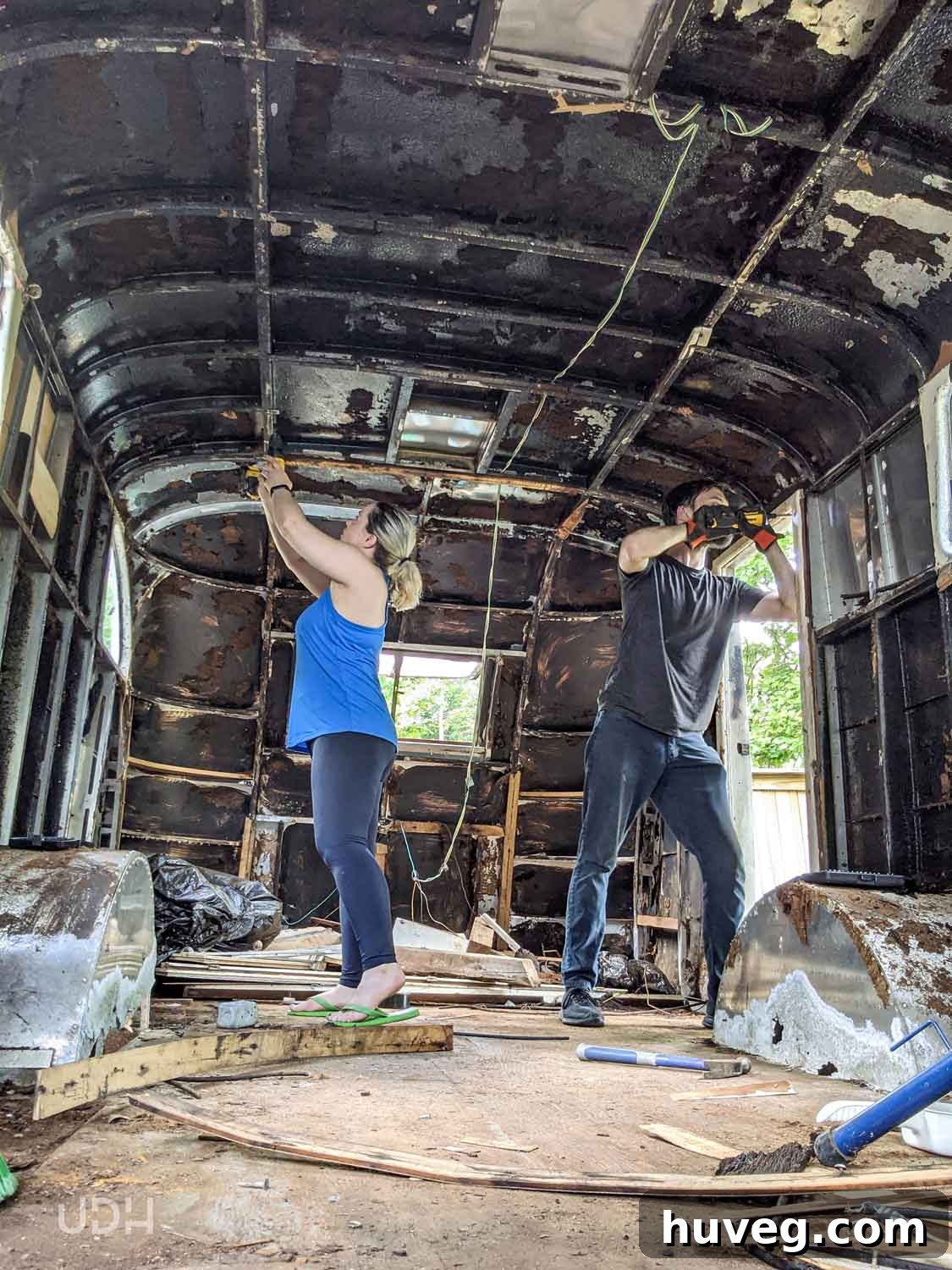
Beyond the structural pieces, I faced the arduous task of removing layers of old paneling and decades-old insulation. This was undeniably a nasty, dusty, and physically demanding job. It mandated full protective gear: masks, gloves, long sleeves – the works. There came a point, after hours of relentless work, where the precise removal of every single screw seemed less important than simply tearing away the remaining debris. I undertook most of the interior demolition myself, often while Kyle focused on the exterior polishing. However, he graciously stepped in to assist with the part I dreaded most: the endless array of stubborn screws.
Viewers of the video will also catch glimpses of my pregnant belly (complete with a natural “hero pose” at times!), as the entire demolition process spanned both before and after the arrival of Baby Ellis. It truly underscores the extended timeline and dedication involved in this project.
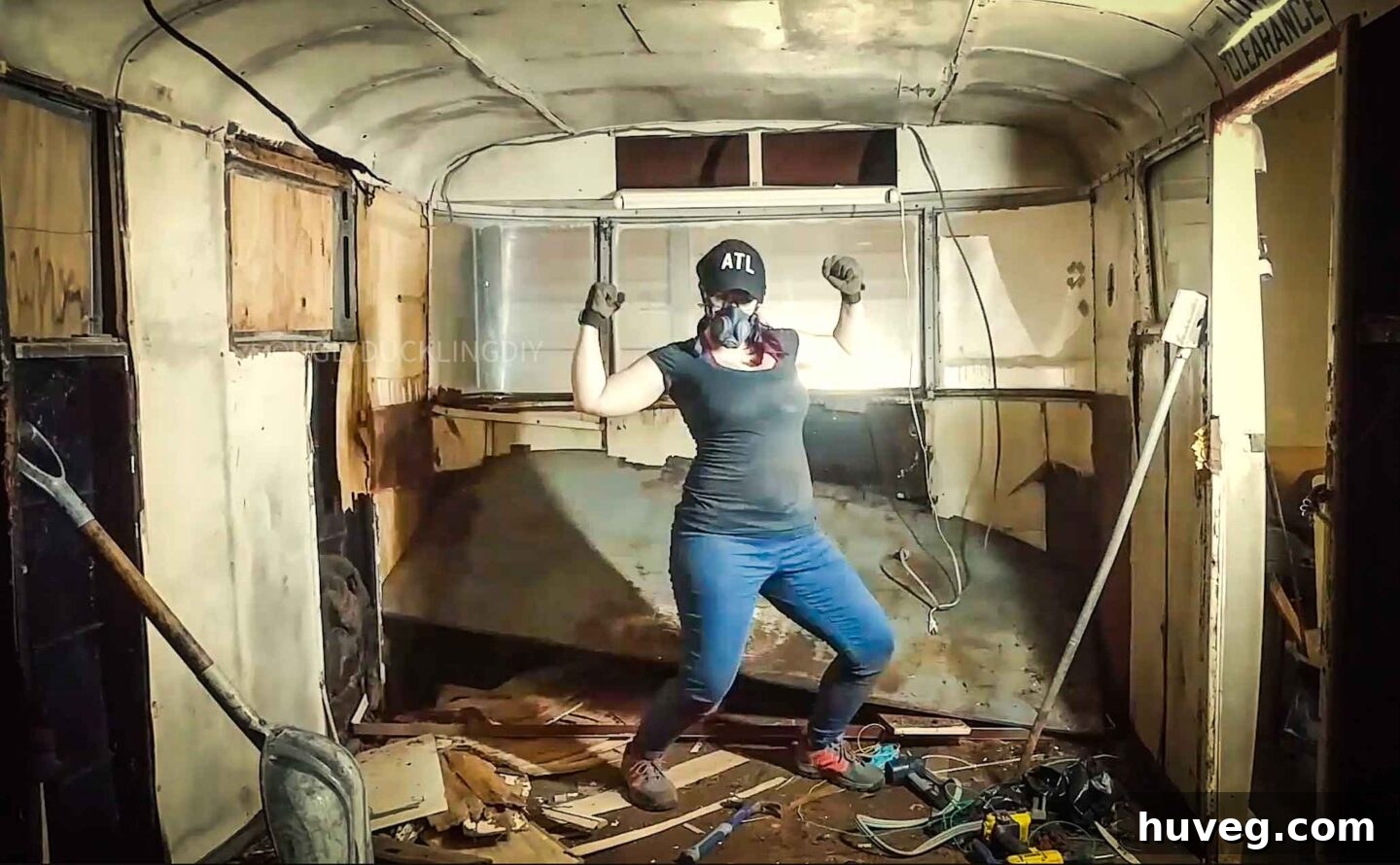
For those understandably concerned about safety, I want to reassure you: from all the research I conducted, the insulation did *not* contain asbestos. This was my paramount concern when I encountered insulation materials I didn’t immediately recognize. I performed initial checks before any demolition began, but I paused and re-tested once I saw this particular insulation, ensuring absolute safety before continuing. Once the insulation was safely removed, however, many more hours stretched ahead, dedicated to the seemingly impossible task of extracting countless miscellaneous screws. After 75+ years of various repairs, un-repairs, patched-up repairs, and functional modifications, Ruby’s interior was a veritable museum of rust and diverse screw types scattered everywhere. I’ve never been so exasperated with repeatedly changing drill bits. When you’ve had to work overhead in the same spot, cycling through five different bits with both a drill and screwdrivers just to tackle all the different fasteners, it becomes incredibly tiresome and mentally taxing.
A New Home for Ruby: Overcoming Logistical Hurdles
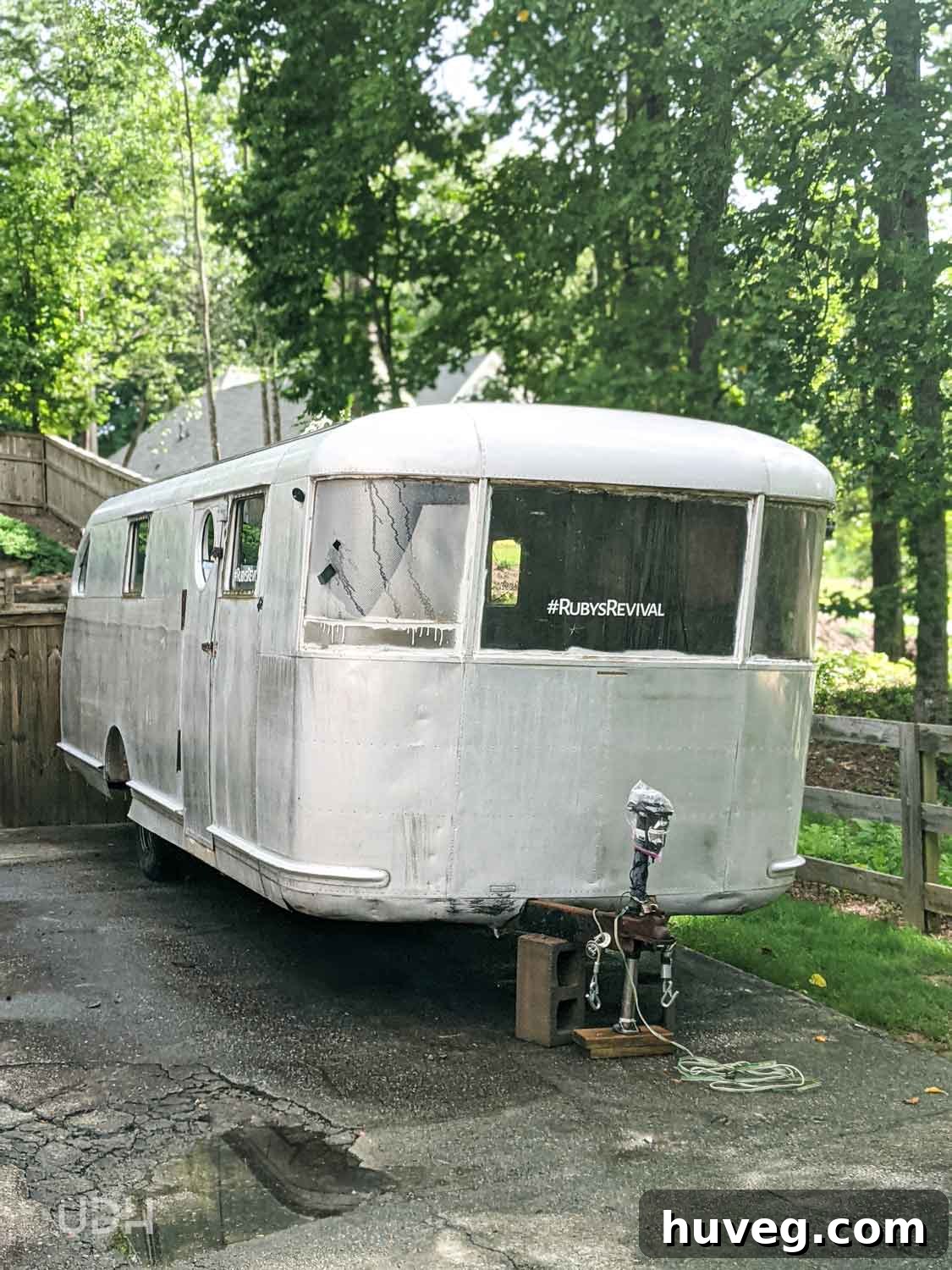
Not long after the grittiest parts of the demolition were cleaned out, a wonderful offer from family members allowed us to park Ruby in their driveway. This was a significant turning point, as we previously faced restrictions at the county level regarding where we could store the trailer (people often assume it’s an HOA issue, but we actually don’t have one!). This generous offer has saved us the monthly fees of parking Ruby at a lot near the lake. More importantly, it has dramatically accelerated our progress. It’s infinitely easier to make a quick trip to visit family for a weekend’s worth of progress than to commute to a paid lot that lacked easy power or water hookups – and, crucially, readily accessible bathrooms!
This entire demolition process was a peculiar blend of emotions: I hated the grueling physical labor, the dust, the relentless screws, and the inevitable frustrations. And yet, I loved every moment of it. What I cherish most about demolition isn’t solely the physical workout—who doesn’t appreciate a little cathartic hammer-swinging and brute force?—but the profound sense of potential that emerges once the clutter is gone. It’s the moment when the blank canvas appears, revealing all that is yet to come.
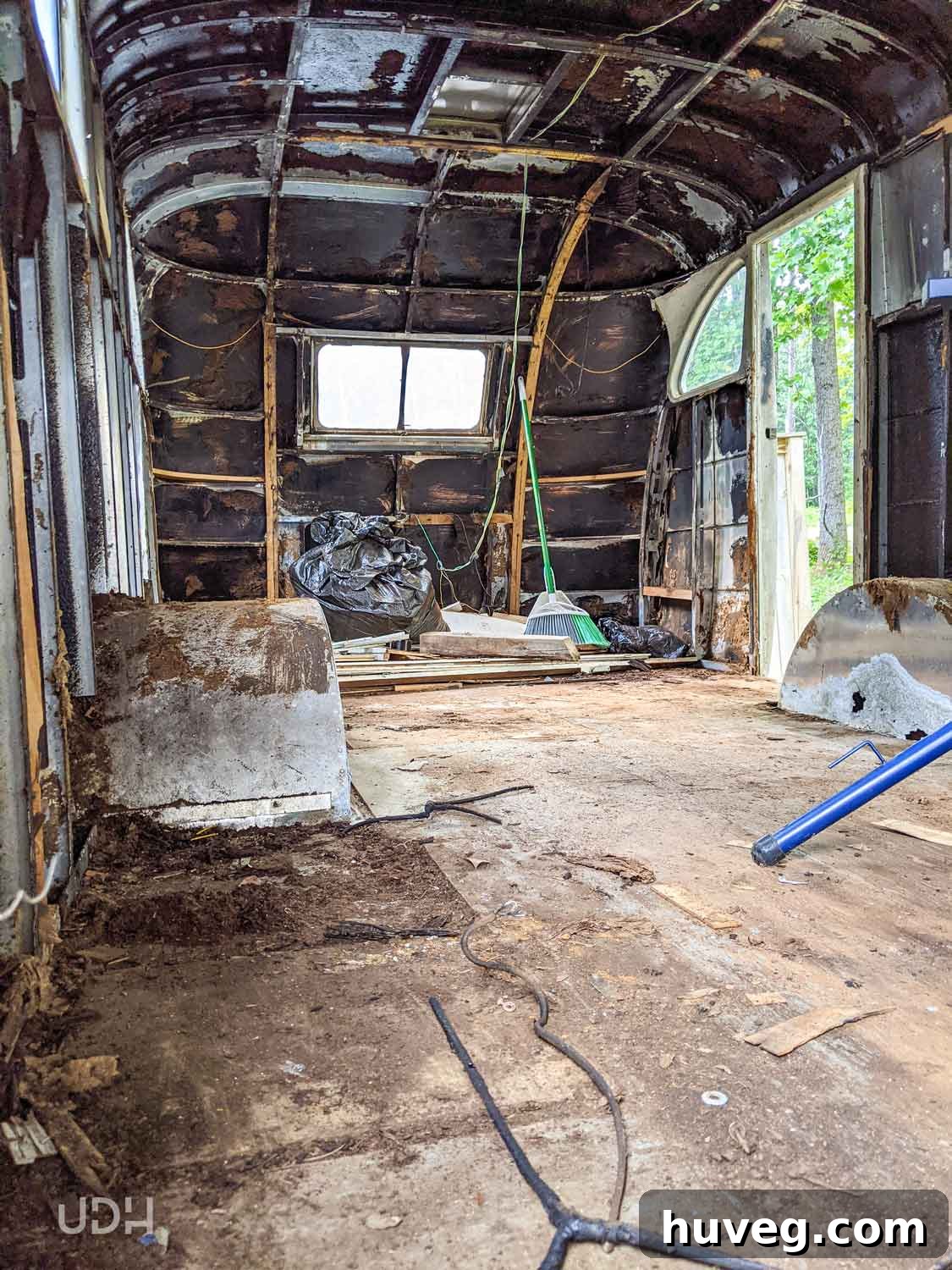
With the space finally cleared, the burden of accumulated debris lifted, I could vividly envision the next crucial steps for Ruby’s revival. It was a tangible sense of realized sweat and effort, culminating in a clear path forward:
Looking Ahead: The Rebuild Begins!
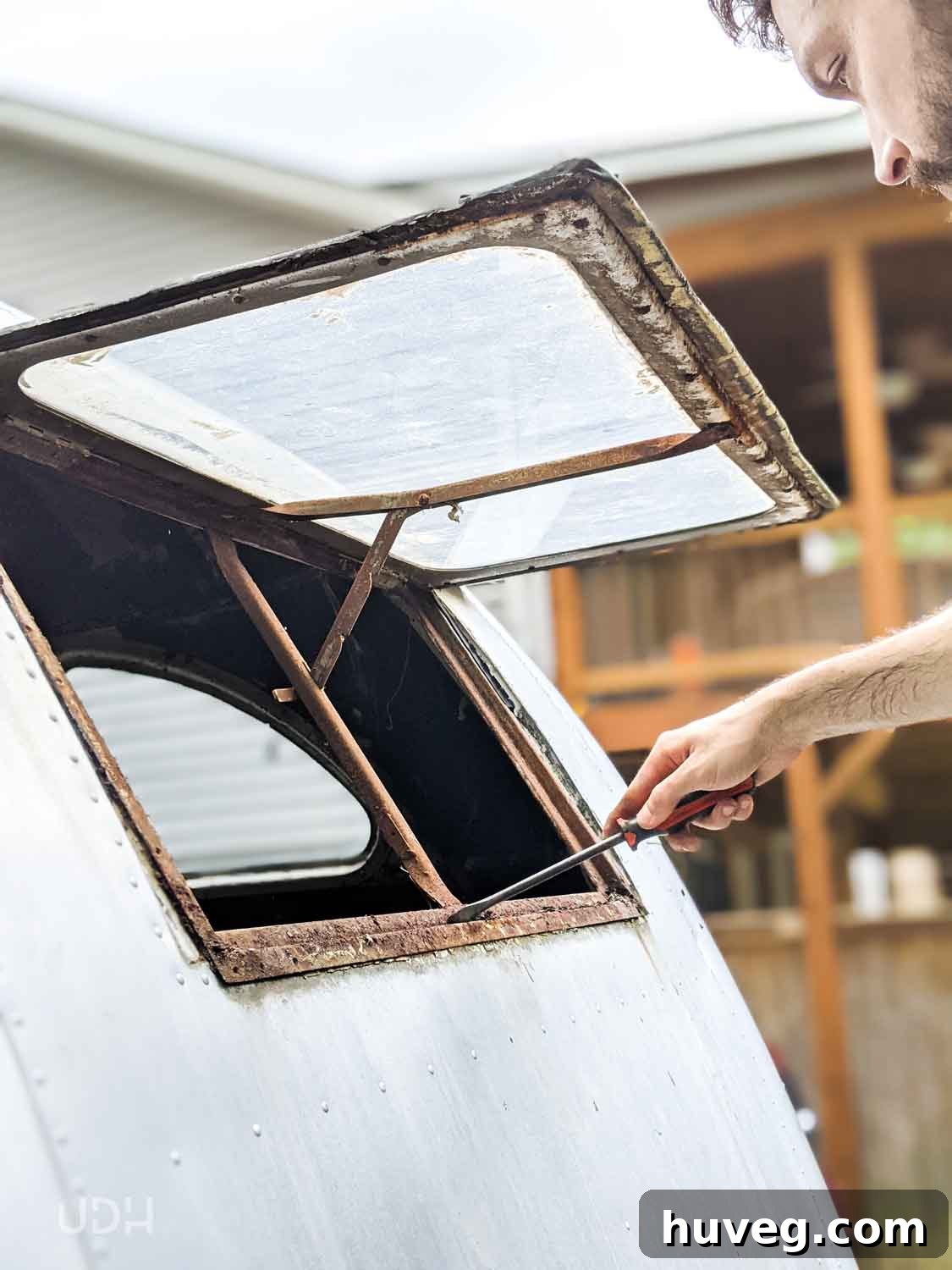
- Windows: A priority is replacing, fixing, and repairing all the windows. We were delighted to discover that three of them still slide open – what a fantastic surprise! I’ve already started working on these, sharing updates over on Instagram, and we even managed to get the back window operational again!
- Floor and Subfloor: The plywood floor, and possibly the subfloor beneath it, are next on the list for removal. Spoiler alert: we’ve decided to push forward with a full “shell off” renovation! This ambitious approach means we will actually unbolt the entire aluminum shell from its frame. The process will likely require us to temporarily support the shell with stick framing to prevent distortion during its separation from the chassis (cue a double gulp of apprehension!). P.S. I recently learned that a shell-off renovation is affectionately known as “the full monty” in restoration circles, a term that still makes me laugh every time I hear it!
via GIPHY
- Riveting Skills: Learning how to rivet is an essential skill for this restoration. I plan to start by practicing on the corroded wheel wells. Since this area will be hidden from view, it offers a perfect opportunity to master the proper technique before we tackle more visible patches on the exterior.
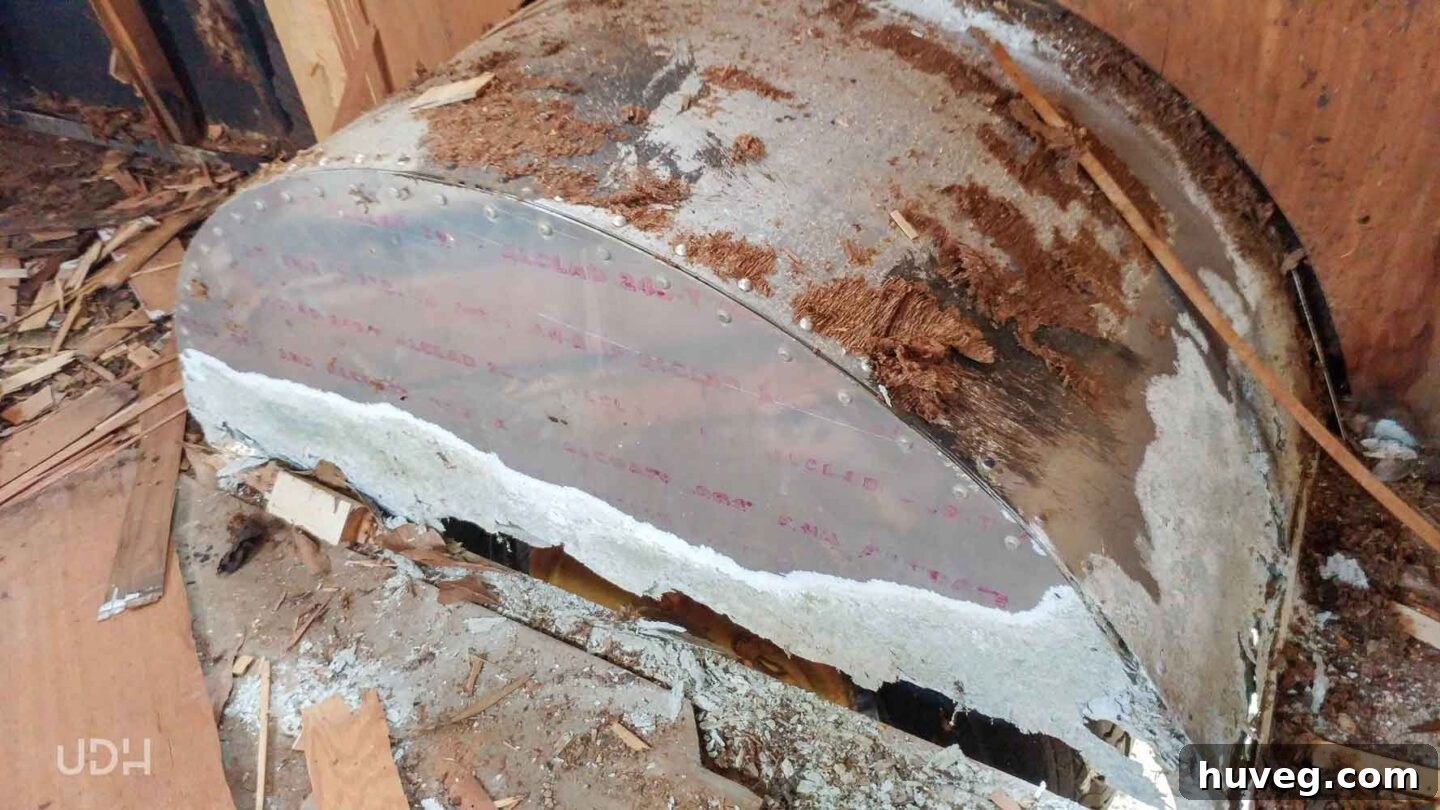
- Exterior Repairs: Patching and waterproofing any remaining holes in the exterior, as well as meticulously removing all rust stains, will restore Ruby’s gleaming facade.
- The Floor Plan: Perhaps the most exciting and transformative phase will be designing the new interior floor plan! This is where Ruby’s future truly begins to take shape, blending vintage charm with modern functionality.
It’s all incredibly exciting! We acknowledge that progress has been slow over the past couple of years. Juggling demanding jobs, raising a baby, maintaining house renovations, and landscaping on top of a major side project like Ruby creates a truly packed priority list. However, since making the conscious decision to dedicate these spring months specifically to Ruby, our progress has dramatically accelerated. I genuinely feel like we’ve turned that precious corner where, instead of the strenuous work of ripping things OUT, we can finally begin the joyful process of putting things back IN. Now, if only we could reliably keep materials in stock long enough to actually start installing them!
Here’s a little preview of what’s next:
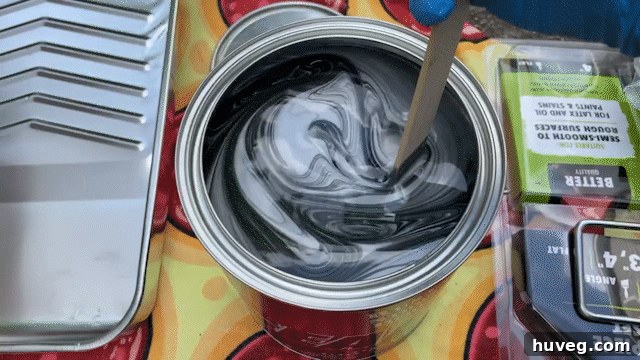
More updates are coming very soon, including what we believe our complete renovation list looks like from this point forward, and, of course, the grand reveal of the floor plan. And heck, why not turn that floor plan into a helpful download for other vintage camper renovators too?
Stay fresh, cheese bags!
More Ruby’s Revival
SEE ALL EPISODES
We’re restoring a 1946 vintage camper called a Spartan Manor. It belonged to Kyle’s grandfather and has been sitting in the woods untouched for more than 30 years. Can we bring her back to life? Check out the video series and see for yourself!
-
Ruby’s Revival E01: Meet Ruby!
-
Ruby’s Revival E02: The Vintage Camper Gets a Wash!
-
Ruby’s Revival E03: First Road Trip!
-
Ruby’s Revival E04: How to Pressure Wash a Vintage Trailer