Dad, About That


The Alarming Spectacle: Understanding and Preventing Large Fires
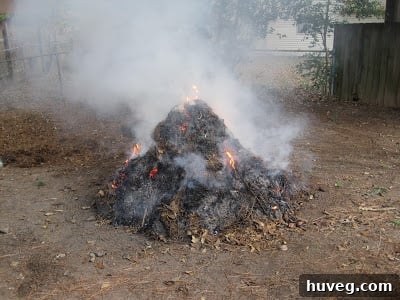
The images above vividly capture a scene that immediately triggers a sense of alarm: a fire that has grown far beyond what might be considered safe or manageable. Indeed, “That fire’s looking a little large, isn’t it?” is an understatement when confronted with such a powerful and potentially destructive force. Large fires, whether they are wildfires consuming vast landscapes, structural fires engulfing buildings, or even recreational fires that spiral out of control, pose significant threats to life, property, and the environment. This article delves into the dangers associated with large fires, explores their common causes, and outlines essential prevention strategies to safeguard our communities and natural habitats.
The Escalating Danger of Uncontrolled Blazes
When a fire surpasses initial containment efforts, its capacity for destruction multiplies exponentially. What starts as a small flame can, within minutes, become a raging inferno, driven by fuel, oxygen, and favorable weather conditions. The immediate danger is, of course, the direct threat to human life. Firefighters, emergency responders, and individuals caught in the path of a large fire face extreme hazards, including intense heat, toxic smoke inhalation, and rapidly changing fire behavior. Beyond immediate fatalities and injuries, large fires can have devastating long-term health impacts, particularly related to respiratory issues caused by prolonged exposure to smoke and particulate matter.
The economic toll of large fires is equally staggering. Homes, businesses, and critical infrastructure can be reduced to ashes in a matter of hours, leading to billions of dollars in damage. Communities are often displaced, and the process of rebuilding can take years, if not decades, leaving behind a lasting scar. For many, the loss of cherished possessions and memories is immeasurable, adding a profound emotional burden to the financial hardship. The disruption to local economies, including tourism and agriculture, can reverberate far beyond the immediate disaster zone, affecting countless livelihoods.
Environmentally, large fires are catastrophic. Wildfires, in particular, decimate forests, grasslands, and wildlife habitats, destroying biodiversity and altering ecosystems. While some ecosystems have adapted to natural fire cycles, the intensity and frequency of modern large fires often exceed natural regeneration capabilities. They release vast quantities of greenhouse gases into the atmosphere, contributing to air pollution and exacerbating climate change. Soil erosion becomes a major concern post-fire, as vegetation cover is lost, leading to increased risk of landslides and flooding in subsequent rainy seasons. The delicate balance of natural systems is disrupted, sometimes irrevocably.
Common Causes of Large Fires: A Preventable Threat
Understanding the root causes of large fires is the first step toward effective prevention. While natural phenomena like lightning strikes can ignite wildfires, human activity is overwhelmingly responsible for the majority of large fire incidents globally. A single spark, an oversight, or an act of negligence can have dire consequences.
Human-Related Causes:
- Unattended Campfires and Bonfires: Leaving a fire unextinguished or improperly extinguished is a leading cause of outdoor blazes. Embers can smolder for hours before reigniting, especially in dry, windy conditions.
- Discarded Smoking Materials: Cigarettes or cigars carelessly tossed aside, particularly in dry vegetation, are notorious ignition sources.
- Arson: Deliberate acts of fire-setting cause immense destruction and are a serious criminal offense, often driven by malicious intent or mental health issues.
- Equipment Use: Sparks from machinery, power tools, or even vehicle exhaust systems can ignite dry grasses and brush. Agricultural burning, if not properly managed, can also get out of control.
- Faulty Electrical Wiring: In urban and residential settings, outdated or improperly installed electrical systems are a common cause of structural fires.
- Children Playing with Fire: A lack of understanding of fire’s dangers, coupled with curiosity, can lead to accidental ignitions by children.
- Fireworks: While festive, fireworks are incredibly dangerous if not handled responsibly and can easily spark large fires, especially in dry conditions.
Natural Causes:
- Lightning: Thunderstorms, particularly “dry lightning” (where rain evaporates before reaching the ground), are a significant natural cause of wildfires, especially in remote areas.
- Volcanic Activity: Though less common, volcanic eruptions can generate extreme heat and molten rock, leading to fires in surrounding vegetation.
Proactive Prevention: Safeguarding Our World from Fire
Preventing large fires requires a multi-faceted approach involving public education, responsible behavior, and robust community planning. Each individual has a role to play in reducing fire risk.
For Outdoor Activities and Wildfire Prevention:
- “Leave No Trace” Principles: Always extinguish campfires completely. Drown them with water, stir the ashes, and check for any remaining heat. Repeat until cold to the touch.
- Adhere to Fire Bans: During periods of high fire danger, heed all official fire bans and restrictions. These are put in place for a reason.
- Proper Waste Disposal: Never discard cigarettes or other smoking materials outdoors. Use designated receptacles.
- Equipment Maintenance: Ensure that all outdoor equipment, including vehicles, has spark arrestors and is regularly maintained to prevent accidental ignitions.
- Create Defensible Space: For properties in wildland-urban interface areas, clear flammable vegetation, debris, and materials at least 30-100 feet around your home. Trim low-hanging tree branches and keep gutters clear.
- Stay Informed: Be aware of local weather conditions, especially wind and humidity, which can quickly spread fires.
For Home and Structural Fire Safety:
- Smoke Alarms: Install working smoke alarms on every level of your home, inside and outside sleeping areas. Test them monthly and replace batteries annually.
- Carbon Monoxide Detectors: Essential for detecting odorless, colorless, and deadly carbon monoxide.
- Fire Extinguishers: Keep a multi-purpose fire extinguisher readily accessible and know how to use it.
- Electrical Safety: Have electrical systems inspected regularly. Avoid overloading outlets and using damaged cords.
- Safe Cooking Practices: Never leave cooking unattended. Keep flammable materials away from stovetops.
- Heating Safety: Maintain heating equipment, including chimneys and furnaces. Keep space heaters at least three feet from anything flammable.
- Emergency Escape Plan: Develop and practice a home fire escape plan with two exits from every room and a designated outside meeting point.
When Fire Strikes: Response and Recovery
Despite the best prevention efforts, large fires can still occur. In such events, rapid response and coordinated recovery efforts are crucial. Firefighting agencies, emergency services, and volunteers work tirelessly to contain and extinguish fires, evacuate affected populations, and provide essential aid. The role of community resilience and support cannot be overstated, as neighbors help neighbors and organizations step in to assist with the arduous task of rebuilding.
For individuals, knowing what to do in the face of an encroaching fire is paramount. This includes having an emergency kit prepared, following evacuation orders promptly, and knowing escape routes. Never underestimate the speed and unpredictable nature of a large fire. Prioritizing safety and following official guidance is the most important action during such an emergency.
Conclusion: A Call for Vigilance and Responsibility
The sight of a large, uncontrolled fire is a stark reminder of the immense power of nature and the critical importance of human responsibility. From a small spark to a devastating inferno, the trajectory of a fire is often determined by our actions, or inactions. By understanding the causes, implementing robust prevention strategies, and maintaining a high level of vigilance, we can significantly reduce the incidence of large fires and protect our lives, our homes, and the invaluable natural world around us. Let the images serve as a powerful catalyst for promoting fire safety and fostering a culture of preparedness in every community.