Upcycling Unwanted Paint Samples

Reviving a Forgotten Treasure: My DIY Chair Makeover Journey
Over a year ago, an exciting endeavor took me deep into the heart of Atlanta. My mission? To rescue a dilapidated chair with immense potential, destined for a grand transformation. At the time, I envisioned it as a crucial component of my dream craft room. With careful planning for my craft room desk, a fresh coat of paint, and a clear design in mind, I genuinely believed this would be one of the first spaces I’d complete. The blogging world was (and still is!) abuzz with inspiring chair makeover projects, igniting my eagerness to get my hands on a sleek, stylish chair that would perfectly complement its new home once fully refurbished. This initial enthusiasm was potent, fueled by the promise of a chic, functional piece of furniture that would elevate my creative workspace. Little did I know, the journey from rescue to revival would be anything but straightforward, becoming a true testament to the unpredictable nature of DIY home projects and the enduring charm of furniture restoration.
When Plans Go Sideways: The Unforeseen Delays and Shifting Priorities
However, as anyone who has tackled a significant home improvement project can attest, initial plans often serve merely as a starting point. Soon after the chair’s arrival, I embarked on the arduous task of working on the floors, a project that, as is typical in home renovations, quickly spiraled. What began as a focused initiative rapidly snowballed, leading to a cascade of unforeseen tasks and an ever-expanding list of to-dos. The craft room, once a beacon of creative aspirations, gradually regressed into a makeshift storage unit. It began to resemble an organized, albeit concentrated, episode of Hoarders – thankfully, without the missing cats! This shifting landscape meant that every subsequent project seemed to take precedence, pushing the chair further and further down the priority list. The room’s purpose itself underwent a complete metamorphosis; I redesigned the craft desk, and then, more dramatically, changed plans about the room’s purpose entirely. In this whirlwind of evolving designs and reallocated spaces, the chair, unfortunately, became a forgotten casualty. After all, what good is a beautifully refurbished chair if there’s no desk or even a designated purpose for it?
The Waiting Game: A Search for Inspiration Amidst the Clutter
Thus, relegated to the confines of this ever-changing storage room, the chair sat. It became an unwitting victim of neglect, serving primarily as a convenient resting spot for an assortment of other half-finished projects and miscellaneous items I hadn’t yet gotten around to organizing. Its sleek lines were obscured by layers of dust and random objects, its potential gathering cobwebs alongside my initial aspirations for its speedy makeover. Through the months, a quiet internal monologue played on repeat: “Someday,” I’d reassure myself, “I’ll stumble onto the perfect fabric for this chair, and that will be the end of it.” This mantra was born from a frustrating lack of inspiration, a creative block that seemed insurmountable at the time. The dream of a stylish, custom-made chair remained, but the path to achieving it was shrouded in uncertainty. This period highlighted a common challenge in DIY projects: the struggle to maintain momentum and find that spark of inspiration when unforeseen obstacles emerge and priorities shift. It’s a reminder that sometimes the biggest hurdle isn’t the physical labor, but the mental fortitude required to see a project through, especially when it sits dormant for an extended period, patiently waiting for its moment to shine.
And then, seemingly out of the blue, that day finally came. It’s a fascinating aspect of the creative process: sometimes, the perfect solution or design element simply appears before you, without any conscious effort or frantic searching. Much like when I fortuitously found my living room rug, a moment of serendipity can often guide your most successful projects. However, it’s equally true that sometimes you really do need to actively seek something out, to put in the deliberate effort to find the missing piece that makes a project click. There’s truly no single, set method to it; inspiration can be a fickle muse, striking in unexpected moments or requiring persistent pursuit. For this chair, the breakthrough arrived not in the form of an elaborate fabric, but in a simpler, more pragmatic solution for its tired legs, paving the way for its much-anticipated transformation.
A Stroke of Genius: Repurposing Leftover Paint for the Chair Legs
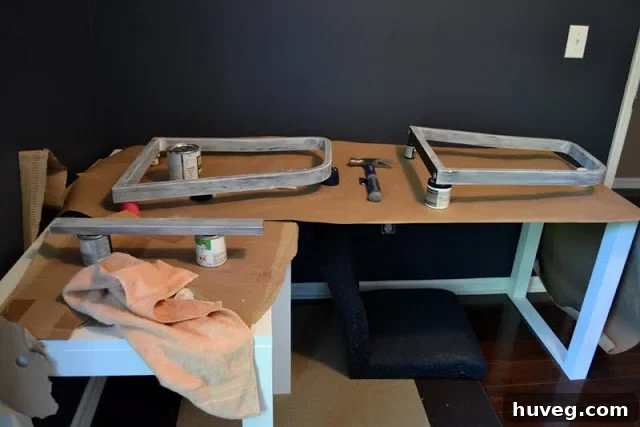
When the time finally came to tackle the chair’s legs, I found myself in a different headspace than my initial, ambitious vision. After over a year of delays and shifting priorities, my primary goal was simply to get the project moving. The desire to meticulously select the “perfect” color had waned; instead, I craved progress and visible transformation. Going “nuts” over a specific shade felt unnecessary and would only prolong what was already a significantly delayed endeavor. I surveyed my home, looking for readily available resources. What I found was a treasure trove of possibilities: various cans of spray paint and, more importantly, a substantial collection of rejected test pots of paint. These forgotten sample pots, accumulated from past projects and discarded color experiments, presented an ideal, budget-friendly solution for my DIY furniture makeover. Repurposing these leftovers was not only economical but also an excellent way to reduce waste, aligning perfectly with a sustainable approach to home decor refresh projects.
Preparing the Surface: Sanding and Priming for a Flawless Finish
Before any paint could touch the chair, proper preparation was paramount. This involved the essential steps of sanding and priming. Sanding ensures a smooth, even surface, removing any imperfections, old finishes, or rough spots that could compromise the final paint application. It creates adhesion for the primer and paint. Following a thorough sanding, priming is crucial, especially when dealing with furniture that has an existing finish or when changing colors dramatically. Primer provides a uniform base, helps the topcoat adhere better, and prevents stains or previous colors from bleeding through. It’s an often-overlooked but vital step in achieving a durable and professional-looking paint job, laying the groundwork for the beautiful transformation to come.
The Mystery Hue: Painting with “TR” (True Romance? Terrified Rabbit?)
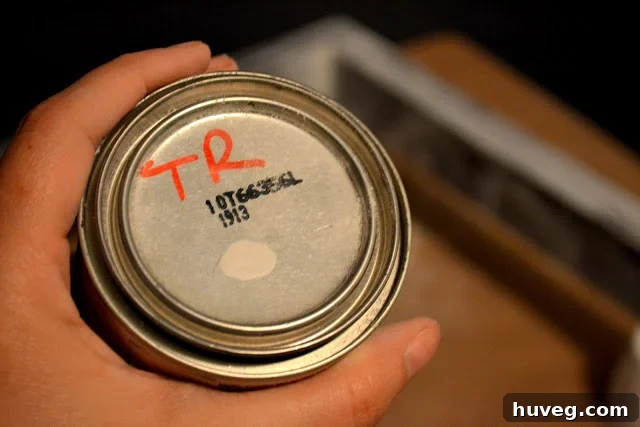
With the legs perfectly sanded and primed, the moment of truth arrived. I decided to simply pick a random color from one of the test pots. The choice was less about meticulous shade selection and more about embracing the spirit of resourceful, budget-friendly DIY. To this day, I actually don’t even know what specific color it is anymore. The lid bears only the cryptic scribble “TR.” What could it stand for? True Religion? Total Recall? T-Rex? Tomb Raider? In an era where color names can be notoriously imaginative and often perplexing, its true identity remains a humorous mystery. Regardless of its official moniker, the crucial thing was that there was ample paint in the container to get the job done. This spontaneous decision highlighted the beauty of upcycling leftover paint, transforming potential waste into a practical solution for my furniture restoration project. It’s a prime example of how creativity and resourcefulness can merge to bring an old piece of furniture back to life, even when the exact shade is a delightful enigma.
Layer by Layer: Achieving a Smooth and Durable Coat
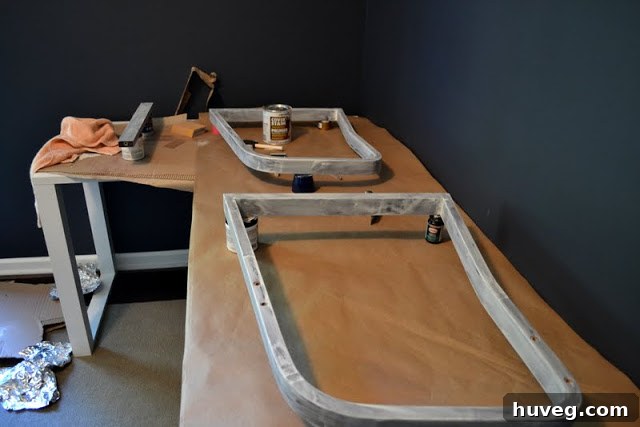
To facilitate the painting process and ensure every angle of the chair legs was evenly coated, I ingeniously used other (re-?)rejected test pots as makeshift supports, elevating the legs off the table. This simple yet effective setup allowed for easy access and prevented the wet paint from sticking to the work surface. The painting itself was a methodical process, not a rushed endeavor. I applied several thin coats, allowing each layer to dry thoroughly before proceeding to the next. Crucially, I incorporated light sanding in between coats. This technique, a fundamental aspect of achieving a professional-quality finish, helps to smooth out any brushstrokes or imperfections, creating a glass-like surface that enhances the paint’s adhesion and durability. After multiple layers of what I playfully referred to as Toll Road Trucker Rattail Terrified Rabbit, the transformation of the legs was finally complete. The meticulous approach, while requiring patience, was well worth the effort, resulting in a remarkably smooth and resilient finish that truly revitalized the chair’s foundation. This phase of the project, focusing on precise furniture painting tips, showcased how careful application and preparation can elevate a simple coat of paint into a significant visual upgrade.
A Glimpse of the Future: The Transformed Legs and What’s Next
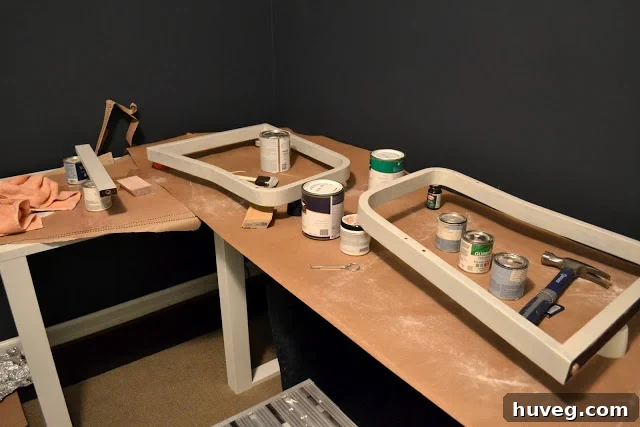
In the photos, the freshly painted legs might appear stark white, but in reality, the mystery “TR” color is a beautiful almost white – a subtle, nuanced shade that is even better than a pure white. It has a depth and character that a flat white might lack, offering a sophisticated touch. And trust me, Dad, it’s much, much different than “Off White”! The difference, though subtle, is truly impactful. Seeing the legs transformed is incredibly satisfying, a significant step forward in this long-delayed DIY journey. The next crucial phase involves the upholstery of the seat (you might even be able to spot it subtly hiding in one of the pictures above, patiently awaiting its turn). Once the seat is beautifully covered and padded, the final assembly will bring this rescued chair back to its full glory, ready to finally take its rightful place in a newly defined space. Huzzah! The anticipation for the complete chair upholstery and final reassembly is palpable, marking the impending completion of a project that has truly endured the test of time and shifting home office solutions.
Your Own DIY Journey: Embrace the Process
This chair’s journey from a forgotten rescue to a beautifully transformed piece of furniture is a perfect illustration of the realities of DIY projects. It teaches us that not every project will follow a linear path, and delays are often an inevitable part of the creative process. What truly matters is the persistence to see it through, even if it takes over a year and several detours. This DIY chair makeover also highlights the immense satisfaction that comes from repurposing and upcycling materials already on hand, like those forgotten paint samples. It’s a testament to finding creative solutions and making the most of what you have, transforming the overlooked into something cherished and functional. So, whether you’re embarking on a large-scale home renovation or a small furniture refresh, remember to embrace the journey, celebrate the progress, and allow for unexpected turns. The end result, much like this chair, will be all the more rewarding for the story it carries.