The Fine Line

Mastering the Art of Home Improvement: Tackling Narrow Gaps and Tricky Spaces
Every homeowner knows the constant battle against the elements and the relentless march of time, which often manifests in unexpected ways within our cherished living spaces. For me, the current front in this ongoing war on wear-and-tear involves a series of stubborn, narrow gaps and elusive drafts that seem to pop up in the most inconvenient places. These aren’t the dramatic renovations that fill Instagram feeds, but rather the quiet, unsung heroes of home maintenance – the small, meticulous fixes that make a profound difference in comfort, energy efficiency, and the overall feel of a home. Over time, I’ve learned to appreciate the satisfaction that comes from dedicating even a tiny sliver of my week to tackling these seemingly minor imperfections, transforming them into triumphs of DIY spirit.
Eliminating Unwanted Drafts: My Bathroom Crack Saga
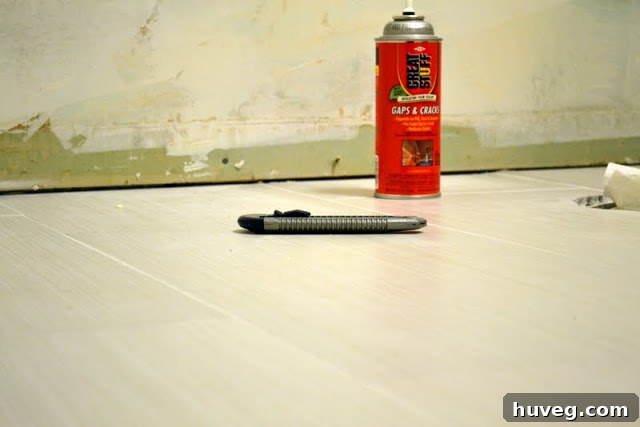
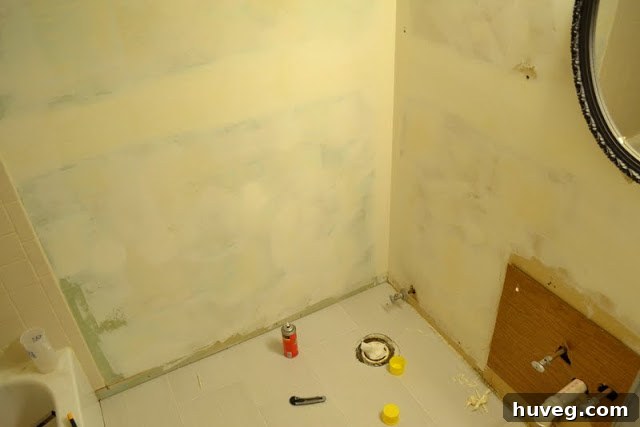
One particular adversary recently revealed itself in the guest bathroom – a chilling draft emanating from a subtle crack on the right side of the wall, near the floor. The moment I felt that cold whisper, I knew it was more than just a minor imperfection; it was an open invitation for discomfort and higher energy bills. Initially, I was puzzled. Why would there be a gap there? A quick dive into online resources revealed a common construction practice: drywall isn’t always installed to be in full, tight contact with the subfloor. This deliberate gap can account for natural house settling, moisture protection, and expansion/contraction, but it can also become a notorious pathway for drafts if not properly sealed during the finishing stages.
My trusted “family handy helper” (my inner voice, backed by a bit of research and common sense) suggested a simple yet effective solution: flexible foam sealant. The logic was sound: flexibility is key in areas prone to subtle movement, and a drafty house, frankly, is unacceptable. Opting for a flexible, minimal-expanding foam was crucial. Unlike rigid sealants that can crack under pressure, flexible foams maintain their integrity, moving with the house and providing a lasting barrier against air infiltration. These specialized foams are designed to fill voids, insulate, and create a durable, airtight seal, effectively blocking drafts and improving the thermal performance of your home. They are particularly effective for irregular gaps where traditional caulk might struggle to adhere or fill completely.
Choosing and Applying the Right Sealant
When selecting a foam sealant, it’s important to differentiate between general-purpose expanding foams and those specifically formulated for gaps and cracks, especially in areas like around windows, doors, and floor lines. I chose a “minimal expanding” foam because it allows for greater control during application, preventing over-expansion that could potentially distort surrounding materials or create a messy cleanup. The application process itself is straightforward:
- Preparation: Ensure the surface is clean, dry, and free of loose debris. Masking tape can be used on adjacent surfaces to protect them from errant foam.
- Application: Shake the can thoroughly. Hold it upside down and slowly apply a bead of foam into the gap. Remember that even “minimal expanding” foam will expand, so apply less than you think you need. It’s always easier to add more later than to remove excess.
- Curing: Allow adequate time for the foam to cure according to the manufacturer’s instructions, typically a few hours before trimming any excess.
- Finishing: Once cured, carefully trim any protruding foam with a utility knife for a neat finish. The area can then be painted or covered as desired.
The results were immediate and satisfying. The bathroom felt noticeably warmer, and that pesky draft was gone. This small fix not only enhanced comfort but also contributed to the overall energy efficiency of the house, proving that even the most minor DIY projects can yield significant benefits.
Charlie’s Unforgettable Encounter with the “Puppy Bathing Room”
Speaking of the bathroom, it holds a particularly sensitive history for one member of our household: Charlie, our beloved canine companion. This very room used to be the dreaded “puppy bathing room,” a place of sudsy terror and emotional scarring in her early days. To this day, Charlie approaches the bathroom with extreme caution, often refusing to enter altogether. So, imagine my surprise – and slight amusement – when I captured photographic evidence of her venturing into this once-feared territory. It’s documented proof that she clearly, and perhaps conveniently, forgets what this room once represented. Come to think of it, with all the home improvement projects distracting me, do I?

Conquering the Narrowest Slices of Wall: Painting the Unpaintable
Beyond drafts, another common and equally frustrating challenge in older homes (and sometimes even new builds) is dealing with extraordinarily narrow slivers of wall or awkward corners. I recently tackled what has to be the narrowest strip of wall that ever existed, a mere whisper of a surface nestled between a door frame and another wall. These tiny, often overlooked spaces can be incredibly difficult to paint, yet they are crucial for a truly finished and polished look. I have a couple of these perplexing spots throughout the house, each presenting its own unique painting puzzle.
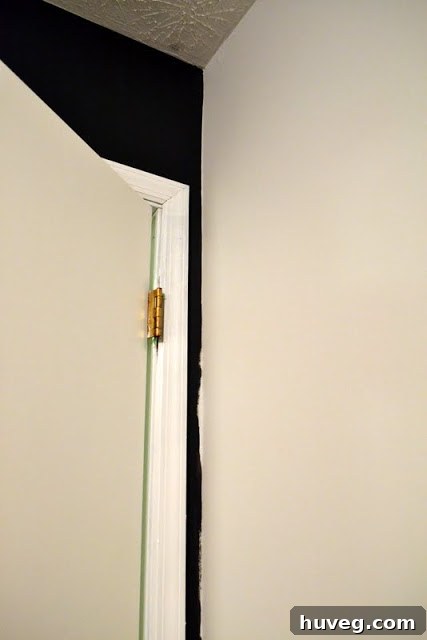
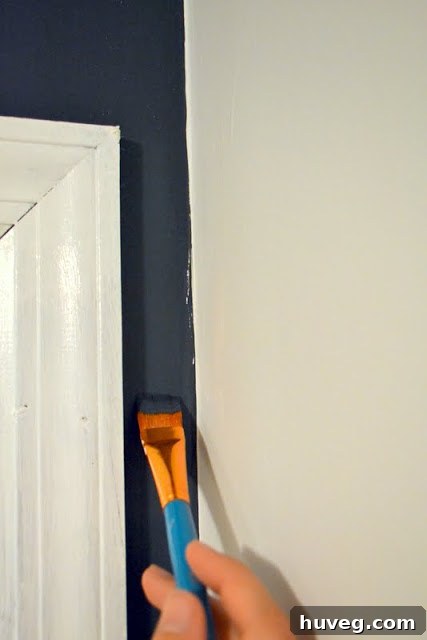
I’ve developed my own repertoire of tricks to deal with them, often involving more patience than skill. A small craft brush, for instance, has become my secret weapon, allowing me to maneuver in spaces where a standard paintbrush would be completely useless. This particular corner, shown in the photo, is often hidden 99% of the time by the study door – it’s the precise corner to the left of the inside wall when entering my home office. It’s hard enough to picture clearly, let alone paint with precision!
Strategies for Painting Awkward Spaces
Painting these “unpaintable” areas requires a combination of specialized tools and a methodical approach. Here are a few tips I’ve gathered from experience:
- Specialty Brushes: Invest in a variety of small brushes, including angled sash brushes, artist brushes, or even foam brushes designed for trim work. A craft brush, as I mentioned, is invaluable for the absolute tightest spots.
- Painter’s Tape Precision: Don’t underestimate the power of high-quality painter’s tape. Apply it meticulously to create crisp lines and protect adjacent surfaces. For extremely narrow edges, a thin strip of tape or even a piece of cardboard held as a shield can prevent smears.
- Lighting is Key: Good lighting is paramount. Use a bright work light to illuminate the area thoroughly, revealing every imperfection and ensuring even paint coverage.
- Patience and Small Strokes: Rushing will only lead to mistakes. Apply paint using small, controlled strokes. It might take longer, but the clean finish will be worth it.
- Minimal Load: Don’t overload your brush with paint. A lighter load gives you more control and reduces the risk of drips or splatters in confined spaces.
- Practice Makes Perfect: Like any DIY skill, tackling difficult painting areas improves with practice. The more you encounter these challenges, the better you become at finding creative solutions.
These seemingly insignificant details, once perfected, contribute immensely to the overall aesthetic appeal of a room. A perfectly painted edge, even in a hidden corner, elevates the entire space, giving it a professional and thoughtful finish.
Embracing the Micro-DIY Project
The journey of homeownership is often defined not just by grand renovations but by the multitude of small, persistent efforts to maintain and improve our living spaces. Tackling narrow gaps, sealing drafts, or meticulously painting a tiny sliver of wall might not be glamorous, but they are incredibly rewarding. These “micro-DIY” projects are accessible, often inexpensive, and cumulatively they make a huge difference in how comfortable, efficient, and beautiful our homes feel. They build confidence, sharpen problem-solving skills, and offer a tangible sense of accomplishment that is hard to beat.
So, tell me, have you been working on any little, difficult spots lately? Perhaps a persistent draft, a challenging patch of wall, or any other small detail that demanded your focused attention? Share your experiences, your triumphs, or even your ongoing battles in the comments below. Let’s celebrate the small victories in home improvement together!