Arboreal Paper Sculptures

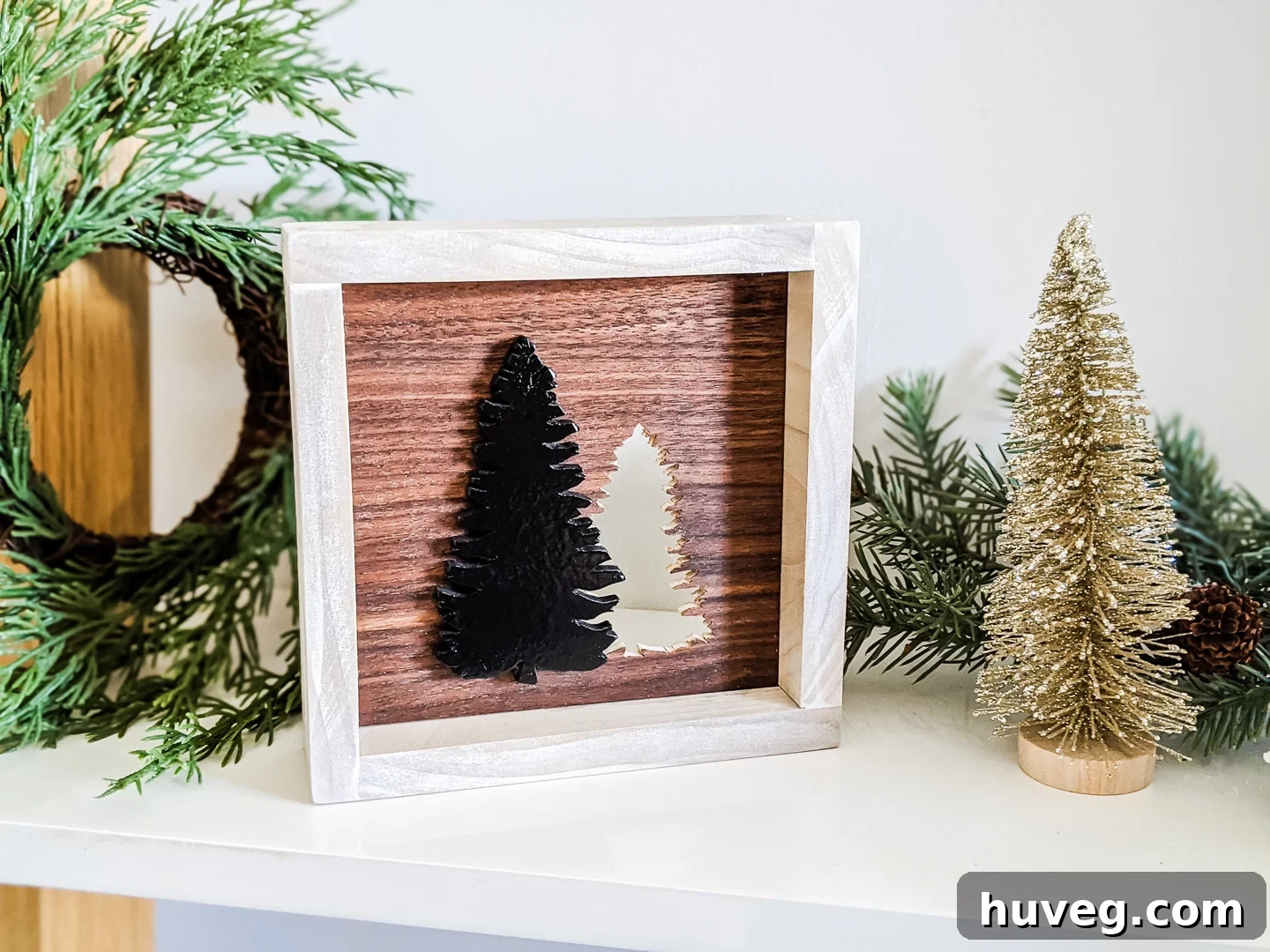
Unleash your creativity and transform humble scrap wood into a mesmerizing piece of holiday decor with this simple yet elegant DIY tree art project. By masterfully utilizing both positive and negative space, thanks to a clever cutout technique, this project yields a unique and sophisticated festive accent for your home. It’s more than just a decoration; it’s a testament to the beauty found in reclaimed materials and thoughtful design.
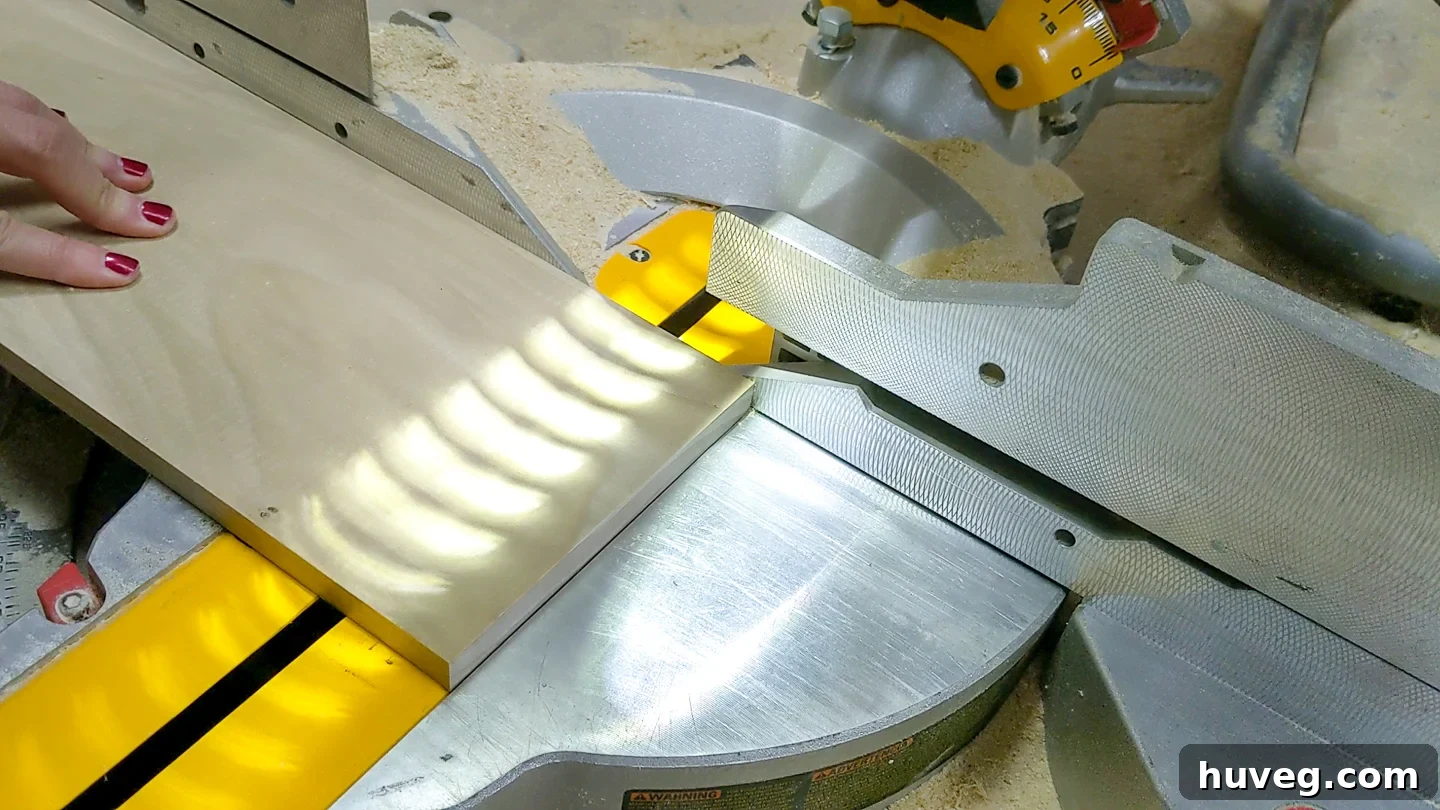
Today, we’re embarking on a creative journey with two distinct projects, both born from the same foundational frame. This article focuses on crafting the captivating DIY tree art, while a subsequent guide will explore a more functional rendition using the identical frame. This particular endeavor began as an intuitive “make cuts, see how it comes together” type of scrap wood project – an approach many DIY enthusiasts cherish for its organic, low-pressure nature. There’s a certain satisfaction in giving new life to discarded materials, turning them into something beautiful and meaningful.
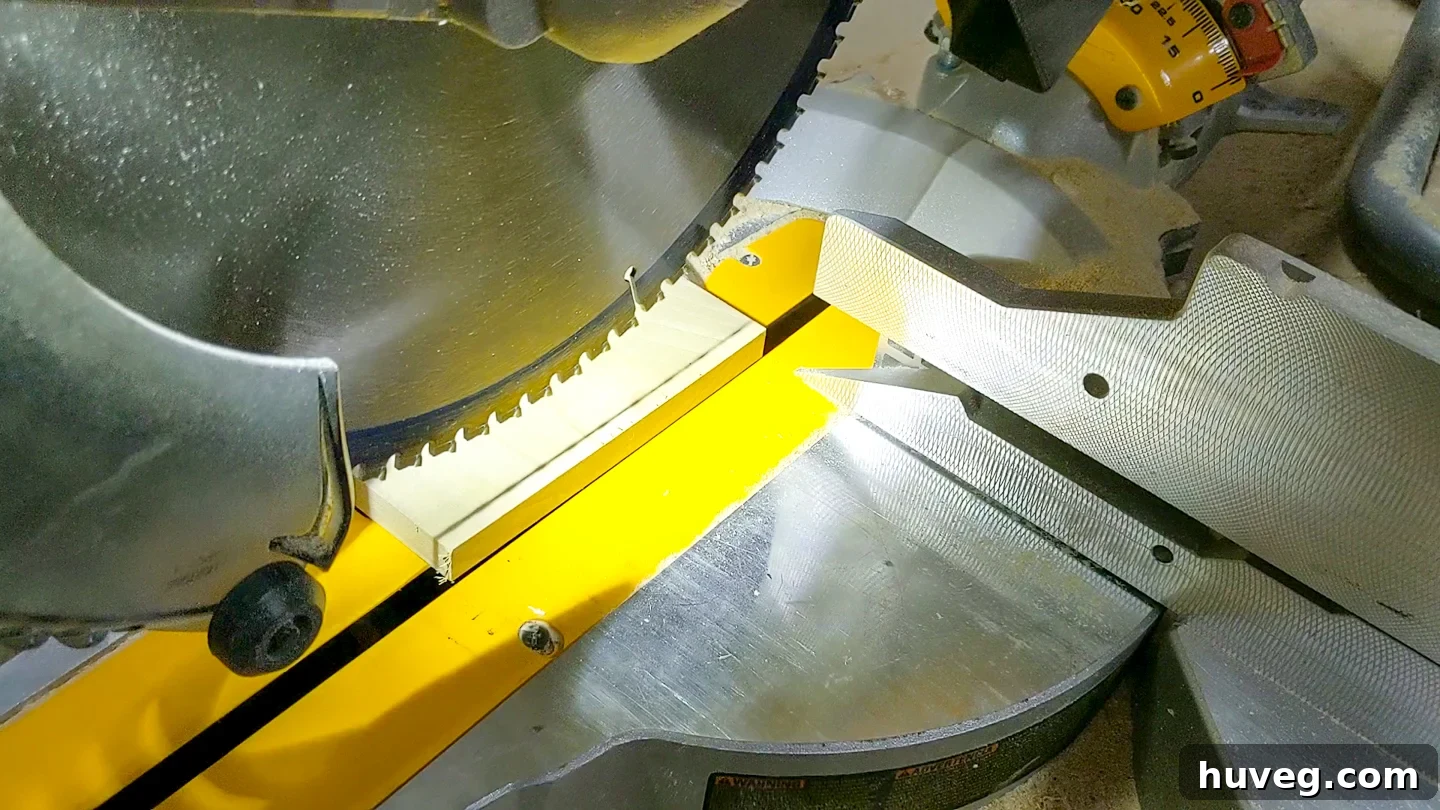
The true charm of these dual projects lies in their demonstration of versatility. Starting with identical wood cuts and the same plywood background, you can diverge into entirely different creative directions. Our frame construction began with four identical cuts from scrap wood. The guiding principle behind these cuts was their alignment with the throat plate on my miter saw – that vibrantly colored area where the blade descends. The logic was beautifully simple: no intricate measuring required, just a quick, repetitive cut. It was a delightful discovery to realize these effortless cuts would perfectly form the foundation of an easy and sturdy frame, setting the stage for artistic innovation.
Catch the Video Tutorial
For a visual walkthrough of the entire process, from cutting your wood pieces to the final assembly of this DIY Tree Cutout Art, refer to the detailed video tutorial. It provides a dynamic perspective on each step, offering tips and demonstrations that complement these written instructions. The video covers techniques for using your miter saw, scroll saw, and applying various finishes to achieve a professional-looking result.
Materials & Tools for Your DIY Tree Art
- Pencil: Essential for marking cuts, drawing templates, and transferring designs onto your wood.
- Miter Saw: Crucial for making precise, repetitive cross-cuts and angled cuts for your frame pieces.
- Orbital Sander: For achieving smooth, professional finishes on all wood surfaces before staining or painting.
- Sandpaper: A variety of grits (e.g., 120, 180, 220) for progressively smoother sanding.
- Measuring Tape: While the initial cuts are improvisational, a tape measure ensures your backing and other components fit perfectly within the frame.
- Safety Gear: Always prioritize safety in woodworking projects.
- Safety Glasses: Protect your eyes from flying debris.
- Hearing Protection: Safeguard your ears from loud power tools.
- Breathing Mask: Prevent inhalation of wood dust and paint fumes.
- Wood Stain: To enhance the natural grain of your wood and provide a rich finish.
- Drill: For pre-drilling holes to prevent wood splitting when nailing or screwing.
- Drill Bits: Various sizes to match your fastener needs.
- Clamps: Essential for holding glued pieces securely in place while drying, especially with slightly warped scrap wood.
- Ryobi Airstrike 23-gauge Finishing Nailer: Provides quick and strong fastening for frame assembly, leaving minimal nail holes.
- Maker Brand Simple Finish: A superior quality finish to bring out the natural beauty and depth of the wood grain, particularly effective on walnut.
- Black Spray Paint: For achieving a clean, contrasting finish on the MDF tree cutout.
- Scroll Saw: The primary tool for creating intricate and precise tree cutouts in the plywood and MDF.
- Scrap wood (thin pieces for frame, walnut plywood for backing, MDF for the tree cutout): The foundation of this eco-friendly project.
- Wood glue: For strong, lasting bonds between wood pieces.
- Wood filler: To patch nail holes and minor imperfections before finishing.
- Painter’s tape: To prevent splintering when cutting plywood.
How to Make This Unique Tree Cutout Art: A Step-by-Step Guide
Time needed: 1 day (including drying times)
This captivating tree art project is not only fun to create but also an excellent way to utilize leftover scrap wood, transforming it into a beautiful piece of decor. Follow these detailed steps to bring your vision to life.
-
Step 1: Cut Frame Pieces for Your Foundation
Begin by preparing the exterior frame pieces. Instead of precise measurements, embrace a more organic approach for this scrap wood project. Line up the edge of your scrap wood with one of the grooves on your miter saw’s throat plate. This technique allows you to make four identical width cuts without the need for a tape measure, creating consistent pieces for your frame. Ensure these cuts are clean and straight to form a sturdy base. This method is particularly satisfying for quickly transforming random wood pieces into usable components.

-
Step 2: Prepare the Interior Frame Supports
Next, focus on the interior pieces of the frame, which will create a recess for your plywood backing. Adopt a similar “no-measure” strategy: use the small width between the blade and the edge of your miter saw’s cutting area to create narrower strips. Once cut, trim these pieces to fit precisely within the soon-to-be-assembled exterior frame. A helpful tip for safety and stability: use another piece of scrap wood as a jig to hold these smaller, thinner cuts securely while you saw them. This prevents kickback and ensures cleaner, safer cuts.
-
Step 3: Assemble the Frame and Prepare for Finish
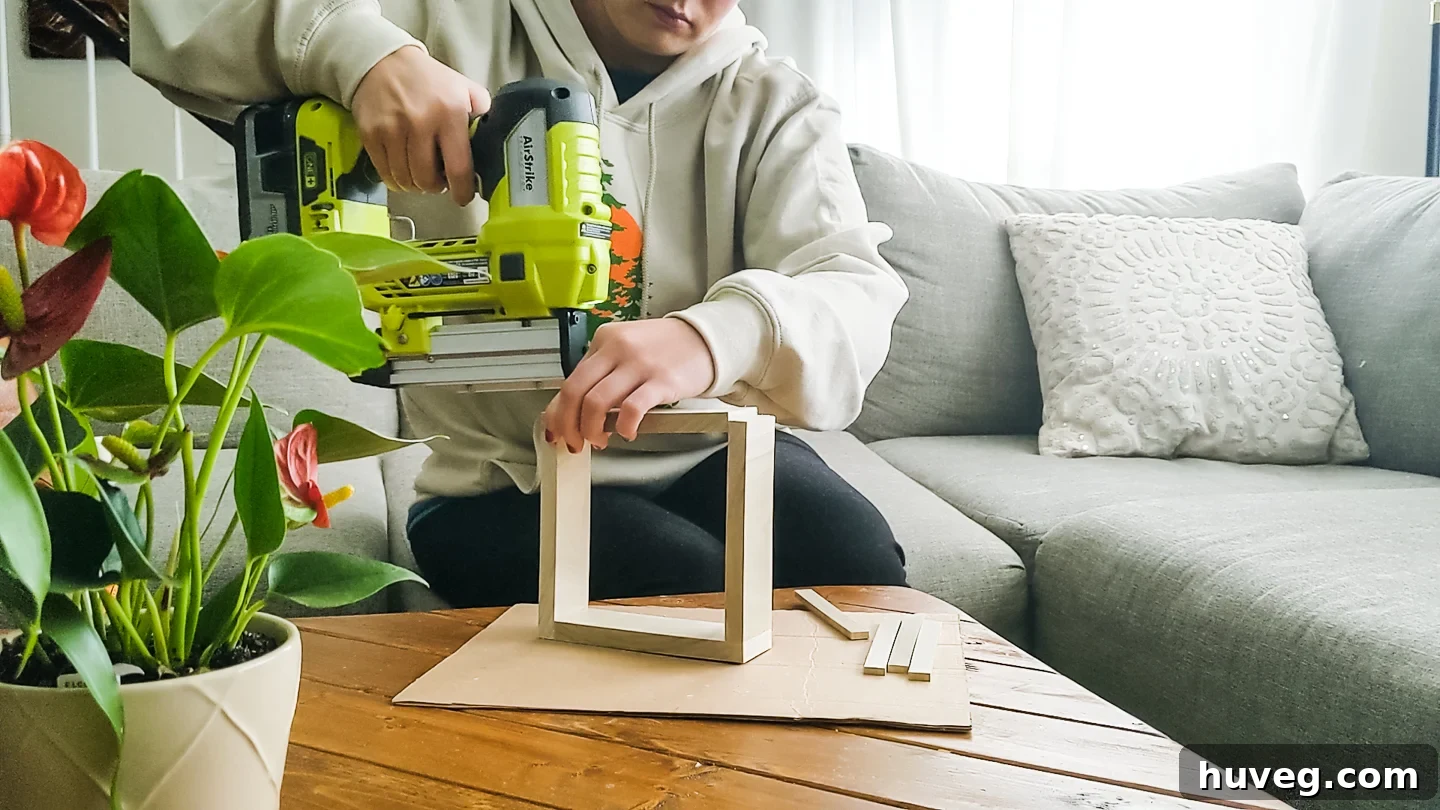
With your frame pieces ready, it’s time for assembly. Apply wood glue to the joining edges and secure each piece together in a spiral fashion, forming a square or rectangular box. Because you’re using scrap wood, there might be slight warping; clamps are invaluable here to hold everything tightly until the glue dries, ensuring a strong, seamless bond. Once the exterior frame is solid, glue the smaller, thinner cuts inside the frame. Offset them strategically so that the plywood backing will sit deep within the frame, creating a subtle shadow box effect that adds depth and dimension when the MDF tree is later glued into place. After the glue has fully cured, fill any nail holes or minor imperfections with wood filler. Once dry, sand the entire frame smooth, preparing it for a beautiful stain or paint finish.
-
Step 4: Cut the Plywood Backing to Size
For the backing of your art piece, thin walnut plywood offers a rich, appealing aesthetic. If you have leftover pieces from other projects, like a DIY jewelry organizer, this is an excellent opportunity to repurpose them. Measure the interior dimensions of your assembled frame and carefully cut the plywood to fit snugly. To minimize splintering, especially when making cross-cuts against the wood grain, apply painter’s tape along your cut line before sawing. This simple trick helps achieve clean, professional edges, ensuring your backing looks flawless and integrates perfectly with the frame.
-
Step 5: Design and Cut Out the Tree Shape from the Plywood Backing
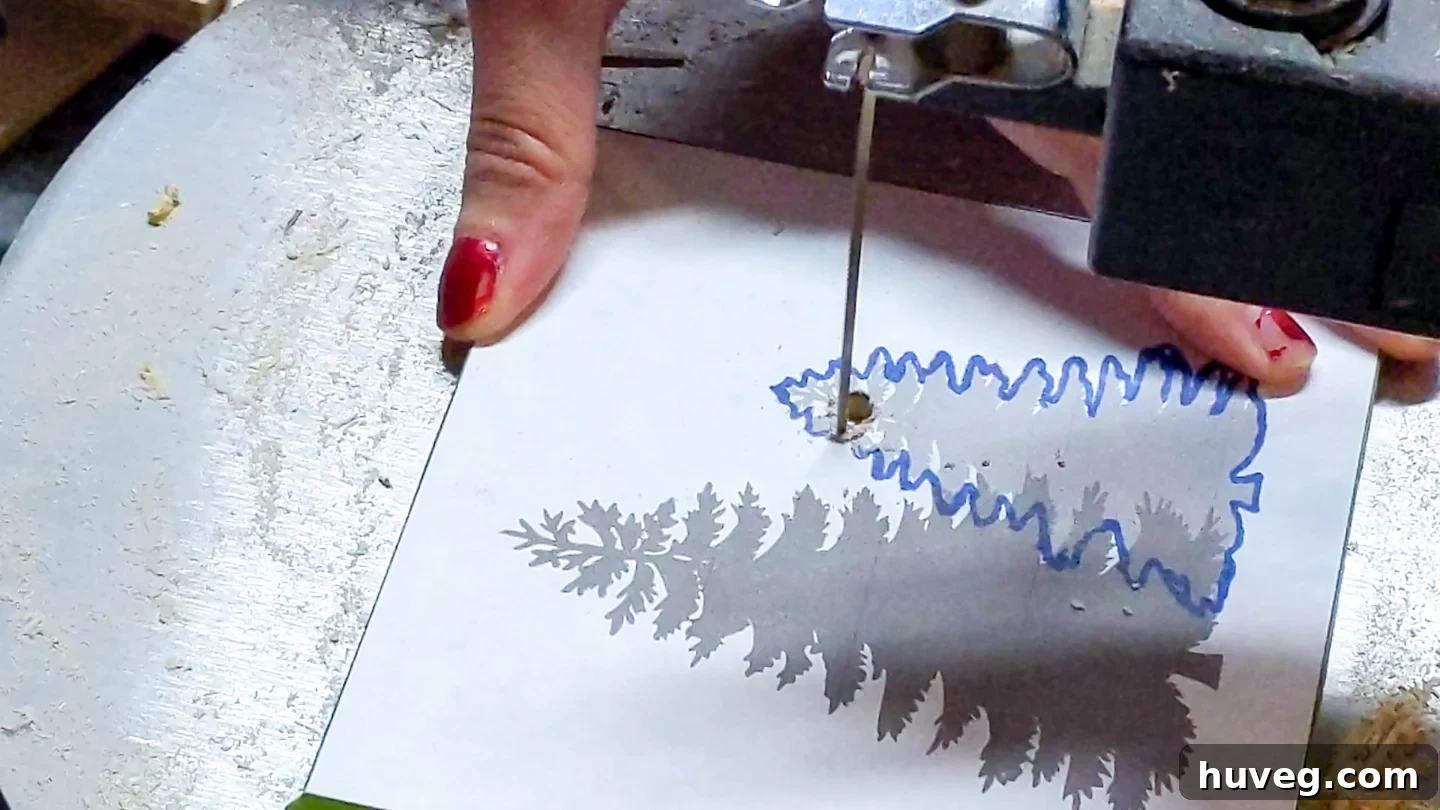
Now for the artistic heart of the project: the tree cutout. Start by selecting a tree image from a reliable source, such as a stock photo site. For a more intricate design, you might duplicate and overlap the image in a photo editing program like Photoshop to create a dense, organic pattern. While aiming for every minute detail can be challenging and time-consuming, use your chosen image as a general template. Once the basic shape is transferred, feel free to use your scroll saw for some freehand cutting, adding your personal touch and refining the contours of the tree. This allows for a unique, handcrafted look that truly reflects your artistic vision.
-
Step 6: Apply Finish to Highlight Natural Beauty
With the tree cutout complete, prepare the plywood for finishing. Sand both sides of the plywood to a silky smooth finish. Then, apply a high-quality wood finish such as Maker Brand Simple Finish. This product is exceptional at bringing out the rich, natural colors and intricate grain patterns in wood, especially walnut, making it one of the most rewarding steps. For the outer frame, consider applying a white wash stain. This lighter finish creates a beautiful contrast with the dark walnut, emphasizing the depth and texture of your tree art and adding a touch of modern farmhouse charm.
-
Step 7: Cut and Paint the MDF Tree
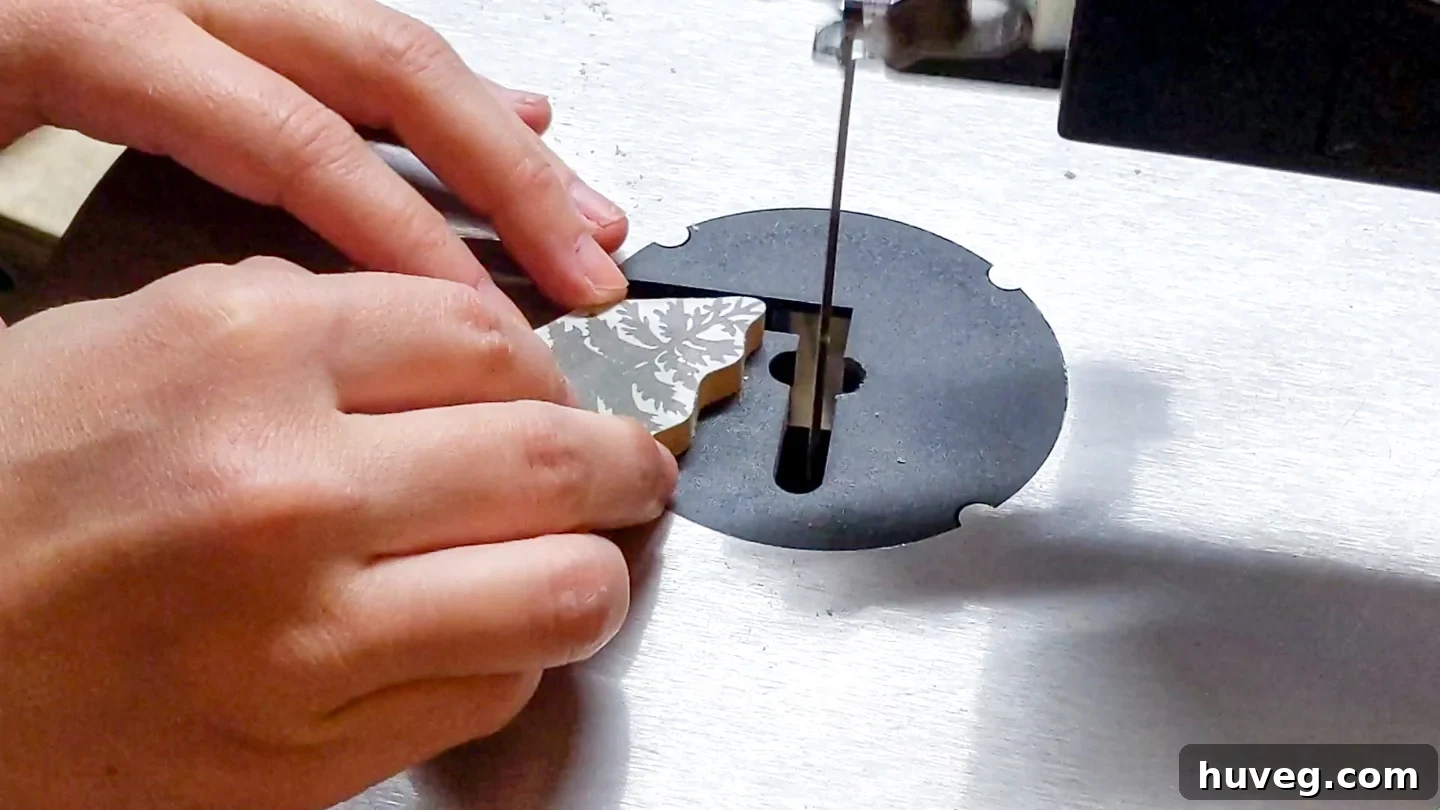
To create the striking three-dimensional effect, you’ll need a second tree cutout from MDF. Utilize scrap MDF, perhaps from previous projects like this fall leaves scroll saw art. Cut out another tree shape, ensuring it’s slightly different in size or contour to create visual interest. Once cut, sand the edges smooth to remove any burrs, then spray paint it black. This dark, opaque finish will stand out vividly against the natural wood of the backing, accentuating the “negative space” created by the first cutout and adding a contemporary edge to your holiday decor.
-
Step 8: Final Assembly and Display
With all components finished, it’s time to bring your art piece together. Carefully glue the walnut plywood backing with its cutout tree into the recessed area of your frame. Then, glue the black MDF tree cutout precisely into the opening of the plywood backing. If your scrap wood frame had any slight warping, you might need to make minor trim cuts in the plywood to ensure a perfectly snug fit. Apply consistent pressure and allow adequate drying time for all glue to set. Once dry, your unique DIY tree cutout art is ready to adorn your walls or mantelpiece, casting interesting shadows and adding a sophisticated, handmade touch to your holiday decorations.
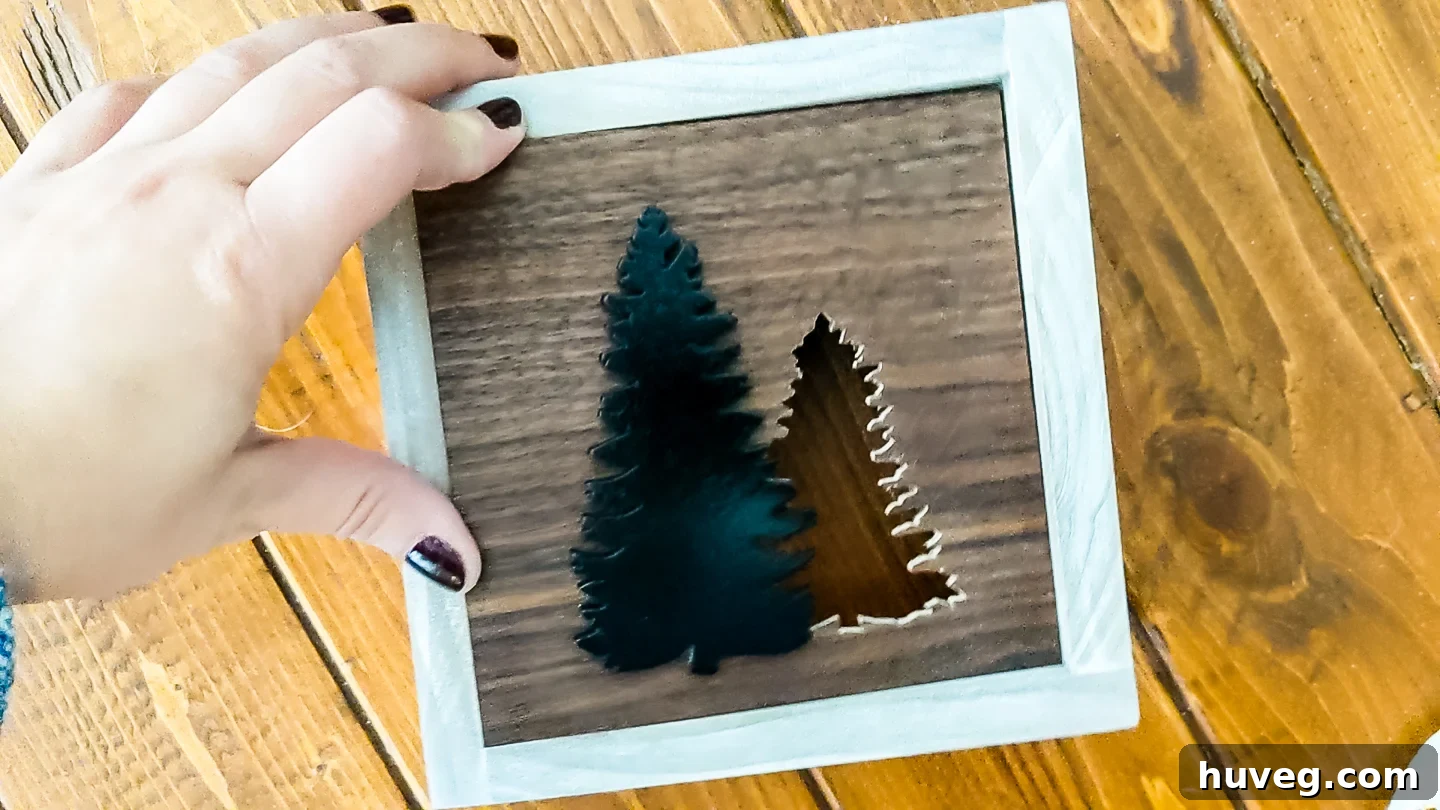
There you have it! A captivating piece of DIY tree art, created with simple tools and a bit of creative ingenuity. This project not only repurposes scrap materials but also adds a personalized and sophisticated touch to your holiday decor. Remember to check back soon for the next project we crafted using this very same frame – you’ll be amazed at how versatile a single foundation can be.

Even if you choose not to replicate this specific project exactly, we hope this guide serves as a valuable starting point for your own creative DIY endeavors. The fundamental techniques and the concept of using a simple base offer endless possibilities. Imagine creating a set of star or ornament cutouts for a celestial theme, or perhaps other holiday symbols throughout the year. You could even design a larger piece featuring multiple intricate cutouts, arranging the glued-on elements in a captivating pattern. The beauty of DIY lies in customization – there are truly tons of options to make this project uniquely your own, reflecting your style and seasonal spirit!
25 DIYs of Christmas
VIEW SERIES
This project is proudly part of our extensive “25 DIYs of Christmas” series, a collection brimming with creative DIY gifts, inspiring decor ideas, and endless festive inspiration. Each post in this series comes complete with detailed step-by-step tutorials, delicious recipes, engaging videos, free patterns, and woodworking plans where applicable. Many of these ideas feature multiple versions, showcasing the vast possibilities of each DIY concept. To ensure you don’t miss any of these exciting projects, be sure to subscribe!
DIY Paper Pinwheel Ornaments
Ruby’s Revival Cookies!
Easy DIY Gift: Earring Holder
4 Watercolor Christmas Prints
No-Spread Sugar Cookies for Decorating
Spiced n’ Sparkling Christmas Moscow Mule Recipe