Revitalize Your Entryway: Painting House Numbers and Door Hardware

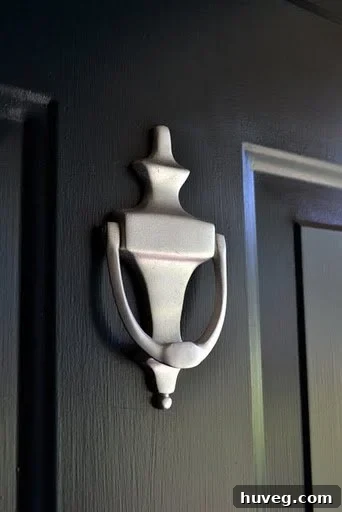
Revitalize Your Front Door: The Magic of Painting Old Hardware
Is your home’s exterior feeling a bit lackluster? Often, the most impactful transformations don’t require extensive renovations or a hefty budget. Sometimes, all it takes is a clever DIY project and a few coats of paint to breathe new life into forgotten details. This was precisely the case with my old, weathered door knocker. What once looked tired and outdated now appears brand new, a testament to the transformative power of a simple painting project. It’s not just an update; it’s a magic trick that elevates your front door’s curb appeal without breaking the bank.
Many homeowners dream of a grand entrance, but the cost of replacing fixtures can be prohibitive. Instead of buying new hardware, consider the potential hiding in your existing pieces. A can of quality spray paint is an incredibly versatile tool, capable of transforming dull metal into a gleaming accent. This approach not only saves money but also contributes to sustainability by giving old items a second life. My door knocker, once faded and showing every sign of its age, now perfectly complements the refreshed exterior elements of my home, proving that a little DIY effort can yield stunning results.
The Remarkable Transformation: Before and After Visuals
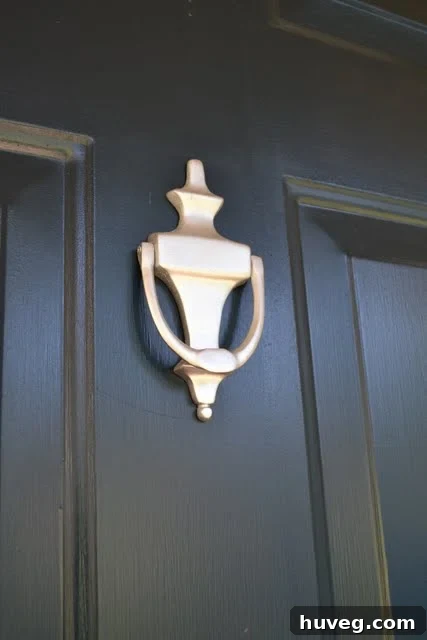
The visual impact of this project is truly striking. It’s hard to believe that the shining, pristine door knocker you see now is the same piece of hardware that once hung on my door, looking distinctly worn. This transformation underscores how a small detail can make a monumental difference in your home’s overall aesthetic.
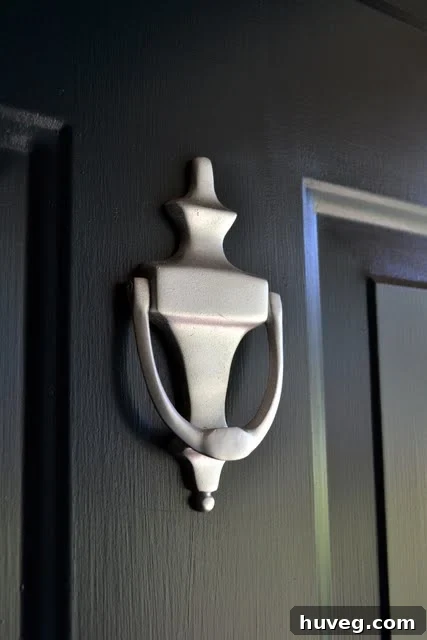
This image perfectly captures the crisp, even finish achieved through careful application. The subtle sheen adds an undeniable touch of elegance that was entirely absent before. The surface is smooth, vibrant, and looks professionally done. To further appreciate the flawless outcome, here’s another perspective:
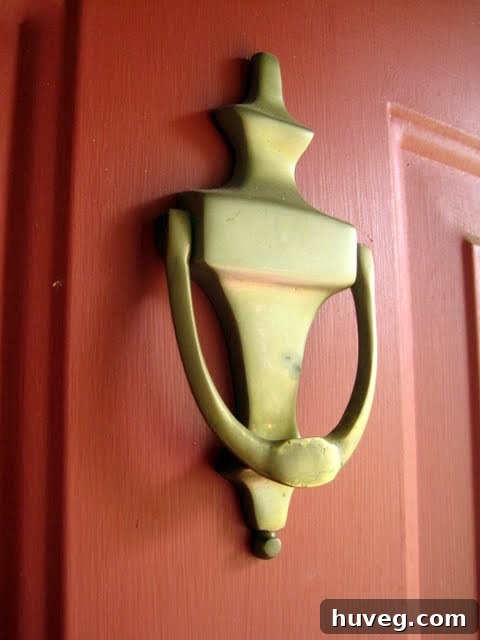
To truly grasp the extent of this transformation, it’s essential to recall its original state. This is what the door knocker looked like before any intervention – a stark contrast to its current polished appearance. The difference is akin to night and day, illustrating the immense potential of a simple repaint.
Where once stood an overlooked, aged detail, now shines a vibrant focal point, carefully considered as part of my home’s exterior aesthetic. This remarkable change was achieved with minimal investment and maximum satisfaction, solidifying the idea that painting old door hardware is a highly effective, budget-friendly strategy for boosting your home’s curb appeal and making a lasting impression.
The Art of Painting Metal: Achieving a Flawless, Durable Finish
While the final result appears professionally done, the process of painting metal hardware is surprisingly accessible for DIY enthusiasts. The key to success, and to ensuring a durable, attractive finish, lies in two crucial areas: meticulous surface preparation and the correct application technique. Skipping steps in either of these phases can lead to paint peeling, uneven coverage, or a significantly shorter lifespan for your refreshed hardware.
1. Thorough Preparation: The Foundation of Success
An impeccably clean surface is the cornerstone of any successful painting project, especially when working with metal. Any residue—be it dirt, grease, grime, or loose rust—will prevent the paint from adhering properly, ultimately leading to premature failure of the finish. For this project, a TSP (Trisodium Phosphate) substitute proved to be an excellent choice. These substitutes are powerful heavy-duty cleaners and degreasers, widely available, and generally safer to use than traditional TSP.
- Hardware Removal: Start by carefully unmounting the door knocker from the door. This allows full access to all surfaces and prevents accidental paint splatters on your door. Remember to store all screws and mounting hardware in a secure place.
- Initial Wipe-Down: Begin by wiping down the knocker with a damp cloth to remove any superficial dust, cobwebs, or loose debris.
- Deep Cleaning with TSP Substitute: Mix the TSP substitute according to the manufacturer’s instructions. Using a stiff brush, sponge, or even an old toothbrush, thoroughly scrub every part of the knocker. Pay particular attention to intricate details and crevices where dirt tends to accumulate. This step is critical for degreasing the metal surface.
- Rinse Completely: Rinse the knocker extensively with clean water to ensure all traces of the cleaner are removed. Any chemical residue can interfere with paint adhesion.
- Thorough Drying: Allow the metal to air dry completely. You can also use a clean, lint-free cloth to speed up the drying process. Absolutely no moisture should remain on the surface before you proceed to painting.
- Optional Light Sanding: For exceptionally smooth or glossy metal surfaces, or if there are minor existing imperfections, a very light scuff sand with fine-grit sandpaper (220-grit or higher) can create a better “tooth” for the paint to grip. Always wipe away any sanding dust with a tack cloth before painting.
2. Mastering Paint Application: The Power of Light Coats
With a perfectly clean and dry surface, you’re ready to paint. This stage demands patience and a steady hand. The secret to achieving a durable and aesthetically pleasing finish on metal, particularly with spray paint, is the application of very light, even coats. Resisting the urge to apply a heavy single coat is paramount, as this inevitably leads to drips, runs, and an uneven, unprofessional look.
- Selecting the Right Paint: Opt for a high-quality, exterior-grade spray paint specifically formulated for metal. Many excellent products combine primer and paint, offering superior adhesion and durability for outdoor conditions. For added protection, consider a rust-inhibiting formula.
- Setting Up Your Workspace: Choose a well-ventilated area, ideally outdoors on a calm, non-windy day. Protect your surroundings with a drop cloth, old newspapers, or cardboard. To make painting all sides easier, you might want to suspend the knocker or place it on a temporary stand.
- Application Technique:
- Shake the spray can vigorously for at least one minute after you hear the mixing ball rattle.
- Maintain a consistent distance of about 8-12 inches from the knocker while spraying.
- Apply paint in smooth, continuous sweeping motions, moving past the edges of the object with each pass. This technique prevents paint from building up too heavily at the start and end of your spray.
- Remember, the first coat should be a very light mist, offering only partial coverage. This is normal and desired.
- Multiple Thin Coats: I applied five or more extremely light coats. Allow sufficient drying time between each application – typically 10-15 minutes, but always refer to your specific paint can’s instructions. This layered approach builds up a robust, uniform, and highly chip-resistant finish that will withstand the elements.
- Crucial Curing Period: After applying the final coat, allow the paint to cure fully according to the manufacturer’s recommendations. This can range from 24 hours to several days, especially before heavy handling or reattachment. Proper curing ensures the paint reaches its maximum hardness and durability.
The Smallest Detail, The Biggest Impact: Reattaching the Knocker
Ironically, after the meticulous cleaning and precise painting, the most challenging part of this entire project was the seemingly simple task of reattaching the door knocker. Its inherent weight, combined with the need to perfectly align the screw holes, made it surprisingly difficult to manage alone. My initial attempts with tape proved futile; it simply wouldn’t hold the knocker securely enough while I tried to insert the screws. This experience highlighted that sometimes, even the most straightforward steps can benefit from an extra set of hands.
Fortunately, my dad happened to be over, assisting with the initial exterior coat of paint on the house. His invaluable help made the swift and secure reinstallation of the freshly painted knocker a breeze. If you find yourself undertaking this solo, consider using a temporary adhesive putty that allows for repositioning, or devise a way to prop the knocker from below while you align and fasten the screws. The minor struggle is quickly forgotten once you see your beautifully transformed hardware perfectly back in place!
Creating a Cohesive Curb Appeal: Beyond Just the Door Knocker
The success of this door knocker project extends far beyond the single piece of hardware. It forms part of a broader strategy to cultivate a welcoming and aesthetically harmonious exterior. While a “matchy-matchy” approach might be viewed skeptically in certain interior design contexts, it absolutely shines when applied to exterior decor. A cohesive look for your home’s façade can dramatically enhance its curb appeal and create a more polished, inviting atmosphere.
My newly painted door knocker now perfectly complements the finish of the exterior light fixture and the refurbished new (old) house numbers, all of which received the exact same paint treatment. This subtle yet deliberate coordination ties together various elements of the front entrance, resulting in a thoughtful and visually appealing aesthetic that makes the entire front of the house truly pop.
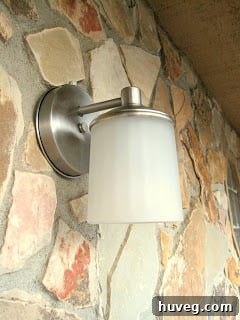
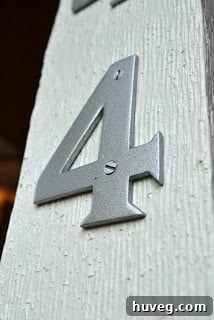
Consider the significant difference this coordinated approach makes: instead of disparate, aged elements, visitors are greeted by a unified, well-maintained entrance. This attention to detail communicates pride in homeownership and can enhance not just the visual appeal but also the perceived value of your property. Extend this design philosophy to other outdoor elements like mailboxes, planters, or even decorative garden stakes for a truly integrated and stunning exterior design.
Why DIY Your Door Hardware? Exploring the Benefits
Choosing to refresh your existing door hardware through painting, rather than opting for a full replacement, offers a multitude of compelling advantages:
- Exceptional Cost-Effectiveness: A single can of high-quality spray paint is a fraction of the cost of purchasing new, comparable door hardware. This makes it an incredibly budget-friendly home improvement project.
- Environmental Sustainability: By reusing and revitalizing existing items, you actively contribute to reducing waste and minimizing your environmental footprint. It’s a smart, eco-conscious approach to home decor.
- Preserving Original Character: Many older homes feature unique, often charming, architectural hardware that might be difficult or prohibitively expensive to replicate today. Painting allows you to retain this invaluable original character while simultaneously giving it a fresh, modern update.
- Personalization and Customization: You gain complete creative control over the color, sheen, and finish. This enables you to perfectly match your home’s existing aesthetic, experiment with new styles, or simply add a unique personal touch that store-bought items might not offer.
- Immense Sense of Satisfaction: There’s a profound and rewarding sense of accomplishment that comes from transforming something old and worn into a beautiful, functional, and refreshed piece with your own hands.
Final Thoughts: A Small Project, A Major Impact
Revitalizing your door knocker and other exterior hardware with a fresh coat of paint is an incredibly simple, deeply satisfying, and remarkably effective DIY project. It stands as a powerful testament to how seemingly minor updates can lead to profound transformations, significantly boosting your home’s curb appeal and creating a more inviting, aesthetically pleasing entrance. So, if you’re seeking an easy, low-cost way to dramatically refresh your home’s exterior without a major investment, I highly encourage you to grab a can of spray paint and get ready to work some magic on your old door hardware. Your front door will undoubtedly thank you, and so will everyone who steps up to greet it!