Kitchen Reboot for the New Year

Transform Your Kitchen: A Comprehensive Guide to Design, Organization, and Functionality
The kitchen, often considered the heart of the home, is more than just a place to prepare meals; it’s a hub for family gatherings, creative culinary experiments, and daily routines. For many of us, the start of a new year brings a renewed desire to refine our living spaces, and the kitchen is frequently at the top of that list. This year, my focus has shifted from merely making things look pretty to truly optimizing every inch of my kitchen for peak performance and enjoyment. It’s about creating a space that isn’t just aesthetically pleasing, but profoundly functional, reflecting how I genuinely use my home today.
This journey of transformation isn’t just about renovation; it’s about intentional living. As life evolves, so do our needs and desires for our personal spaces. I’ve realized that the way I interact with my home has changed, prompting a deeper dive into how each room can better serve my lifestyle. Beginning with the kitchen, the room I undoubtedly use the most, I’ve outlined a series of design and organization plans aimed at maximizing its potential. (For those curious about the journey so far, you can see the full kitchen transformation in my house tour here.)
Note: This content is enriched with insights and recommendations, including affiliate links and tips from various home improvement resources. Our words are 100% our own, aimed at providing valuable advice for your kitchen projects. For more information, please see our disclosure page.
Achieving Kitchen Excellence: Goals for Re-Organizing and Finishing
Embarking on a kitchen overhaul, whether large or small, involves setting clear goals. My aspirations for enhancing my kitchen revolve around several key areas, each designed to boost efficiency, streamline processes, and elevate the overall experience of this vital space.
The Art of Decluttering: Purge, Purge, Purge
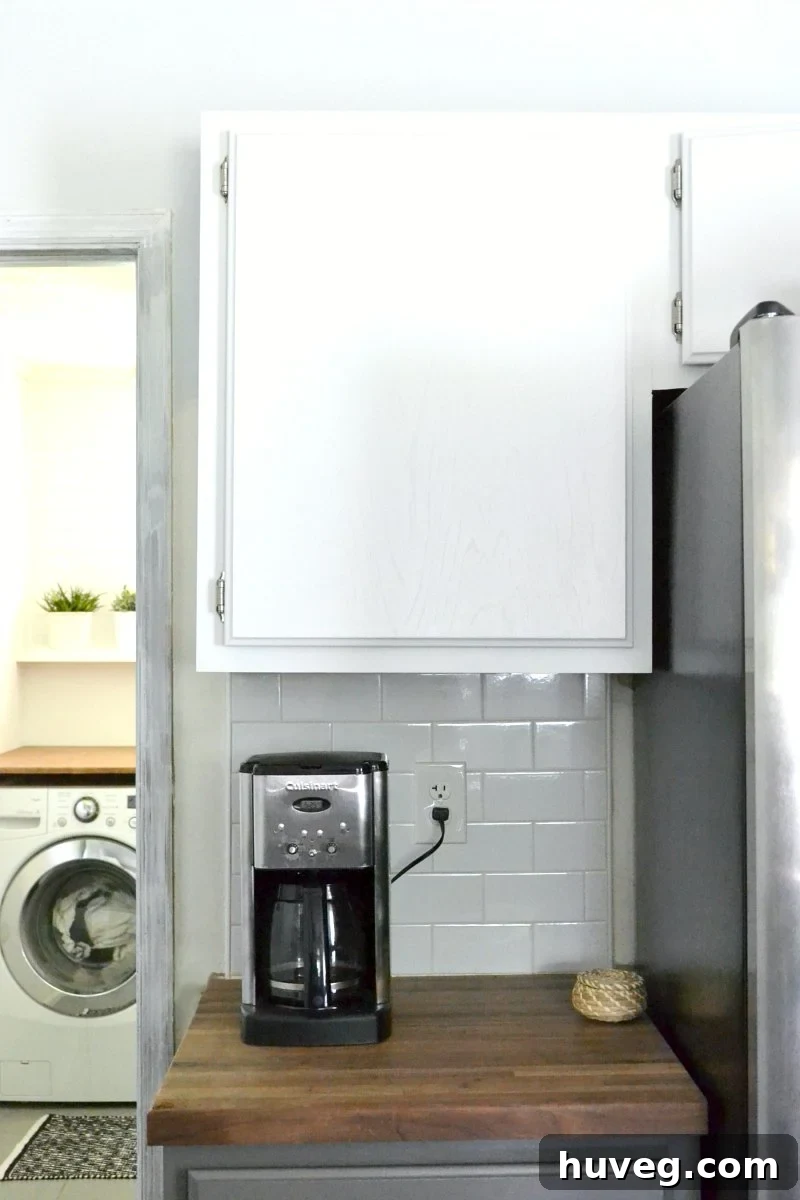
The first step towards a more functional kitchen is often the hardest: decluttering. It’s a task I’ve approached before, but the demands of holiday entertaining in recent months have starkly highlighted items that truly serve a purpose versus those that merely occupy valuable space. My vision is a minimalist kitchen, characterized by clear countertops and cabinets free from unnecessary items saved “just in case.” There’s at least one upper cabinet currently overflowing with things I simply don’t need, a testament to accumulated clutter.
The distinction between “what I actually use” and “what I will probably never use” became crystal clear during the festive season. This realization provides the perfect motivation to undertake a thorough clean-out before I second-guess myself. The process involves more than just removing items; it’s about evaluating each piece, asking if it truly brings joy or serves a practical function. This purge extends to everything from rarely used appliances to redundant sets of dishware. By letting go of the excess, I aim to create a sense of calm and efficiency, making everyday tasks smoother and more enjoyable.
Optimizing Your Culinary Hub: Refrigerator Organization for Better Cooking
An organized refrigerator is a game-changer for anyone who loves to cook. Over the past few months, as my cooking frequency has increased (I have a delectable winter soup recipe I’m eager to share!), I’ve become acutely aware of the deficiencies in my fridge’s organizational system. It’s time to implement a more structured and efficient approach to food storage.
Understanding the internal climate of your refrigerator is key. For instance, the lowest shelves are typically the coldest, making them ideal for raw meats and dairy, while the door is the warmest, best suited for condiments. Crisper drawers, designed to maintain specific humidity levels, are perfect for fruits and vegetables. These seemingly minor details, which I learned from a comprehensive list of kitchen tips, can significantly impact food freshness and reduce waste. Implementing these cool refrigerator makeover tips means strategizing where everything goes, minimizing forgotten leftovers, and making ingredients easily accessible when inspiration strikes. Investing in refrigerator organizer bins can further enhance this system, providing designated homes for various food categories and preventing clutter.
Harmonizing Your Kitchen Aesthetics: Getting All Appliances to Match
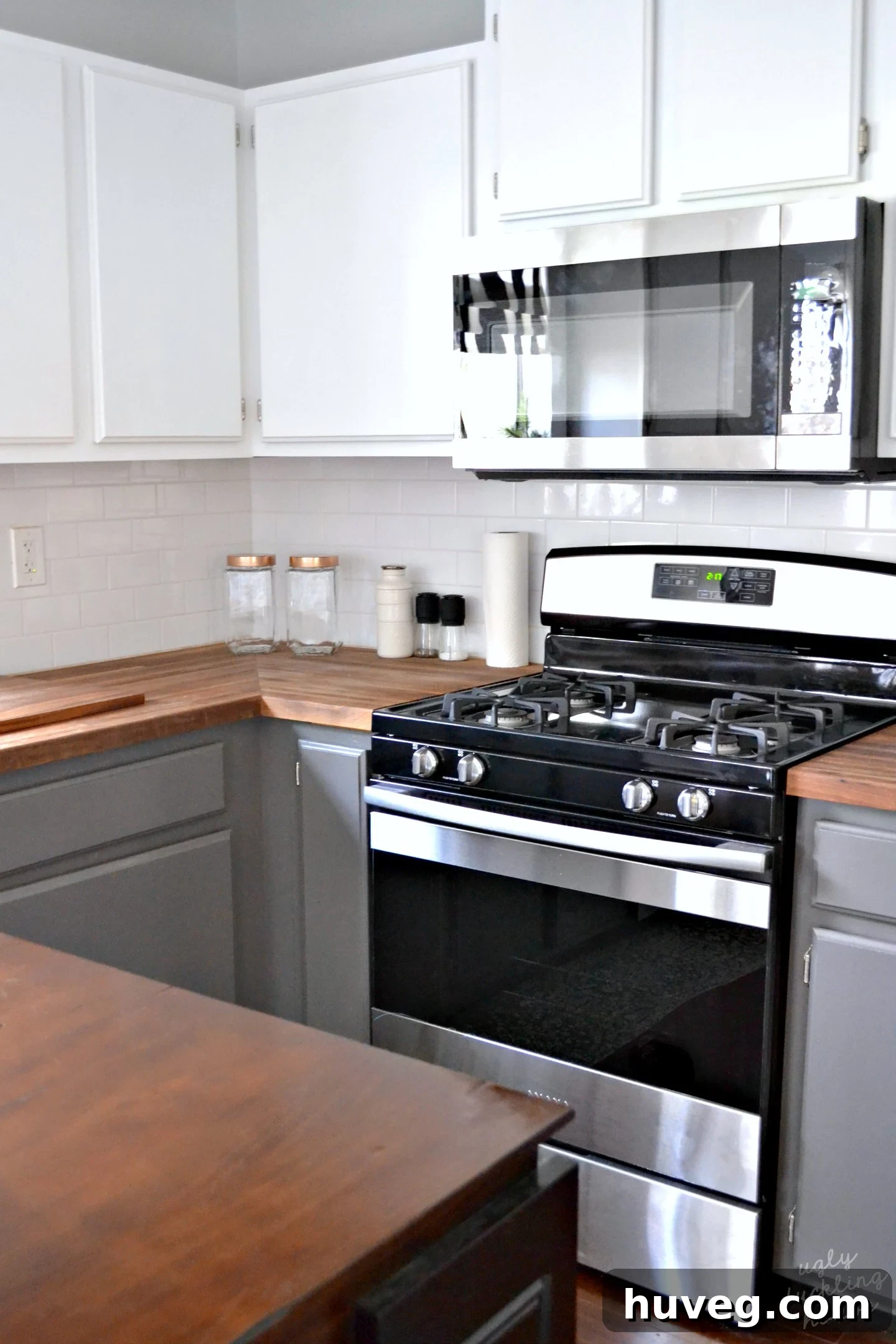
One of the most anticipated updates in my kitchen involves achieving visual harmony with new appliances. In the coming weeks, I’ll be excited to share a full reveal of my brand new appliance suite. The most thrilling aspect? They finally all match! For years, my kitchen presented a bit of a visual disconnect, with a mix of stainless steel and black appliances. While I appreciate both finishes individually, their coexistence created a subtle discord that always made me hesitant to photograph the entire space. Seven years ago, as one of my first major house purchases, I acquired what I could afford. Now, the opportune moment has arrived to unify the aesthetic, creating a cohesive and polished look that truly elevates the kitchen’s appeal. Beyond the visual consistency, new appliances often bring improved energy efficiency and enhanced features, contributing to a more modern and functional cooking environment. This upgrade isn’t just about looks; it’s about bringing the kitchen into its full, coordinated potential.
Displaying Beauty and Functionality: Getting the Copper Pots Out in the Open
My collection of beautiful copper pots and pans currently consumes a disproportionate amount of space in one of my lower cabinets. While functional, their hidden status denies them the opportunity to double as decorative elements. The inspiration for a change struck when I saw this photo of Ellen Pompeo’s L.A. home, showcasing how a functional pot rack can transform cookware into art. I envision a similar setup above my kitchen bar area, an ideal spot for an elegant, space-saving solution.
A pot rack offers numerous benefits: it frees up cabinet space, keeps frequently used items within easy reach, and adds a touch of rustic charm or industrial chic, depending on the design. I’m drawn to the idea of a beautiful wood and black metal combo, something that blends natural textures with modern lines. Coincidentally, I’m also planning to acquire new torches this year to delve into welding (or brazing, or soldering – the vocabulary is still new, but I’ll share more as I embark on these projects!). This skill could even allow me to craft a custom pot rack, making it a truly personal addition to the kitchen. A wall pot rack could be the perfect blend of utility and artistry for these beloved copper pieces.
Crafting a Hub for Hospitality: Creating a Dedicated Bar Area
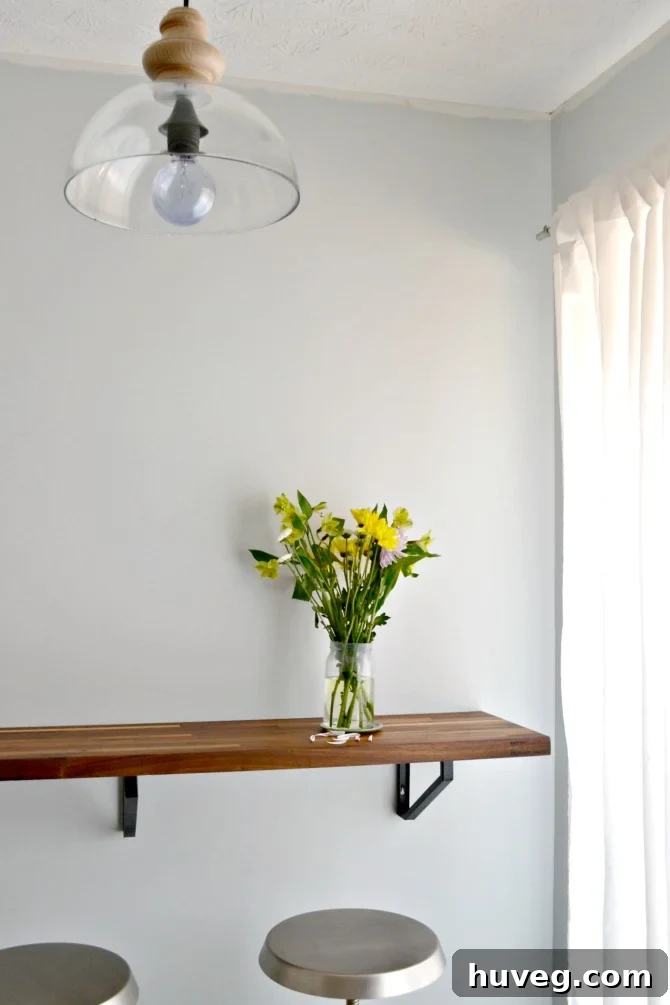
Entertaining friends often involves mixing drinks, and a designated bar area can elevate this experience. I’m currently pondering the ideal location for this new feature: should it be integrated into the kitchen or find its home in the dining room? Regardless of the final placement, the goal is to create a stylish and functional space where cocktail glasses and spirits can be elegantly displayed and easily accessed when guests arrive. This area isn’t just about storage; it’s about fostering a welcoming atmosphere for impromptu gatherings and planned celebrations alike. It might involve a chic bar cart, a custom-built cabinet, or a simple yet sophisticated setup on an existing counter. The objective is to ensure that everything needed for crafting the perfect drink is within reach, making hospitality effortless and enjoyable.
Maintaining Surfaces: Touch Up Paint and Countertop Considerations
Two frequent questions I receive pertain to the longevity of my kitchen’s finishes: how well has the cabinet paint held up, and do I still love my butcher block countertops? The resounding answer to both is a confident “yes.”
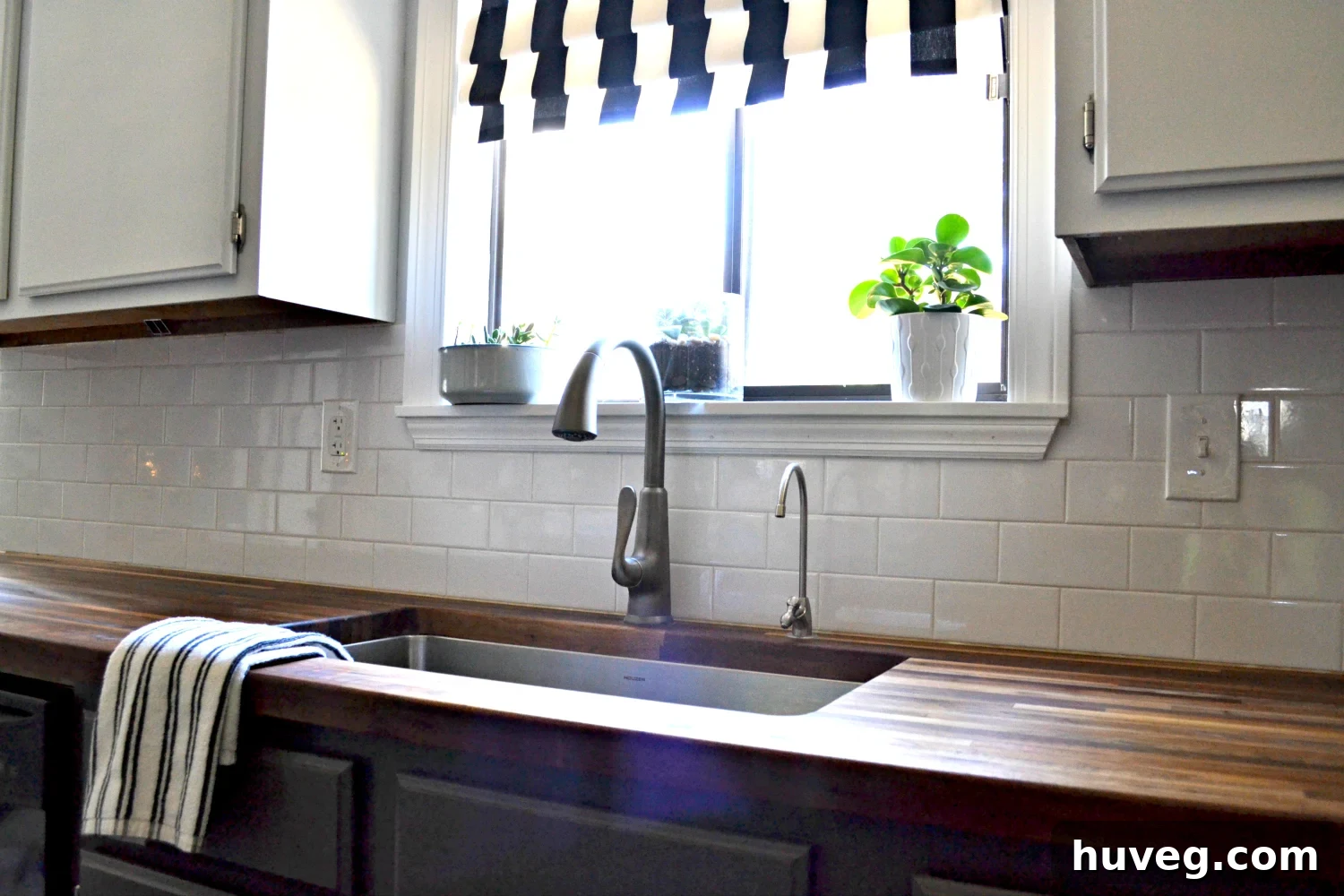
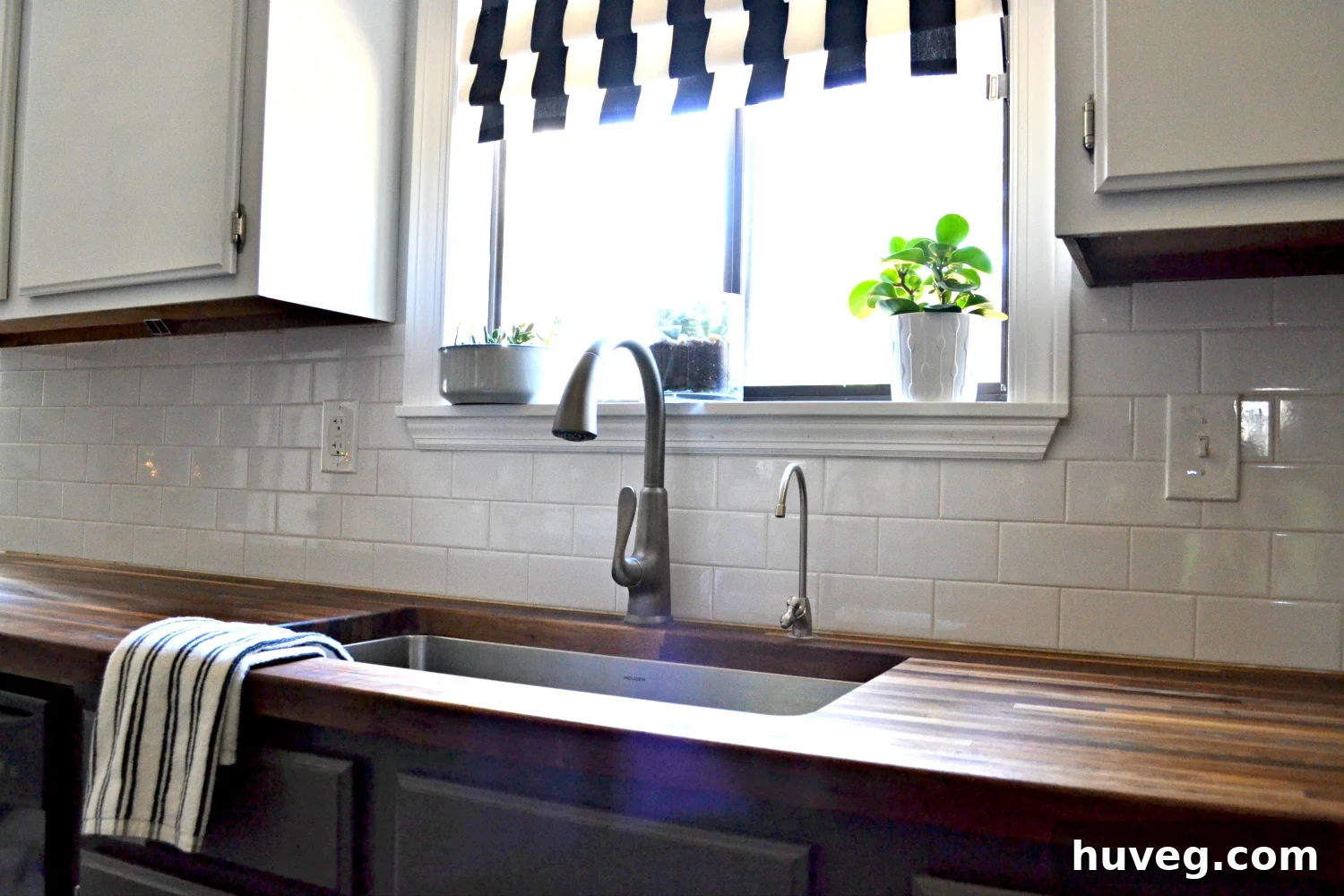
While the white upper cabinets show no visible scratches, the lower gray cabinets require a few touch-ups where the paint has been nicked. The most noticeable area is directly above the silverware drawer, a clear indicator of my occasional clumsiness when putting away utensils – perhaps my least favorite kitchen chore! Despite these minor imperfections, the overall durability of the paint has been impressive. A lesson learned: if I had tinted the primer for the lower cabinets to match the gray paint, those nicks would be far less apparent, as the white primer peeks through but the original wood color remains hidden. I will capture a new image of this area soon to illustrate my point.
Regarding the butcher block, I consistently treat it with a mineral oil and wax mixture, a routine that imparts a rich, beautiful color without any yellowing. The occasional treatment is a small price to pay for such a stunning, natural surface; I simply clean the wood thoroughly and let the oil soak in overnight. However, I’ve begun to contemplate a more permanent finish, not for my immediate needs, but with an eye toward future resale. I worry a new homeowner might not commit to the diligent care that butcher block requires. Since I don’t use the counter for actual food prep, a food-safe treatment isn’t my top priority. This isn’t an imminent project, but it’s a topic I’m actively researching.
The idea of coating it with something more robust, like a polyurethane, seems appealing for low maintenance. The challenge, however, lies in preserving the wood’s natural expansion and contraction; a poly finish could lead to cracking if the underside isn’t sealed identically. This dilemma continues to occupy my thoughts, and I welcome any suggestions from those knowledgeable about sealing countertops or long wood surfaces, particularly regarding the trade-offs between natural care and durable, low-maintenance finishes.

Embracing Sustainability: Integrating Composting into Kitchen Routines
Increased home cooking naturally brings two significant changes: more recycling and greater opportunities for composting (and, of course, more dishes, a point I’m choosing to gloss over for now). My partner, K, and I have plans to build our own garden next to the pub shed this spring, which means delving into mulching and growing some of our own food. This venture makes composting not just an eco-friendly practice but a practical necessity for enriching our garden soil.
The market now offers a variety of charming, compact composting cans that make the process seem simpler than ever. I’m particularly interested in the smaller models available at places like World Market. While their aesthetic appeal is undeniable, a crucial factor for me is odor control. A tight seal is paramount to prevent any unpleasant smells in the kitchen. I’m keen to hear from anyone who has had success with these smaller units – do they truly contain odors effectively? Embracing composting aligns perfectly with a more sustainable lifestyle and complements our budding gardening aspirations, making our kitchen not just a culinary space but a contributor to a healthier planet.
Beyond composting, incorporating elements like a self-watering herb garden can further enhance the kitchen’s connection to nature and fresh ingredients, offering a year-round supply of aromatic herbs right at your fingertips.
What began as a focused discussion on kitchen improvements has, as often happens, expanded into a broader exploration of home functionality and personal aspirations. My hope is that these detailed plans offer inspiration for your own kitchen transformation projects this year. Whether it’s a complete renovation or just a few strategic organizational changes, I’d love to hear your ideas and experiences. The journey to a perfectly tailored kitchen is unique for everyone, and shared insights can spark incredible creativity.