Zeal in Vain

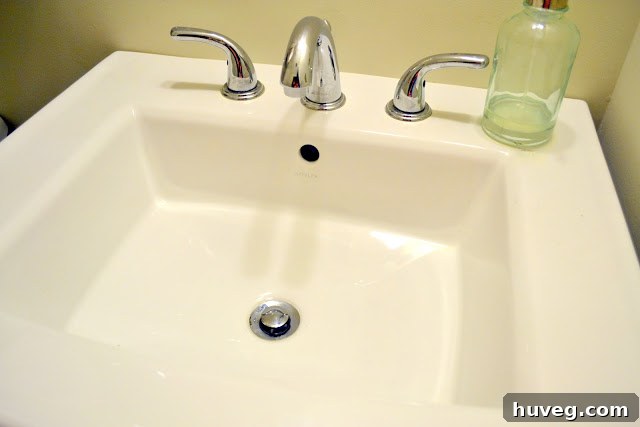
The Unexpected Joy of a Working Bathroom: Conquering a Pedestal Sink Leak
It’s a curious thing, the simple pleasure derived from basic household functionality. I never anticipated that the mere thought of a fully operational sink and toilet in the same bathroom could stir such a profound sense of excitement. Yet, after months of inconvenience and careful avoidance, this was precisely the emotion bubbling to the surface. The journey to this moment of plumbing bliss was an odyssey through minor DIY challenges, the frustration of misdiagnosis, and ultimately, the triumph of a successful home repair.
The Persistent Drip: A Nuisance Becomes a Problem
For what felt like an eternity, the elegant pedestal sink in our compact powder room had been harboring a secret – a persistent leak that emerged whenever water drained. This wasn’t just a minor annoyance; it was a potential disaster. Unchecked water leaks can quickly lead to significant floor damage, structural issues, and even mold growth, turning a small repair into a costly renovation. To prevent any further harm to the subfloor and surrounding areas, I was compelled to cease using the sink altogether. This meant a detour to another bathroom simply to wash hands, a minor inconvenience that steadily grew into a major irritant.
The primary challenge with a pedestal sink is its design. The basin rests atop a pedestal, which elegantly conceals the plumbing. While aesthetically pleasing, this design makes access for repairs inherently difficult. Lifting the heavy ceramic basin requires a second pair of hands, making solo troubleshooting a formidable task. So, for months, the leaky sink sat dormant, awaiting the opportune moment and the necessary assistance to tackle its hidden flaw.
Initial Attempts and the Illusion of a Quick Fix
The opportunity finally arose when a friend visited last week. With an extra set of hands, we cautiously began our investigation. Our initial hypothesis pointed towards a loose connection. Plumbing often involves a series of threaded pipes and rubber seals, and over time, these connections can loosen, leading to minor drips. We carefully lifted the basin, pulled the pedestal away from the wall, and inspected the exposed drain assembly. Focusing on the visible connections, we located a rubber attachment linking the sink drain to the lower P-trap pipe.
With careful turns of a wrench, we tightened this connection, feeling a sense of accomplishment as it seemed to snug into place. A quick test run, and no immediate drip. Hope surged! I truly believed this simple adjustment had solved the problem, and for a short while, the powder room felt whole again. However, the deceptive nature of plumbing leaks soon revealed itself. Within hours, the tell-tale drip returned, shattering the illusion of a quick fix and sending me back to square one, albeit with a slightly better understanding of what *wasn’t* the issue.
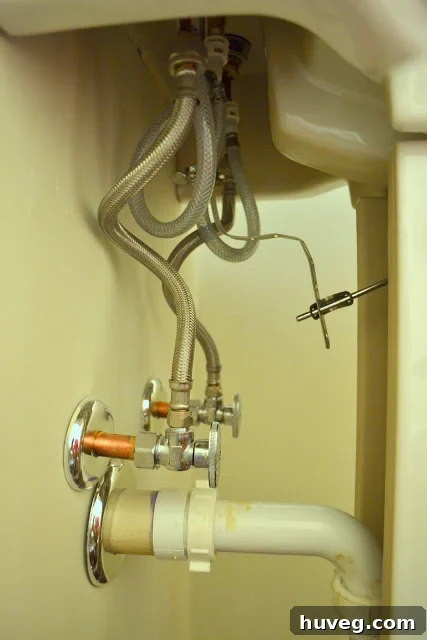
The True Culprit: Diagnosing the Crack
The real breakthrough came a few days later when my father and Tony paid a visit. Their combined experience and fresh perspective proved invaluable. With their help, we once again tackled the cumbersome task of disassembling the pedestal sink. This time, our approach was more thorough, systematically inspecting each component of the drain assembly. It wasn’t long before the true nature of the leak was revealed.
Upon closer examination, we discovered a clear, unmistakable crack in the rubber seal that formed a critical part of the drain connection. This wasn’t merely a loose fitting; it was a compromised component. The crack, visible within the yellowish putty area in the accompanying photograph, explained why mere tightening had been futile. No amount of torque could mend a physical fracture. This particular rubber seal is crucial for creating a watertight connection between the metal drain tailpiece and the plastic P-trap assembly. Its integrity is paramount to preventing leaks. The diagnosis was clear: a replacement part was essential.
This experience highlighted a fundamental principle of DIY plumbing: proper diagnosis is key. What might appear to be a simple loose connection could, in fact, be a deteriorated or damaged component. Rushing to a solution without accurately identifying the root cause often leads to wasted time and repeated effort. Having a second pair of eyes, especially experienced ones, can make all the difference in these situations.
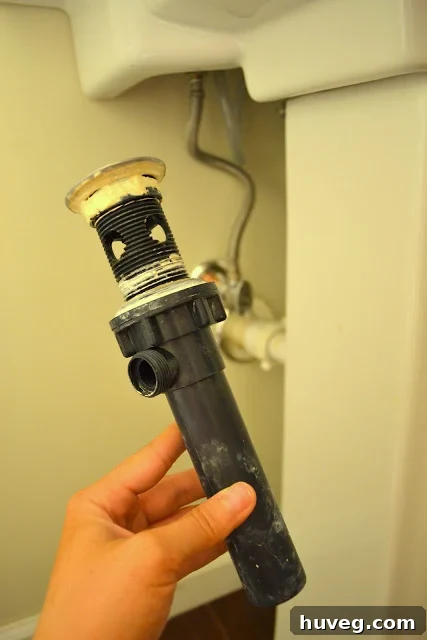
The Repair Mission: Precision in a Tight Space
Armed with the correct diagnosis, the next step was to acquire the replacement rubber seal. A quick trip to the local hardware store yielded the necessary part, a relatively inexpensive item that held the key to restoring full functionality to our powder room. The repair itself, while straightforward in concept, presented its own set of practical challenges, primarily due to the extremely cramped quarters of the powder room. Maneuvering the heavy ceramic basin, precisely aligning the pedestal, and then working within the confined space beneath the sink required patience and coordination.
The process involved several key steps:
- Preparation: Ensuring all necessary tools (wrenches, pliers, towels for potential drips) were at hand. While not strictly necessary for a drain leak, it’s always good practice to turn off the water supply to the sink if you’re dealing with any part of the supply lines. For drain repairs, ensuring the area is dry and clean is more important.
- Disassembly: Carefully lifting the sink basin, detaching the old, cracked rubber seal, and inspecting the surrounding pipes for any additional issues. It’s also a good time to clean any accumulated grime or mineral deposits from the drain components.
- Installation of the New Seal: This was the most critical step. The new rubber seal needed to be perfectly seated to ensure a watertight connection. This often involves applying plumber’s putty or pipe thread sealant for an extra layer of protection, though in this case, the integrity of the rubber itself was the main factor.
- Reassembly: Carefully lowering the basin back onto the pedestal, ensuring proper alignment, and then reattaching the drain assembly. This stage demands precision, especially when dealing with the pop-up drain rod.
Given the tiny space and the necessity of using both hands for lifting, holding, and installing the part, documenting the repair with photos was nearly impossible. The best I could manage was a snapshot of the fully reassembled sink, a testament to the successful completion of the task. It wasn’t glamorous, but it was effective.
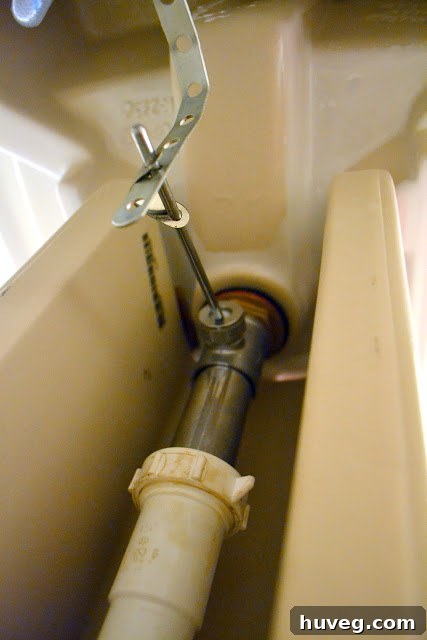
The Tricky Pop-Up Rod and Final Triumph
The only component that stubbornly resisted our efforts and required multiple attempts to reconnect was the rod responsible for the drain’s pull-to-pop mechanism. This small, often overlooked part can be surprisingly finicky. Its precise alignment is crucial for the drain stopper to operate smoothly and effectively. After several adjustments and a bit of trial and error, we finally managed to get it connected correctly, ensuring both leak-free operation and full functionality of the drain.
With everything securely in place, the moment of truth arrived. We turned the water on, let it run, and closely inspected for any signs of a drip. Silence. No leaks. The relief was palpable. After months of inconvenience and a non-functional fixture, I could finally wash my hands immediately after using the toilet. It’s a small victory, but one that brought immense satisfaction. I mean, it’s been months; they’re getting pretty gross.
Kidding, of course. Mostly.
Beyond the Drip: The Importance of Home Maintenance
This experience served as a valuable reminder of the importance of proactive home maintenance and the satisfaction of tackling DIY projects. While plumbing issues can seem daunting, many common problems, like a leaky sink drain, are repairable with a little patience, the right tools, and accurate diagnosis. Regularly inspecting your plumbing, especially in less frequently used bathrooms or utility areas, can help catch small issues before they escalate into major, expensive problems.
For homeowners, understanding the basic components of your plumbing system can empower you to perform minor repairs, saving both time and money. Knowing when to call a professional is also key. While a cracked rubber seal is a DIY-friendly fix, persistent pressure leaks, major pipe bursts, or issues beyond your comfort level are best left to licensed plumbers.
The powder room is now fully functional, a testament to teamwork and perseverance. The excitement I felt was, indeed, not misplaced. It was the joy of restoring order and efficiency to a small but essential part of our home. Every time I use that sink, I’m reminded of the journey from frustration to triumphant functionality, and that, in itself, is something to be excited about.