What Could Have Been

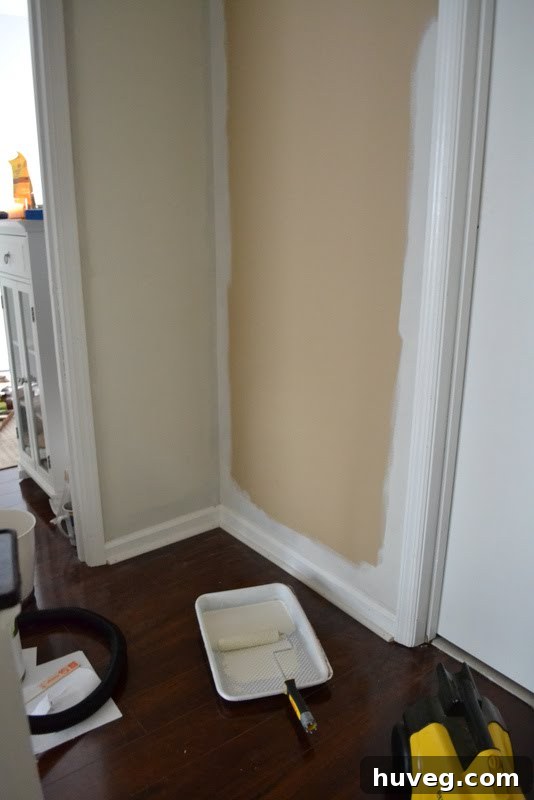
Full disclosure: My upstairs hallway still awaits its final coat of paint, a constant reminder of the ongoing dance between ambition and reality in the world of home improvement. This isn’t just a confession; it’s an initiation into the everyday chaos that many of us navigate when balancing a demanding professional life with the creative, often messy, pursuit of making a house a home. It’s a journey filled with triumphs, frustrations, and the occasional missed spot that becomes a story in itself.
Many of you have expressed curiosity, asking how I manage to weave together the intricate threads of a full-time job, grad school, maintaining this blog, and tackling numerous DIY projects. The truth is, most of the time, I find a rhythm that works – as long as I remain agile and embrace a certain level of flexibility. This balance is a constant work in progress, and it’s a topic I’m deeply passionate about. In fact, I’m currently developing a comprehensive series of posts designed to offer you a deeper dive into my methods and insights into how things genuinely operate around here. So, stay tuned, as that series is set to kick off next week, promising practical tips and honest reflections!
Life, however, often has its own plans. The morning I was scheduled to depart for a much-anticipated trip to Hilton Head, an unexpected turn of events occurred. A night of relentless rain culminated in a distinct pop outside – which I presumed to be a transformer – plunging the entire house into an uncharacteristic silence as the familiar hum of electricity vanished. It’s funny how you never truly appreciate the background noise until it’s abruptly gone. My original plan for that morning was to make significant progress in the dining room, specifically by tackling some drywall repairs. I was particularly excited to test out a new tool that had just arrived: a sander equipped with a vacuum attachment, promising to eliminate the cloud of dust I’d always endured when repairing drywall. The idea was to return home after vacation to a tangible step forward in the house, a little boost of positive energy to ease back into routine. This is a personal piece of advice I always stand by: whenever you’re heading off on vacation, try to leave your home either sparkling clean or with a fresh, positive change awaiting your return. It genuinely helps you transition back into the swing of things with a lighter, more optimistic spirit, reducing the post-holiday slump.
But with the power out, my ambitious dining room plans were immediately put on hold. The new dust-free sander, for all its promise, was useless without electricity. So, I pivoted, doing the only productive thing I could think of that didn’t require power: I began painting the upstairs hallway. I managed to snap a few quick photos during that impromptu session, which I later shared last week. Given the tight timeframe – I was eager to hit the road for my vacation, after all – I focused on efficiently cutting in and painting as much as I could reach without needing a ladder. My rationale was simple: I would return home and easily finish the remaining sections later, a seemingly logical approach to an unexpected setback.
Fast forward to this week: “later” finally arrived. After returning from vacation, the usual whirlwind of catching up at work and grad school left me utterly exhausted. Despite the fatigue, a couple of nights ago, I mustered the energy to tackle the upper part of the hallway, meticulously cutting in the areas I couldn’t reach before. There was a genuine sense of relief as I finished what I considered the “hard” part of the painting. I distinctly recall looking around the hallway ceiling, actively checking my work, convinced I had achieved a clean, complete finish. I truly did.
Apparently, my exhausted eyes weren’t quite as diligent as I believed, because this is the glaring reality staring back at me in my hallway right now:
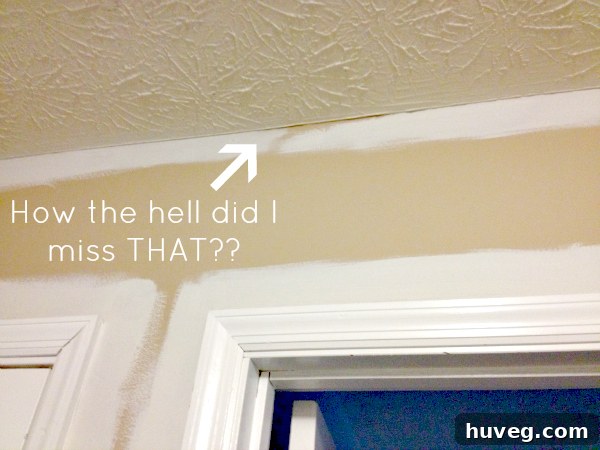
Sigh. It seems I wasn’t as ‘caught up’ or as thorough as I initially thought. This little oversight is a perfect testament to the unpredictable, often humbling, nature of DIY projects, especially when life’s other demands are pressing. It’s a reminder that even the most carefully laid plans and diligent efforts can sometimes miss a crucial detail, especially when fatigue sets in. But this is also where the real charm of home improvement lies – in the imperfections, the stories behind them, and the lessons learned along the way.
Mastering the Juggling Act: Balancing Life, Work, and Home Projects
The quest for the perfect work-life-project balance is a continuous journey, particularly for those of us deeply invested in transforming our living spaces. Between the rigors of a full-time job, the demands of graduate studies, the creative output required for a blog, and the physical labor of DIY projects, the calendar can quickly become a relentless taskmaster. The secret, if there is one, isn’t about having more hours in the day, but rather about how strategically and flexibly those hours are utilized. It’s about recognizing that every schedule is a living document, constantly subject to revision, especially when dealing with the inherent unpredictability of home renovations.
The Power of Flexibility: Embracing the Unexpected
The power outage incident serves as a perfect illustration of why flexibility is not just a desirable trait but an absolute necessity for any serious DIY enthusiast. Imagine the frustration of having a precise plan for your day – the new sander, the dining room drywall – only to have it completely derailed by an unforeseen event. A rigid mindset would likely lead to despair or inaction. Instead, the ability to pivot, to identify an alternative productive task that fits the new circumstances, transforms a setback into a minor inconvenience. This adaptability extends beyond power outages; it applies to unexpected material delays, unforeseen structural issues, or even just a sudden dip in energy levels. Learning to adjust your sails rather than fight the wind is a core principle for sustained success and enjoyment in home improvement.
Strategic Approaches to DIY and Time Management
Navigating the complex landscape of multiple commitments requires more than just goodwill; it demands intentional strategies. While the allure of diving headfirst into a massive project is strong, a more measured approach can prevent burnout and ensure steady progress. The key lies in breaking down the seemingly monumental into manageable, bite-sized tasks, and making the most of every available moment.
Breaking Down Large Projects into Manageable Chunks
My decision to “cut in and paint up to a level I could reach without a ladder” before leaving for vacation wasn’t just a spontaneous act; it was an instinctive application of a crucial time management principle: breaking down large tasks. A full hallway paint job, complete with taping, patching, multiple coats, and trim work, can feel overwhelming. By focusing on a specific, achievable segment – the initial cut-in on reachable walls – I created a sense of progress without committing to an impossible timeline. This strategy prevents projects from becoming insurmountable mountains; instead, they become a series of gentle hills that, when conquered consecutively, lead to the summit. It’s about celebrating small victories, which fuels motivation for the next stage.
Leveraging Small Windows of Opportunity
Life’s busy nature often leaves us with fragmented blocks of time rather than large, uninterrupted stretches. The incident with the hallway painting highlighted the effectiveness of leveraging these small windows. Perhaps it’s 30 minutes before dinner, an hour on a Saturday morning before commitments begin, or even 15 minutes while waiting for something else to finish. These seemingly insignificant pockets of time can add up to substantial progress. Instead of waiting for a mythical “free weekend” that rarely materializes, identifying tasks that can be started or completed in these brief intervals—be it sanding a small section, applying a quick coat of primer, or organizing tools—can keep momentum going and prevent projects from stagnating indefinitely.
Prioritizing Tasks and Setting Realistic Expectations
With a multitude of projects vying for attention, effective prioritization becomes paramount. This involves not only deciding which project takes precedence but also setting realistic expectations for completion. There will always be more to do than time allows, and understanding this fundamental truth is liberating. It allows us to accept that not everything will be perfect, and some projects will inevitably take longer than anticipated. My missed spot in the hallway, for example, is a direct consequence of pushing through exhaustion and prioritizing the act of “finishing” over meticulous perfection in that moment. It’s a trade-off, and sometimes, the mental relief of completion, even with a minor flaw, outweighs the stress of striving for an unachievable ideal. This approach fosters a healthier relationship with DIY, transforming it from a source of stress into a rewarding endeavor.
The Importance of Post-Vacation Planning
The advice to come home to a house that is either clean or has a fresh change isn’t just about aesthetics; it’s about psychological well-being. The transition back from a relaxing vacation to the daily grind can often be jarring. Returning to a home that feels inviting and somewhat refreshed, rather than one overflowing with chores or unfinished projects, can significantly soften this landing. It sets a positive tone, helping to shake off the ‘vacation hangover’ and re-engage with routine with renewed energy. Whether it’s a freshly painted wall, a sparkling clean kitchen, or even just a tidied living space, this small act of preparation can make a profound difference in your post-holiday mood and productivity.
Navigating Setbacks and Imperfections in Home Renovation
DIY isn’t a linear path; it’s a winding road full of detours, unexpected potholes, and moments of self-doubt. Every home improvement journey, no matter how meticulously planned, will inevitably encounter its share of challenges and, yes, imperfections. It’s how we respond to these moments that truly defines our resilience as DIYers.
When Plans Go Awry: Adapting to Unforeseen Circumstances
My power outage experience is just one example of how external factors can suddenly disrupt the most organized plans. Beyond natural events, DIY projects are ripe for unforeseen circumstances: discovering hidden water damage behind a wall, realizing you’ve miscalculated material quantities, or encountering a structural issue you never anticipated. The key isn’t to prevent these from happening – that’s impossible – but to cultivate a problem-solving mindset. It means having contingency plans, being prepared to research solutions, and, most importantly, not letting frustration paralyze you. Each setback is an opportunity to learn a new skill, discover a clever workaround, or simply practice patience, transforming potential disaster into valuable experience.
The Humbling Reality of the Missed Spot
And then there’s the missed spot. That tiny, yet glaring, patch of unpainted wall that seems to mock your efforts. It’s a moment of humbling realization, particularly after you’ve consciously checked your work. It reminds us that we are human, susceptible to fatigue, distractions, and the occasional oversight. While initially frustrating, these imperfections are also a testament to the authentic, hands-on nature of DIY. They are the unique signatures of a project completed by human hands, not by a flawless machine. Rather than dwelling on the flaw, these moments offer a chance to embrace the story behind it, perhaps even chuckle at the irony, and simply pick up the brush for a quick touch-up. They add character, a lived-in feel, and a personal narrative to the transformation of your home.
Looking Forward: Embracing the DIY Journey
Despite the occasional hiccup, the late nights, and the inevitable missed spots, my passion for DIY and home improvement remains unwavering. There’s an undeniable satisfaction that comes from transforming a space with your own hands, even if the process is rarely perfect. Each project, whether a grand renovation or a simple paint job, contributes to the unique character and story of a home, making it truly your own.
Learning and Growing Through Every Project
Every single project, from the smallest repair to the most ambitious overhaul, is a learning experience. It hones your skills, expands your knowledge base, and builds your resilience. You learn about materials, techniques, and, perhaps most importantly, about yourself – your patience, your problem-solving abilities, and your capacity to adapt. The journey of transforming a house into a home is an ongoing evolution, filled with continuous growth and discovery. It’s about enjoying the process, acknowledging the challenges, and celebrating every step forward, no matter how small or imperfect.
Stay Tuned: A Deep Dive into My DIY Lifestyle
This story of the hallway paint, the unexpected power outage, and the missed spot is just one small anecdote in the larger narrative of balancing a busy life with a passion for DIY. It perfectly encapsulates the themes I aim to explore in my upcoming blog series: the practicalities of scheduling, the art of adaptation, and the sheer joy (and occasional exasperation) of creating a home that reflects your personality and efforts. I invite you to join me as I delve deeper into these topics, offering more insights, strategies, and candid reflections on how to make your DIY dreams a sustainable reality, even amidst life’s many demands. Get ready for an honest look at the behind-the-scenes of a DIY lifestyle – the good, the challenging, and the beautifully imperfect.
Embrace the journey, celebrate the progress, and remember that every home tells a story, often punctuated by a charmingly overlooked patch of paint.