Bathroom Glow-Up in Progress

Master Bathroom Makeover: Conquering Stubborn Wallpaper and Uncovering Renovation Surprises
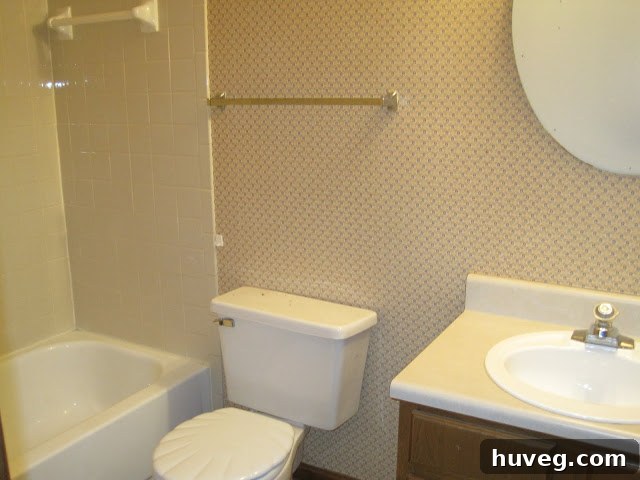
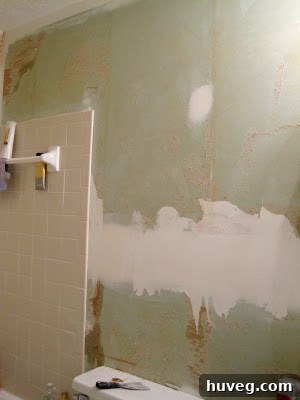
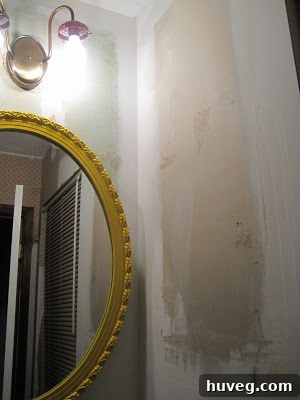
The first significant hurdle in my primary bathroom makeover journey has been successfully cleared! After what felt like an endless battle, I have finally removed every last scrap of the truly dreadful wallpaper that once covered these walls. This initial victory, however, has revealed the next formidable challenge: the “horrid mess” lurking underneath. This isn’t just a minor imperfection; it’s a testament to years of neglect and shortcuts, demanding thorough spackling, meticulous sanding, strategic priming, and ultimately, a fresh coat of paint to achieve the smooth, pristine canvas our dream bathroom deserves.
Embarking on a bathroom renovation, especially in an older home like mine, is rarely a straightforward task. It’s a journey filled with both anticipated challenges and delightful (or sometimes not-so-delightful) surprises. The removal of wallpaper, often seen as a relatively minor step, can quickly transform into an epic saga, testing patience and resolve. For this primary bathroom, the wallpaper wasn’t merely decorative; it was a relic, clinging stubbornly to the walls, hinting at the layers of history and perhaps even past DIY endeavors that lay beneath. Achieving a flawless finish requires meticulous attention to detail at every stage, especially during surface preparation.
The Unveiling: From Wallpapered Walls to Raw Potential
Peeling back the layers of dated wallpaper is a moment of mixed emotions. There’s the immense satisfaction of seeing it come down, revealing more of the original wall, but also the apprehension of what might be hidden beneath. In my case, what emerged was a patchwork of damaged drywall, adhesive residue that seemed fused to the plaster, and a series of historical repairs – or rather, quick fixes – that now needed proper attention. This is the reality of many home improvement projects: an initial cosmetic change often uncovers deeper structural or preparatory issues that must be addressed for a truly lasting and beautiful result. Understanding these underlying issues is critical for a successful DIY bathroom remodel.
The Art and Science of Wallpaper Stripping: Tips for DIYers
For anyone contemplating a similar project, understanding the nuances of wallpaper removal is key. Not all wallpapers are created equal, and neither are their adhesives. Some modern wallpapers are designed for easy peel-off removal, making the process relatively painless. Older wallpapers, especially those that have been painted over or applied directly to unprepared drywall, can be a different beast entirely. My experience here fell squarely into the “beast” category, requiring maximum effort for effective wallpaper removal.
The process typically involves scoring the wallpaper to allow a stripping solution to penetrate, then patiently scraping. Scoring tools create tiny perforations without damaging the drywall beneath, crucial for letting the solution work its magic. For stubborn areas, steaming can be invaluable, softening both the paper and the adhesive, making it easier to lift away. Persistence is paramount, as is the right set of tools: a sturdy scraper (with various blade widths), a spray bottle for solution, plenty of rags, and a significant amount of elbow grease. Safety glasses are also highly recommended, as bits of old paper and residue have a surprising way of finding their way into one’s eyes. This stage of the renovation, though messy and labor-intensive, is incredibly therapeutic once you see the old, tired walls giving way to fresh, albeit raw, surfaces, laying the groundwork for a stunning home improvement.
Preparing the Canvas: Spackle, Sand, Prime, and Paint for a Flawless Finish
With the wallpaper finally gone, the real work of surface preparation begins. This phase is non-negotiable for a professional-looking finish in any bathroom renovation. Skipping these steps is a common mistake that leads to visible imperfections and a less durable paint job. The walls, post-wallpaper, were a tapestry of small holes from picture hooks, dents, gouges from aggressive scraping (a learning curve!), and the tenacious remnants of adhesive. Each of these imperfections must be addressed to ensure a smooth, uniform surface ready for painting. This preparation is foundational for lasting beauty in your DIY home remodel.
Spackling and Patching: Filling in the Gaps for Smooth Walls
The first order of business is to meticulously inspect every square inch of the walls for imperfections. Small holes and cracks are filled with spackle, applied thinly with a flexible putty knife. For larger areas of damage, such as missing chunks of drywall or deeper gouges, drywall joint compound (also known as mud) offers more structural integrity and a smoother finish. It’s a process that demands patience and an eye for detail, ensuring each repair blends seamlessly with the surrounding wall. Remember, multiple thin coats are always better than one thick coat, as this allows for proper drying, minimizes shrinkage, and prevents cracking, ensuring a durable repair.
The Crucial Step of Sanding: Achieving a Silky Smooth Surface
Once all the spackle and compound are completely dry, sanding transforms the rough patches into smooth surfaces. This isn’t just about aesthetics; a perfectly smooth wall ensures even paint application and a professional finish. Using a fine-grit sandpaper (typically 150-220 grit) and a sanding block or pole sander, I carefully smoothed out all the patched areas, blending them into the existing wall. This step generates a significant amount of fine dust, so proper ventilation, such as opening windows and using fans, and personal protective equipment, like a dust mask and safety glasses, are essential. After sanding, a thorough cleaning of the walls with a damp cloth or vacuum to remove all dust particles is critical; any dust left behind will compromise paint adhesion and create a bumpy texture.
Priming for Perfection and Durability: The Unsung Hero of Painting
Priming is often overlooked but is arguably one of the most important steps in preparing your walls for paint. A high-quality primer serves several vital functions, especially in a high-moisture environment like a bathroom:
- Sealing: It seals porous surfaces, ensuring that the topcoat of paint adheres evenly and doesn’t soak in patchy, which can lead to an inconsistent, splotchy finish. This is especially important after wallpaper removal, where residual adhesive or raw drywall might be exposed.
- Stain Blocking: Many primers are specifically formulated to block stains, preventing any lingering wallpaper glue, water stains, smoke residue, or old, vibrant colors from bleeding through the new paint. This ensures your chosen paint color remains true and vibrant.
- Adhesion: It provides a consistent surface for the paint to grip, significantly improving paint adhesion and overall durability. A good primer creates a strong bond between the wall and the topcoat, preventing peeling and chipping over time.
- Color Uniformity: It creates a uniform base color, making the final paint color appear truer and often requiring fewer coats of expensive topcoat. This saves both time and money in the long run.
For my bathroom, I opted for a high-quality, mold-resistant primer specifically designed for humid environments. This ensures not only a beautiful finish but also long-term protection against moisture-related issues, making it a smart choice for a lasting bathroom makeover.
Unearthing Renovation Surprises: The Legacy of Previous Owners
As I’ve often remarked, the former owner of the UD house (or “Ugg-Duck” as it’s affectionately, or perhaps exasperatedly, known) certainly had a penchant for some truly unconventional approaches to home maintenance. Every renovation project in an older home seems to come with its own unique set of “surprises,” and this bathroom makeover has been no exception. These aren’t just minor quirks; they’re often ingenious (if misguided) shortcuts that leave future homeowners scratching their heads and reaching for the tetanus shot.
One particular discovery that stands out involves the window treatments. Why use proper screws, anchors, or even modern nails when rusty, corroded nails will do the trick? This kind of MacGyver-esque repair is amusing in retrospect but maddening in the moment. It necessitates careful removal, often leaving behind larger holes or damaged trim that then needs additional patching and repair – adding unexpected time and effort to the project timeline. Such “surprises” are a common theme in old house renovations and often become memorable anecdotes.
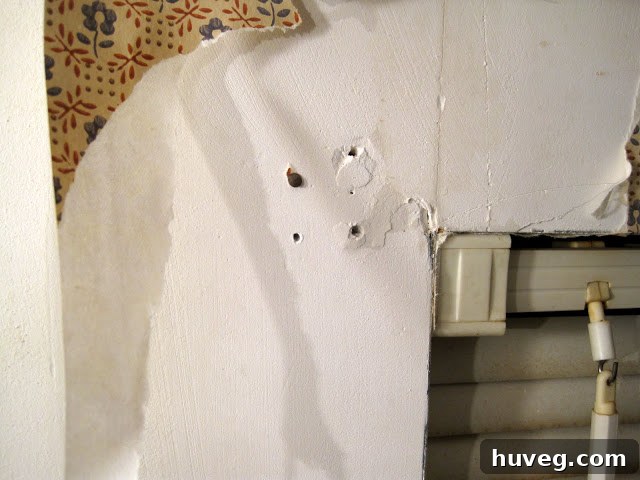
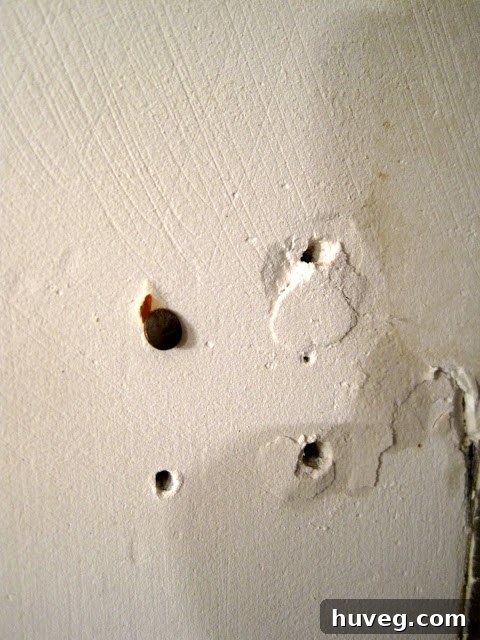
These discoveries, while frustrating, are also part of the charm of renovating an older home. Each peculiar shortcut or unconventional repair tells a story, reminding me that I’m not just updating a space but becoming part of its ongoing history. It reinforces the importance of doing things right, ensuring that my own work stands the test of time and doesn’t become another “quirk” for a future homeowner to ponder. Learning from past mistakes helps in creating a truly high-quality home improvement project.
The Gritty Reality of DIY: Dust, Paint, and Perseverance Pay Off
As anyone who has tackled a substantial DIY renovation knows, the process is far from glamorous. My hair has likely absorbed more paint and dust than any stylist would approve of, and my clothes are now a permanent testament to various project stages. This “worse for wear” appearance is a badge of honor in the DIY world. It signifies dedication, hard work, and the tangible effort put into transforming a vision into reality. I’m no stranger to the grime and grit that come with these projects; it’s an expected part of the journey, and frankly, a badge of honor for any dedicated home improver.
The immediate satisfaction often comes in small bursts – a patch perfectly smoothed, a section of wall flawlessly primed, or a particularly stubborn nail finally removed. These small victories fuel the larger effort. The overarching reward, however, is knowing that each meticulous step contributes to a solid, beautiful, and lasting outcome. It’s a marathon, not a sprint, and every messy moment is a step closer to the finished product. The satisfaction of a self-made beautiful space is unparalleled.
What’s Next for the Master Bathroom Makeover? A Glimpse into the Future
With the walls prepped and ready, the next exciting phase involves bringing color and life back into the space. Choosing the perfect paint color, one that evokes a sense of calm and luxury, is next on the agenda. This decision is crucial as color sets the entire mood of the bathroom. Beyond the paint, I’ll be moving on to upgrading fixtures, installing a new vanity, selecting modern lighting, and laying down flooring that complements the overall aesthetic. Each decision builds upon the last, slowly but surely shaping the ultimate vision for this primary bathroom.
I’m eager to share the progress with you as soon as I have something truly aesthetically pleasing to showcase! For now, patience, perseverance, and a strong commitment to doing things correctly are my guiding principles. Stay tuned for more updates as this ugly duckling house continues its transformation into a swan, one meticulously prepped wall at a time!