Securely Mount Floating Shelves on Tile Walls with Anchors

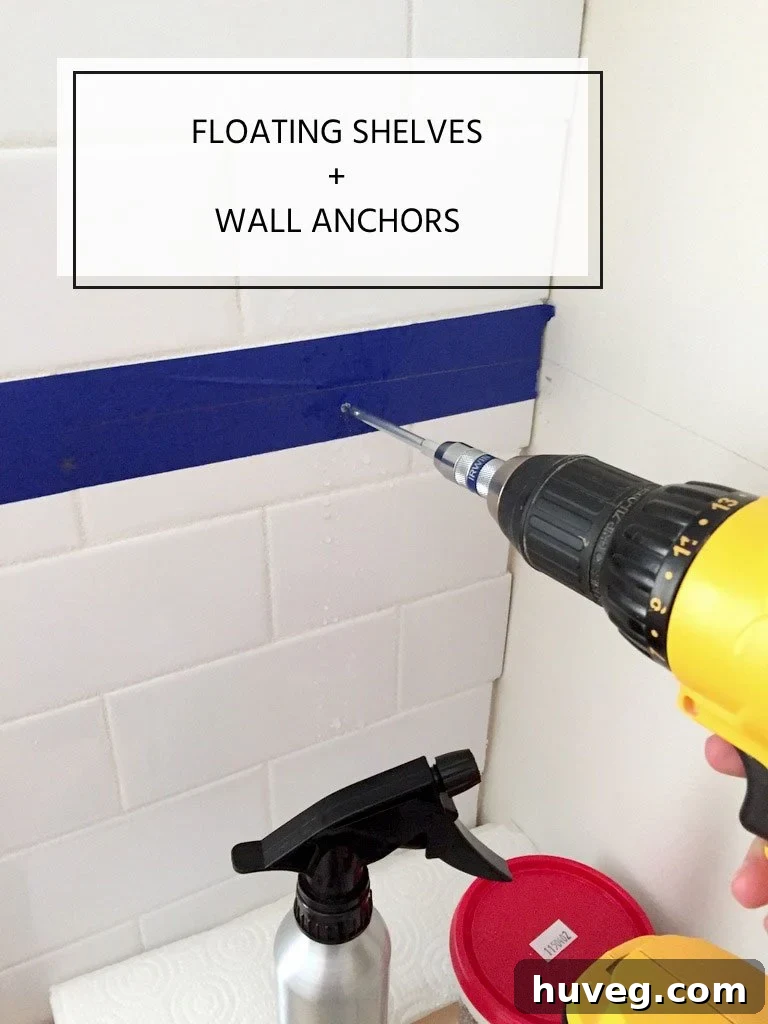
Installing floating shelves on a tile backsplash might seem like a daunting task, but with the right approach and proper tools, it’s an entirely achievable DIY project that can significantly elevate the aesthetics and functionality of any room. Today, we’ll guide you through the precise steps to ensure your shelves are not only beautifully integrated into your tiled wall but also robustly secured using reliable wall anchors. This method is particularly useful when you can’t locate wall studs behind your tile, providing a strong and safe foundation for your new storage or display solutions.
Our recent laundry room renovation included the addition of custom-built floating shelves, and the transformation has been remarkable! These shelves are exactly what we envisioned: generously wide, impressively solid, perfectly long, and crucially, not at all bulky. Achieving that sleek, non-chunky profile can often be challenging with floating shelves, but it’s entirely possible with careful construction and installation. While the full detailed tutorial for building these specific shelves will be shared soon, this post focuses on a critical aspect: securely mounting them into a tiled wall without relying on studs.
This comprehensive guide is designed to empower you with the knowledge to tackle tiled wall installations confidently. Whether you’re hanging floating shelves, a heavy medicine cabinet, a sturdy grab bar, or a simple towel rack, the principles of using wall anchors on a tiled surface remain largely the same. Let’s delve into the specifics and ensure your next home improvement project is a resounding success.
Achieving Rock-Solid Floating Shelves: Installing Wall Anchors on a Tiled Wall
The decision to install floating shelves often comes with the challenge of finding adequate structural support within your walls. In our laundry room, where a beautiful new tile backsplash now adorns the wall behind the washer and dryer, traditional stud placement simply wasn’t aligned with our desired shelf locations. Screwing shelf cleats directly into a hollow wall, even a tiled one, would offer minimal long-term support, leading to sagging or potential failure – a scenario no DIYer wants.
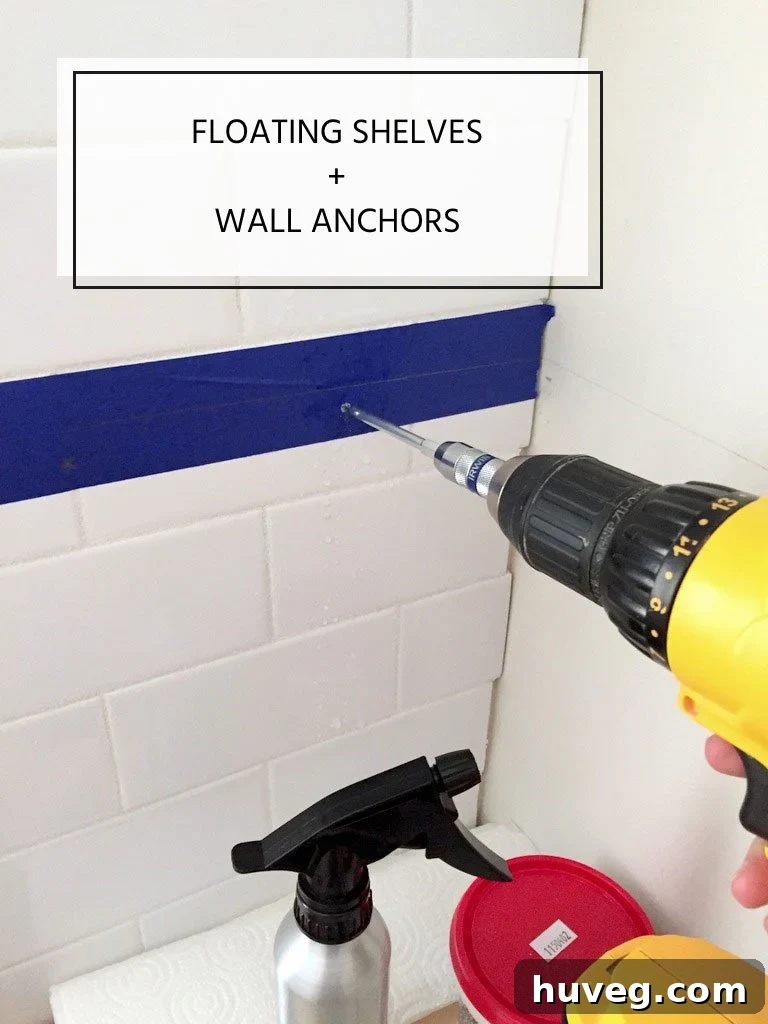
Given that our shelves were designed to be long, wide, and elegantly thin, ensuring the initial support cleats were immovably secure was paramount. This piece of the puzzle directly dictates the shelf’s ability to safely bear and distribute weight without compromise. This is where high-quality wall anchors become indispensable, transforming a potentially weak mounting point into a powerhouse of stability.
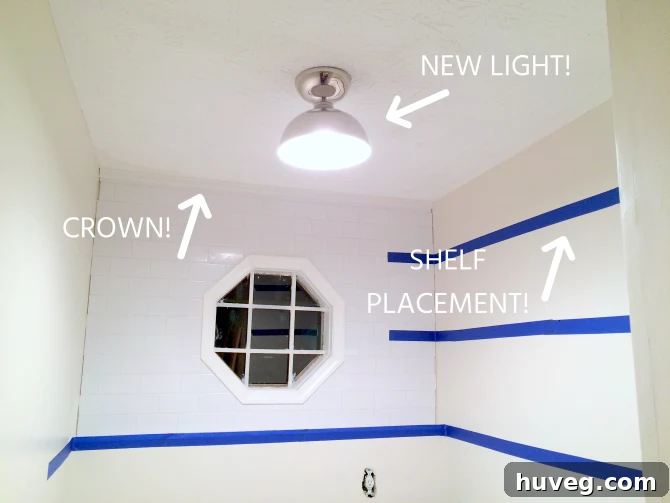
The use of robust wall anchors ensures that your floating shelves, or any other fixtures, are anchored directly into the drywall behind the tile, creating a powerful grip that can withstand significant loads. This method provides the flexibility to place your shelves exactly where you need them, regardless of stud availability, making it a game-changer for custom installations.
Essential Materials for a Secure Tile Installation:
Before you begin drilling, gather all your necessary tools and materials. Having everything on hand will ensure a smooth, uninterrupted process and contribute to a safer, more efficient installation. Pay close attention to the specifications, especially for drill bits and anchors, as they must be compatible for optimal performance and safety.
- 5/16″ Drill Bit for Ceramic/Glass Tile: The specific size of this bit is crucial and directly determined by the type and size of wall anchors and screws you plan to use. Always consult the manufacturer’s instructions on your chosen wall anchors for the recommended drill bit size to ensure a perfect match. Using the wrong bit can lead to chipped tiles or improper anchor seating.
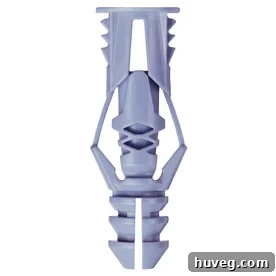
- #10 Cobra Triple-Grip (Blue) Anchors: These specific anchors are highly recommended for their superior gripping power and reliability in hollow walls, making them ideal for heavy-duty applications like floating shelves. While the link might show a different color, the blue version is typically the one offering this strength. (A helpful tip from Pretty Handy Girl!)
- Cordless Drill: A powerful and reliable drill is essential for effectively boring through tough tile material. Ensure it’s fully charged before you start.
- 3-inch #10 Drywall Screws: The length of your screws is vital. These 3-inch screws are designed to pass through a standard 1.5-inch wide 1×2 shelf cleat and extend fully into the 1.5-inch length of the wall anchor, allowing it to expand correctly. Adjust screw length if your cleat material is thinner.
- Painter’s Tape: An indispensable tool for marking precise drilling locations and preventing your drill bit from slipping on the slick tile surface.
- Spray Bottle of Water: Crucial for cooling the drill bit as it works, preventing overheating, smoking, and potential damage to both the bit and the tile.
- Paper Towels: For cleaning up tile dust, water, and the resulting sludge during and after drilling.
- Pencil: For initial marking and ensuring accuracy.
- Level: Absolute precision is key for floating shelves. A reliable level ensures your measurements and holes are perfectly straight.
- Hammer (or Rubber Mallet): For gently tapping the wall anchors into their pre-drilled holes. A rubber mallet is preferable to minimize risk to the tile.
- Dust Mask: Tile dust can be harmful to your lungs. Always wear a dust mask to protect your respiratory system.
- Screwdriver: For tightening screws into the anchors.
- Safety Glasses: Protect your eyes from flying debris and dust during drilling.
Key Principles for Drilling Through Tile: Patience and Precision
Approaching tile drilling with the right mindset is crucial for a successful outcome. Remember these two fundamental rules:
- Slow & Steady Wins the Race: Rushing will only increase your chances of error, from chipping the tile to damaging your drill bit. Patience is your best friend in this process.
- Measure Twice, Drill Once: Unlike drywall, there’s no easy way to patch a hole in tile. Be absolutely certain of your marking before you commit to drilling.
While the idea of drilling into newly installed tile can feel intimidating, rest assured, it’s a manageable task. Many DIYers build it up in their heads to be more complex or terrifying than it actually is. Take a deep breath, trust the process, and you’ll find it’s well within your capabilities. The satisfaction of a perfectly installed shelf will be your reward!
Step-by-Step Guide to Installing Floating Shelves on Tile
Step 1: Precision Planning and Marking Your Drill Points
After all the effort poured into tiling the back wall of the laundry room, the last thing anyone wants is to drill in the wrong spot or, even worse, crack a tile by applying excessive pressure. Accurate measurement and marking are the foundation of a successful installation.
Begin by meticulously measuring and marking the desired locations for your shelf supports (typically 1×2 lumber) on the wall. For my project, I pre-drilled holes in the 1×2 support cleat first, then transferred those measurements directly to the tiled wall. To ensure perfect alignment and prevent the drill bit from wandering, apply painter’s tape to the tile surface at each marked drilling point. This tape serves a dual purpose: it gives you a clear visual target and provides a non-slip surface for your drill bit to start.
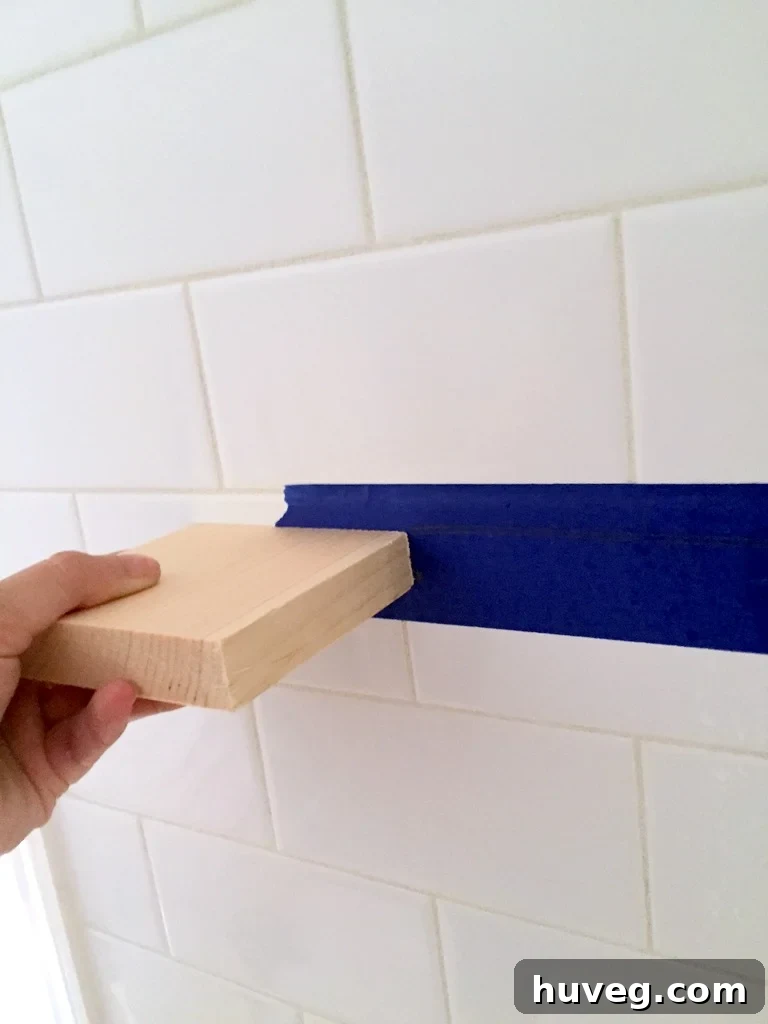
Using a reliable level is non-negotiable for floating shelves. After marking, use your level to draw a perfectly straight line along the top edge where your shelf support will sit. Since painter’s tape can sometimes be thicker than your actual support material, I recommend using a scrap piece of wood of the same thickness as your shelf cleat along with your level to ensure all your marks are correctly aligned and perfectly level. This extra step eliminates any guesswork and guarantees a visually pleasing result. Remember: your holes must be absolutely LEVEL! It bears repeating, as even a slight deviation can be noticeable once the shelves are installed.
Step 2: Drilling Through Tile – The Patient Approach
With your drilling locations precisely marked on the painter’s tape, it’s time to take the plunge. Before you begin, prepare your workspace. Fill a spray bottle with water and place paper towels beneath your drilling area to catch any drips and messy tile sludge. If you want to prevent water and dust from running down the entire wall, consider taping a folded piece of paper towel a few inches below your drilling spot; it will absorb moisture as you work. Additionally, always wear a dust mask to protect your lungs from fine tile dust and eye protection to guard against flying debris. It’s also wise to protect your floors, as tile dust can be abrasive and cause scratches.
Selecting the correct drill bit is paramount. Your chosen bit should explicitly state on its packaging that it’s suitable for the specific type of tile you’re drilling (e.g., ceramic, porcelain, glass). While some masonry bits can work for multiple materials, always check for specific compatibility; some are not recommended for ceramic tile. These specialized tile bits are usually found in the hardware section of your local home improvement store, often packaged and labeled separately from general-purpose drill bit sets. Furthermore, ensure the drill bit size corresponds to the wall anchors you’re using. The anchor packaging will typically specify the required drill bit diameter (e.g., a 5/16-inch bit for a 5/8-inch wall anchor).
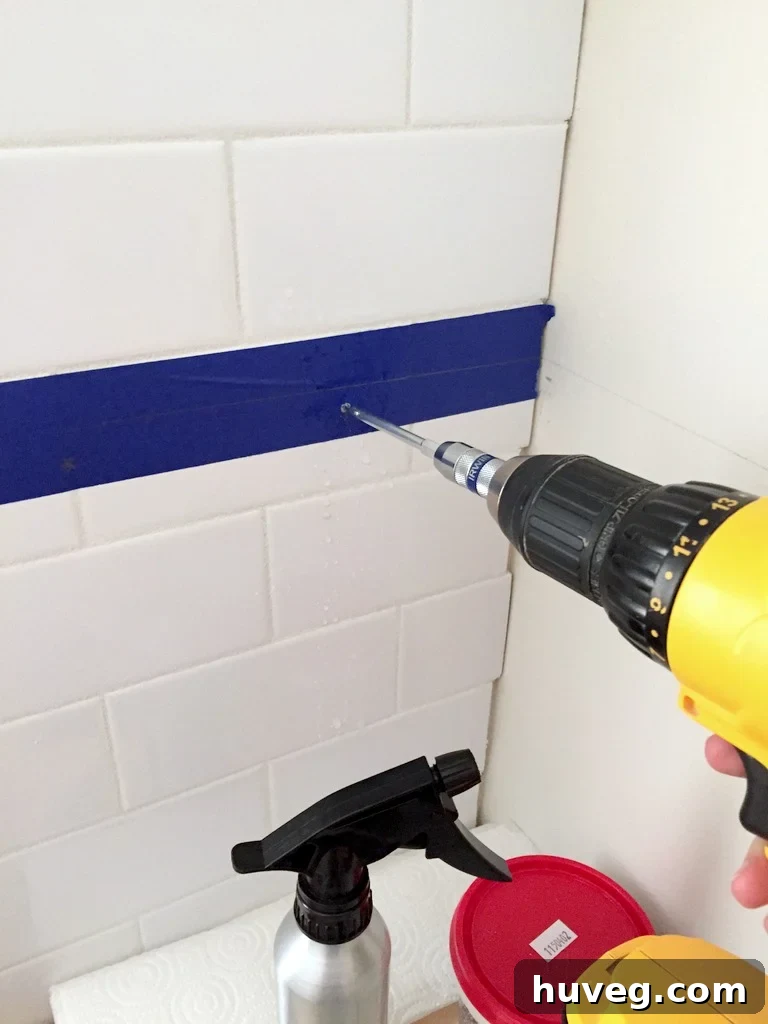
Once you have the proper bit loaded into your drill, begin drilling the first hole. Start very slowly, applying light, steady pressure. This initial slow speed helps the bit “bite” into the tile surface without slipping. As the drill bit starts to gain traction and create a small indentation, you can gradually increase your drill speed slightly. The friction generated during drilling will cause the bit to heat up rapidly, potentially even smoking. To counteract this, continuously spray water onto the drilling area. The water acts as a coolant and lubricant, protecting both your drill bit and the tile from overheating and cracking. Employ a “drill, spray, drill, spray” rhythm, maintaining a cool drilling surface throughout the process.
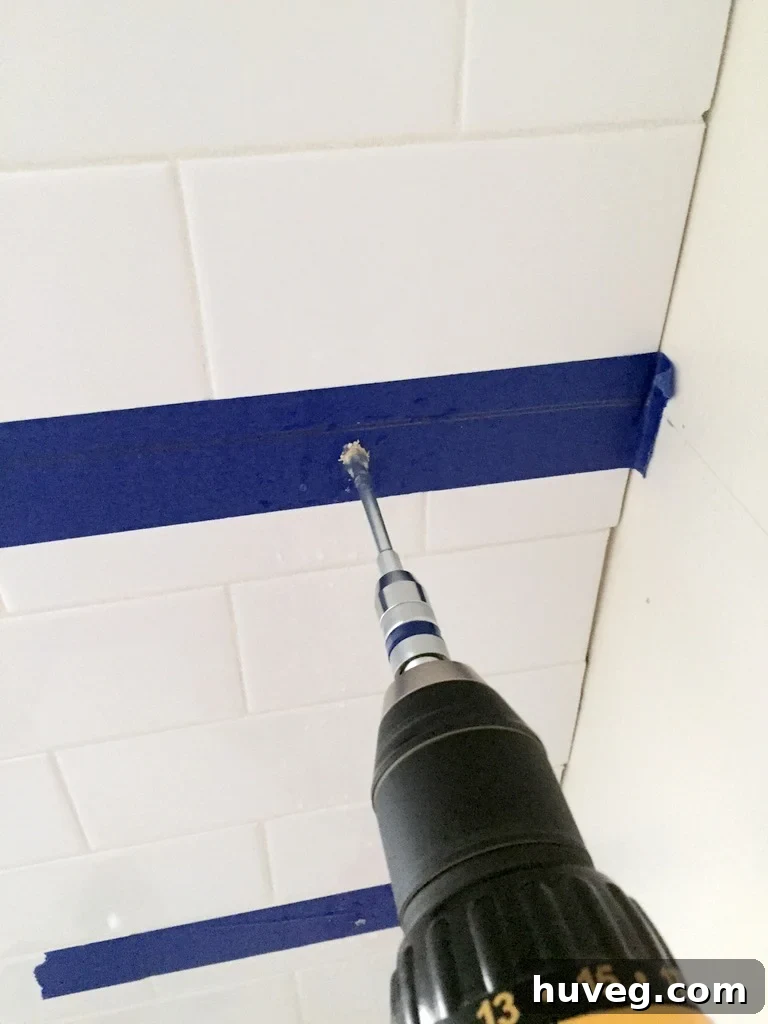
As you drill, the combination of tile dust and water will create a gritty, dirty sludge. It’s crucial to periodically clean this sludge off your drill bit to maintain its effectiveness and prevent it from clogging. Use paper towels to wipe the bit clean before moving on to the next hole.
Step 3: Cleaning and Preparing the Holes for Anchors
Once all your pilot holes are drilled through the tile, carefully peel off the painter’s tape. Use a damp paper towel to clean up any remaining tile dust and sludge from the wall surface. This leaves a clean working area and allows you to inspect your holes.
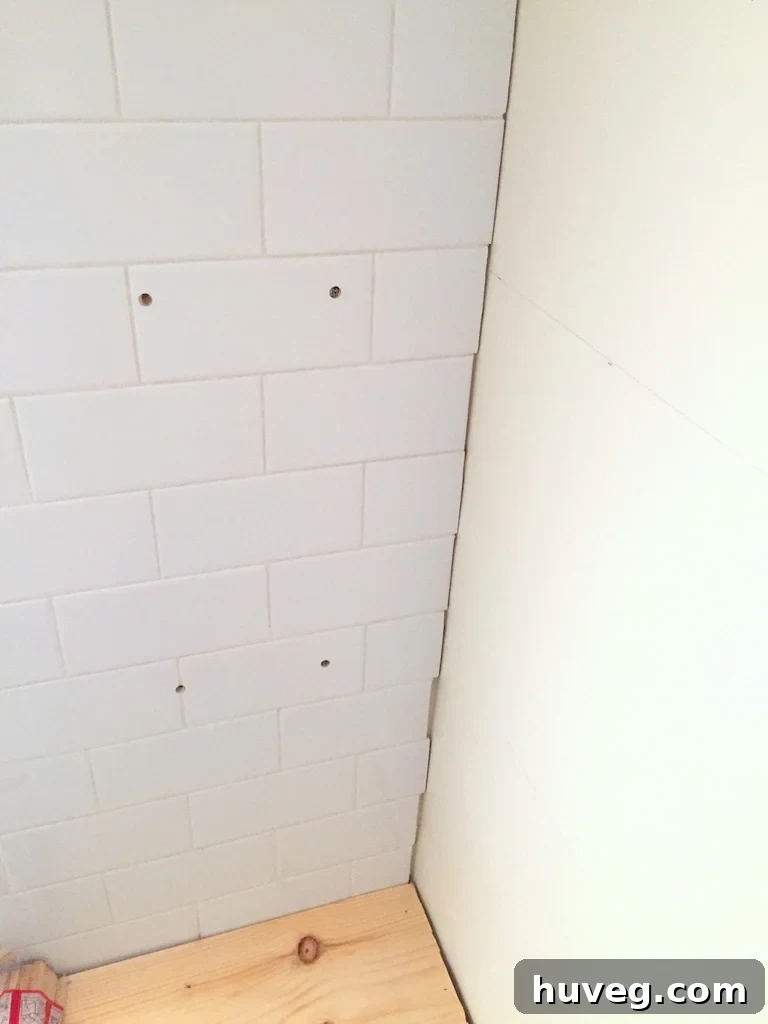
In some cases, even with the specialized tile bit, you might find the holes are still a tiny bit too snug for the wall anchors. This happened to me. If your chosen wall anchors come with their own dedicated drill bit, it’s a good idea to use it for a final, very gentle pass to slightly enlarge the hole to the exact anchor diameter. This minimizes the risk of chipping the tile or breaking the anchor when tapping it into place. While this second bit might cause a minuscule chip at the very edge of the tile hole (which will be covered by the anchor flange), it’s a small trade-off for a secure fit. Always ensure the hole is just large enough for the anchor to be tapped in without excessive force.
Step 4: Installing the Wall Anchors
With the holes properly sized and cleaned, it’s time to insert the wall anchors. Gently align each anchor with its respective hole and use a rubber mallet (or a regular hammer with a block of wood to protect the tile) to tap them flush with the tile surface. Avoid forceful hammering, as this can still damage the tile or the anchor itself.
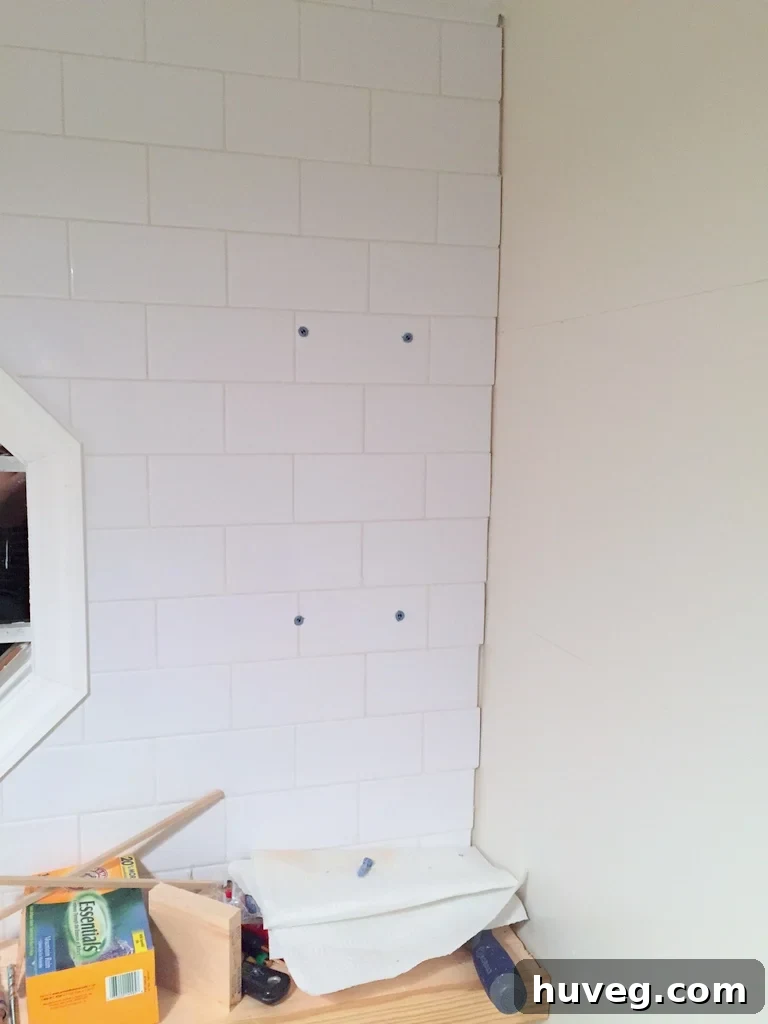
During installation, you might find that some anchors end up in the grout line while others land squarely on the tile. While not ideal for perfect consistency, it’s often an unavoidable aspect of working with existing tile. As long as the anchor is securely seated and doesn’t compromise the tile, these minor imperfections typically become completely unnoticeable once the shelf supports and shelves are installed. The robust design of anchors like the Cobra Triple-Grip ensures strong holding power whether in tile or grout.
Step 5: Securing the Shelf Supports and Completing Installation
With all your wall anchors firmly in place, you can now proceed to attach the first shelf support cleats to the tiled wall. Position your pre-drilled 1×2 support over the anchors, ensuring the holes align perfectly. Insert your #10 drywall screws into the pre-drilled holes in the cleat and into the wall anchors. Begin to tighten each screw with a screwdriver, turning it all the way in. The critical step here is to ensure the screw fully engages the anchor, causing its internal mechanism (such as the “wings” on the Cobra Triple-Grip anchors) to expand and create a powerful, secure grip within the hollow wall behind the tile. Despite some mixed reviews these anchors might receive from certain retailers, I’ve personally had zero issues and found them incredibly effective when installed correctly.
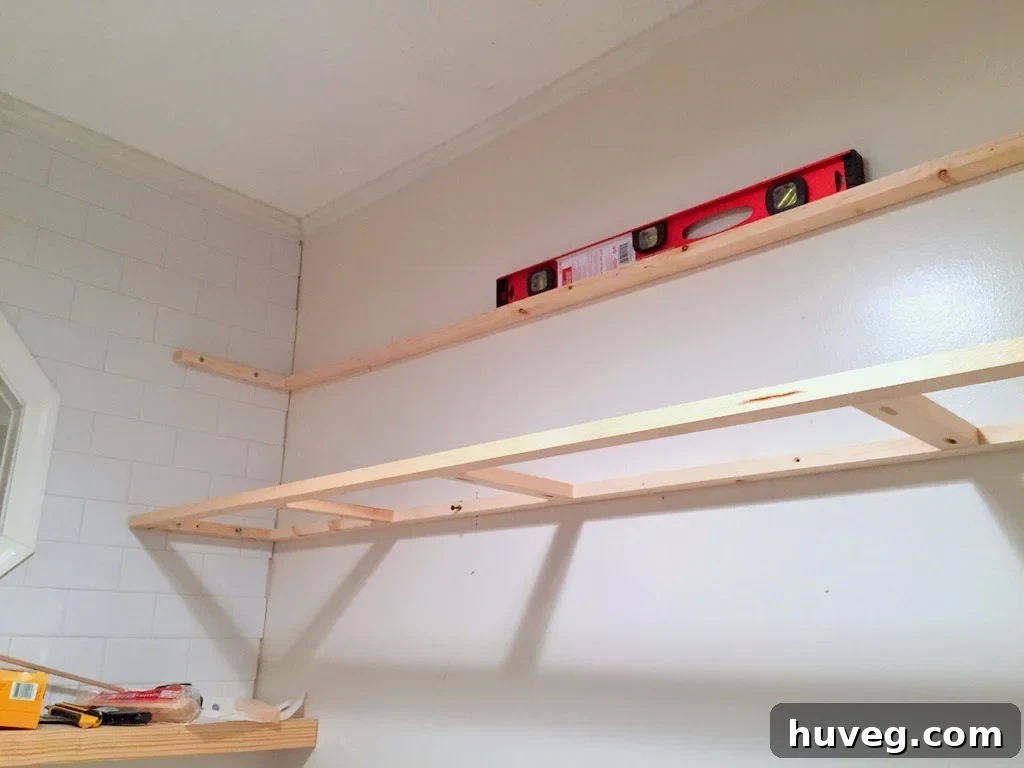
Once the initial support cleat is firmly secured, you have laid the groundwork for a sturdy floating shelf. From here, you can continue with the rest of your shelf installation, confident in the robust foundation you’ve created. This method provides immense stability, allowing your shelves to safely hold a variety of items, transforming your space into a more organized and aesthetically pleasing area. These shelves are now ready to play a significant supporting role in the ongoing laundry room makeover!
Tips for a Flawless and Long-Lasting Finish
Achieving a professional-looking and durable floating shelf installation on tile goes beyond just following the steps. Here are some additional tips to ensure your project is a complete success:
- Test Fit Everything: Before making any permanent modifications, always dry-fit your shelf supports and components. This helps identify potential issues with alignment, clearance, or measurements, allowing you to make adjustments before it’s too late.
- Don’t Rush Any Step: We’ve emphasized patience, but it bears repeating. Each stage, from marking to drilling to tightening, benefits from a deliberate and unhurried approach. Rushing increases the likelihood of mistakes that are difficult or impossible to correct.
- Prioritize Safety Gear: Beyond the dust mask and eye protection, consider gloves to protect your hands, especially when handling tile and tools. Ensure your workspace is well-lit and free of trip hazards.
- Understand Weight Capacity: While quality wall anchors are strong, always be mindful of their rated weight capacity. Factor in the weight of your shelves and the items you intend to place on them. If you plan to store very heavy objects, consider adding more anchors or exploring alternative heavy-duty anchoring solutions.
- Post-Installation Care: Once your shelves are up, periodically check the screws and anchors for any signs of loosening, especially after initially loading the shelves with weight. A quick check can prevent long-term issues.
Beyond Shelves: Versatile Applications for Tiled Walls
The technique for drilling into tile and securing items with wall anchors isn’t limited to floating shelves. This valuable skill set opens up a world of possibilities for enhancing other tiled areas in your home, particularly bathrooms and kitchens. Imagine securely mounting a robust grab bar in a shower for added safety, installing a sleek medicine cabinet above a sink, or adding a stylish towel rack to keep your linens organized. The confidence gained from this project will empower you to tackle these and many other installations, ensuring that your fixtures are not only functional but also firmly and safely attached to your beautiful tiled surfaces. The principles of careful measurement, appropriate drill bit selection, and patient execution remain universally applicable, transforming previously challenging projects into rewarding DIY accomplishments.
Conclusion: Embrace Your Inner DIYer
Successfully installing floating shelves on a tiled wall is a testament to careful planning, the right tools, and a patient approach. By utilizing sturdy wall anchors and following these detailed steps, you can achieve a professional, durable, and stylish result that enhances your home’s functionality and aesthetic appeal. Don’t let the thought of drilling into tile deter you from creating the custom storage solutions you envision. With these techniques, you’re well-equipped to transform your tiled spaces.
Now that your supports are securely in place, you’re ready to complete your floating shelf project! The full floating shelf tutorial is now ready, too!
More Laundry Room Ideas: Transform Your Space
Eager to see how these shelves fit into the bigger picture? Check out the complete laundry room makeover reveal and discover even more inspiration for creating a beautiful and efficient space. A neglected laundry room can be transformed into a functional and inviting area with a few strategic DIY projects. Explore these tutorials below for creative makeover ideas and practical solutions to build a laundry room you’ll genuinely love.
SEE ALL LAUNDRY ROOM PROJECTS
-
Laundry Room Makeover: Art Inspired by Emily Jeffords
-
Reader Remarks: Top- or Front-Loading Washer?
-
Completed: Imperfect Crown Molding (& A Tool To Share)