Dummy Drawer Storage Hacks

Unlocking Hidden Kitchen Storage: Transforming False Sink Fronts into Functional Spaces
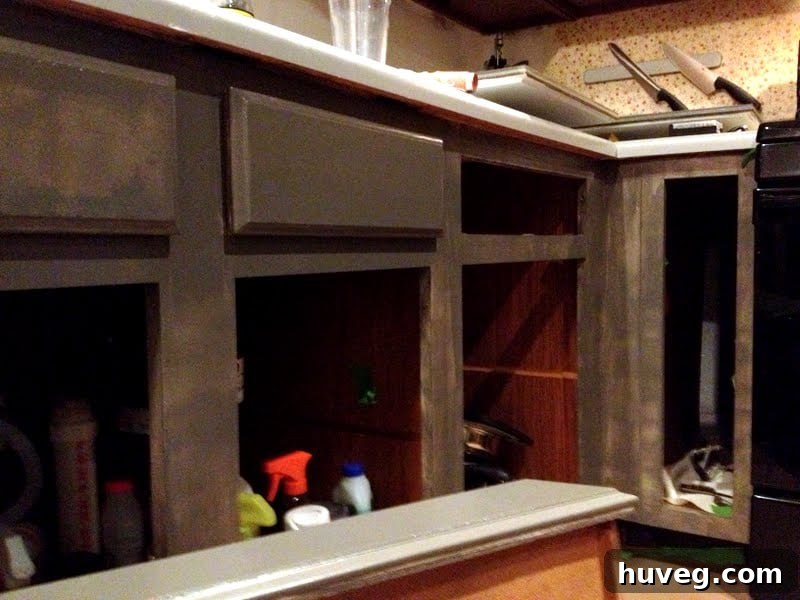
For years, I harbored a quiet resignation about the two panels directly beneath my kitchen sink. I simply assumed they were decorative, permanently screwed and glued into place, serving no other purpose than to conceal plumbing. Like many homeowners, I’d seen beautifully organized kitchens online with clever under-sink storage, but I always felt my setup was different, an immovable fixture. The panels were stubbornly affixed, refusing to budge with gentle exploration, so I did what any frustrated DIYer might do: I painted them right along with the rest of the cabinets, accepting their fate as mere aesthetic facades.
The Deceptive Nature of False Drawer Fronts and My Under-Sink Woes
This long-standing misconception about my false sink fronts was, it turns out, entirely self-imposed yet entirely understandable given the circumstances. My home, often affectionately (or perhaps exasperatedly) referred to as the “Ugly Duckling House,” has a history of questionable installations and design quirks. From electrical oddities to plumbing puzzles, I’ve encountered my fair share of head-scratching moments. So, when these sink panels felt utterly immovable, it simply reinforced my belief that they were either custom-fixed or just another example of unique (read: inconvenient) craftsmanship.
The panels themselves looked like drawer fronts, complete with what appeared to be handles, yet they offered no access. They were rigid, unyielding, and seemed to be part of the fixed cabinet structure. This perceived permanence meant that valuable space, perhaps the most critical for everyday kitchen items like sponges, scrub brushes, and dish soap, remained an inaccessible void. My countertops, therefore, bore the burden of these essential cleaning tools, creating a perpetual state of minor clutter, despite my best efforts to maintain a tidy kitchen.
A Family Intervention: Unveiling the Simple Solution
My perspective, however, was about to undergo a significant shift, all thanks to a visit from my observant uncle. During a casual tour of the kitchen, his seasoned eye quickly spotted what I had overlooked for years. He approached the immovable panels with a different kind of curiosity, gently probing and inspecting. To my utter astonishment, he declared that these fronts were not, in fact, permanently fixed. The reason for their stubbornness was far simpler, and frankly, a bit infuriating: they were just very poorly installed.
Upon his deeper inspection, the true culprit was revealed. Behind each false drawer front, plastic turn clips are typically used to secure the panel while allowing for easy removal when needed. The intention is for these clips to be placed with enough clearance behind the panel so that they can pivot freely, locking and unlocking the front. However, in the case of the UDH kitchen, these crucial fasteners were positioned at the extreme ends of each panel. Once installed, this unfortunate placement meant that the plastic piece would immediately collide with the cabinet frame, effectively locking the panel in a way that made turning the clip nearly impossible without extreme force or specific tools. It was, as I sarcastically mused at the time, a stroke of “genius” in its flawed design.
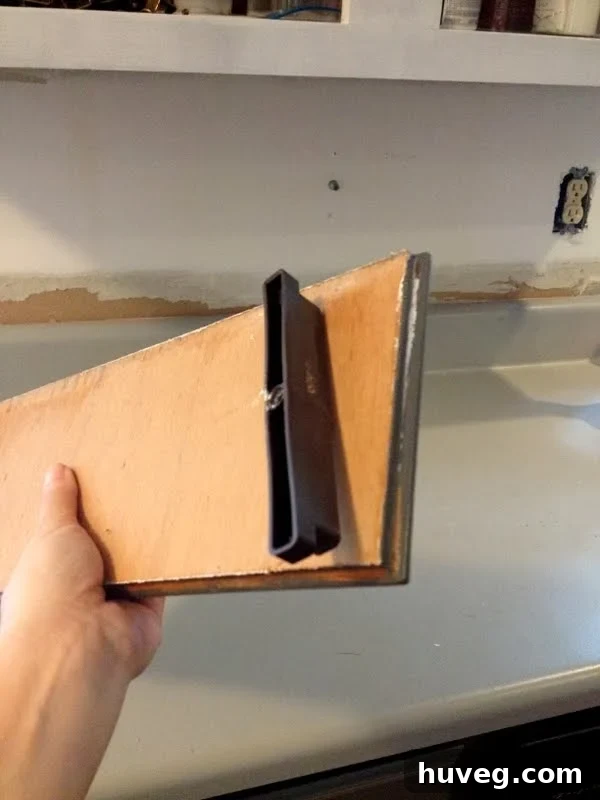
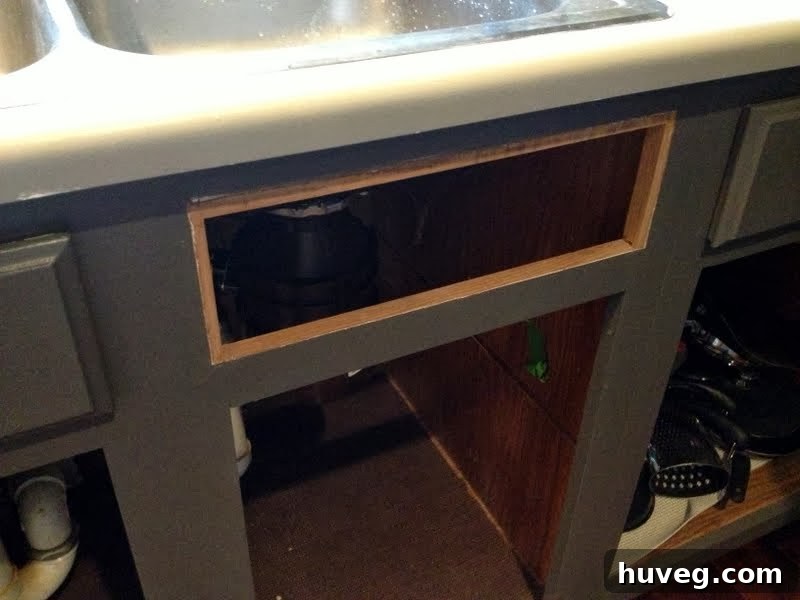
My uncle, with a practical mindset honed over years of DIY projects, didn’t hesitate. With a bit of strategic leverage and careful force, he managed to unfasten the wrongly placed clips and pop the panels off. He then repositioned them, screwing them into the correct location with ample radius, ensuring they could be easily turned and the panels removed or reattached as needed. While I don’t anticipate making a habit of removing them frequently (unless extreme boredom sets in!), the sheer liberation of knowing they can be removed was exhilarating. It suddenly opened up a world of possibilities for that previously dead space.
The Ultimate Kitchen Hack: Introducing Sink Front Tip-Out Trays
Just when I thought the discovery of removable false fronts was the peak of my unexpected learning experience, my aunt chimed in with an even more brilliant suggestion. She introduced me to the concept of “sink front tip-out trays.” These ingenious devices are specially designed hinges and trays that transform those formerly useless false panels into discreet, hinged drawers that tilt forward, offering hidden storage right where you need it most. It was an instant revelation – a perfect solution to the long-standing problem of countertop clutter around the sink area.
The immediate appeal was undeniable. No longer would sponges, scrub brushes, or even small bottles of dish soap need to occupy precious countertop real estate or be relegated to a messy caddy inside the sink. These tip-out trays offer a dedicated, out-of-sight home for these frequently used items, allowing them to air dry while remaining easily accessible. It’s a simple, elegant upgrade that not only enhances the functionality of the kitchen but also significantly contributes to a cleaner, more streamlined aesthetic. This little detail can make a huge difference in the overall perception of kitchen tidiness and organization, something every homeowner strives for.
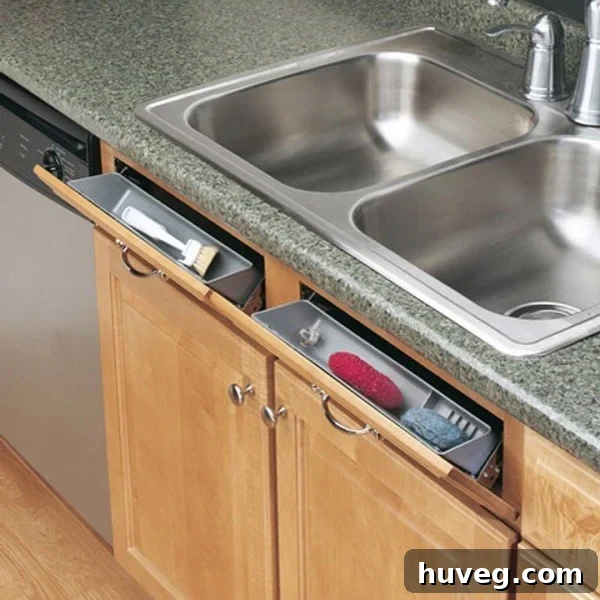
These incredibly practical sink front tip-out trays are readily available from various hardware suppliers and home improvement stores. They typically come as a kit, including the hinges and a plastic or stainless steel tray designed to fit within the shallow space behind the false front. The installation is generally straightforward, making it a highly achievable DIY project for most homeowners. It’s an affordable way to add significant value and convenience to your kitchen, turning a previously wasted space into a hardworking storage solution. This simple addition has the power to transform not just the functionality but also the visual appeal of your entire sink area, eliminating those unsightly countertop items and creating a more serene environment.
Why Every Kitchen Needs a Tip-Out Tray
- Enhanced Organization: Say goodbye to cluttered countertops. Sponges, scrub brushes, dishcloths, and even small bottles of hand soap can be neatly tucked away, yet remain within arm’s reach for daily tasks. This specialized storage keeps your most frequently used cleaning tools organized and easily accessible, reducing visual noise in the kitchen.
- Improved Hygiene: Storing damp sponges and brushes in a closed cabinet can lead to mildew and odors. Tip-out trays often feature a slatted design or are made from materials that allow for better air circulation, helping items dry more efficiently and promoting a more hygienic environment. This prevents the unpleasant dampness often associated with under-sink storage.
- Maximized Space: In any kitchen, especially smaller ones, every inch counts. False drawer fronts represent a shallow but often forgotten sliver of space. Converting these into tip-out trays fully utilizes this otherwise dead area, providing invaluable storage without sacrificing existing cabinet space. It’s a clever way to add functional capacity without expanding your kitchen’s footprint.
- Aesthetic Appeal: A clean and uncluttered countertop instantly elevates the look and feel of a kitchen. By moving cleaning essentials off the counter and into a hidden compartment, tip-out trays help maintain a sleek, minimalist aesthetic, contributing to a more sophisticated and enjoyable cooking environment. This subtle upgrade significantly impacts the overall cleanliness and design integrity of your kitchen.
Embarking on Your Own Tip-Out Tray Project: A DIY Guide
Inspired by my discovery, I strongly encourage you to take a closer look at your own kitchen sink. Do you have what appear to be fixed panels directly beneath it? With a little investigation, you might uncover hidden potential for smart storage. Start by gently pressing or wiggling the panels to see if there’s any give. If you locate plastic turn clips on the inside, as I did, examine their placement. Are they easily accessible, or are they obstructed? Sometimes, simply repositioning these clips can grant you instant access.
If your panels are truly fixed or you’re ready to upgrade, installing tip-out trays is a relatively straightforward DIY project. Here’s a basic overview of the steps involved:
- Assess Your False Fronts: Measure the width and height of your existing false fronts to ensure you purchase tip-out tray kits that will fit the available space. Consider the depth as well, as some trays might be shallower than others.
- Gather Materials: You’ll need the tip-out tray kit itself (which includes hinges and trays), a screwdriver (manual or powered), a drill with appropriate bits for pilot holes, a measuring tape, and possibly a pencil for marking.
- Remove False Fronts: If your fronts are already removable, carefully take them off. If not, you may need to gently pry them or carefully remove any existing screws that hold them in place. Be cautious not to damage the cabinet frame.
- Install Hinges: Follow the manufacturer’s instructions for attaching the special tip-out hinges to the inside of your false drawer fronts and to the cabinet frame. Accurate measurements are key here to ensure the trays open smoothly and close flush. Drilling pilot holes before screwing will prevent wood splitting.
- Attach Trays: Once the hinges are in place, the plastic or metal trays typically clip or screw onto the hinge mechanism. Test the movement and make any necessary adjustments to ensure a perfect fit and operation.
This project is generally considered beginner-friendly, requiring basic tools and a modest amount of time. The satisfaction of transforming a useless space into a functional storage area is incredibly rewarding.
Beyond the Sink: More Clever Kitchen Storage Solutions
While tip-out trays are a fantastic solution for under-sink clutter, the journey to a truly organized kitchen often involves exploring other clever storage hacks. Consider investing in drawer dividers for cutlery and utensils, or expandable organizers for pots and pans. Vertical space is often underutilized; think about wall-mounted shelves, magnetic knife strips, or tiered pantry organizers to maximize storage without expanding your kitchen’s footprint. Every nook and cranny has the potential for smart storage, turning your kitchen into a highly efficient and enjoyable space.
My Next Steps: Completing the Kitchen Transformation
With the mystery of the false fronts solved and the exciting prospect of tip-out trays ahead, my kitchen transformation journey continues. The immediate next step for me is to tackle the remaining exposed oak on the inside of the cabinet. While the exterior of the cabinets has been painted, ensuring the interior matches will create a cohesive and finished look, elevating the entire under-sink area. It’s these small, often overlooked details that truly complete a DIY project and contribute to a polished result. As soon as I wash another paintbrush, that will be my focus!
This unexpected discovery, sparked by a simple family visit, has reinforced a fundamental truth about homeownership and DIY: sometimes the most impactful improvements come from uncovering simple solutions to long-standing annoyances. What started as a fixed, painted facade is now on its way to becoming an ingenious storage solution, keeping my kitchen tidy and efficient. I encourage you to look at your home with fresh eyes; you never know what hidden potential, or what helpful advice, might be waiting to transform your space. Share your own surprising discoveries or clever kitchen hacks – I’d love to hear them!