The Ultimate Painter’s Tape Showdown FrogTape vs Blue Tape

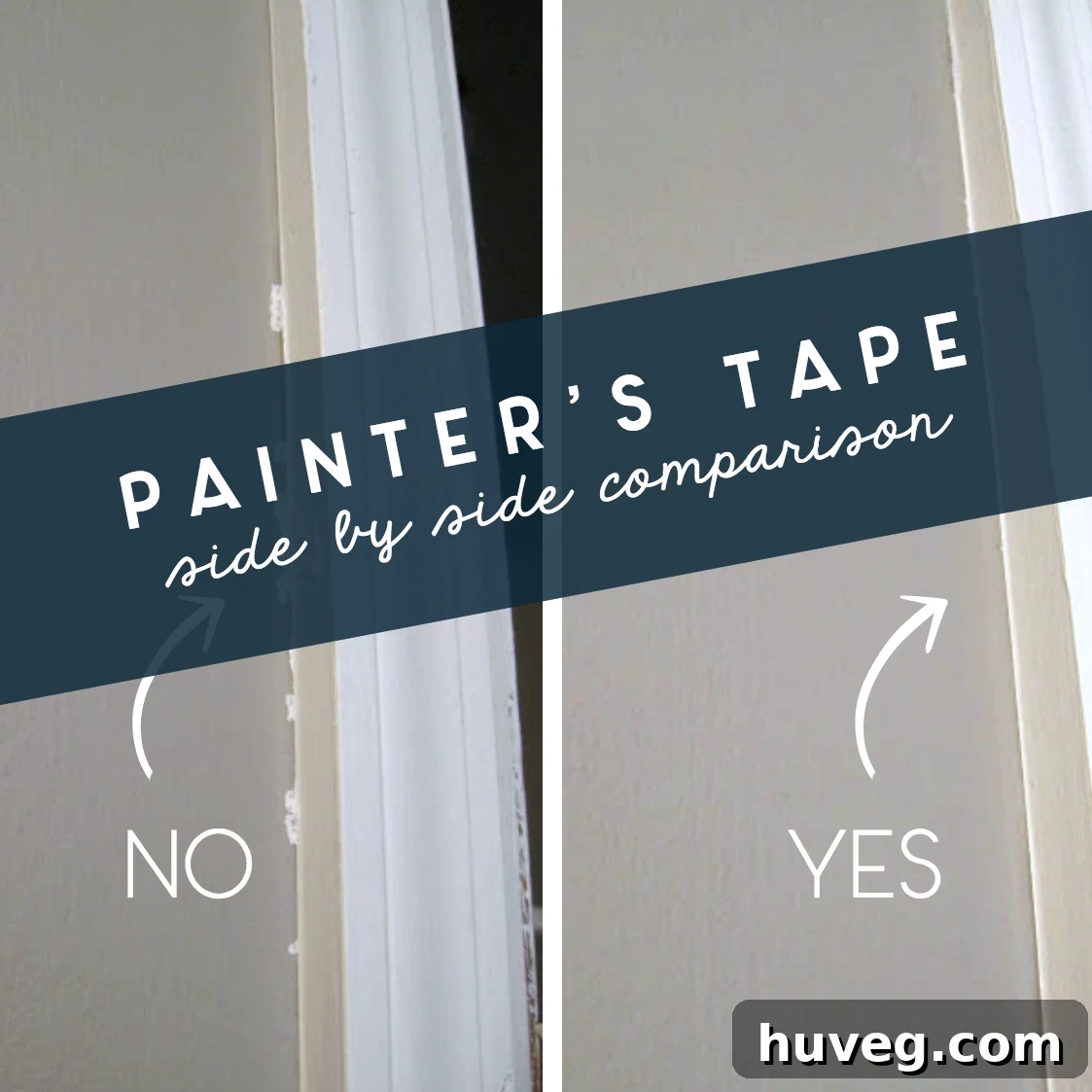
FrogTape vs. Blue Tape: The Ultimate Battle for Crisp Paint Lines
Achieving impeccably sharp paint lines is a hallmark of a professional-looking DIY project. For many homeowners and DIY enthusiasts, the choice of painter’s tape can make or break the final result. In this comprehensive guide, we delve into a popular debate: which reigns supreme for clean lines – FrogTape Multi-Surface Painters Tape or Scotch Blue Painter’s Tape? Having recently completed a significant “paintover” in my primary bedroom, I’ve put both to the test and am ready to share my definitive preference and the results that led to it.
Painting can be a transformative experience, but nothing sours the satisfaction faster than jagged edges and paint bleed. While some seasoned painters master the art of “cutting in” without tape, most of us rely on this indispensable tool to achieve those crisp, professional-grade lines. My recent bedroom renovation, which involved tackling stubborn 1980s orangey-wood trim, presented the perfect opportunity for a side-by-side comparison. The sheer volume of trim demanded an efficient solution, and painter’s tape promised to speed up the endless coats. So, I grabbed both FrogTape and Scotch Blue and taped my way around the room, mixing them as convenience dictated. The insights gained from this real-world application are invaluable, and I believe the answer to our central question is a resounding YES, the tape you choose truly makes a difference!
Understanding Painter’s Tape: Beyond Basic Masking
Before diving into the direct comparison, it’s crucial to understand why a specialized product like painter’s tape is necessary, distinguishing it from standard masking tape. Many DIYers might wonder why they can’t just grab any roll of tape from their toolbox. The key lies in its design and technology.
Painter’s Tape vs. Masking Tape: What’s the Real Difference?
While often confused, painter’s tape and masking tape serve distinct purposes due to their differing adhesive properties and materials. Masking tape, typically beige, is designed for general-purpose applications like bundling, labeling, or light masking. Its adhesive is stronger and can leave residue or pull off paint layers if left on for too long, especially on freshly painted or delicate surfaces. It also lacks the edge-sealing technology needed for truly crisp paint lines, often leading to frustrating paint bleed.
Painter’s tape, on the other hand, is specifically engineered for painting. It features a medium-tack adhesive that provides a secure bond to surfaces without causing damage or leaving sticky residue upon removal, provided it’s removed within the recommended timeframe. This medium adhesion is vital to prevent lifting existing paint or drywall paper, making it suitable for a variety of surfaces. Beyond adhesion, modern painter’s tapes incorporate advanced technologies to prevent paint bleed, which is the ultimate goal.
The Innovation of PaintBlock Technology
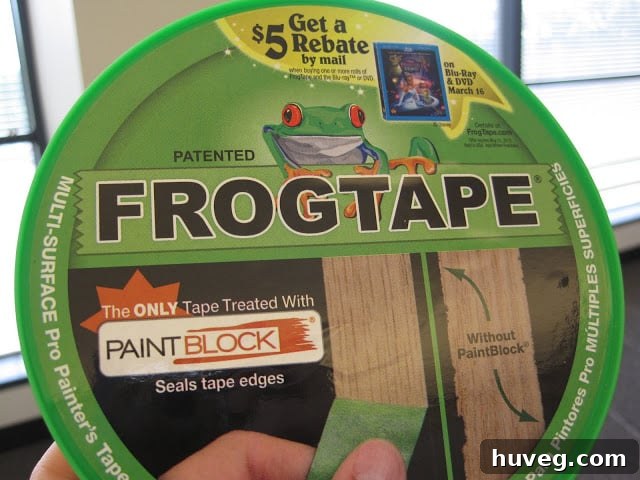
FrogTape, in particular, stands out with its proprietary “PaintBlock Technology.” This isn’t just a marketing gimmick; it’s a clever innovation. When latex paint comes into contact with the tape’s edges, the PaintBlock polymer reacts with the water in the paint to form a micro-barrier. This barrier instantly seals the tape’s edge, preventing paint from seeping underneath and creating those dreaded fuzzy lines. It essentially creates a gel-like seal, ensuring that your paint stays exactly where it should be. This technology is a game-changer for anyone seeking truly professional-grade sharp edges without extensive touch-ups.
Achieving Flawless Paint Lines: Essential Tips for Any Tape
Regardless of the brand you choose, proper application and removal techniques are paramount for achieving the best possible results. Even the most advanced tape won’t perform optimally if used incorrectly. Here are my top tips for getting those coveted sharp paint lines:
- Surface Preparation is Key: Ensure the surface you’re taping is clean, dry, and free of dust or debris. Any loose particles can compromise the tape’s adhesion, leading to bleed. For old walls and trim, consider minor repairs or cleaning to create a smooth, consistent surface for the tape to adhere to.
- Apply Firmly and Evenly: Once the tape is in place, firmly press down along the entire length of the tape, especially the edge that will meet the paint. Use a putty knife, a credit card, or even your fingernail to burnish the edge. This action activates the adhesive and creates the tightest possible seal, minimizing any gaps where paint could seep through.
- Choose the Right Tape for the Surface: Not all painter’s tapes are created equal, and many brands offer different adhesion levels. If you’ve painted the walls within the last 72 hours or are working on delicate surfaces like wallpaper or recently applied finishes, opt for a “low adhesion” or “delicate surface” painter’s tape. For FrogTape, this is often yellow instead of green; with Scotch, it’s purple. These tapes are designed to be gentler, reducing the likelihood of peeling off fresh paint or delicate materials.
- Don’t Overload Your Brush/Roller: Apply paint in thin, even coats. Overloading your brush or roller can force paint under the tape, especially if the tape isn’t perfectly sealed. Multiple thin coats are always better than one thick coat.
- Peel While Wet (for the final coat): This is one of the most critical steps. For the absolute cleanest lines, remove the tape when the final coat of paint is still slightly wet to the touch. If the paint dries completely, it can form a film over the tape’s edge, causing it to crack or tear as you pull the tape, leading to jagged lines or paint lifting. If you’re doing multiple coats, it’s fine to let the initial coats dry, but ensure the final coat is wet when peeling.
- Peel at a 45-Degree Angle: Slowly and steadily pull the tape back on itself, away from the freshly painted surface, at a 45-degree angle. This gentle, controlled motion helps create a cleaner break in the paint film and reduces the chances of lifting existing paint.
- Go Slow and Steady: Resist the urge to rip the tape off quickly. Rushing the removal process significantly increases the risk of jagged lines, paint lifting, or even damage to the surface beneath. Patience is key for pristine results.
The Side-by-Side Showdown: Results and Analysis
In my primary bedroom, I strategically used both FrogTape and Scotch Blue Painter’s Tape on different sections of the 1980s trim. The results were quite illuminating, revealing clear distinctions in performance.
Scotch Blue Tape Results
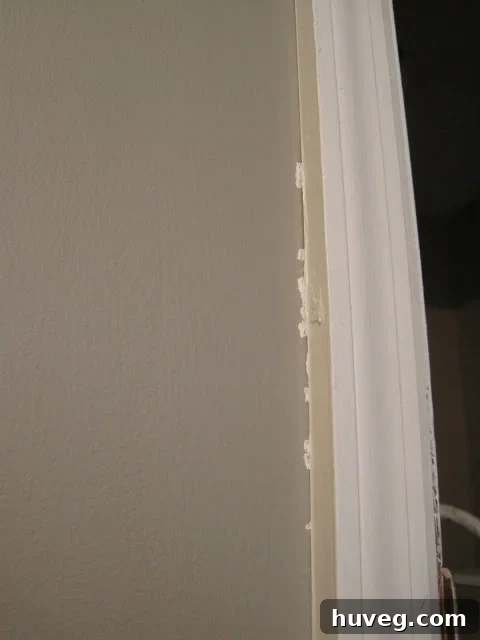
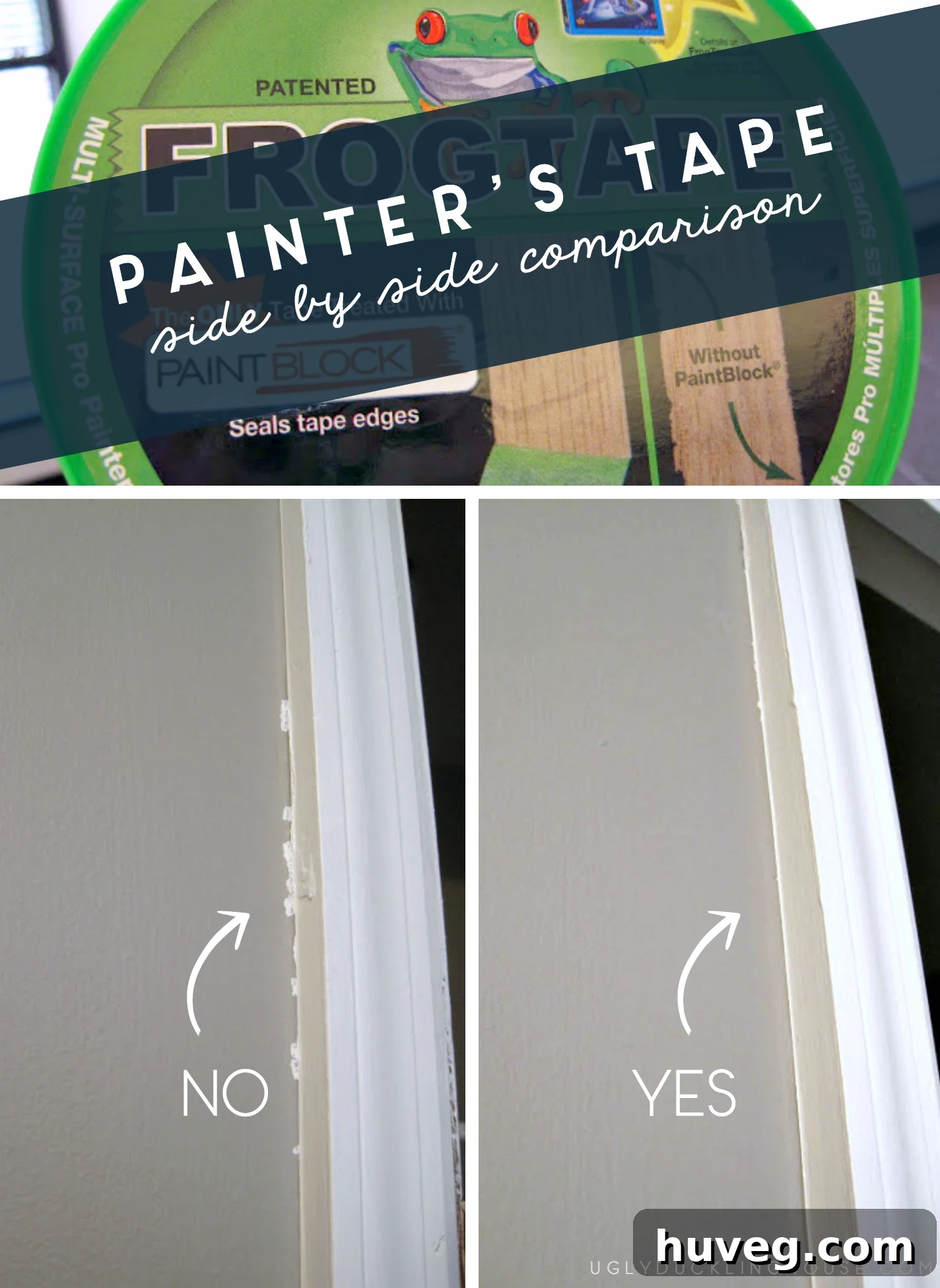
The standard blue painter’s tape is a widely recognized and trusted product, and it certainly gets the job done for many general painting tasks. However, in my specific scenario with old, previously unpainted trim and walls that likely have minor imperfections, I observed a noticeable amount of paint bleed. This often manifested as fuzzy edges or small blotches where the paint seeped under the tape. As someone who strives for perfection in DIY projects, these imperfections necessitated numerous touch-ups. This added significant time and effort to the project, turning what should have been a satisfying reveal into an additional chore.
Upon reflection, I considered whether re-caulking around the entire trim edge before painting would have mitigated some of the bleed with the blue tape. While caulk can certainly help seal gaps, applying it to every inch of trim in a large room is a labor-intensive and costly undertaking, adding another layer to the project. The ideal scenario is a tape that performs well even on slightly imperfect surfaces, minimizing the need for such extensive pre-work.
FrogTape Results
The difference with FrogTape was immediately apparent and significantly more impressive. While no tape can guarantee 100% perfection on every surface, especially in an older home with its charming imperfections, FrogTape delivered remarkably cleaner lines with minimal paint bleed. The need for touch-ups was drastically reduced, saving me precious time and frustration. Even my boyfriend, who wasn’t aware I was conducting a tape comparison, pointed out the discrepancies. “What happened there? *points to white blotches*” he asked, unknowingly highlighting the areas where the blue tape had underperformed.
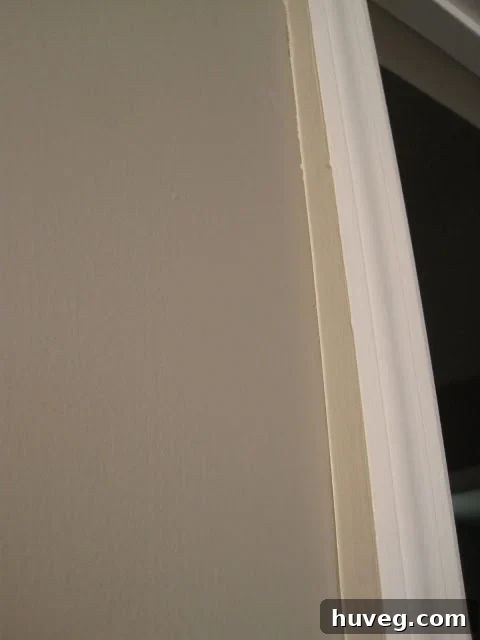
Yes, FrogTape tends to be a bit more expensive than its blue counterpart. However, the cost difference is, in my opinion, well worth it. Considering the amount of trim in my house and the cumulative effort saved on meticulous touch-ups, the value proposition is clear. The time and aggravation saved easily justify the slightly higher price point. I have become a true fan! Over the years, I’ve continued to experiment with various brands of painter’s tape, but I consistently find myself returning to FrogTape for critical painting projects. Its PaintBlock seal and the consistent quality of the results are simply unmatched in my experience.
Final Verdict and Beyond
For achieving truly sharp, professional-looking paint lines with minimal effort, FrogTape consistently outperforms standard Scotch Blue Painter’s Tape. While blue tape can be adequate for less critical applications or when you have perfectly smooth, pristine surfaces, FrogTape’s PaintBlock Technology provides a significant advantage by actively sealing the tape’s edge against paint bleed, especially on textured or imperfect surfaces commonly found in older homes.
My experience in the primary bedroom, and subsequent projects like the half-painted walls in my office/dining room, has solidified my preference. For clean, crisp edges that elevate your DIY painting projects, investing in FrogTape is a decision you won’t regret. It saves time, reduces frustration, and delivers results that speak for themselves.
Of course, painter’s tape is just one tool in a vast arsenal of painting techniques. For those who prefer to hone their freehand skills, be sure to explore my tips on how to perfect straight lines along trim and corners without using painter’s tape at all. Whether you choose tape or freehand, mastering the art of painting can transform your home!
Ready to tackle more home improvement projects? I cover a wide array of project topics, including drywall repair, effective staining techniques, and essential DIY 101 guides. Don’t miss out on future insights and inspiration—subscribe today for a continuous flow of innovative ideas and helpful tutorials!
More Paint Guides
SEE ALL PAINT
Learn to paint like a pro with these easy-to-follow quick start guides:
-
How to Paint a Mural: A Pro’s Step by Step Guide
-
How to Paint a Door (without taking it off the hinges)
-
How to Paint a Paneled Door
-
101: 10 Tips and Techniques to Paint Like a Pro
-
How Do You Hue?
-
How to Paint Cabinets Without Sanding