The Shelf Liner Rug Pad Hack

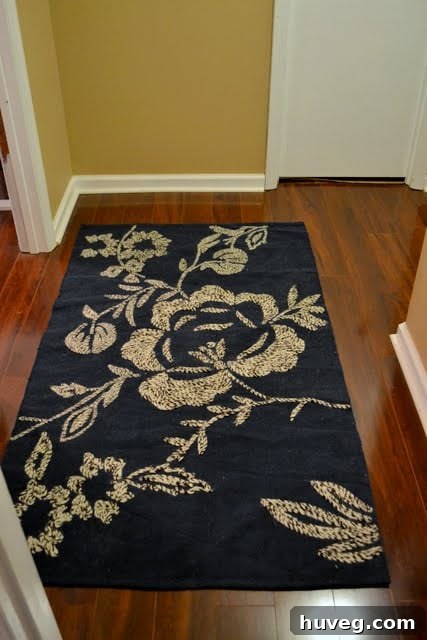
No More Slipping: The Ultimate Guide to Anti-Slip Rug Solutions for a Pet-Friendly Home
There’s nothing quite like the warmth and joy a furry companion brings to your home. For me, the most delightful part of waking up each morning is the enthusiastic greeting from Charlie, my energetic puppy. As soon as she’s released from her crate – a temporary measure until she reaches her first birthday – she bursts into the primary bedroom, her tail wagging with such vigor that her entire body becomes a blur of happy wiggles. This daily ritual is a true testament to the unconditional love our pets offer, filling our lives with boundless energy and laughter.
However, this delightful morning routine sometimes comes with a minor household challenge. Charlie’s exuberant dash often takes her across the beautiful new rug in our upstairs hallway. While her playful spirit is endearing, the rug, unfortunately, reacts to her sudden bursts of speed in a rather inconvenient way:
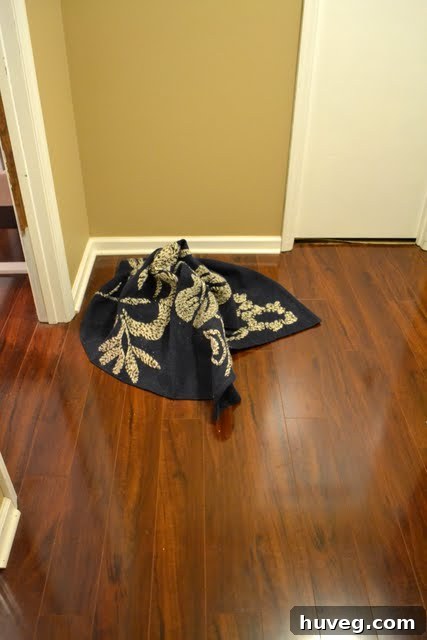
The rug ends up bunched, folded, and completely out of place, creating an unsightly mess and a potential tripping hazard. Faced with this daily occurrence, a dilemma arose: I absolutely have to keep the dog – she’s family! And I genuinely want to keep the beautiful new rug, which ties the hallway’s decor together perfectly. But the prospect of straightening it out every single morning was far from appealing. Something had to be done to maintain both my sanity and the aesthetic of my home. What was the best course of action?
The Persistent Problem of Slippery Rugs: More Than Just an Annoyance
Slippery rugs are a common household issue, often dismissed as a minor inconvenience, but they pose significant risks and challenges. Whether it’s a playful puppy like Charlie, a bustling family, or even just the daily foot traffic, rugs placed on smooth surfaces like hardwood, laminate, or tile can easily shift, slide, and bunch up. This isn’t merely about aesthetics; it’s a matter of safety and home maintenance.
Understanding Why Rugs Slip
- Lack of Friction: The primary reason rugs slip is the absence of adequate friction between the rug’s backing and the smooth flooring surface. Many modern rugs have slick backings that offer no grip.
- High Traffic Areas: Hallways, entryways, and living rooms naturally see more foot traffic, increasing the likelihood of rugs moving out of place.
- Pet Activity: Pets, especially active dogs and cats, can easily dislodge rugs with their sudden movements, turns, and playful antics, as evidenced by Charlie’s morning sprints.
- Movement of Furniture: Even light furniture placed on rugs can cause them to shift if the rug itself isn’t anchored.
The Dangers and Drawbacks
Beyond the visual clutter of a misaligned rug, there are tangible dangers:
- Tripping Hazards: Bunched-up or sliding rugs are a leading cause of falls in the home, potentially leading to serious injuries for children, adults, and the elderly.
- Pet Injuries: Pets can also slip and injure themselves, particularly older animals with mobility issues or puppies still developing coordination.
- Floor Damage: A shifting rug can scratch or scuff delicate flooring surfaces, especially if there’s grit trapped underneath it.
- Premature Rug Wear: When rugs constantly move and rub against the floor, their fibers can wear down faster, shortening their lifespan.
- Noise and Echoes: While not directly related to slipping, a rug without a proper pad won’t absorb sound as effectively, leading to a noisier environment.
Clearly, finding an effective solution for a slipping rug is not just about convenience; it’s about creating a safer, more pleasant, and well-maintained living space for everyone, including our beloved pets.
The Traditional Route: Are Commercial Rug Pads Worth the Investment?
The most widely recognized solution for preventing rugs from slipping is a dedicated rug pad. These pads are designed to sit between your rug and the floor, providing a crucial layer of grip and stability. Beyond their primary anti-slip function, quality rug pads offer several additional benefits, including cushioning, sound dampening, and protecting your flooring from abrasive rug backings.
Types of Commercial Rug Pads:
- Natural Rubber Pads: Excellent grip, durable, and breathable. Ideal for hard floors as they won’t stain or leave residue.
- Felt Pads: Primarily offer cushioning and insulation. Often combined with rubber for grip, as felt alone isn’t non-slip.
- Felt & Rubber Combination Pads: The best of both worlds, offering superior cushioning, sound absorption, and strong grip.
- PVC/Vinyl Pads: More affordable, but can sometimes degrade or leave marks on certain floor types over time.
- Eco-Friendly Options: Made from recycled materials or natural fibers, appealing to environmentally conscious consumers.
The Cost Barrier of Quality Rug Pads:
While effective, the main drawback of commercial rug pads often comes down to cost. For a quality pad that truly delivers on its promises, you can expect to pay a significant amount, sometimes almost as much as the rug itself. For example, a standard 5×8 rug pad, depending on material and thickness, can range anywhere from $30 to $100 or even more at retailers like Target, Home Depot, or specialty rug stores. Even for smaller rugs, the price can quickly add up. My initial search for a pad for my hallway rug, similar to these options at Target, revealed that the size I needed would start around $15, climbing to approximately $30 for a more common 5×8 size.
This pricing structure often makes homeowners hesitant, especially when outfitting multiple rugs or dealing with budget constraints. The thought of spending nearly double the amount just to keep a rug in place can be a deterrent, pushing many to seek more cost-effective alternatives. This financial barrier was precisely what sparked my own quest for a creative, budget-friendly solution to Charlie’s morning rug-shifting antics.
The “Aha!” Moment: Repurposing Shelf Liner as an Anti-Slip Solution
Standing in the aisle, contemplating the hefty price tag of commercial rug pads, a familiar material caught my eye: shelf liner. As I held a roll in my hand, feeling its textured, non-adhesive surface, a lightbulb went off. This material, often used to prevent dishes and glasses from sliding in cabinets, shared striking similarities with the anti-slip properties of conventional rug pads. Both are designed to create friction without adhering permanently, making them perfect candidates for holding items in place.
The DIY Process: Simple, Quick, and Cost-Effective
I realized I had some leftover shelf liner tucked away in my pantry from a recent kitchen organization project. This discovery sealed the deal – it was time for a DIY experiment! The process was incredibly straightforward and required minimal effort and tools:
- Measure the Rug: I first measured the dimensions of my hallway rug to determine the exact size needed for the anti-slip layer.
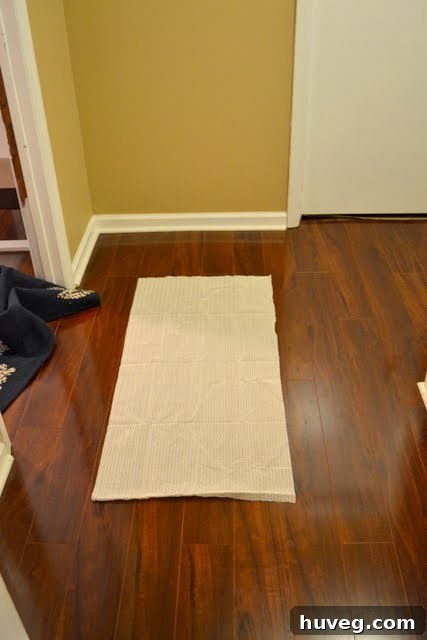
- Cut the Liner to Size: Using a pair of scissors, I carefully cut the shelf liner to be slightly smaller than the rug itself – typically about an inch or two shorter on each side. This ensures the liner remains hidden underneath the rug and doesn’t peek out.
- Placement: I then simply laid the cut piece of shelf liner directly onto the clean floor where the rug would sit, making sure it was flat and smooth.
- Position the Rug: Finally, I carefully placed the rug on top of the shelf liner, aligning it properly.
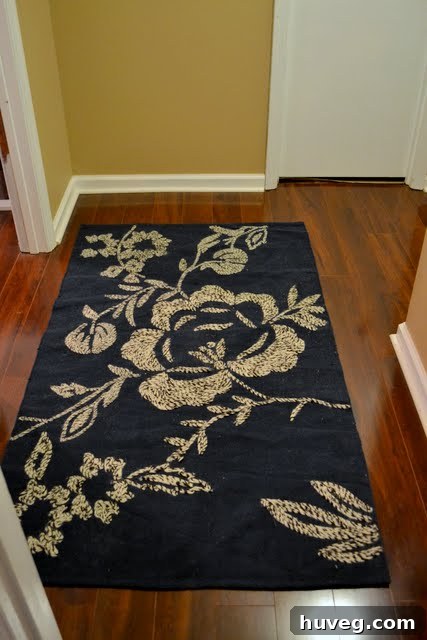
And just like that, the problem was solved! The moment of truth arrived the next morning when Charlie embarked on her usual energetic dash. To my delight, the rug remained perfectly in place, unbunched and uncreased. Of course, from a visual standpoint, seeing the rug look exactly as it did before applying the anti-slip pad might seem a bit anticlimactic. But isn’t that precisely the point? The best solutions are often those that seamlessly integrate into our lives, making a big difference without drawing attention to themselves. The success of this simple hack brought immense satisfaction – a quick, inexpensive fix that restored order to my morning routine and hallway decor.
Evaluating the DIY Shelf Liner Pad: Pros, Cons, and When to Opt for Alternatives
The shelf liner hack proved to be a fantastic, immediate solution for my specific situation, offering a quick and incredibly cost-effective way to secure a smaller rug. However, like most DIY solutions, it comes with its own set of advantages and limitations. Understanding these can help you decide if it’s the right approach for your needs.
Advantages of Using Shelf Liner as a Rug Pad:
- Unbeatable Cost-Effectiveness: This is arguably the biggest draw. Shelf liner is significantly cheaper than dedicated rug pads, especially if you already have some leftover material.
- Easy Accessibility: Shelf liners are readily available at almost any home goods store, grocery store, or dollar store.
- Simple Implementation: No special tools or skills are required. A pair of scissors and a few minutes are all you need.
- Effective for Small Rugs: For entryway mats, small bathroom rugs, or narrow hallway runners like mine, it provides excellent grip and prevents shifting.
- Repurposing: It’s a great way to use up leftover material, reducing waste and encouraging resourcefulness.
Limitations and When to Consider Alternatives:
While brilliant for certain scenarios, the shelf liner method has its drawbacks, particularly for larger rugs or specific floor types:
- Size Constraints: Shelf liners typically come in narrow widths, usually 12 or 20 inches. For larger rugs, this means you’d have to tape multiple strips together to cover the entire area. This process can be cumbersome, leading to an uneven surface and potentially reducing the overall effectiveness and durability. In such cases, the minimal cost savings would hardly be worth the effort involved.
- Lack of Cushioning: Shelf liners are thin. They offer excellent grip but provide no additional cushioning or comfort underfoot, which is a key benefit of thicker felt or rubber rug pads.
- Limited Floor Protection: While they prevent direct abrasion from the rug backing, they don’t offer the same level of impact absorption or protection against heavy furniture as a robust commercial pad.
- Durability in High-Traffic Areas: For rugs in very high-traffic zones, a thin shelf liner might degrade faster than a purpose-built rug pad, requiring more frequent replacement.
- Potential for Residue: While most modern shelf liners are non-adhesive, extremely cheap or older varieties might, in rare cases, leave a slight residue over time on certain floor finishes, especially when exposed to heat or direct sunlight.
Recommended Alternatives for Larger Rugs and Beyond:
Given these limitations, especially for larger rugs where multiple strips would be required, I would generally recommend investing in a budget-friendly commercial rug pad. For this, a standout option I’ve discovered is the STOPP anti-slip rug pads from IKEA. These pads are consistently among the most affordable options on the market, typically ranging from $3.99 to $9.99 depending on size. They come in practical dimensions and can be easily cut to fit any rug shape or size, offering a superior solution without breaking the bank.
Furthermore, for those who prioritize maximum cushioning, sound dampening, or superior floor protection for valuable flooring (like antique hardwoods), investing in a high-quality felt and rubber blend rug pad from a specialized retailer might be the best choice. These pads, though more expensive, offer unparalleled benefits in terms of comfort, longevity, and floor preservation.
Keeping Your Rugs and Floors Happy: Maintenance Tips
Beyond choosing the right anti-slip solution, maintaining your rugs and their pads is crucial for longevity and performance. Regular care ensures your investment continues to protect your home and enhance its beauty.
- Regular Vacuuming: Vacuum your rugs regularly to remove dirt and debris, which can otherwise work its way under the rug and degrade the pad or scratch the floor.
- Check Pad Condition: Periodically lift your rug to inspect the anti-slip pad. Look for signs of wear, degradation, or if it’s starting to lose its grip. Replace it if necessary.
- Clean Floors Before Placement: Always ensure your floor is clean and dry before placing a rug and its pad. Dirt or moisture can compromise the pad’s effectiveness and potentially damage your flooring.
- Rotate Rugs: If possible, rotate your rugs every few months, especially in high-traffic areas. This helps distribute wear evenly and can extend the life of both the rug and the pad.
- Follow Cleaning Instructions: Adhere to the manufacturer’s cleaning recommendations for both your rug and your rug pad. Some pads are machine washable, while others may only require a simple wipe-down.
Conclusion: A Secure, Stylish, and Pet-Friendly Home is Within Reach
The journey from a slippery rug caused by an enthusiastic puppy to a securely anchored hallway has been an enlightening one, highlighting that practical home solutions don’t always require a hefty budget. Whether you opt for an ingenious DIY hack with shelf liner for smaller areas or invest in a value-for-money commercial pad like IKEA’s STOPP for larger rugs, the goal remains the same: to create a safe, tidy, and aesthetically pleasing home environment. Our pets bring so much joy and vitality into our lives; ensuring their playground (our home!) is also safe and functional for everyone is a small but significant act of love.
No longer do I need to re-adjust the rug each morning after Charlie’s energetic greeting. Instead, I can fully savor those precious moments of puppy love, knowing that our home is both beautiful and hazard-free. Choosing the right anti-slip solution not only enhances the lifespan of your rugs and protects your floors but also contributes to the overall peace of mind that comes from a well-ordered and pet-friendly living space. Embrace these simple solutions and enjoy a home where every wagging tail or happy stride leaves your rugs perfectly in place.