Consider It Handled

Transform Your Bedroom Sanctuary: A Comprehensive Guide to Duvet Covers and Effortless Styling
The bedroom, a personal sanctuary, deserves to be a haven of comfort and style. Often, the cornerstone of this aesthetic appeal lies in the bedding. A well-chosen duvet cover can instantly elevate the look and feel of your sleeping space, transforming it from mundane to magnificent. However, many homeowners encounter a common frustration when embracing duvet covers: the notorious issue of the comforter bunching up inside, leading to a lumpy, uninviting bed. This comprehensive guide will not only help you conquer this universal bedding dilemma but also walk you through styling your duvet cover, understanding sizing complexities, and making informed purchasing decisions to create the bedroom of your dreams.
Conquering the Common Conundrum: Battling the Bunch
Picture this: you’ve just invested in a beautiful new duvet cover, carefully selected to complement your bedroom decor. You painstakingly insert your cozy comforter, fluff it up, and smooth out the fabric, only to find it has shifted and bunched into an awkward, uncomfortable lump by morning. This phenomenon, where the comforter migrates within its cover, is a frustratingly common problem for duvet owners. Not only does it detract from the neat appearance of your bed, but it can also lead to uneven warmth distribution and a less comfortable night’s sleep. The constant need to readjust and reshake your duvet can quickly diminish the joy of your new bedding.
The Simple Solution: Duvet Clips to the Rescue
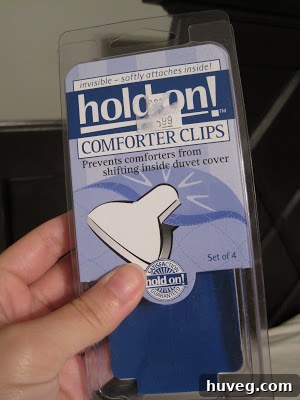
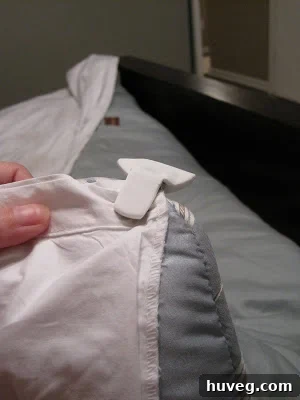
Fortunately, there’s an ingenious yet incredibly simple solution to this persistent problem: tiny duvet clips. These small but mighty accessories are a game-changer for anyone who has struggled with a wandering comforter. About the same size and shape as standard binder clips you might find at any office supply store, duvet clips are specifically designed for bedding. The key difference lies in their thoughtful design; they feature a bit of soft padding added to their ends. This crucial detail ensures that once clipped, you won’t feel any hard edges or metallic protrusions, guaranteeing your sleep remains undisturbed and comfortable. They securely grip both the comforter and the duvet cover, holding them in perfect alignment.
How to Apply Duvet Clips for a Flawless Fit
Applying duvet clips is an effortless process that takes just a few minutes, promising lasting results and a beautifully made bed every day. Follow these simple steps for a perfectly smooth duvet:
- Turn the Duvet Cover Inside Out: Lay your duvet cover flat on your bed or a clean floor, with the opening facing the foot of the bed. Ensure it’s completely inside out.
- Position Your Comforter: Gently place your comforter on top of the inside-out duvet cover. Align the corners and edges of the comforter with those of the duvet cover. It’s helpful to shake out your comforter first to ensure it’s evenly distributed.
- Clip the Corners: Starting with one corner, gather a small section of both the comforter and the duvet cover fabric. Securely fasten a duvet clip over both layers. Repeat this process for the remaining three corners. For larger comforters or those prone to shifting in the middle, you might consider adding an extra clip along the longer sides for enhanced stability.
- Turn Right Side Out: Once all corners are clipped, reach inside the duvet cover and grab the two top corners (which are now clipped to the comforter). With a gentle tug, flip the duvet cover right side out, allowing the comforter to fall naturally into place.
- Adjust and Smooth: Give the entire duvet a good shake to settle the comforter. Adjust any remaining fabric and smooth out the cover. You’ll immediately notice the difference: a perfectly aligned comforter, free from unsightly bunches and lumps.
The result is a perpetually neat and inviting bed, offering consistent warmth and a polished aesthetic that enhances your entire bedroom. This simple trick eliminates the daily chore of wrestling with your bedding, allowing you to enjoy the full benefits of your duvet cover without any of the hassle.
Beyond Function: Styling Your Bed with a Duvet Cover
While solving the bunching problem is a practical necessity, the true magic of duvet covers lies in their incredible styling potential. They act as a versatile canvas, allowing you to effortlessly refresh your bedroom decor with minimal effort and investment. My recent purchase from Homegoods—a white and burlap duvet cover—perfectly exemplifies this versatility, forming a serene foundation for future design elements.
The Power of Neutrality: A Canvas for Creativity
Opting for a neutral base, such as the white and burlap combination I chose, is a strategic design move. Neutral colors like white, beige, grey, and natural textures like burlap provide a calming, sophisticated backdrop that won’t compete with other elements in the room. This approach creates an expansive and airy feel, making the bedroom appear larger and more tranquil. More importantly, a neutral duvet cover offers unparalleled flexibility, serving as an ideal canvas for introducing bursts of color, pattern, and additional textures through accessories like throw pillows, blankets, and artwork. It allows you to experiment with different seasonal palettes or changing design preferences without having to replace your primary bedding.
Adding Personality Through Detail and Texture
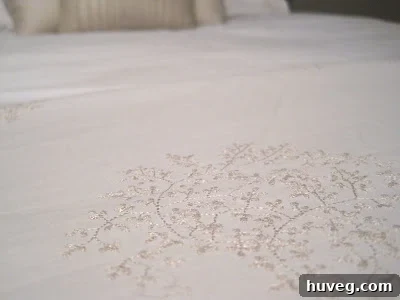
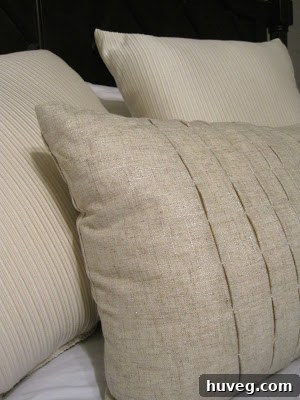
Even within a neutral palette, details and textures play a pivotal role in adding depth and character to your bedding. My new duvet cover showcases subtle yet impactful design elements. The small, delicately stitched beige flowers along the bottom hem of the duvet introduce a touch of organic charm and handcrafted appeal. These understated details catch the eye without overwhelming the overall aesthetic, proving that elegance often lies in the nuanced embellishments. Similarly, the accent pillow, with its textured fabric interwoven with silvery threads, adds a sophisticated shimmer and tactile interest, elevating the bedding ensemble from simple to chic. When selecting a duvet cover, pay attention to these intricate details—quilting patterns, subtle embroidery, fringe, or unique fabric weaves—as they contribute significantly to the perceived quality and visual richness of your bed.
Pillow Talk: The Art of Layering
Once your duvet cover provides the foundational style, pillows become your primary tool for injecting personality, color, and comfort. While my current setup uses a neutral palette, my plan includes introducing pillows that add vibrant color, creating a dynamic contrast. The art of layering pillows involves combining different sizes, shapes, and textures to create a lush, inviting look:
- Sleeping Pillows: Start with your standard sleeping pillows, often covered in pillow shams that match your duvet cover.
- Euro Shams: Add two or three large square Euro shams behind your sleeping pillows. These add height and a luxurious hotel-like feel. Choose them in a complementary solid color or a subtle pattern.
- Accent Pillows: This is where you can truly express your style. Introduce smaller, decorative throw pillows in various shapes (rectangular, round, lumbar) and textures (velvet, faux fur, knit). These are perfect for adding the pops of color or bold patterns that your neutral duvet cover allows for.
By thoughtfully arranging your pillows, you create a layered look that is both visually appealing and incredibly comfortable, turning your bed into the undeniable focal point of your bedroom.
The Unrivaled Versatility of Duvet Covers
Beyond their aesthetic appeal and problem-solving capabilities, duvet covers offer a host of practical advantages that make them a superior choice for modern bedding.
Ease of Care and Maintenance
One of the most significant benefits of a duvet cover is the ease of cleaning. Unlike bulky comforters that often require special oversized washing machines or professional dry cleaning, duvet covers are designed to be easily removed and laundered in a standard washing machine. This convenience means you can refresh your bedding as frequently as needed, ensuring a hygienic and fresh sleeping environment. Simply pop it in the laundry with your regular sheets, and you’re done. This ease of care significantly prolongs the life of your comforter by protecting it from daily wear and tear, spills, and allergens.
Styling Flexibility: A Design Chameleon
For those of us who enjoy refreshing our home decor or find ourselves “finicky about sticking to a design plan,” the flexibility of duvet covers is a dream come true. A duvet cover allows you to completely change the look and feel of your bedroom simply by swapping out the cover. Want a crisp, cool look for summer? A light linen duvet cover. Craving warmth and coziness in winter? A flannel or velvet option. Feeling adventurous with a bold pattern? Or perhaps serene with a solid color? The possibilities are endless. This allows for seasonal updates, trend experiments, or simply indulging a sudden change in taste, all without the significant expense of replacing an entire comforter or bedding set.

Navigating the Duvet Cover Market: What to Consider Before You Buy
While the allure of a new duvet cover is strong, it’s crucial to approach the purchase with a clear understanding of what you need. As I discovered, “not all duvet covers are created equal,” especially when it comes to sizing and quality. A little research goes a long way in ensuring your investment is a perfect fit.
Size Matters: The Critical Measurements
This is perhaps the most critical factor. Manufacturers often use standard terms like “Queen” or “Full/Queen,” but these labels can be deceiving. The actual dimensions of a “Queen” duvet cover can vary significantly, measuring anywhere from 88″ x 92″ (often called “mini” duvet covers) to 90″ x 98″ or even 92″ x 96″. The same applies to King and Full sizes. A mismatched duvet cover will inevitably lead to problems: a cover too large will cause excessive bunching and sagging, while one too small will compress your comforter and prevent it from lying flat. Therefore, before you even start shopping, meticulously measure your existing comforter. Note its exact length and width. I specifically chose my comforter with its size in mind, knowing it would pair well with certain duvet cover brands, such as Crate and Barrel’s, which are known for their consistent measurements.
Material Matters: Fabric Choices and Their Impact
The fabric of your duvet cover impacts everything from comfort and breathability to durability and aesthetics. Consider these popular options:
- Cotton: A perennial favorite for its breathability, softness, and durability. Options include percale (crisp, cool), sateen (smooth, lustrous), and flannel (warm, cozy).
- Linen: Known for its natural, relaxed look and exceptional breathability, linen gets softer with each wash. It’s perfect for a casually elegant feel.
- Microfiber: An affordable synthetic option that is soft, wrinkle-resistant, and easy to care for, though less breathable than natural fibers.
- Silk: Luxurious, smooth, and hypoallergenic, silk offers a decadent feel and excellent temperature regulation, but requires delicate care and comes at a higher price point.
- Blends: Often combine the best properties of different fibers, offering a balance of comfort, durability, and cost-effectiveness.
Choose a material that aligns with your climate, personal comfort preferences, and desired aesthetic.
Closure Types: Buttons, Zippers, or Ties?
The method of closure on your duvet cover can affect both convenience and durability:
- Buttons: A classic and aesthetically pleasing option. Ensure buttons are well-sewn and spaced appropriately to prevent gaping.
- Zippers: Offer a sleek, discreet closure that is quick and easy to use. Look for durable, hidden zippers.
- Ties: Often found on more rustic or bohemian styles, ties provide a charming, decorative closure, but can be more time-consuming to secure.
Budgeting for Bedding: High-End vs. Affordable Options
Duvet covers range widely in price, from budget-friendly options to luxury investments. While I often dream of a high-end duvet cover, like the one from Crate and Barrel (which can easily run $200 or more), my recent purchase from Homegoods proves that quality and style don’t always demand a premium price. Discount retailers and home goods stores frequently offer stylish and well-made options at a fraction of the cost. It’s about finding value and making a choice that suits your budget without compromising on the key features like correct sizing and a pleasant material. My Homegoods duvet cover has so far exceeded my expectations, delivering on both style and functionality.
Personal Touches and Inspiration
Ultimately, your bedding should reflect your personal style and contribute to a space where you feel most comfortable. My journey with this new Homegoods duvet cover has been a delightful blend of practical problem-solving and creative styling. Even my partner, Scott, who is typically less focused on decor, took note of our new mattress cover (go figure!), highlighting how even subtle changes can make a noticeable difference in overall comfort.
I encourage you to explore the world of duvet covers and embrace their transformative power. Don’t let the fear of bunching deter you; with the right tools and knowledge, you can create a perfectly styled and effortlessly comfortable bed. I’m genuinely curious to hear your thoughts on our new bedding and, more importantly, if you have any duvet tips or tricks of your own to share! Please feel free to comment below and join the conversation.