Transform Your Bathtub: Easy Steps to Flawless Caulking

Mastering the Art of Recaulking Your Shower: A Comprehensive DIY Guide
Breathe new life into your bathroom and protect your investment with a fresh caulk seal. This comprehensive guide will walk you through every step of recaulking your shower and tub, ensuring a professional, long-lasting, and mold-free finish. Forget the guesswork and common pitfalls; we’ve consolidated all the essential tips and techniques into one easy-to-follow resource.
Why Recaulking Your Shower is Essential (And Easier Than You Think!)
Over time, the caulk around your bathtub and shower begins to degrade. It can crack, peel, discolor, and become a breeding ground for unsightly mold and mildew. Beyond aesthetics, old caulk compromises the waterproof seal, allowing water to seep into walls and floors, leading to costly damage and structural issues. Recaulking might seem like a daunting task, but with the right approach and tools, it’s a highly rewarding DIY project that significantly impacts your bathroom’s cleanliness and longevity. Initially, this guide was split into two parts due to the time investment involved in my own guest bathroom project, but to provide the most helpful and seamless experience, I’ve combined everything into one ultimate resource. Let’s get started on transforming your shower!
Essential Tools and Materials for Shower Recaulking
Before you dive into the process, gathering the right tools and materials will make the job smoother and more efficient. Here’s what you’ll need:
- Caulk Remover Tool: While some specialized tools promise magic, a sturdy 4-inch putty knife often proves most effective for stubborn bits. A utility knife can also be useful for cutting through old caulk.
- Cleaning Supplies:
- Stiff brush or old toothbrush
- Bleach solution or specialized mold remover
- All-purpose bathroom cleaner
- Clean rags or sponges
- Painter’s Tape: High-quality tape like FrogTape is highly recommended for creating crisp, clean lines.
- 100% Silicone Caulk: Choose a high-quality, mold and mildew resistant silicone caulk specifically designed for kitchens and bathrooms. Ensure you select the correct color (white, clear, or an almond/off-white to match grout).
- Caulk Gun: Absolutely essential for applying caulk evenly and effortlessly. Avoid the small, hand-squeeze tubes for larger projects.
- Smoothing Tools: Latex gloves (your finger works great with a glove!), or a dedicated caulk smoothing tool.
- Baby Wipes: An incredibly handy item for quick cleanup of excess caulk on fingers and surfaces.
- Safety Gear: Gloves and eye protection, especially when dealing with mold or bleach.
Recaulking a Shower Step-by-Step Guide
1. The Crucial First Step: Remove All Old Caulk
This is arguably the most labor-intensive part of the entire process, but it’s absolutely non-negotiable for a successful recaulking job. Many DIYers are tempted to caulk over old caulk, but this is a critical mistake. New caulk will not properly adhere to old, compromised caulk, leading to a weak, non-waterproof seal and an unsightly finish. You must remove every last crumbly bit, even the minuscule pieces that stubbornly cling on.
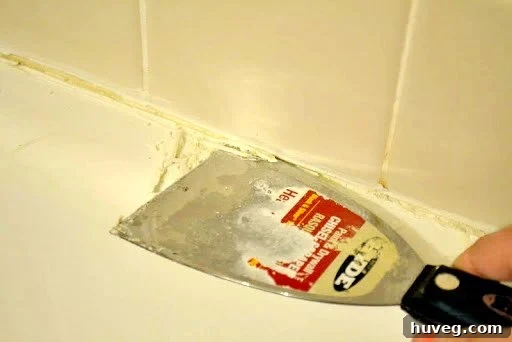
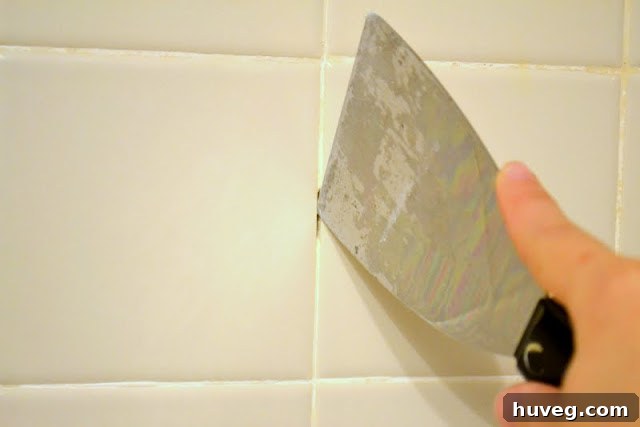
Begin by using a utility knife to score along the edges of the old caulk lines. Be careful not to damage the tub or tile surfaces. Once scored, use your 4-inch putty knife or a specialized caulk remover tool to scrape away the bulk of the old caulk. For tighter spots and stubborn remnants, a stiff-bristled brush or an old toothbrush can be remarkably effective. If the caulk is particularly old and brittle, it might come off in chunks; if it’s still pliable, it might peel off in longer strips. Patience is key here.
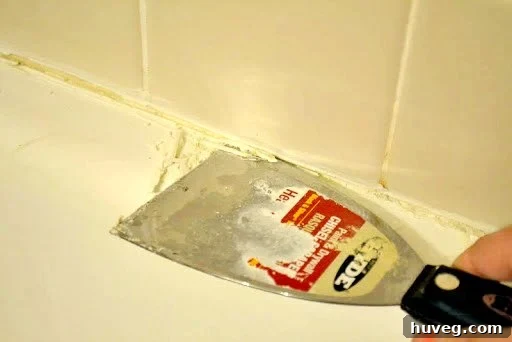
Once all the old caulk is physically removed, the surface must be meticulously cleaned. Residue from old caulk, soap scum, mold, mildew, and dust will prevent the new caulk from adhering properly. Use a strong bathroom cleaner to scrub away soap scum and grime. If you encounter mold or mildew, treat the area thoroughly with a bleach solution or a dedicated mold remover product. Allow the cleaner to sit for a few minutes before scrubbing. Rinse the area completely with clean water and then dry it completely. The surface must be bone-dry before you proceed to the next step – ideally, let it air dry for several hours or even overnight.
2. Prepare for Perfection: Taping the Caulk Line
While some seasoned pros might skip this step, for anyone aiming for a perfectly straight, clean caulk line – especially if you’re a DIY enthusiast or this isn’t a routine task for you – painter’s tape is your best friend. It creates a guide that ensures a uniform caulk bead and significantly simplifies cleanup, particularly when working with gooey silicone caulk.
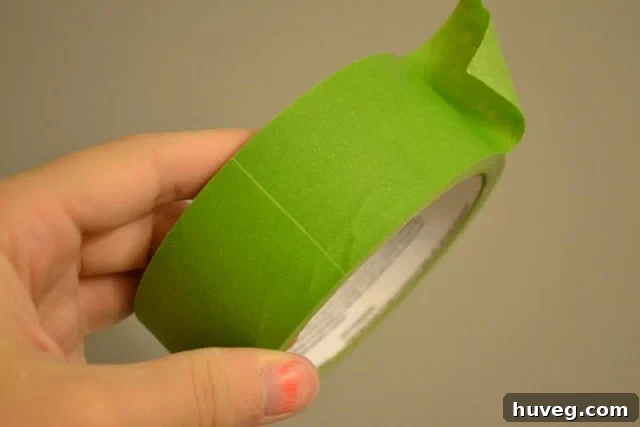
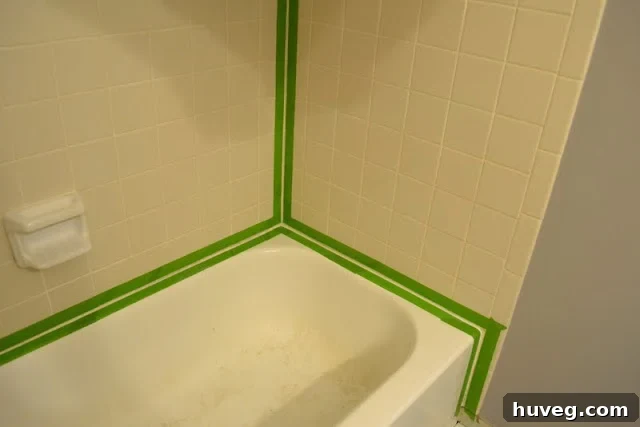
I highly recommend using a high-quality painter’s tape like FrogTape. Its “paint block” technology helps prevent bleed-through, giving you the sharpest lines. Apply two strips of tape: one along the tile edge and one along the tub or shower pan edge, leaving a gap in between that matches the desired width of your caulk bead. This gap is where your new caulk will go.
For corners, achieve a neat L-shape by first applying one strip of tape down one side, slightly overlapping the corner. Then, take another piece, square off the end with a utility knife while it’s still on the roll, and apply it over the first piece in the opposite direction, creating a perfect 90-degree corner. Press the tape down firmly along its entire length to ensure a tight seal and prevent caulk from seeping underneath. The extra effort here pays dividends in the final professional appearance of your caulk lines. For those wondering, pure silicone caulk is stickier and gooier than acrylic latex caulk, and since silicone can’t be painted, a crisp line is paramount for a professional finish. After trying both methods, I stand by taping, especially in older homes with uneven surfaces where imperfections can easily mar an untaped line.
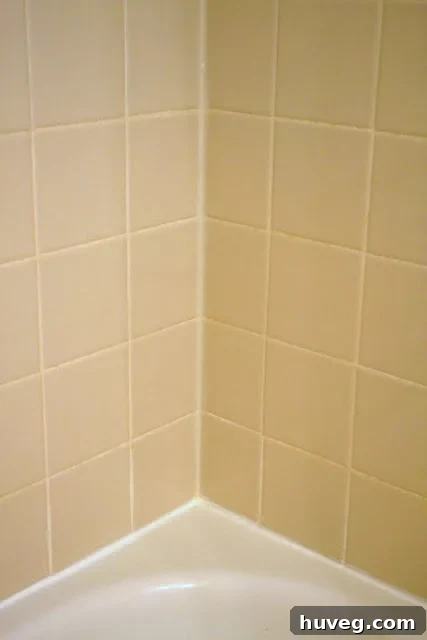
As you can see in the image above, my new shower curtain is already hung and bundled up, giving me a glimpse of the refreshed space without risking any caulk contamination. It’s the small details that make a project feel complete!
3. Apply New Caulk and Achieve a Smooth Finish
Now for the satisfying part: applying the new caulk! The key is to use 100% silicone caulk for showers and bathtubs. Unlike latex caulk, silicone offers superior waterproofing, flexibility, and mold/mildew resistance – essential qualities for areas constantly exposed to moisture. Always check the label to ensure it’s suitable for wet areas and specifies “100% silicone” for bathrooms and kitchens.
Before application, cut the tip of the caulk tube nozzle at a 45-degree angle. The size of the opening should correspond to the width of the gap you’re filling – start small; you can always cut more if needed. Insert the tube into a caulk gun. A full-sized caulk gun is infinitely easier and provides much better control than smaller, hand-squeeze tubes, which can cause hand fatigue and uneven beads, especially on larger projects. Trust me, I learned this the hard way!
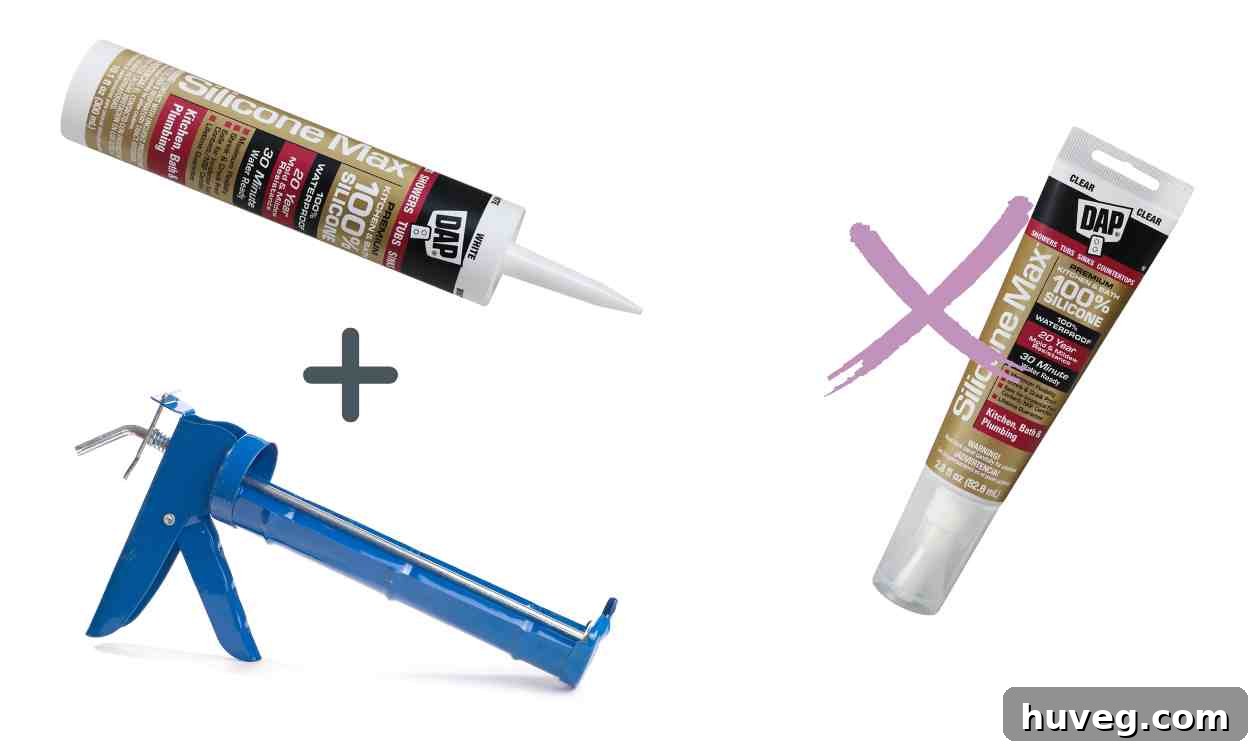
Apply the caulk in a steady, continuous bead along the taped line. Maintain even pressure on the caulk gun trigger and move at a consistent speed. The goal is to fill the gap completely without over-applying. Immediately after applying a section (about 2-3 feet at a time), it’s time to smooth the bead. Put on a latex glove or use a specialized caulk smoothing tool. With consistent, gentle pressure, run your finger or tool along the fresh caulk bead to create a smooth, concave surface. This pushes the caulk into the joint and creates a clean, waterproof seal.
A common mistake is choosing the wrong caulk color. My initial attempt involved pure white caulk for both the tub and shower. While it worked perfectly for the crisp white bathtub, it was too stark for the shower’s off-white, almond-colored grout lines. This necessitated removing the newly applied caulk from the shower corners and reapplying with a matching color – essentially recaulking my recaulked shower! Always test a small, inconspicuous area or carefully assess your existing grout color before purchasing. Home Depot and other hardware stores often carry a wider variety of silicone caulk colors beyond just white and clear.
Once you’ve smoothed a section, immediately remove the painter’s tape before the caulk begins to skin over. Pull the tape slowly at a 45-degree angle, away from the fresh caulk. This will reveal a perfectly crisp, clean line. If you wait too long, the caulk can dry and adhere to the tape, potentially pulling up your beautiful new caulk line. Use baby wipes for quick cleanup of any excess caulk on your fingers or tools – they are truly a lifesaver for this task!
Tips for Caulk Selection & Cleanup
- Caulk Type is Crucial: Always opt for 100% waterproof silicone caulk for showers and tubs. It offers superior moisture, mildew, and mold protection. Never use latex caulk in wet areas; it will break down and foster mold growth.
- Remove All Old Caulk: This cannot be stressed enough. Any remnants of old caulk can compromise the new seal, leading to leaks and premature failure.
- Painter’s Tape for Precision: While optional for some, tape ensures a clean, straight line, especially with sticky silicone caulk. It’s an extra step that prevents cleanup headaches and delivers professional results.
- Color Matching: Be diligent in matching your caulk color to your existing grout or fixtures. Silicone caulk is not paintable, so getting the color right initially is important. Hardware stores often have a broader color selection than basic white and clear.
- Read the Label: Silicone caulk labeled for “kitchens” or “bathrooms” is generally the same product, designed for permanent, waterproof seals in high-moisture areas. Don’t limit your search based on room labels alone.
- Baby Wipes for Cleanup: Keep a pack of baby wipes handy. They are fantastic for wiping away excess caulk from tools, fingers, and surfaces, offering cleaner joints and eliminating the need for damp rags. This is a personal favorite tip of mine, first shared when discussing toilet installation.
Temporary Grout Patching with Silicone Caulk
For minor imperfections in older showers, silicone caulk can also serve as a temporary fix for small patches of missing grout between tiles. If your caulk color closely matches your grout, this can be an effective short-term solution. First, ensure the area is free of any loose grout by carefully scraping with a blade or utility knife, being mindful not to scratch the tile. Then, apply a small dab of silicone caulk to fill the void and smooth it flush with the tile surface. Remember, this is a temporary patch. For larger areas of missing or damaged grout, or if you need a permanent repair, you should scrape out the old grout with an oscillating tool fitted with a tile blade and then re-grout properly. The image below illustrates a temporary caulk patch – a practical solution when a full regrout isn’t immediately feasible, but it’s important to understand its limitations.
As a homeowner, I’ve learned that DIY projects often come with unexpected challenges and learning curves. Making mistakes is part of the process, and it’s important to remember that nobody gets it perfect every time. These “oops” moments are opportunities to learn and share, so we all feel a little less alone in our caulking endeavors (pun intended!). And yes, I’ll tackle those dirty tile areas in the photos with a final cleaning sweep before my shower is truly guest-ready.
How Long After Recaulking Can I Shower?
This is a frequently asked question, and the answer is crucial for the longevity of your new caulk. While many caulk tubes boast “1-hour shower ready” or “30-minute shower ready” labels, this typically refers to the caulk being tack-free or able to withstand light moisture. However, the fine print on almost every single product recommends waiting a full 24 hours for the caulk to properly cure and achieve its maximum waterproof potential. Rushing this step can significantly compromise the seal and lead to premature failure or mold growth.
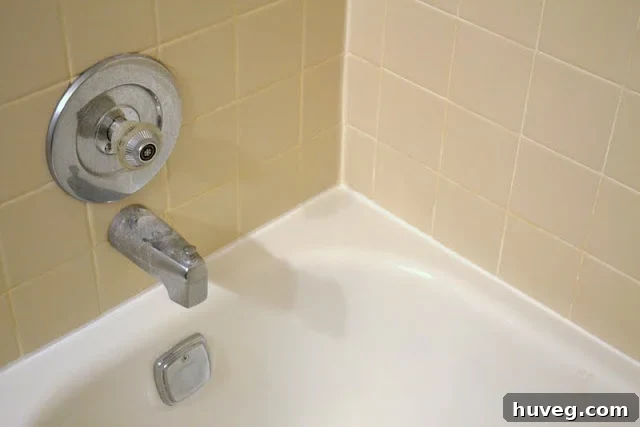
For best results, aim for a minimum of 24 hours without any direct water exposure. If humidity levels are high or temperatures are low, extending the drying time to 48 hours is even better. During this period, I often take the opportunity to tackle other minor bathroom improvements, like installing a new shower head – a functional upgrade that also allowed me to get a spray handle for giving my dog, Charlie, baths. Of course, the tub gets a thorough cleaning between dog washes to keep it sparkling for human guests!
Other Common Questions About Recaulking a Shower
How often do you need to recaulk a shower?
As a general rule of thumb, it’s recommended to recaulk your tub or shower every 5 years, even if there are no visible signs of wear and tear. Caulk naturally degrades over time, losing its elasticity and protective properties. Regular maintenance prevents small issues from becoming larger, more expensive problems.
Can I shower without caulking?
Technically, you could, but it’s highly ill-advised. Imagine frying bacon without a shirt – possible, but with painful consequences. Without caulk, water will inevitably seep into the gaps around your tub and shower, leading to water damage, wood rot, and severe mold growth behind your walls and beneath your floors. It’s a recipe for disaster.
What happens if you don’t caulk your bathtub?
Failing to caulk your bathtub creates an open invitation for water infiltration. This primarily results in significant mold and mildew buildup, which is unsightly, unhealthy, and difficult to remove once established deep within porous materials. Beyond that, continuous water exposure can damage drywall, subflooring, and framing, leading to structural integrity issues and very expensive repairs. Think of notoriously neglected college dorm showers or frat houses – prime examples of the consequences of uncaulked wet areas.
Is it easy to recaulk a shower?
Having gone through the process myself, I can confidently say it’s much easier than I initially feared. The most challenging part is the thorough removal of old caulk and the meticulous cleaning. Once that’s done, applying the new caulk and smoothing it with the right tools and a bit of patience is quite straightforward. Don’t let apprehension delay this important home maintenance task any longer! I truly wish I hadn’t avoided it for so long.