Readers Weigh In On Top Load Versus Front Load Washers

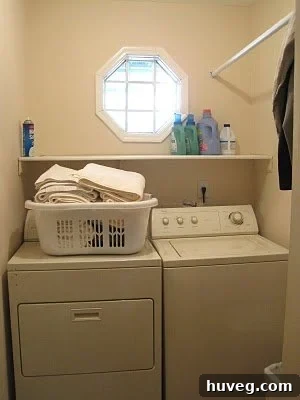
The Ultimate Laundry Room Makeover: A Graduation Gift Journey
The finish line is finally in sight! After two demanding years, my MBA journey is drawing to a close. With only 25 days left, the excitement is palpable, and my thoughts have naturally turned to the practicalities and pleasures of post-graduation life. Among them, a very special graduation gift has taken center stage: a brand new washer and dryer set, generously offered by my incredible parents (Mom and Dad, I hope you’re reading this!). Their thoughtful gesture was met with immediate enthusiasm and a flurry of activity on my end, which included countless hours scouring Black Friday deals on my favorite new shopping resource and more than a few excited texts to my mom. This generous gift has sparked a complete reimagining of my laundry room, opening up a world of decorating possibilities and practical improvements that I’ve been dreaming about for years.
Dreaming Big Within a Small Space: Laundry Room Inspiration
My Pinterest boards, particularly my dedicated “Laundry and Mud Rooms” collection here, have been overflowing with inspiring ideas for quite some time. The thought of transforming a purely functional space into something both efficient and aesthetically pleasing is incredibly exciting. However, like any home improvement project, this endeavor comes with its own set of unique challenges. My primary constraint is a strict budget: I’m aiming to keep the cost of the washer and dryer pair under $1,000. Beyond finances, the physical space itself presents a considerable hurdle. My laundry room is notoriously tight, a challenge that reminds me of the compact makeover I tackled for Heidi and Jon on HomeStretch Season 7 back in 2013, though perhaps not quite as restrictive. This limited footprint means every decision, from appliance type to storage solutions, must be carefully considered to maximize functionality without sacrificing style.
To truly appreciate the transformation ahead, it helps to look at where we’re starting. The last time I bothered to photograph the laundry room was all the way back in 2010, which pretty much reflects the level of attention this space has received over the years. Here’s a glimpse into its past state:
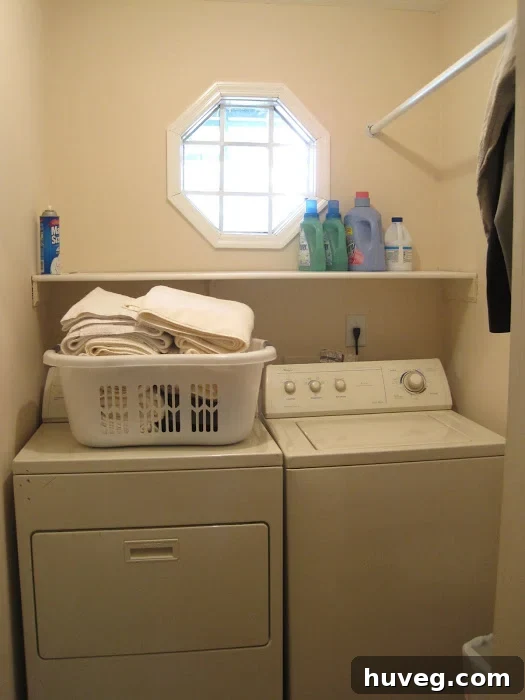
But as fate would have it, a certain sweet, four-legged helper decided to accelerate part of the renovation process. Thanks to this adorable face:

… who has since grown into a charming, albeit mischievous, adult like this:

… the laundry room floor has been “pre-demolished” for me. Isn’t she just the most thoughtful DIY assistant? Her enthusiastic efforts during her puppy years led to the removal of a significant portion of the linoleum, a task I hadn’t quite gotten around to yet.

Navigating the Laundry Room Layout: Challenges and Opportunities
While I’m still deeply entrenched in my kitchen renovation, the impending arrival of new appliances has shifted my focus to the laundry room’s most pressing question: which style of washer is best? I confess, I haven’t done much research on washers and dryers, largely because I never anticipated buying them in the near future. This leaves me feeling a bit clueless about the specific pros and cons of top-loading versus front-loading machines. I’ve gathered anecdotal information, but I believe this is the perfect opportunity to tap into the collective wisdom of my readers. Before diving into the appliance types, let’s outline the inherent challenges of the room itself:
The Room Itself: A Tight Squeeze
- Pro (of sorts): As a mischievous puppy, Charlie inadvertently removed most of the existing linoleum floor, leaving only what’s wedged under the current washer and dryer. This means less demo work for me, which is a silver lining!
- Con: The space is incredibly cramped. “Tiny” and “tight” barely begin to describe it. This limited footprint will dictate many of my design and appliance choices.
- Con: The layout is undeniably awkward. A single window sits directly above the only truly useful wall, which immediately eliminates attractive possibilities like stacking appliances or installing extensive cabinetry. The walls also narrow significantly towards the door, ensuring the entire space will forever feel nook-ish and compact. Understanding these spatial limitations is critical for making smart appliance decisions. For a better sense of the overall house layout, you can refer to my tour.
Front-Loading vs. Top-Loading Washers: A Detailed Comparison
The core of my dilemma revolves around the choice between front-loading and top-loading washers. Each comes with its own set of advantages and disadvantages, especially when considering a small, high-traffic area like a laundry room.
Front-Loading Washers: Modern Efficiency and Space-Saving Solutions
- Pro: Ideal for Tight and Awkward Spaces: Front-loading machines are often lauded for their superior space-saving potential. Their design allows for horizontal stacking with dryers, though my particular layout prevents this. Crucially, they facilitate the installation of a continuous countertop above both units, which would be a game-changer for maximizing the utility of my small room. Imagine a dedicated surface for folding laundry, sorting clothes, or even crafting. This added counter space is a significant draw for me, transforming dead space into a functional workspace. Examples of this brilliant setup can be seen here, here, and here.
- Pro: Energy and Water Efficiency: Modern front-loaders are generally more energy and water-efficient than traditional top-loaders. They use less water because the tumbling action doesn’t require the clothes to be fully submerged, making them a more eco-friendly and cost-effective choice in the long run. Many are High-Efficiency (HE) models, designed to work with concentrated detergents.
- Pro: Gentler on Clothes: The tumbling motion of a front-loader is typically gentler on fabrics compared to the agitator action of some top-loaders, potentially extending the life of your garments.
- Con: The Odor & Mold Concern: I’ve frequently heard concerns about front-loading washers developing a musty odor due to mold and mildew buildup in the door gasket and detergent dispenser. This is a significant worry for me, as I’ve openly confessed that I don’t have an abundance of extra time for intensive appliance maintenance. However, many resources offer straightforward tips and tricks that I believe I could easily integrate into my routine. These include always leaving the door ajar after a cycle to allow for air circulation, wiping down the gasket, and occasionally running a cleaning cycle with bleach or a specialized washer cleaner. Addressing this concern proactively would be key to my satisfaction with a front-loader.
- Con: Ergonomics (without pedestals): While great for counters, bending down to load and unload a front-loader can be uncomfortable for some, especially if not paired with optional (and often costly) pedestals that raise the machines to a more ergonomic height.
Top-Loading Washers: Traditional Convenience and Simpler Maintenance
- Pro: Avoids the Smelly Issue: One of the primary advantages of top-loading washers, in my experience and from what I’ve heard, is their inherent design that generally prevents the mold and mildew issues associated with front-loaders. With my current top-loader, the only smell I’ve ever had to worry about is the regrettable aroma of laundry I accidentally forgot in the washer for too long. The open drum design allows for better ventilation, reducing moisture buildup.
- Pro: Ease of Use: Forgetting a stray sock? No problem with a top-loader; you can simply lift the lid and toss it in mid-cycle (on many models). This convenience is a huge plus for busy individuals or those with young children. Loading and unloading can also be more comfortable for people who prefer not to bend down, eliminating the need for pedestals.
- Pro: Traditional Aesthetic (with modern twists): While they don’t allow for an over-the-counter setup, top-loaders can still be part of a beautifully designed laundry space. I’ve seen stunning examples, like Kelly’s and Kim’s inspiring rooms, which demonstrate that top-loading appliances can integrate seamlessly into a stylish and functional design. Many modern top-loaders now feature sleek, glass lids and sophisticated finishes, moving far beyond the utilitarian look of their predecessors.
- Con: Not as Great Space-Wise Without a Counter: The most significant drawback for my specific space is the inability to install a continuous countertop over top-loading units. This means valuable surface area for folding and organizing would be lost, necessitating alternative wall-mounted shelving or folding solutions. While functional, it might not be as seamless or efficient as a dedicated counter.
- Con: Water Usage (traditional models): Older or more basic top-loaders with agitators typically use more water than HE front-loaders, as they need to completely submerge the clothes. However, newer High-Efficiency (HE) top-loaders utilize impellers instead of agitators and are much more water and energy efficient, offering a middle ground.
Considering the Dryer and Other Critical Factors
While much of the discussion often centers around washers, the dryer component of the pair is equally important. I haven’t heard many negative things specifically about dryers, but there are still factors to consider. Should I look for an electric or a gas dryer (assuming my hookups allow for both)? What about sensor drying, which automatically shuts off when clothes are dry, saving energy and preventing over-drying? Features like steam cycles for wrinkle release or sanitize options could also be incredibly useful. Proper ventilation for the dryer is paramount, not just for efficiency but for safety.
Beyond the core appliance type, what other factors should I be thinking about? My budget of under $1,000 for the pair means I’ll likely be looking at entry-level or mid-range models. Are there specific brands known for reliability within this price point? How important are smart features or extremely quiet operation in such a small space? Installation requirements, such as adequate water pressure and drainage for the washer, and proper venting for the dryer, also need to be factored into the overall planning and budget.
Your Insights Needed: Help Me Choose!
This is where YOU come in! As I stand at this exciting crossroads, planning my post-MBA life and preparing to outfit my home, I desperately need your expertise. What are your experiences and thoughts on top-loading versus front-loading washers? Beyond the discussions of smell and counter space, are there any other crucial factors I haven’t considered yet? Perhaps specific maintenance tips for front-loaders that truly make a difference, or brilliant space-saving ideas for top-loader setups? When you faced this decision yourself, what ultimately swayed you? Did any specific features, brands, or long-term considerations seal the deal? Your real-world insights, personal anecdotes, and practical advice would be invaluable as I embark on this significant home improvement project. Share your wisdom in the comments below!