Rustoleum Painted Countertops and Floors The Long Term Verdict

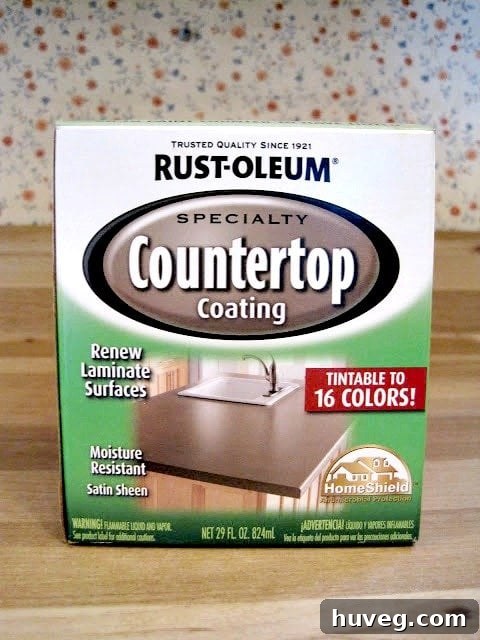
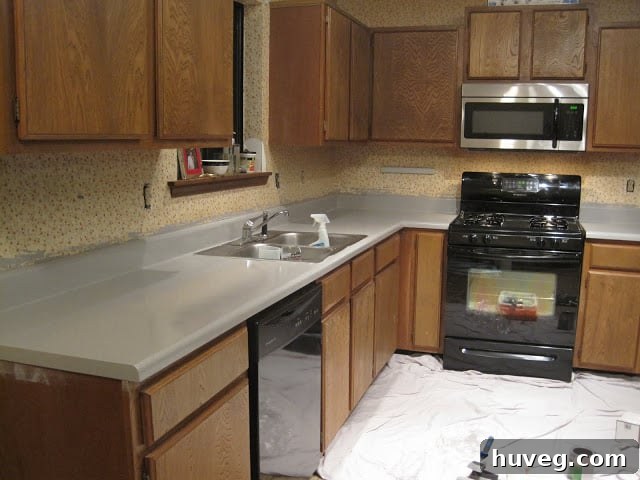
Do you recall that ambitious home improvement project where I decided to paint my kitchen countertops? It felt like a significant step, transforming an outdated surface into something fresh and new with just a can of paint. The initial results were promising, offering a budget-friendly alternative to a full replacement.
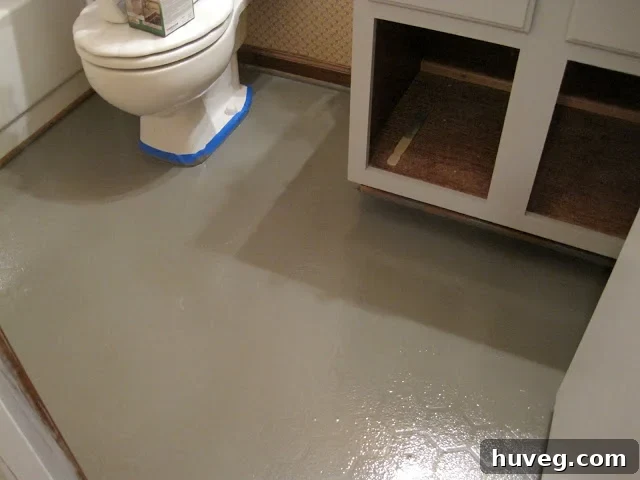
And then there was the secondary experiment: using the exact same paint on my primary bathroom’s linoleum floors. This wasn’t just about aesthetics; it was a desperate attempt to cover up a truly dreadful, yellowed pattern that had plagued the room for far too long. The idea was simple: if it worked on the counters, why not the floor? It promised a much-needed break from an eyesore without the cost and effort of replacing the entire flooring.
Now, after months of daily use, countless spills, and the general wear and tear of a bustling home, you’re probably wondering: which application stood the test of time better? Which surface proved more resilient to the challenges of everyday life? I’ve put both the kitchen countertops and the primary bathroom floor through what I consider pretty rigorous testing – walking on, cutting on (perhaps inadvisably), dropping various items, and subjecting them to the unique demands of an active household. This hands-on, real-world evaluation offers valuable insights into the durability and limitations of this popular DIY solution.
Rustoleum Painted Countertops and Linoleum Floors: A Long-Term Performance Review
Having lived with these painted surfaces for several months, I can now offer a comprehensive report on their performance. My goal was to see if a simple paint job could truly serve as a lasting solution, or if it was merely a temporary cosmetic fix. Let’s delve into the specifics of how each area fared under regular “Ugly Duckling” household use.
Kitchen Countertops: The Daily Grind
The kitchen countertop is arguably the most-used surface in any home, constantly exposed to moisture, heat, sharp objects, and heavy items. My painted countertops faced these challenges head-on, revealing both strengths and notable weaknesses.
Scratch Marks and Abrasions
While I generally advocate for using cutting boards and avoiding direct contact with knives on any countertop, I did conduct an unintentional, yet revealing, test. My dog, Charlie, unfortunately developed a respiratory infection, necessitating half a pill every eight hours. In the sleepy haze of 3 AM, and being inherently a bit lazy, I resorted to snapping the pills in half directly on the countertop with a large knife. This shortcut, though convenient at the time, proved disastrous for the painted surface. As the images clearly show, the paint could not withstand the sharp blade, resulting in distinct scratch marks and even small flakes of paint coming away. This highlights a critical vulnerability: the painted surface, despite its initial hardness, lacks the resilience against direct cutting that natural stone or even some laminate surfaces possess. For a high-traffic kitchen, this is a significant consideration.
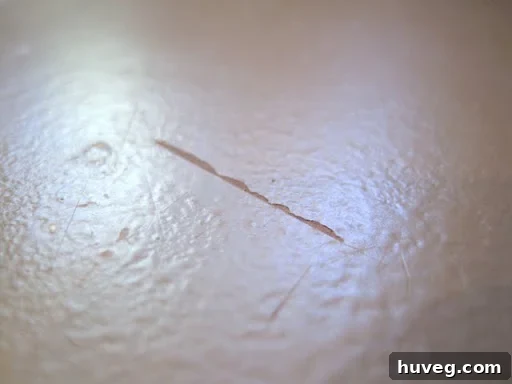
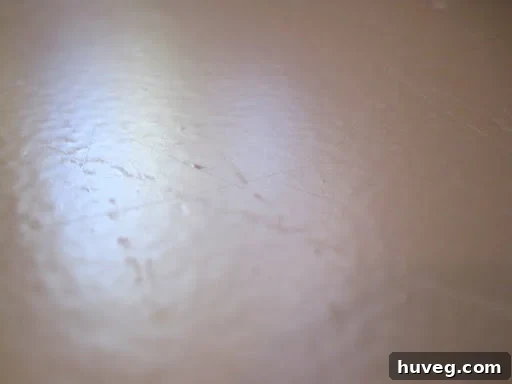
Paper and Ink Residue: A Sticky Situation
Kitchen sinks inevitably lead to wet situations. Sometimes, paper towels, mail, or even plastic grocery bags with printed ink might inadvertently get wet and sit on the countertop. My painted surface proved surprisingly susceptible to this common occurrence. The ink from a grocery bag, or the wet residue from a piece of paper, would transfer onto the paint, leaving stubborn blemishes. These marks were not easily wiped away; they seemed to bond with the paint, making their removal nearly impossible without resorting to abrasive scraping – which, of course, would remove the paint itself. Given the strong, lingering odor of the paint, the fact that I eventually planned to replace the countertops anyway, and my ever-present laziness, I chose not to bother with extensive reapplications. This issue means that for any painted countertop, vigilance against wet paper and ink is crucial, adding another layer of maintenance to an otherwise simple upgrade.
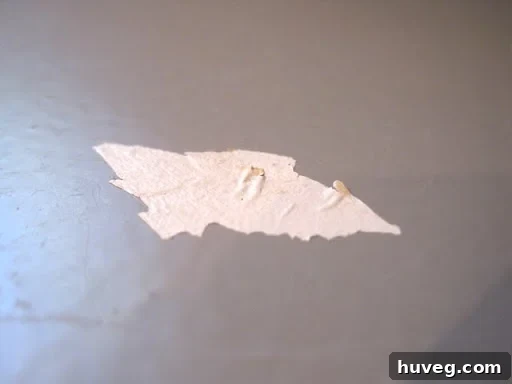
Bathroom Linoleum Floors: A Different Environment
The bathroom floor, while still a high-traffic area, experiences different types of wear compared to a kitchen countertop. It faces footsteps, occasional spills, and the impact of dropped items, but generally less direct cutting or persistent moisture saturation.
Scratch Marks: Less Prominent, More Forgiving
Interestingly, the scratch marks on the painted bathroom linoleum floors were far less noticeable than on the countertops. This might be due to a combination of factors: the nature of floor traffic (more scuffing, less direct sharp impact) and the underlying material. The linoleum itself is softer and more yielding than the rigid countertop surface. The painted floor also handled the onslaught of dropped tools — taping knives, screwdrivers, and other implements — as I tackled wallpaper removal and the replacement of old miniblinds. While I observed some minor blemishes from these impacts, they blended in more effectively with the overall texture and perspective of a floor surface, making them less visually jarring than the countertop scratches. The perception of damage is often as important as the actual damage, and on the floor, it simply wasn’t as critical.
Paper Residue: The Wallpaper Wars
Wallpaper removal is, by its very nature, a messy, sticky, and often unpleasant task. As wet pieces of old wallpaper peeled off, some inevitably landed on the painted floor. Just as with the countertops, these wet paper fragments adhered stubbornly to the painted surface. Cleanup wasn’t always my top priority during the renovation chaos, so some bits dried onto the floor. While removing these dried flecks was just as difficult as removing stains from the countertops, I found myself caring far less about it on the floor. Perhaps it was the nature of the renovation, or simply that floor imperfections are more readily accepted than countertop blemishes. However, what *wasn’t* difficult to get up were the “blops” (a term I use because it perfectly describes the sound they make when hitting the floor) of joint compound that were indiscriminately flung about the room during my attempts to achieve a smooth finish on the walls. These larger, thicker globs seemed to lift off with relative ease, a small victory in the midst of renovation mess.
Overall Assessment and Key Takeaways
Reflecting on both applications, I’ve developed a clearer understanding of this paint product’s strengths and limitations. The experience highlights that while a budget-friendly DIY solution can be appealing, it’s crucial to manage expectations regarding long-term durability and maintenance.
Adhesion and Material Differences
I genuinely believe the paint bonded better to the softer, more porous linoleum floor than to the smoother, harder countertop surface. This difference in material texture likely played a significant role in how well the paint adhered and resisted damage. Both surfaces were meticulously cleaned with the same cleaning agents, and the paint was applied using the same roller and brush combination, leading me to conclude that application issues were not the cause of the performance disparity. The paint’s ability to “grip” the slightly yielding linoleum seemed to prevent it from scraping off as easily as it did from the more rigid countertop. This suggests that the product might be more suitable for applications on less smooth, more forgiving substrates.
The Double-Edged Sword of Strong Bonding
While the product is marketed for its ability to stick to even difficult surfaces like laminate and melamine, this strong bonding capability proved to be a double-edged sword when it came to unwanted residue. For long-term use, I simply don’t think this product stands a chance against persistent glue or paper residue. In a busy kitchen, I often absentmindedly sort mail, tear off can labels (like the recipes on the back of Campbell’s soup cans), and generally toss items onto the countertop without much thought. The moment something wet or sticky makes contact, it’s a gamble. Once a label or wet paper fragment adheres, it’s stuck for good, leaving a permanent mark unless you’re willing to undertake a more significant repair. The very reason I bought the paint – its excellent bonding ability – became the primary reason I wouldn’t recommend it as a permanent solution to a friend. It simply can’t distinguish between desirable surfaces to bond to and undesirable residues.
Temporary Fix vs. Permanent Solution
This experiment, which cost me a mere $20, was ultimately a valuable learning experience, and I’m glad I undertook it. However, if this painted finish were intended as a *permanent* solution for my kitchen counters, I would undoubtedly be disappointed. The need for frequent retouching, especially in a high-traffic area like the kitchen, would be a constant nuisance. Therefore, while I still believe this product is a good option for those seeking a temporary cosmetic change – for instance, to cover up unsightly 80s floors or counters you can no longer tolerate – it’s essential to think twice before considering it a one-stop, permanent upgrade. Rustoleum itself offers a more expensive kit specifically for countertop transformations, which I chose not to try. This kit is likely a more viable permanent solution if a full countertop replacement isn’t an option for you.
It’s important to remember that these opinions are based solely on my personal experience with my specific counters and floors. Your results may vary depending on the original surface, application technique, and household usage patterns. If you’ve used this paint product yourself, please feel free to share your insights in the comments. What aspects did you like or dislike? Did it hold up better for you? Did you encounter similar issues with paper or ink residue?
2014 Update: Moving On to Butcher Block
After a couple more years of living with the painted kitchen counters and their inevitable wear, I finally made the leap and replaced them with beautiful, inexpensive butcher block. And I absolutely love them! This change transformed my kitchen completely, offering a durable, aesthetically pleasing, and more practical surface. You can explore all the details of this significant upgrade and installation process through these comprehensive guides:
- Sourcing the Butcher Block:Discover how I found and selected the perfect butcher block for my kitchen remodel.
- Cutting a Hole for the Sink (and How We Fixed Our Mistake):Learn about the challenges of installing an undermount sink and the ingenious solution to a common DIY error.
- Treating the Butcher Block for Long-Term Use:Get the essential tips and tricks for protecting and maintaining your butcher block countertops to ensure their longevity.
** Disclaimer: I was not compensated in any way for using or reviewing the Rustoleum product mentioned in this article. My motivation is simply to experiment with new home improvement techniques and share honest, unbiased insights with my readers, saving you the uncertainty of trying unknown products. My commitment is to provide nothing but 100% genuine feedback on the products and methods I test. **
More Kitchen Remodeling Inspiration
Planning your next kitchen project? From tiling a stunning backsplash to mastering counter installations and more, I’ve curated a collection of articles to guide you through every step of your kitchen transformation. Explore these resources for ideas and detailed tutorials.
SEE ALL KITCHEN PROJECTS
-
How to Tile a Backsplash (Step by Step Guide)
-
How to Protect Butcher Block Counters During Projects
-
How to Fix a Bad Cut in Butcher Block Counters with an Undermount Sink
-
No-Sew Faux Roman Shade and My Christmas Kitchen Window
-
How to Seal Damaged Drywall
-
How to Prep Kitchen Walls for a Tile Backsplash