The Way You Color

Mastering Home Decor Shopping: Your Ultimate Guide to Flawless Color Matching and Smart Organization
Embarking on the exciting journey of home decor, especially after the foundational work like painting is done, often feels like the most enjoyable phase. However, this ‘decor phase’ frequently presents a challenge that can quickly turn excitement into frustration: the elusive art of color matching. How often have you fallen in love with a piece in a store, only to bring it home and discover it’s subtly (or not-so-subtly) the wrong hue—too yellow, too pink, or simply clashing with your existing palette? The discrepancy between store lighting and the natural or artificial light in your home is often the culprit, leading to countless disappointing returns and wasted time.
For anyone who considers themselves detail-oriented, a perfectionist, or simply someone who appreciates harmony in their living space, this common hurdle demands a strategic approach. Over time, I’ve refined a system designed to keep me perfectly organized and prepared while out shopping, without the burden of hauling around bulky binders or overflowing my purse. Allow me to share what has become my indispensable ‘secret weapon’ for stress-free decor shopping:
Your Essential Home Decor Organizer: The Accordion Folder
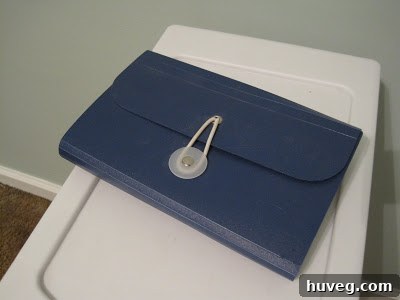
At the heart of my organizational system is a simple, compact accordion folder. These handy folders, often marketed as “coupon folders” in big-box stores like Walmart or grocery stores, are also readily available in most office supply stores. Their design makes them perfect for holding a variety of samples without taking up excessive space. They are precisely the right size to comfortably accommodate paint chips, small countertop or flooring samples, fabric swatches, and even those larger-than-life coupons from stores like Bed Bath & Beyond (which can be folded to fit). The key here is portability and accessibility, ensuring you have all your vital references at your fingertips.
What to Stash in Your Decor Dossier: A Comprehensive Guide
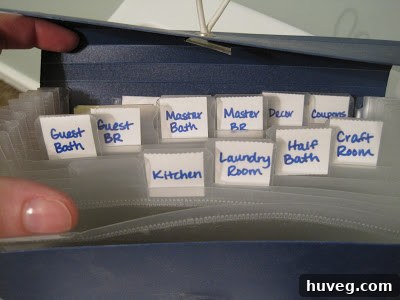
Each pocket within my accordion folder is meticulously labeled for a specific room in my house. This systematic approach ensures that whether I’m browsing for a living room accent or a bathroom fixture, all relevant samples are immediately accessible. Here’s a detailed look at what makes this folder an invaluable tool:
-
Paint Chips: The Foundation of Your Color Palette
For rooms that have already been painted, I keep only the exact paint chip representing the color on my walls. This single chip is your steadfast reference point. For upcoming projects, this is where a world of possibilities resides. As I browse hardware stores or paint departments, any paint choice that catches my eye is simply dropped into the relevant room’s pocket. This allows me to collect a range of potential hues without committing, giving me a physical palette to consider later. Comparing these chips against each other, and more importantly, against the items you’re considering purchasing, is crucial. Remember, the way a color appears can drastically change under different lighting conditions—from fluorescent store lights to warm incandescent lamps at home, or bright natural daylight.
-
Fabric Swatches: Ensuring Textural Harmony
Color isn’t the only element that needs careful consideration; texture and pattern play a significant role in a room’s overall feel. I often include fabric swatches from existing sofas, curtains, or even throw pillows in my folder. This ensures that any new textile purchase—be it a new set of cushions, drapes, or an upholstered accent chair—will complement rather than clash with the fabrics already present in the room. Even small samples can help gauge how patterns will interact and whether the textures create a harmonious balance.
-
Material Samples: The Details That Define a Space
Beyond paint and fabric, the materials and finishes of various decor elements are critical. I include small samples or even just reference chips of metal finishes (such as a silver/pewter chip to remind me of the nickel finish in my bathroom, or a brass swatch for my kitchen hardware), wood stains, countertop materials, or even flooring samples. These seemingly minor details contribute immensely to the cohesive aesthetic of a room. Having them on hand allows for real-time comparison with potential purchases, from light fixtures to cabinet pulls or decorative trays.
-
Room Measurements: Preventing Costly Sizing Errors
The rear pocket of my folder is dedicated to miscellaneous but absolutely critical items, primarily room measurements and receipts. Knowing the exact dimensions of walls, window frames, doorways, and the specific areas where you intend to place furniture is paramount. Will that gorgeous console table fit in your entryway? Will the new rug fill the living room space appropriately? Having these numbers readily available eliminates guesswork and prevents the immense hassle of purchasing an item only to find it doesn’t fit. While some prefer storing measurements digitally on their phones (a practice I’m integrating more and more), a physical backup can still be invaluable, especially when battery life is a concern or you simply prefer a tangible reference.
-
Receipts & Project Notes: For Tracking and Ideas
Keeping receipts for decor purchases in the folder provides an immediate record for potential returns or warranty issues. Furthermore, I often jot down notes, ideas, or even rough sketches directly onto slips of paper and keep them in the relevant room’s pocket. This ensures that inspiration caught on the go doesn’t get lost and connects directly to the project it pertains to.
The Transformative Power of Preparedness: Benefits of Smart Decor Shopping
The primary purpose of this meticulous organization, beyond satisfying my inherent desire for order, is to empower me with the exact items and information needed at the precise moment of decision-making. If the store’s lighting differs dramatically from my home environment, it becomes far less of an issue when I have the actual paint sample right there to compare. I can hold it up against that throw pillow, against the new lamp base, or even against my chosen wallpaper pattern, ensuring a seamless visual match.
This organized approach translates into tangible benefits:
- Eliminate Guesswork: No more “I think this might work” purchases. You’ll make confident decisions based on actual comparisons.
- Save Time and Money: The most immediate and significant benefit. Avoiding returns saves countless hours of driving back and forth, repacking, and standing in line. It also prevents the financial hit of items that might not be returnable or restocking fees.
- Reduce Stress: The decor process should be enjoyable. Having your references handy removes a huge layer of anxiety, allowing you to focus on the aesthetics and joy of transforming your space.
- Achieve Cohesive Design: By constantly cross-referencing, you ensure that every new addition harmonizes with the existing elements, contributing to a truly cohesive and aesthetically pleasing interior design.
- Efficient Shopping Trips: Instead of multiple trips for one item, you can often knock out several purchases in a single, well-planned excursion.
Advanced Tips for the Detail-Oriented Decorator
Precision Paint Matching: The Code is Key
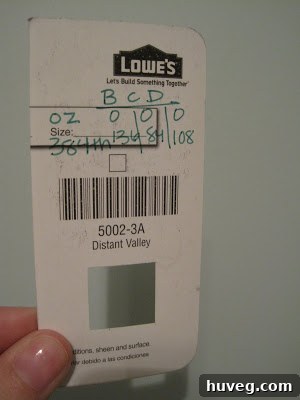
One particularly valuable time-saving and accuracy-boosting feature of my folder concerns paint matching. For several projects, including my living room, primary bedroom, and craft room, I initially selected Valspar paint colors but had them matched to Behr paint (a decision based on brand trust, as detailed in this post). If I were to need more paint of the exact same color down the line, relying solely on a physical chip for a re-match could lead to subtle variations. Even with the most sophisticated color-matching software, there’s always a slight chance the hue could be ever-so-slightly off from the original mixture.
To circumvent this potential problem, I employ a simple yet highly effective trick: I mark the back of the paint chip with the specific color code found on the label of the paint can. While peeling off the entire label proved unsuccessful (and messy!), jotting down the code directly onto the chip works perfectly. When I need more paint of that precise shade, I simply present this code to the paint clerk. This ensures they are recreating the identical mixture from the original formula, guaranteeing an exact match every single time. This small step can save immense frustration and ensure color consistency throughout your home, especially for touch-ups or expanding a painted area.
The Indispensable Measuring Tape: Small Tool, Big Impact
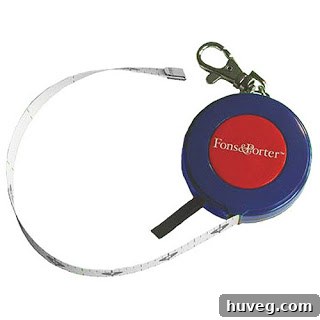
Another often-overlooked but incredibly useful tool for any decor enthusiast is a compact measuring tape. While most people likely have a standard, heavy-duty tape measure for DIY projects, fabric stores (and even stores like Walmart) sell much smaller, lighter versions. These are designed to be compact enough to fit conveniently in your purse or the small pocket of your decor folder without adding significant weight or bulk.
This little lifesaver is invaluable for more than just picking out furniture. Imagine eyeing a beautiful set of baskets—will they fit on your existing shelves? What about that piece of wall art; is it the right scale for your entryway? How much fabric do you need for a small DIY project? A compact measuring tape provides instant answers to these questions, preventing those “I hope it fits” purchases that often end in disappointment and returns. It’s a small investment that yields huge returns in convenience and accuracy for everything from furniture to decorative accents and even ensuring proper curtain lengths.
Beyond the Folder: Integrating Digital Tools
While the physical accordion folder forms the bedrock of an organized decor strategy, it’s wise to complement it with modern digital tools. Many excellent apps now exist for taking and storing room measurements, creating digital mood boards, or even virtually previewing paint colors on your walls. The beauty lies in integrating these methods: keeping physical samples for accurate color and texture comparison, while leveraging digital tools for spatial planning and inspiration management. This hybrid approach offers the best of both worlds, ensuring you’re equipped for every decorating challenge.
Your Decorating Journey: From Vision to Reality
Transforming your house into a home you truly love doesn’t have to be a minefield of mismatched colors and ill-fitting furniture. By embracing a proactive and organized approach to your decor shopping, you move from guesswork to informed decisions. This system, built on the simple yet powerful principle of having the right information at the right time, ensures that every purchase brings you closer to your ideal living space, rather than adding to a pile of returns.
Now, I’d love to hear from you! What are your tried-and-true methods for making sure you don’t have to return every beautiful piece you buy? What indispensable tools do you carry with you on your decor adventures? Share your wisdom and spill your secrets!