Perfectly Shaped Sugar Cookies for Decorating

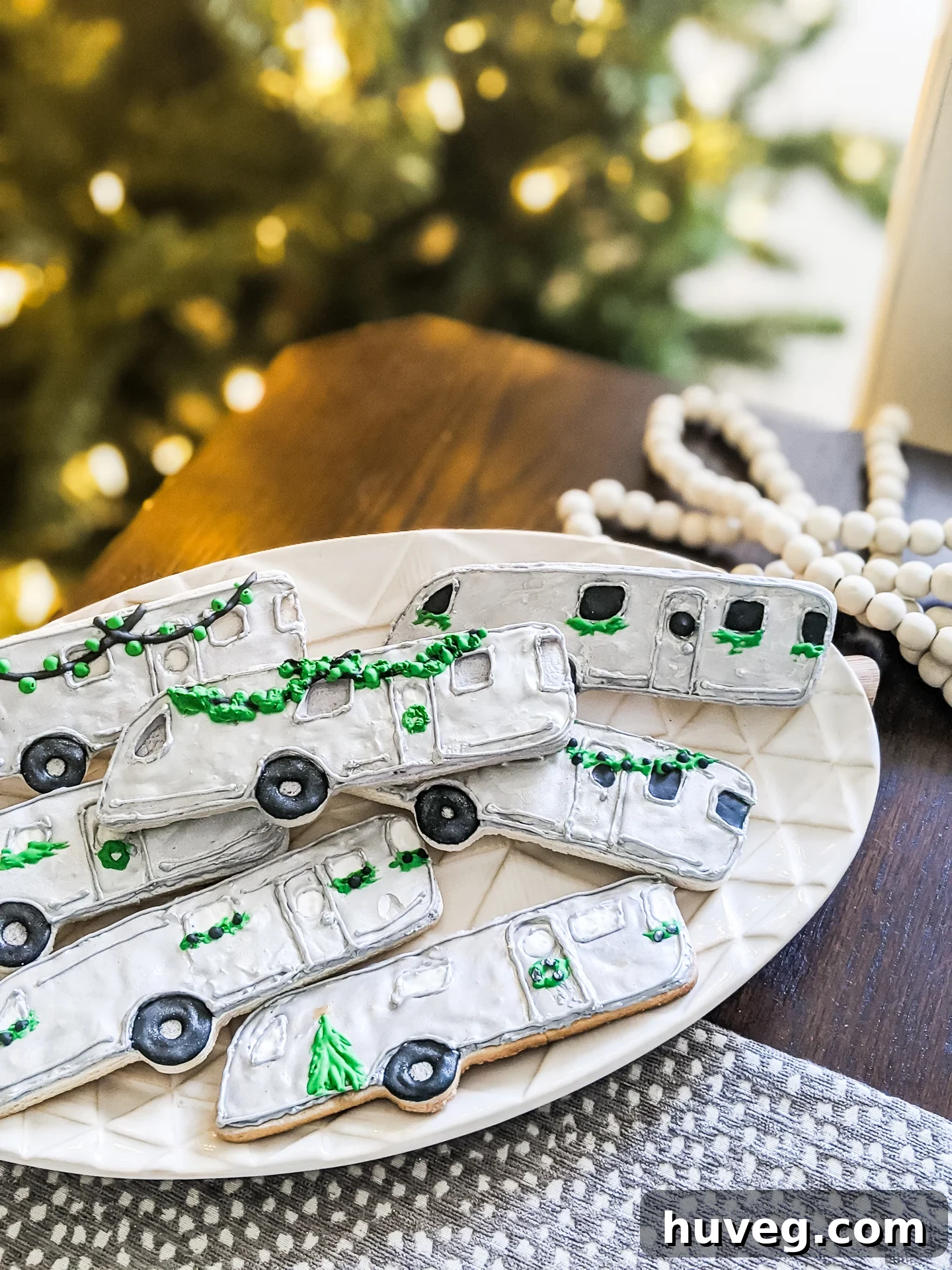
Imagine perfectly shaped cookies, crisp edges intact, ready to be transformed into edible works of art. This no-spread sugar cookie dough is specifically designed for detailed decorating, rolling out smoothly and maintaining its precise form even after baking. It’s the secret weapon for anyone who loves intricate Christmas cookie designs!

Last time, I shared the fun of creating your own custom DIY cookie cutters. As promised, today I’m back with the essential recipe that makes those custom shapes truly shine: the ultimate no-spread sugar cookie dough. This recipe is the foundation for holiday baking success, ensuring your creative efforts with cookie cutters and intricate icing designs are beautifully preserved.
Watch the video: Learn how to make your own custom cookie cutters for unique designs!
(Video player functionality removed as per instructions.)
While I adore soft, melt-in-your-mouth cookies, especially my absolute favorite hard-boiled egg yolk cookies for their buttery, sweet, and cake-like fluffiness, they aren’t ideal for intricate decorating. Those beloved cookies, while incredibly delicious (I can easily devour too many in one sitting!), use baking powder, which causes them to puff up and lose their crisp, defined edges during baking. For casual snacking, that’s perfectly fine; getting them from the oven to my belly is the priority! However, when the goal is to adorn cookies with detailed royal icing, a different kind of dough is required – one that stands firm against the heat and holds every delicate curve and line.

To solve this decorating dilemma, I enlisted the help of my mom, a seasoned baker with a flair for experimentation. Together, we embarked on a mission to compare various sugar cookie recipes, rigorously testing what would yield the most precise and stable canvas for detailed icing work, just like the Ruby cookies I created using my DIY cutters. We sought a recipe that promised sharp edges and robust structure, crucial for achieving those professional-looking, picture-perfect cookies.

The undisputed champion in the fight against cookie spread is chilling. This simple yet vital step makes all the difference! The key is to thoroughly chill your dough not once, but twice: first, after rolling it out and before cutting your shapes, and then again after cutting, right before baking. By ensuring the dough is cold when it enters the oven, you significantly reduce the likelihood of it spreading, thereby preserving those beautiful, sharp edges. To implement this technique, roll out your sugar cookie dough to your desired thickness (typically 1/4 to 1/8 inch), then place the entire sheet of dough (on plastic wrap or parchment paper) into the refrigerator for at least 20 minutes. Once firm, cut out your cookie shapes and carefully transfer them to baking sheets lined with parchment paper. Return these cut-out cookies to the fridge for another 10-15 minutes. This second chill firms them up even more, preparing them for the heat of the oven. A handy tip for saving precious fridge space: you can stack multiple “ready” cookie sheets, separated by layers of parchment paper, and simply transfer them to empty baking sheets when you’re ready to bake.
After several rounds of testing and tweaking various recipes, my mom’s refined version emerged as the clear winner. This recipe consistently produced cookies with wonderfully sharp edges and a robust structure – qualities absolutely essential for decorating. Not only do these cookies maintain their intricate shapes, but they also bake up strong enough to withstand the weight of royal icing without crumbling or splitting, a common frustration with underbaked or overly delicate sugar cookie recipes (which, full disclosure, has happened to me with even my all-time favorite sugar cookie recipe when decorating was the goal). And the best part? They taste delicious too! They offer a delightful balance of sweetness and buttery flavor, making them a joy to eat even after all that decorating effort. Get ready to enjoy perfectly shaped, sturdy, and tasty sugar cookies!
Print Recipe
No-Spread Sugar Cookie Recipe: Your Canvas for Decorating

5 Stars
(No reviews yet, but highly recommended!)
This is the definitive sugar cookie recipe for achieving beautifully crisp lines and perfectly preserved shapes. It’s ideal for intricate cookie decorating with royal icing, providing a sturdy, delicious base for all your creative designs. Say goodbye to spread-out cookies and hello to flawlessly decorated masterpieces!
- Author: Sarah & Mom
- Prep Time: 1 hr
- Cook Time: 12 minutes
- Total Time: 1 hr 12 mins
- Yield: Approx. 2-3 dozen, depending on cutter size
Ingredients
Scale (For Display Only)
- 480 grams (approx. 4 cups) all-purpose flour
- 1 cup granulated sugar (200g)
- 60 grams (approx. 1/2 cup) cornstarch
- 3/4 tsp. salt
- 2 large eggs, at room temperature
- 2 teaspoons pure vanilla extract
- 1 cup (2 sticks or 226g) unsalted butter, softened to room temperature
(Interactive cook mode features removed for this display)
Instructions
- In a medium bowl, whisk together the dry ingredients: flour, cornstarch, and salt. Sifting them together ensures even distribution and a lump-free dough. Set aside.
- In a separate large bowl, using a stand mixer with the paddle attachment or a handheld electric mixer, cream together the softened unsalted butter and granulated sugar until the mixture is light, fluffy, and pale in color. This process typically takes about 3-5 minutes, incorporating air for a tender cookie.
- Add the eggs one at a time, beating well after each addition until fully incorporated. Scrape down the sides of the bowl as needed to ensure everything is mixed evenly.
- Stir in the vanilla extract until just combined. Be careful not to overmix at this stage.
- Gradually add the dry flour mixture to the wet ingredients, mixing on low speed until just combined and a dough forms. Mix only until no streaks of flour remain; overmixing can lead to tough cookies.
- Divide the dough into two or three portions. On a lightly floured surface or between two sheets of parchment paper, roll out each portion of dough with a rolling pin to an even thickness of 1/4 to 1/8 inch. For best results in maintaining shape, aim for consistency. Place the rolled-out dough (still between parchment, if used) onto a baking sheet and chill in the refrigerator for at least 20 minutes. This initial chill helps prevent spreading.
- Once the dough is firm, remove it from the fridge and use your favorite cookie cutters to cut out shapes. Carefully transfer the cut-out cookies to baking sheets lined with parchment paper. Return these sheets with the cut cookies to the refrigerator for another 10-15 minutes before baking. This crucial second chill solidifies the butter, ensuring the cookies maintain their intricate details in the oven.
- Preheat your oven to 375°F (190°C). Bake the chilled cookies for approximately 10-14 minutes, depending on your oven and cookie thickness. Look for the edges to be very lightly golden brown, but the centers still pale. Do not overbake, as this can make them too crisp and prone to cracking under icing.
- Allow cookies to cool on the baking sheet for 5 minutes before transferring them to a wire rack to cool completely. They must be completely cool before decorating with royal icing.
Notes
The chilling steps are absolutely essential for these cookies to maintain their shape and sharp edges. Do not skip them!
Ensure your butter is truly at room temperature for proper creaming. If it’s too cold, it won’t cream properly; if it’s too warm, the dough can become greasy.
Cornstarch is a key ingredient here, contributing to the cookie’s tender texture and helping to prevent spread without affecting flavor.
Store undecorated cookies in an airtight container at room temperature for up to a week, or freeze for up to 3 months. Decorate when ready!
Mastering Cookie Icing: The Art of Royal Icing
Cookie decorating is an art form that takes practice, but the right tools and techniques can make a world of difference. While I’m still honing my skills, I’ve been fortunate to learn from my mom, who is a true Pinterest-inspired baking fanatic with an impressive collection of cake and cookie decorating tools. Here’s a comprehensive list of materials and tools that will help you achieve beautifully decorated cookies:
Essential Materials & Tools for Cookie Decorating
- DIY cookie cutter kit (for custom shapes; tutorial here)
- High-quality icing bags for precision control
- Numbered icing tips (e.g., Wilton #1, #2, #3 for outlining and details)
- Gel food coloring (for vibrant, concentrated colors without thinning the icing)
- Edible metallic spray (for a touch of shimmer)
- Black pearl dust (for sophisticated accents)
- Edible metallic paint (for hand-painted details)
- Fine brushes and drawing tools (for intricate designs and correcting mistakes)
- Cookie turntable (a game-changer for smooth, even flooding and detailing)
- Non-stick decorating mat or parchment paper
- Scribe tool or toothpick (for distributing flooding icing and popping air bubbles)
SHOP FEATURED SUPPLIES
Discover the tools that make cookie decorating easier and more fun!
(Dynamic Shop The Post widget content removed as per instructions. Please click on individual links above.)
While buttercream frosting is delightful and familiar, it rarely achieves the sleek, polished “professional cookie” look often seen on social media. For that impeccable finish, royal icing is the preferred medium. Unlike buttercream, royal icing dries hard and smooth, providing a perfect, durable surface for intricate designs. While some might argue that royal icing isn’t necessarily the tastiest frosting on its own, its aesthetic appeal, when expertly applied, is undeniable. The secret lies in understanding and mastering two key consistencies: outlining icing and flooding icing.
Both consistencies are derived from the same basic royal icing recipe. The process involves making a batch of royal icing, then dividing it. One portion is left thicker for outlining, which creates a barrier for the flooding icing. The remaining portion is then thinned out with small amounts of water, drop by drop, until it reaches a “flooding” consistency – thin enough to spread smoothly but not so thin that it runs off the cookie. It’s crucial to ensure your colors match between the outline and flood icing, which is why you divide and then thin. Flooding icing, as the name suggests, fills in the outlined areas and can be quite tricky to manage initially! Having a scribe tool, or even a metal toothpick, is incredibly helpful for nudging the icing into corners, distributing it evenly, and popping any pesky air bubbles that form. Achieving the right consistency and a perfectly smooth flood requires patience and practice, but the results are incredibly rewarding. This was also my first time using a cookie turntable, a spinning disc that allows you to rotate the cookie effortlessly, reaching every small area with ease – a true game-changer for precise flooding and detailing!

Initially, I considered shortcuts, attempting to “fake” royal icing by augmenting store-bought mixtures with powdered sugar. However, my experience quickly showed that the most reliable and effective method for truly professional results is using meringue powder along with powdered sugar. Meringue powder provides the necessary stability and quick-drying properties that are difficult to replicate otherwise. For an excellent, easy-to-follow guide on making perfect royal icing from scratch, I highly recommend this tutorial: Easy Royal Icing Recipe. Moving forward, this will undoubtedly be my go-to method for preparing royal icing for all my cookie decorating projects.

Beyond the Bake: Chilling and Storage Tips
Once your cookies are baked and decorated, proper storage is key to maintaining their freshness and appearance. These no-spread sugar cookies store remarkably well in the fridge, staying delicious for days. However, a little heads-up if you’re using edible metallic paints or sprays: I’ve learned that prolonged refrigeration can sometimes cause the shimmer to dull slightly. If you want to preserve maximum sparkle, it might be best to add metallic accents closer to serving time, or store them at cool room temperature in an airtight container if possible, away from direct sunlight and humidity. Always ensure royal icing is completely dry and set before stacking or storing to prevent smudging.

In all honesty, despite my amateurish attempts at flooding icing, I absolutely fell in love with these cookies! Their charm, with a touch of “kinda pretty, kinda shabby,” feels incredibly authentic, much like our vintage camper Ruby, which is still undergoing its remodeling journey. Just as we’re working on polishing Ruby’s exterior, these cookies reflect a joyful process of creation and improvement, full of character and a lot of fun. They prove that even with a learning curve, the right recipe makes all the difference.

That wraps up this post, but there’s always more holiday inspiration to come, including another delicious recipe on its way! If you’ve missed any of the other festive projects in this series, you can explore them all below. Don’t forget to pin your favorites to save these ideas for later!
Looking for easy and thoughtful gift ideas for the bakers and culinary enthusiasts in your life? Check out my favorite picks, curated for a variety of budgets, ensuring you find something perfect for every aspiring chef or seasoned pro.
25 DIYs of Christmas
VIEW FULL SERIES
This project is proudly part of my “25 DIYs of Christmas” series, a collection brimming with creative gift ideas, festive decor, and inspiring holiday projects! Each post offers step-by-step tutorials, delicious recipes, engaging videos, free patterns, and woodworking plans (where applicable). I often include multiple versions of ideas to spark your imagination and show you the endless possibilities of each DIY. To ensure you don’t miss a single post, be sure to subscribe!
-
DIY Wood and Leather Ornaments
-
Ruby’s Revival Cookies! (DIY Cookie Cutters)
-
DIY Tree Cutout Art
-
DIY Pinecone Christmas Place Card Holders
-
DIY Hanging Advent Countdown Calendar
-
Rainbow Christmas Tree | Cross Stitch Pattern