She Sings, Her Voice Is Song

After a brief diversion into more personal reflections, I’m thrilled to shift my focus back to the heart of home improvement: transforming our living spaces. The past few days have been incredibly productive, and I’m eager to share the latest progress on our primary bathroom renovation. This journey is all about blending functionality with aesthetic appeal, creating a sanctuary that truly reflects our style and meets our everyday needs.
One of the most critical decisions in any room makeover is, of course, the paint color. For the primary bath, I embarked on a meticulous selection process, ultimately choosing a hue that subtly ties into the existing palette of our home. With the exception of the vibrant craft studio, a consistent thread of sophisticated neutrals runs throughout our spaces. This time, the winning shade for the bathroom walls is none other than Benjamin Moore’s exquisite Dove Wing.
Choosing the Perfect Shade: Benjamin Moore’s Dove Wing for a Serene Primary Bathroom
Navigating the world of neutral paint colors can be surprisingly complex, especially when brands offer shades with remarkably similar names. Benjamin Moore, for instance, has a trio that often causes delightful confusion: White Dove, Dove Wing, and White Winged Dove. Each possesses its own unique undertones and characteristics, making the sampling phase absolutely essential.
My “try-it-out” list naturally included all three of these contenders. After careful consideration, observing how each shade reacted to different lighting conditions throughout the day, Dove Wing (OC-18) emerged as the clear victor. Its soft, subtle warmth and undeniable versatility perfectly complemented my vision for the space. While I ultimately settled on Dove Wing, I sourced the paint from Home Depot, opting for a gallon of Behr paint in a satin finish. Their impressive color-matching capabilities ensure that you can achieve virtually any competitor’s shade, making it a convenient one-stop shop for diverse paint needs.
The Strategic Choice for Light and Bright Walls
The decision to go with light and bright walls in the primary bathroom was driven by several key factors, all aimed at optimizing the room’s overall ambiance and functionality. Firstly, the bathroom features only a single light fixture, and despite the presence of a window, natural light can be sporadic. During winter mornings, when I typically start my day, the room remains dark, and it’s often dim again when I return home from work. Lighter walls play a crucial role in maximizing the reach and reflectivity of both natural and artificial light, making the space feel more open and invigorated.
Secondly, coordinating with existing and future elements was paramount. The bathroom already boasts gray-beige shower tiles, and the forthcoming new vanity top will introduce its own unique gray hue. Furthermore, the future floor tile is likely to be a medium gray tone. When combining multiple neutral shades, it’s vital to ensure they harmonize without blending into a monotonous wash. Brighter walls provide a crisp, clean canvas that allows these various gray and beige elements to stand out and feel thoughtfully curated rather than disjointed.
Beyond practicality, the grayish-white hue of Dove Wing exudes a simple, clean, and modern aesthetic. It creates a serene backdrop that is inherently flexible, allowing for easy updates and personalization through accessories. As someone who appreciates evolving design trends and can be a bit “fickle” about specific color accents – for instance, my bright yellow mirror often finds new homes – the ability to switch out decorative items instead of undergoing another taping and painting session is incredibly appealing. This approach ensures longevity in the foundational design while offering endless possibilities for refreshing the room’s personality.
The Indispensable Role of Primer: Ensuring a Flawless Finish
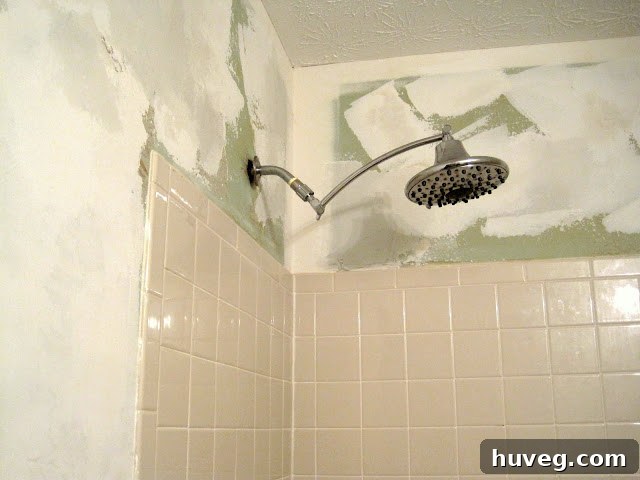
Before any color could grace the walls, a crucial preparatory step was required: applying a high-quality primer. This isn’t just an optional extra; it’s a non-negotiable step to protect the extensive repair work already undertaken and to guarantee a professional, long-lasting paint finish. Given the bathroom’s history, which included years of wallpaper and potential moisture issues, selecting the right primer was especially critical. I needed a product that offered robust stain-blocking, sealing, and drywall-prepping properties.
Preparing the Canvas: Why Priming is Non-Negotiable
After evaluating numerous options, I opted for a water-based primer for several compelling reasons: its quick drying time, lower VOCs (volatile organic compounds) and reduced odor, and the ease of cleanup. Most importantly, it needed to be effective at blocking any lingering water stains that had seeped through old wallpaper seams over the years, preventing them from bleeding through the fresh topcoat. Zinsser’s 123 Plus primer-sealer for all surfaces, a trusted Rust-Oleum brand, perfectly met these stringent criteria, promising excellent adhesion and stain resistance.
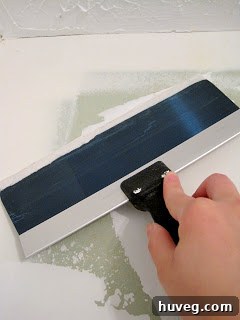
The benefits of a superior primer-sealer extend beyond just stain blocking. It also plays a vital role in smoothing out the surface, effectively filling in the tiny imperfections that often become apparent after wallpaper removal. Even after meticulous cleaning (which in this case involved over 30 vigorous wipes!), microscopic glue residue can remain. The primer component enhances paint adhesion, ensuring a uniform and durable bond. Concurrently, the sealer aspect creates an impermeable barrier, preventing any residual glue, water stains, or even the distinct pattern of the drywall paper from disrupting the intended smoothness and sheen of the final paint layers. For a deeper dive into managing drywall paper patterns and achieving a perfectly smooth surface, you can refer to my previous post on skim coating here.
Mastering the Art of Painting: Techniques and Tools for a Professional Finish
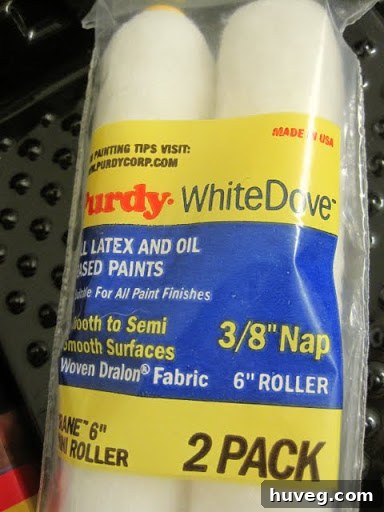
Interestingly, the name “Dove Wing” evoked a sense of a classic rock anthem, and I found myself humming and putting Stevie Nicks’ “Edge of Seventeen” on repeat throughout the painting process. It’s funny how a simple paint name can inspire a soundtrack for your DIY projects! Even my choice of roller seemed destined for this color, with Purdy White Dove rollers offering a smooth, even application.
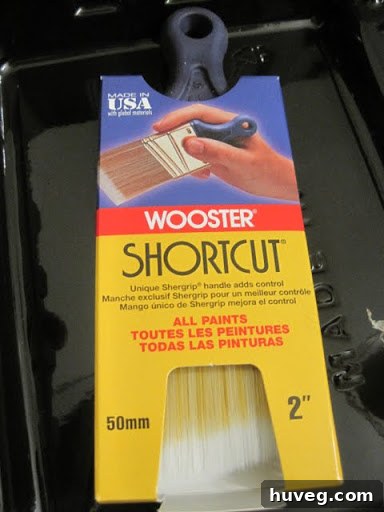
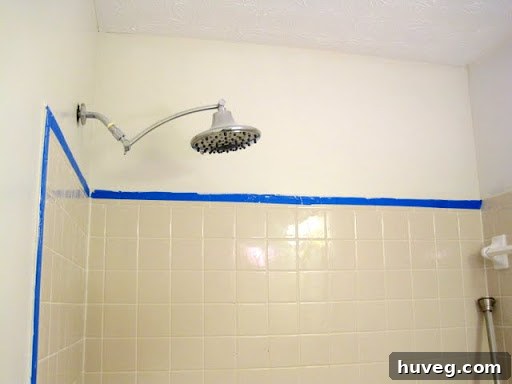
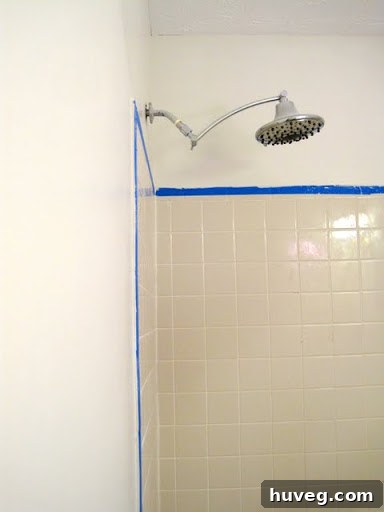
While I wouldn’t quite label myself a professional painter, I often employ techniques that minimize the need for excessive painter’s tape. In this bathroom project, tape was reserved almost exclusively for protecting the shower tile. My primary concern was achieving clean, crisp lines along the ceiling. As the baseboards and door trim were also slated for a fresh coat of paint, taping them off wasn’t necessary. To achieve that coveted smooth finish and precise “cutting in,” I relied on my trusty short-handled, angled brush. These specific brushes, known for their maneuverability and precision, are typically found at your local “Orange” big-box hardware store rather than the “Blue” one, and they are truly indispensable for detailed work.
DIY Painting Tips for a Flawless Finish
Achieving a flawless paint job goes beyond just choosing the right color and tools; it’s about meticulous preparation and careful application. Always ensure your surfaces are clean, dry, and properly primed. Use high-quality brushes for cutting in, loading them just enough to prevent drips but ensuring good coverage. For rollers, dampen them slightly before loading with paint to help with an even application. Apply paint in thin, even coats, allowing adequate drying time between each. Two thin coats are almost always superior to one thick, heavy coat, reducing the risk of drips, uneven texture, and premature wear. Don’t rush the process; patience is key to a professional-looking result. Proper ventilation is also crucial, especially in bathrooms, to aid drying and reduce odor from paint fumes. Finally, clean your tools thoroughly immediately after use to prolong their lifespan and ensure they’re ready for your next project.
Witnessing the Transformation: From Dated to Dazzling
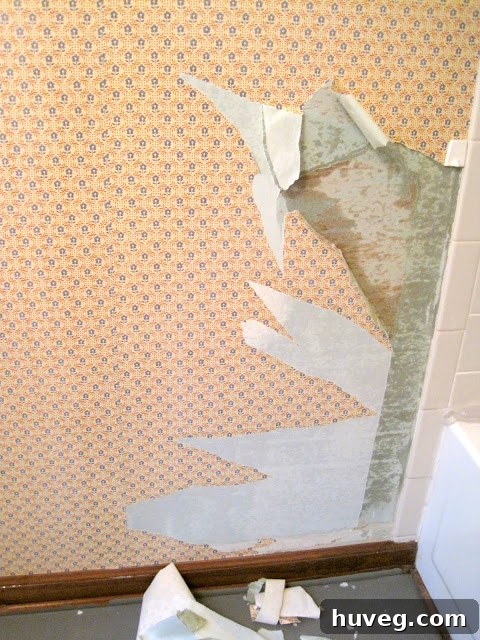
Once the final coats of Dove Wing were applied and dried, I stepped back to truly appreciate the incredible transformation. It’s always rewarding to see how far these walls have come, from their original state to the fresh, clean canvas they are now. The soft, neutral tone instantly elevates the space, making it feel brighter, more inviting, and significantly larger. The subtle warmth of Dove Wing beautifully complements the existing gray tones and prepares the room for its future elements, laying a perfect foundation for the overall design scheme.
A Blank Canvas Awaits: Future Decorating and Personal Touches
What do you think of the new walls? Yes, I know – at this stage, it looks quite plain. But that’s precisely the point of a well-chosen neutral: it provides a sophisticated, versatile foundation. The real magic begins now, as we transition from structural renovation to personal styling. My next step will be to introduce a selection of carefully chosen art pieces and accessories to this wall, injecting much-needed color, texture, and personality into the space. I envision a curated collection that harmonizes with the serene backdrop while providing vibrant points of interest. This stage of decorating is always my favorite, as it truly brings the room to life and makes it feel uniquely ours.
I am incredibly excited to finally have my primary bathroom back in full swing! Each step, from paint selection to meticulous priming and careful application, brings us closer to creating the dream bathroom. Stay tuned for the next phase, where we’ll delve into adding those final decorative touches that transform a functional space into a personal oasis.