Repurpose Your Old Baseboard Trim

Salvaging and Reusing Old Baseboards: A Comprehensive DIY Guide
Undertaking a home renovation project can be an exciting, yet often expensive, endeavor. While brand new baseboards might seem like a small detail in the grand scheme, the cost of purchasing fresh trim can quickly accumulate. This guide reveals how you can significantly cut down on expenses and contribute to sustainable practices by effectively salvaging and reusing your existing baseboards. Preserving these architectural elements not only saves money but also maintains the original character of your home. Follow these expert tips for removing, preparing, and reinstalling old baseboard trim with ease and confidence.
Essential Tools for Baseboard Removal and Reinstallation
Before you begin, gathering the right tools will make the entire process smoother, safer, and more efficient. Having these items on hand will minimize frustration and ensure the successful salvage of your baseboards:
- Utility Knife or Caulk Tool: For cleanly cutting caulk and paint lines.
- Flat Pry Bar Set: A robust, flat pry bar (often referred to as a “trim puller” or “nail puller”) is crucial for gently separating baseboards from walls. Consider a set with various sizes for different applications. This particular set is highly recommended for its versatility.
- Hammer: Essential for tapping back stubborn nails and for various nail removal techniques.
- Claw Hammer: Specifically for prying out nails.
- Pliers: Useful for gripping and pulling nails, especially when working from the back of the board.
- Wood Putty or Spackle: For filling nail holes and minor imperfections.
- Sandpaper (fine-grit): For smoothing filled holes and preparing surfaces for paint.
- Primer and Paint: High-quality primer and semi-gloss enamel paint for a durable finish.
- Caulking Gun and Caulk: To seal gaps between the baseboard and wall, and at seams.
- Construction Adhesive (Optional): For extra hold in areas where nailing is difficult or impossible.
- Miter Saw or Oscillating Multi-Tool: For precise cuts if trimming is needed during reinstallation.
- Stud Finder: To locate studs for secure nailing.
- Safety Glasses: Always wear eye protection, especially when prying, hammering, or using power tools.
- Dust Mask/Respirator: Protects against dust and paint fumes.
Step-by-Step Guide to Removing Baseboards Intact
Removing baseboards without damaging them or the surrounding walls requires patience and the correct technique. The goal is to separate the trim cleanly so it can be reused.
Preparation: Assessing the Baseboard and Wall
Begin by inspecting the baseboards. Look for any visible nail holes, caulk lines, or layers of old paint that might indicate how securely they are attached. Often, if the baseboard appears to blend seamlessly with the wall, it’s likely that caulk has been applied along the top edge. This sealing is common but requires careful attention during removal.
Cutting Caulk and Paint Seals
If caulk or multiple layers of paint are present, they create a strong bond between the baseboard and the wall, which can lead to tearing or splintering if not addressed first. Use a sharp utility knife or a specialized caulk cutting tool to score the seam where the top edge of the baseboard meets the wall. Angle your blade slightly downward, between the baseboard and the drywall, and slice firmly along the entire length of the board. This crucial step breaks the seal, allowing the baseboard to separate more easily without pulling off drywall paper or chipping paint unnecessarily. Repeat this process at any vertical seams between baseboard sections or at corners.
Carefully Prying Baseboards from the Wall
With the caulk seal broken, you’re ready to pry the baseboards away from the wall. This is where a flat, wide pry bar becomes indispensable. Position the thin, flat edge of your pry bar into the seam between the baseboard and the wall, ideally near a stud for better leverage. To protect your wall from dents or damage, place a thin piece of scrap wood, a putty knife, or even a thick cloth behind the pry bar as you apply pressure. Gently, yet firmly, pry the baseboard away from the wall. Work your way along the length of the board, gradually increasing the gap every 12-18 inches.
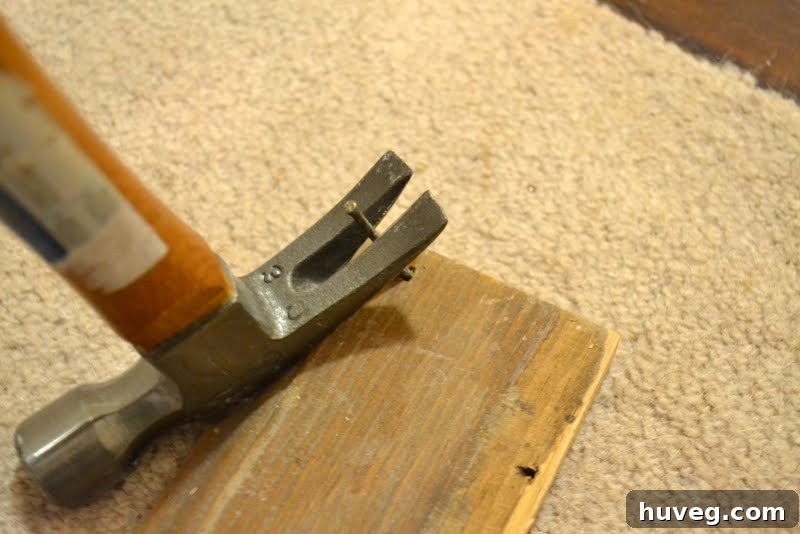
If the baseboard is stubbornly held by nails and resists cleanly pulling away, avoid forcing it, as this can cause the wood to splinter. Instead, pry the board just enough to create a small gap. Then, with a hammer, gently tap the baseboard back towards the wall at points where there are no nails. This action can help loosen the nails from the wood, causing them to protrude slightly from the back of the baseboard. Once the nails are visible or protruding, you can often use a claw hammer or pliers to pull them out from the back of the board, allowing for a cleaner separation. The goal is to remove the baseboards with the nails still attached to the board, but protruding enough to be dealt with, rather than leaving nails stuck in the wall.
For a visual demonstration of this technique, Pretty Handy Girl offers an excellent resource.
Mastering Nail Removal from Salvaged Baseboards
Once the baseboards are off the wall, the next challenge is to remove any remaining nails without further damaging the wood. There are a couple of effective methods for this, depending on how the nails are situated.
Method 1: Tapping Nails Through the Front
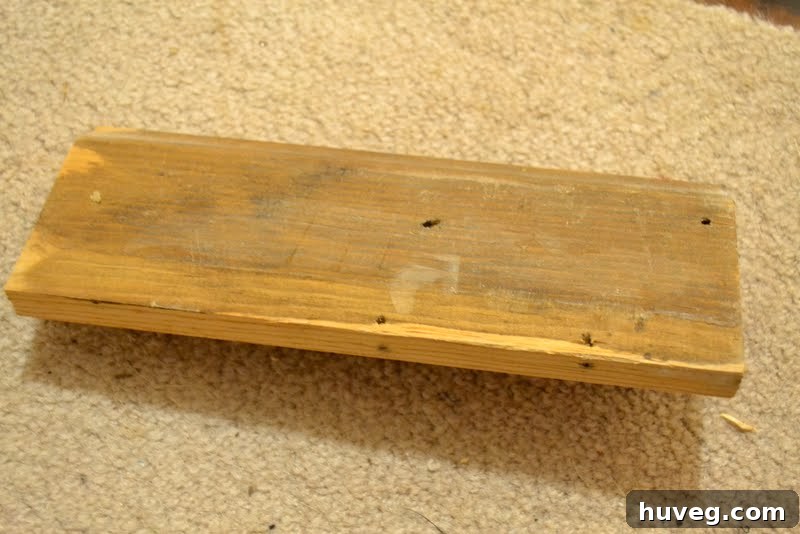
This method is generally preferred if the nail heads are flush with or slightly recessed into the front face of the baseboard, and you don’t mind a small amount of repair work on the front later. Begin by flipping the baseboard over so the back side, with the nail points, is facing up. It’s often helpful to place the baseboard on a soft, cushioned surface, like a carpet or a moving blanket. This not only protects the front of the baseboard but also provides a bit of give, making it easier for the nails to move.
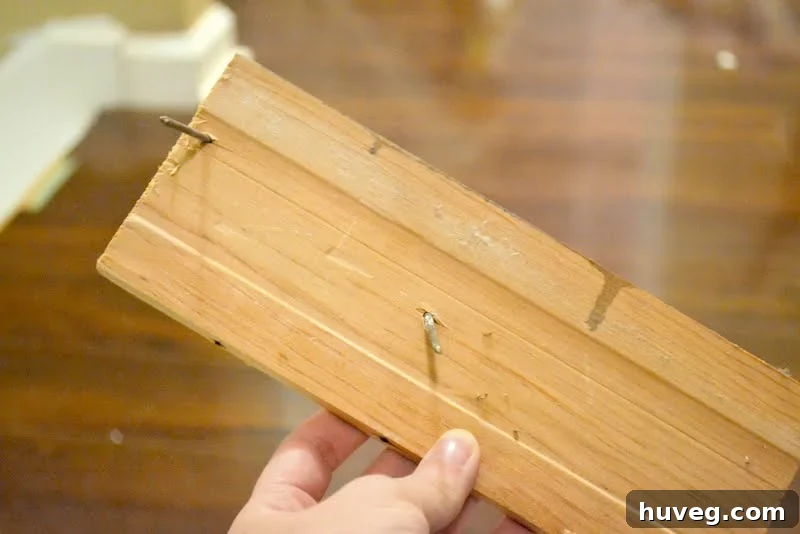
Using a hammer, gently tap the pointed ends of the nails. The goal is to push the nails back through the wood, causing their heads to protrude slightly from the front surface of the baseboard. Be firm but controlled, ensuring the nail moves cleanly through the wood.
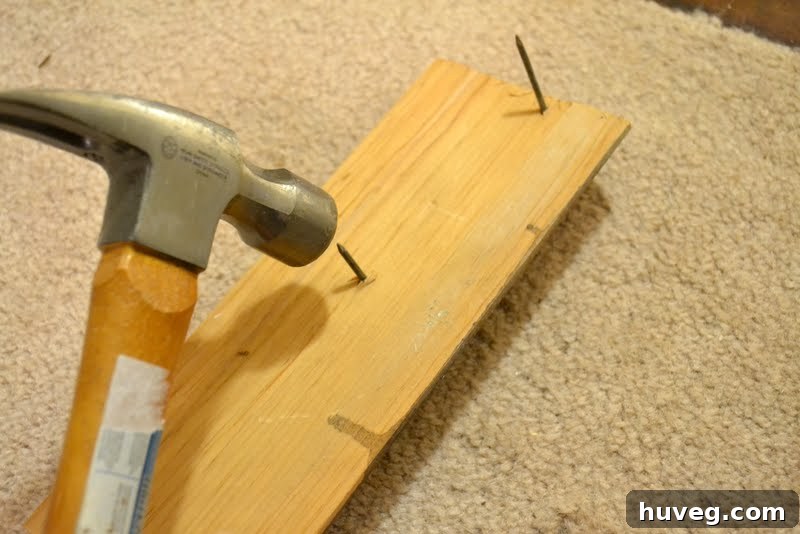
Once the nail heads are poking out from the front, flip the baseboard over again. Now, use the claw end of your hammer to grip each nail head and carefully pry it out. Pulling the nail through the larger, pre-existing hole on the front side often causes less damage than trying to pull it through the tighter back side. While this might leave a slightly larger hole on the front, these imperfections are easily addressed with wood putty before painting.
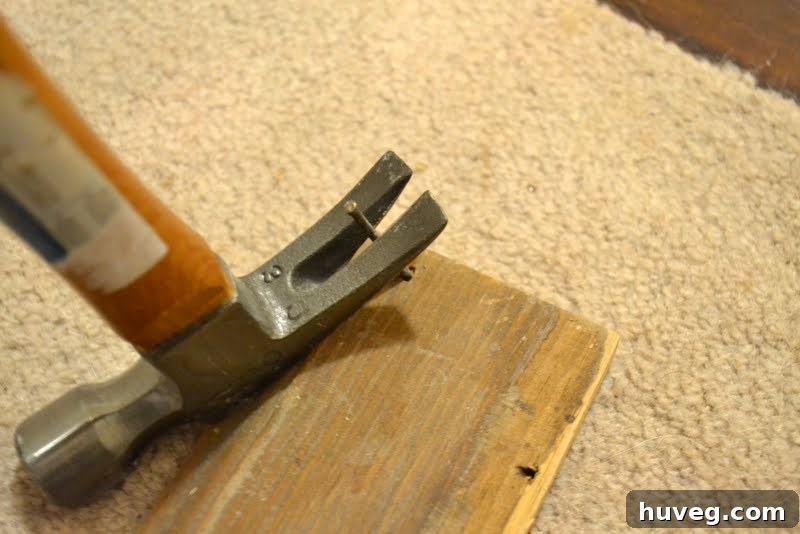
Method 2: Pulling Nails from the Back
For those who prioritize an absolutely unblemished front surface or are working with particularly old, delicate wood where forcing nails through the front might cause splintering, pulling nails from the back is a viable alternative. In this method, instead of pushing the nail through the front, you would use a claw hammer or a pair of sturdy pliers to grip the nail shaft from the back of the baseboard. Carefully pull the nail all the way through the baseboard from the back side. This technique requires a bit more force and precision, as the nail head often has to be squeezed through a smaller hole. However, it completely preserves the front face. This is especially useful if the original nail holes were previously filled with wood putty and painted over, as pushing a nail head back through could cause that putty to crumble and damage the surface.
Post-Removal Cleaning and Preparation
After all nails are removed, take time to clean the baseboards thoroughly. Scrape off any remnants of old caulk, paint drips, or debris. Fill all nail holes and any minor dents or imperfections with wood putty. Allow the putty to dry completely, then sand it smooth with fine-grit sandpaper. This preparation is essential for achieving a professional-looking finish when you paint.
The Smart Way to Paint Reused Baseboards
One of the biggest time-savers and quality boosters in baseboard renovation is painting them before reinstallation. This simple strategy eliminates the need for tedious taping and allows for a much more efficient and cleaner finish.
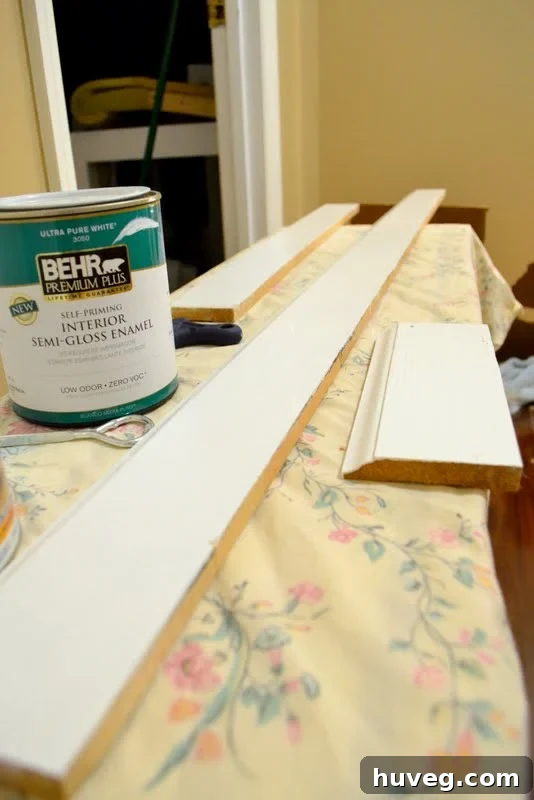
Lay the cleaned and prepped baseboards on sawhorses or a drop cloth in a well-ventilated area. Apply a high-quality primer first. Primer helps seal the wood, prevents stain bleed-through, and ensures better adhesion for your paint. After the primer dries, apply at least two coats of your chosen paint, typically a semi-gloss or high-gloss enamel, which is durable and easy to clean. Painting off the wall means you can paint quickly without worrying about drips or overspray on your walls or floors. The difference in quality and speed compared to painting installed baseboards is significant. You’ll achieve a much smoother, more even finish with far less effort. Don’t they look a million times better now?
Seamless Reinstallation of Your Salvaged Baseboards
Reinstalling baseboards is often easier than removal, especially since you’re working with pieces that are already cut to size. This step brings your renovation project to its final, polished stage.
Initial Placement and Fit Check
The primary advantage of reusing baseboards is that their original cuts are already made, which means they should fit back into their previous locations perfectly. However, if you’ve made any structural changes to the room—such as installing new cabinetry, a wider vanity, or altering wall dimensions—you might encounter minor fitting issues. Before securing anything, dry-fit each piece to ensure it still aligns correctly with the walls and corners. This quick check can save you headaches later.
Securing with Adhesive for Added Stability (Optional)
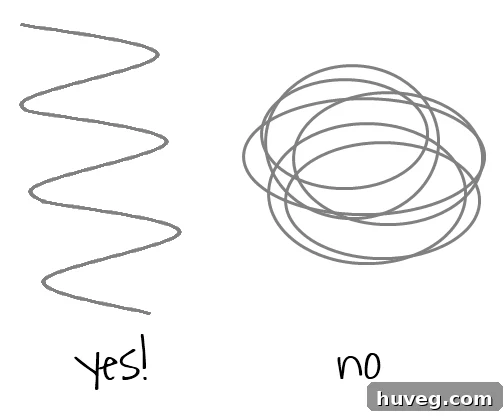
In certain situations, particularly in areas where traditional nailing might be difficult or where extra adhesion is desired (e.g., around a bathtub, in a bathroom with tiled walls, or over concrete block), construction adhesive can provide a strong, lasting bond. Apply the adhesive to the back of the baseboard in an “S-curve” pattern. Avoid applying it in circular motions, as this can trap air bubbles, leading to weaker adhesion and potential bulging. A continuous bead along the top and bottom edges, with a few waves in between, is usually sufficient. Remember that adhesive creates a very strong bond, so ensure the baseboard is perfectly aligned before pressing it firmly into place.
Nailing Baseboards Securely
Even with adhesive, nails are typically used to hold the baseboards firmly against the wall while the adhesive cures, and to provide long-term structural integrity. Since the old nail holes might be weakened or misaligned, it’s generally best to choose new spots for driving nails. Aim for a nail every 16 to 24 inches, typically two nails per stud – one near the top edge and one near the bottom edge of the baseboard – to prevent warping. Use a stud finder to locate the wall studs and nail into them for maximum holding power. If you’re working around hard surfaces like tile or laminate flooring, exercise extreme caution. Angle the nail’s entry slightly upward into the stud to avoid having it bounce off the hard surface, which can cause it to fly unpredictably. Always wear eye protection when using a hammer or, especially, a nail gun, as stray nails or debris can cause serious injury.
Making Adjustments: Trimming and Fitting
As mentioned, sometimes new fixtures or minor structural shifts mean your old baseboards are slightly too long or short. For instance, if a new vanity is wider than the old one, you might find a baseboard section needs to be shortened by an inch or two. In these cases, an oscillating multi-tool or a miter saw is invaluable for making precise cuts. An oscillating tool is great for making small, flush cuts in place, while a miter saw offers unparalleled precision for larger adjustments. Even with these minor modifications, reusing your old baseboards remains far more economical and convenient than purchasing and cutting entirely new ones.
Finishing Touches: Caulking and Paint Touch-Ups
With all the baseboards securely in place, the final steps involve sealing and blending for a professional finish. Apply a bead of paintable caulk along the top edge where the baseboard meets the wall. This fills any small gaps, preventing dust from settling in crevices and creating a clean, seamless look. Also, caulk any vertical seams between baseboard sections and fill any visible nail holes that weren’t addressed earlier. Allow the caulk to dry completely according to the manufacturer’s instructions, then apply a final touch-up coat of paint to blend everything seamlessly. This last step pulls the entire room together, making your salvaged baseboards look as good as new.
Conclusion: Enjoy Your Revitalized Space and Savings
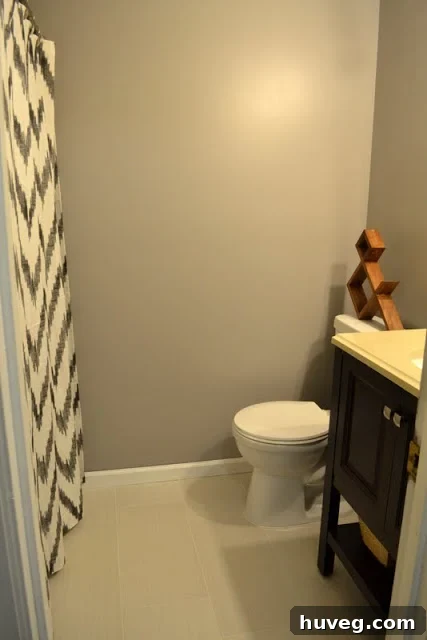
By taking the time to carefully remove, prepare, and reinstall your old baseboards, you’ve not only achieved a beautiful, refreshed look for your home but also made a smart financial decision and an environmentally conscious choice. The dollars saved can now be reinvested into other aspects of your renovation, perhaps a new tool for your growing collection, or simply enjoyed. Embrace the satisfaction of a DIY project completed with skill and foresight. Your revitalized space, complete with its beautifully restored baseboards, stands as a testament to your efforts and ingenuity.