The Quiet Power of Patience

The Art of Patience: Mastering Wall Preparation for a Flawless Dining Room Transformation
Embarking on a home renovation journey, especially in a central space like the dining room, is always an exciting endeavor. There’s a tangible thrill in envisioning the final aesthetic, the fresh paint, and the renewed ambiance. However, the path to that perfect finish is often paved with meticulous preparation – a stage that, while less glamorous, is undeniably the most critical. In my ongoing dining room project, I’ve recently tackled a crucial step: the application of an oil primer. This seemingly simple action is a cornerstone in ensuring that the extensive work put into removing old wallpaper and repairing walls truly pays off, setting the stage for a paint job that will stand the test of time.
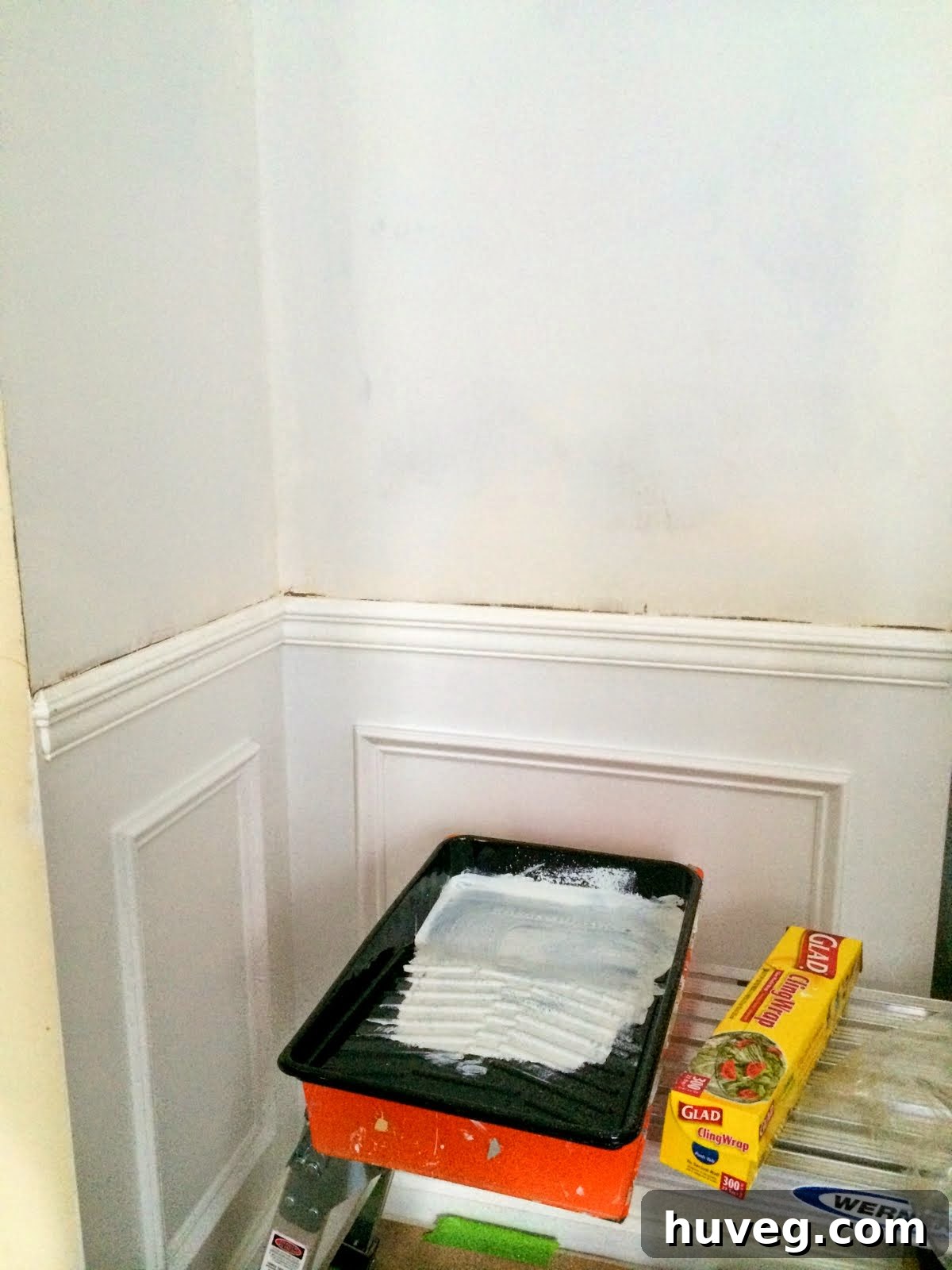
As I mentioned in my previous updates, the walls required significant attention following the removal of stubborn wallpaper. This process often leaves behind a myriad of bumps, lumps, and residual adhesive, all of which demand careful remediation. My plan involved applying a second, thin coat of joint compound to rectify these imperfections, smoothing out any remaining textural inconsistencies. To ensure optimal adhesion and prevent any bubbling or peeling of this new compound, the application of a high-quality oil primer was absolutely essential. This step acts as a powerful sealant, creating a uniform, stable surface that’s ready for subsequent layers.
The Foundation of a Flawless Finish: Why Wall Preparation Matters
Achieving truly smooth walls before painting is not merely an aesthetic preference; it’s a fundamental requirement for a durable and professional-looking finish. Any shortcuts taken during the preparation phase will inevitably manifest themselves once the paint goes on, often magnifying imperfections that were barely noticeable before. This is particularly true for rooms like a dining room, where lighting can highlight every subtle flaw.
From Wallpaper Woes to Smooth Surfaces: The Initial Challenge
The journey to pristine walls often begins with the arduous task of wallpaper removal. This can be one of the most physically demanding and frustrating parts of any renovation. Years of adhesive, layered paper, and sometimes multiple coats of paint over wallpaper can leave walls in a challenging state. Residual glue, torn drywall paper, and uneven surfaces are common after-effects. Addressing these issues thoroughly is paramount. Without proper scraping, cleaning, and patching, these underlying problems will compromise the integrity of any new finish. The goal is to transform a scarred surface into a blank canvas, completely free of the ghosts of previous decor.
The Unsung Hero: Understanding Oil Primer
After the initial repairs, the application of primer becomes the next critical step. While many DIYers might be tempted to skip this or opt for a cheaper, less effective option, the choice of primer can dramatically influence the outcome. For challenging surfaces, especially those where old wallpaper adhesive might have left stubborn residues, an oil-based primer is invaluable. Its unique properties make it an excellent choice for a variety of reasons:
- Sealing Stains and Residues: Oil primer is exceptionally good at blocking water-soluble stains, smoke damage, and crucially, leftover wallpaper paste residues from bleeding through the new paint. This ensures your final paint color remains true and vibrant.
- Superior Adhesion: It creates an excellent bonding surface for subsequent layers of joint compound and paint, minimizing the risk of bubbling, peeling, or cracking down the line. This is especially vital for the joint compound applied to smooth out imperfections. For an idea of the physical effort involved in preparing surfaces, one might compare it to a demanding arm workout.
- Enhanced Durability: By creating a robust barrier, oil primer contributes to the overall longevity of your paint finish, protecting it from wear and tear.
- Uniform Absorption: It equalizes the porosity of the wall surface, preventing paint from being absorbed unevenly, which can lead to patchy or inconsistent color.
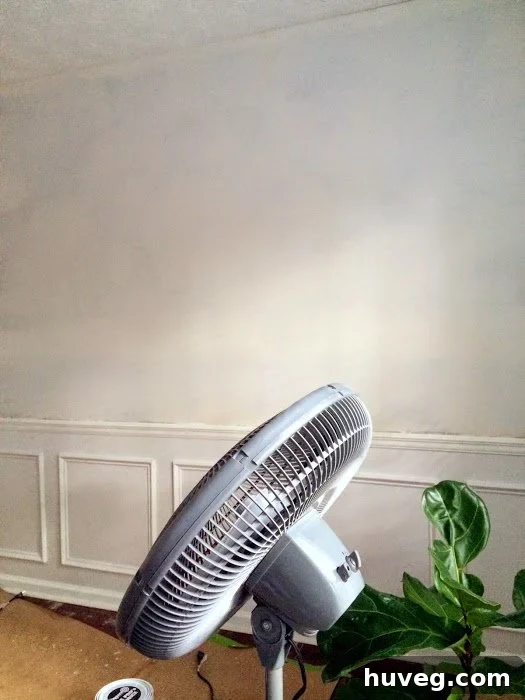
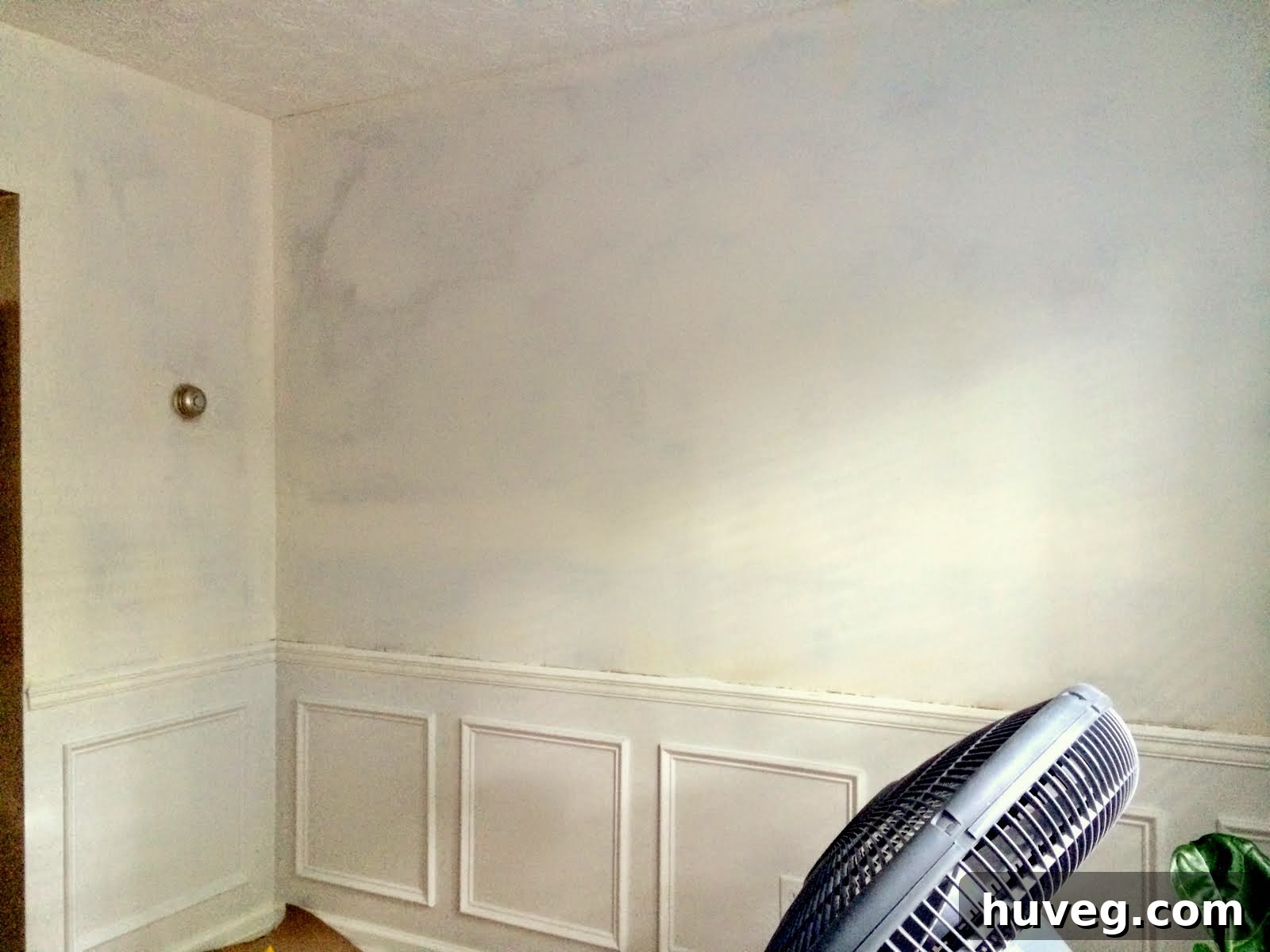
The process of applying the oil primer itself is straightforward but requires good ventilation due to the fumes. Once applied and given ample time to dry and air out, the transformation is immediate and visually striking. The walls begin to look smooth and uniform, offering a tantalizing glimpse of the finished product.
The Magic of Skim Coating: Achieving Perfection with Joint Compound
Even with a stellar primer, walls rarely achieve absolute perfection without a skim coat. This technique involves applying one or more very thin layers of joint compound over the entire wall surface, essentially filling in any remaining minor imperfections that even the best primer can’t erase. These can include:
- Small divots and scratches
- Subtle texture differences from previous repairs
- Slightly uneven plaster or drywall seams
- Areas where wallpaper removal may have lightly damaged the drywall paper
The beauty of skim coating lies in its ability to create a truly monolithic, uniform surface. It’s a testament to the idea that sometimes less is more – multiple thin coats are always preferable to one thick application, which is prone to cracking and uneven drying. Each coat should be applied thinly with a wide taping knife or trowel, allowed to dry completely, and then lightly sanded before the next. This iterative process, though time-consuming, is what separates a good paint job from a spectacular one.
The Gritty Reality: The Indispensable Role of Sanding
After the skim coats have been meticulously applied and allowed to cure, the final, yet equally crucial, step in wall preparation is sanding. This isn’t just about removing excess joint compound; it’s about refining the surface to an immaculate smoothness that will seamlessly accept paint. Even the most skilled skim coater will leave behind minute ridges, tool marks, or subtle texture variations. Sanding addresses these:
- Feathering Edges: Blending the edges of patched areas seamlessly into the surrounding wall.
- Removing Imperfections: Eliminating any minor bumps or grit embedded in the dried compound.
- Creating a Uniform Texture: Ensuring the entire wall has a consistent, velvety feel, free of any tactile variations.
Using a fine-grit sandpaper (typically 150-220 grit) on a sanding block or pole sander is recommended. It’s a dusty job, requiring proper protective gear (mask, goggles) and good ventilation, but the results are profoundly satisfying. The touch test becomes the ultimate judge: running your hand across the wall should feel uniformly smooth, with no discernible changes in texture. This tactile feedback is often more telling than visual inspection alone.
The DIY Dilemma: Battling Impatience in Pursuit of Perfection
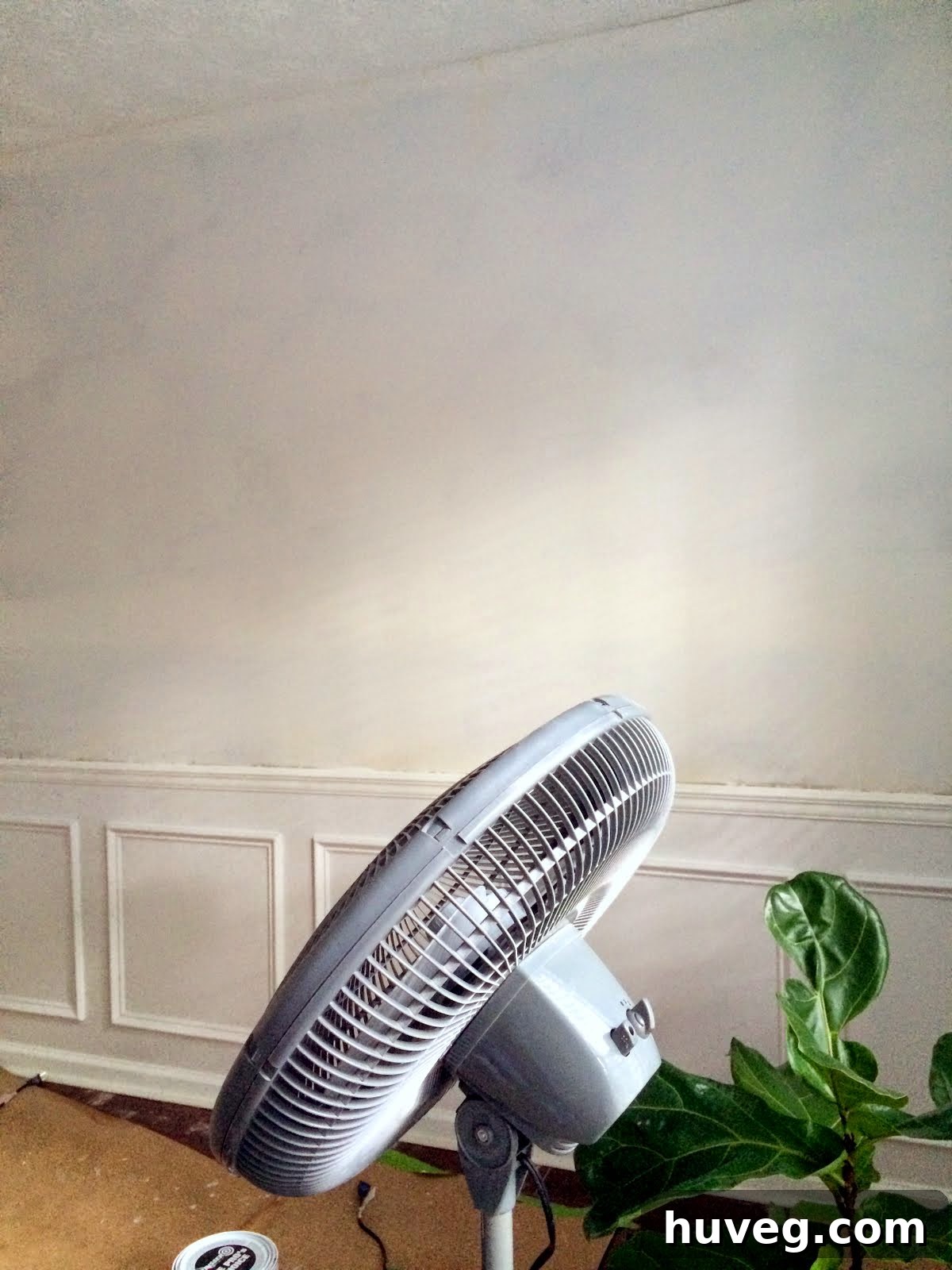
This brings me to the current state of my dining room walls. With the fresh coat of oil primer now applied and aired out, the walls look incredibly smooth. They’ve shed their patchy, post-wallpaper appearance and now present a uniform, light hue. And truthfully, this visual transformation is both a blessing and a curse. I’m getting so impatient! My internal monologue is a constant nag: “They look perfect! Why can’t I just paint them already?” The temptation to dive straight into the vibrant color I’ve chosen is almost overwhelming.
The Illusion of Smoothness: Why Your Eyes Can Deceive You
This is precisely where the “optical illusion” comes into play. The primer provides a wonderfully consistent base color, which hides a multitude of sins that would be glaringly obvious on a bare, repaired wall. However, this visual uniformity doesn’t equate to perfect physical smoothness. The truth is, I still need at least one more skim coat and a thorough sanding session before the walls are truly ready for paint. Every tiny bump, every minuscule scratch, every subtle imperfection that my eyes gloss over now will be dramatically accentuated by the reflective quality of paint, especially in varying light conditions. The finished paint acts like a magnifying glass, revealing every single flaw.
The Cost of Skipping Steps: Long-Term Consequences
This internal struggle to resist skipping crucial steps is arguably one of the hardest parts of any DIY project. It’s easy to get caught up in the momentum and the desire for instant gratification. But I know from experience, and from countless cautionary tales, that if I were to slap paint up right away, the consequences would be dire. Every missed lump, every unsanded edge, every unfeathered patch would show through. The result wouldn’t be the crisp, professional finish I’m striving for; it would be a “half-assed” job, a constant reminder of my impatience. And I’ve invested too much hard work, time, and effort up to this point – from the physical exertion of wallpaper removal to the careful application of primer – to compromise the final outcome. The frustration of seeing imperfections in a newly painted room, knowing they could have been prevented, far outweighs the temporary satisfaction of rushing.
Cultivating DIY Zen: Strategies for Patience
So, I’m working on my patience. Or at least, something akin to patience. Silencing that nagging voice in my head that constantly urges me to “just paint the room already” feels a lot like a mental battle. My strategy involves reminding myself of the ultimate goal: a beautifully finished dining room that I’ll be proud of for years to come. I’m breaking down the remaining tasks into smaller, manageable chunks, focusing solely on the next skim coat, then the next round of sanding. I’m also allowing myself to step away for a bit, to gain fresh perspective and let the compound dry thoroughly, rather than hovering over it impatiently. This mental discipline is as important as any physical skill in DIY.
Essential Tools and Techniques for Superior Wall Prep
To achieve the level of wall preparation described, a specific set of tools and techniques is essential. Having the right equipment makes the process smoother and the results more professional.
Primer Application: The Right Way
When applying oil primer, ensure the room is well-ventilated. Use a quality roller with a nap appropriate for the wall texture (usually 3/8″ to 1/2″ for smooth walls). Cut in edges with a good quality brush. Apply the primer evenly, avoiding drips and runs. Allow ample drying time, which can be longer for oil-based products, and ensure all fumes have dissipated before proceeding to the next step. Wearing a respirator during application is highly recommended.
Mastering the Skim Coat: Tips for a Professional Finish
For skim coating, a wide taping knife (10-12 inches) or a drywall trowel is ideal. Use lightweight joint compound, which is easier to sand. Apply the compound in thin, even layers, holding the knife at a shallow angle to the wall. Overlap each pass slightly to ensure full coverage. Allow each coat to dry completely before applying the next or sanding. For severely textured walls, two or three skim coats might be necessary to achieve true smoothness.
The Art of Sanding: Smoothness Without Overdoing It
Sanding is where the wall truly becomes paint-ready. Use a sanding pole or hand sander with 150-220 grit sandpaper. Sand in circular motions, applying even, gentle pressure. Avoid over-sanding in one area, which can create depressions. After sanding, thoroughly clean the walls to remove all dust. A shop vac with a brush attachment, followed by a damp cloth (ensure it’s just damp, not wet), works wonders. This final cleaning step is critical, as paint will not adhere properly to dusty surfaces.
Beyond the Walls: The Broader Message of DIY Renovation
The lessons learned during wall preparation extend far beyond the dining room. They encapsulate the very essence of successful DIY: the understanding that true quality often lies in the unseen groundwork. It’s about respecting the process, honoring each step, and embracing the value of meticulous effort. This philosophy not only leads to superior results but also cultivates a deeper sense of accomplishment and pride in one’s work.
The Reward of Meticulous Work
There’s an undeniable satisfaction that comes from stepping back and admiring a project completed with care and attention to detail. A perfectly prepped wall means a paint job that looks professional, lasts longer, and truly enhances the beauty of your home. It means the vibrant color chosen will shine as intended, without the distraction of underlying imperfections. This meticulous approach ensures that the aesthetic vision you began with is fully realized, creating a space that is both beautiful and enduring.
Empowering Your Home Transformation Journey
For anyone embarking on their own home transformation journey, this serves as a gentle reminder: don’t rush the process. Embrace the preparation, understand its importance, and allow yourself the patience needed to do it right. The effort invested in proper wall preparation is an investment in the longevity and beauty of your renovation. It empowers you to create spaces that not only look good but feel good, knowing they were built on a foundation of quality.
What’s Next: Looking Forward to the Final Brushstrokes
While the wait is undeniably challenging, I know that this current phase of patience and painstaking preparation is leading to a truly rewarding outcome. The dining room, once stripped and scarred, is steadily transforming into the elegant space I envision. Soon, the final skim coat will be applied, the walls will be sanded to glass-like smoothness, and then – finally – the paint will go on. The anticipation for those final brushstrokes, for seeing the chosen color bring the room to life, is immense. But until then, I’ll continue to preach (and practice) the gospel of proper preparation, knowing that the perfect finish is just a little more patience away.