No-Dig Lasagna: Building Your Raised Garden

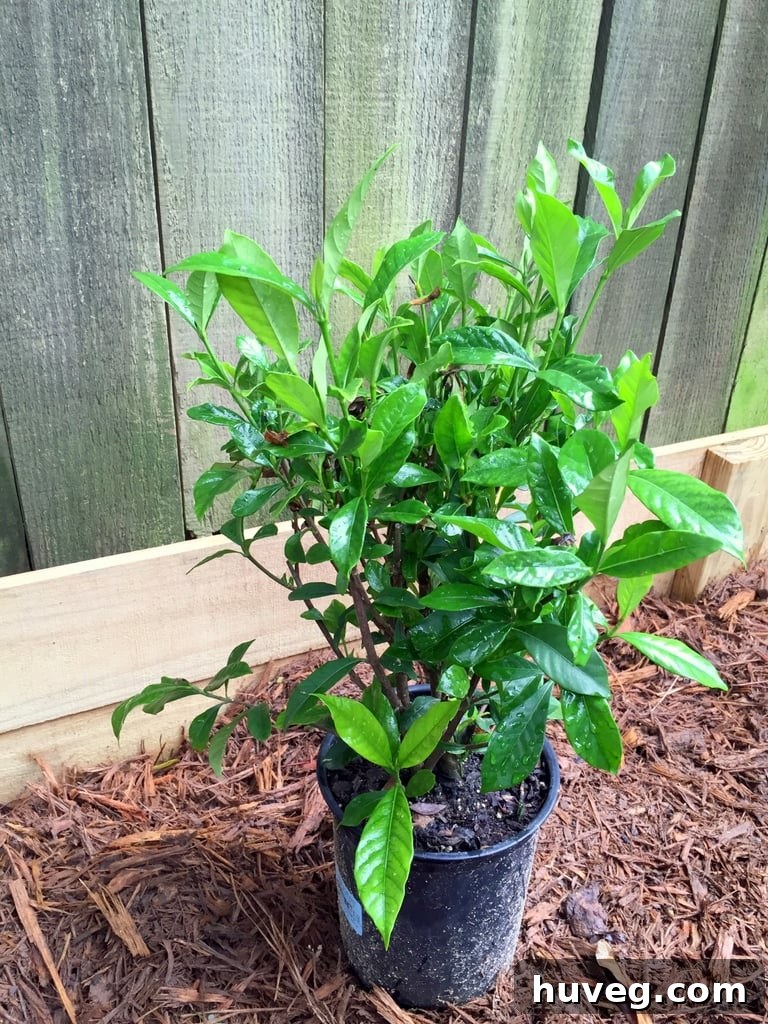
As the vibrant hues of spring continue to paint our landscapes, I recently dedicated a significant portion of my weekend to an exciting garden project: installing and preparing new raised garden beds. It’s incredibly satisfying to transform an outdoor space, and I’m thrilled to share the journey of these new additions to my yard.
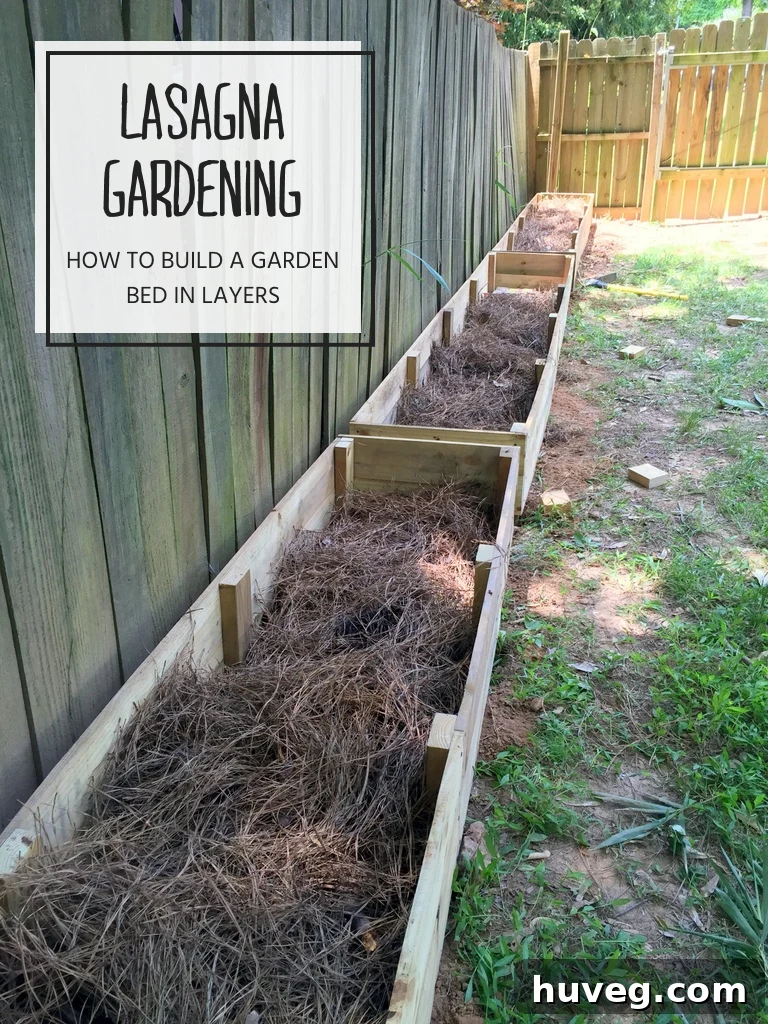
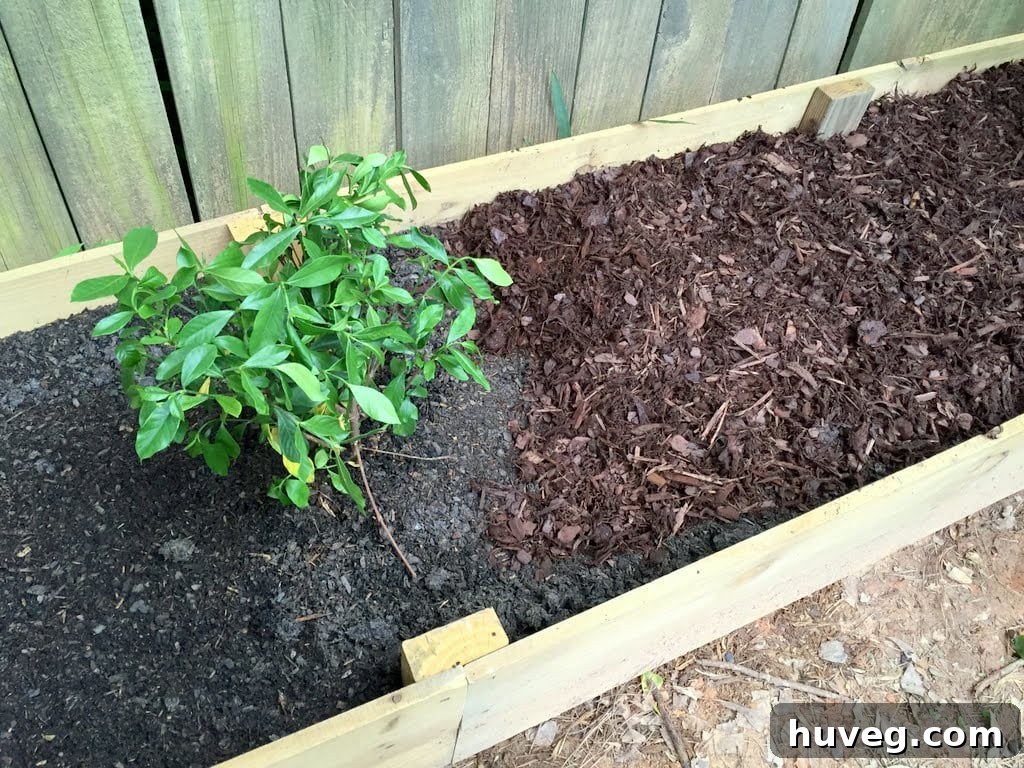
The best news is that all three of these long, elegant garden beds are now perfectly situated in their designated spots. What makes this project even more rewarding is that these raised beds were practically free! I managed to construct them using leftover materials from a previous fencing project, which itself utilized free materials generously provided by my sister from her own fencing endeavors. It was truly a win-win-win scenario, demonstrating how resourcefulness can significantly cut down project costs.
Initially, I drew inspiration from some existing garden bed plans but adapted them to create narrower and longer beds. This modification was crucial because this particular side of my yard doesn’t receive enough direct sunlight for growing vegetables. My intention for these beds is to cultivate beautiful, shade-tolerant flowering shrubs, creating an aesthetically pleasing border. If there’s enough interest, I’d be happy to share the exact modified plans in a separate post later this week.
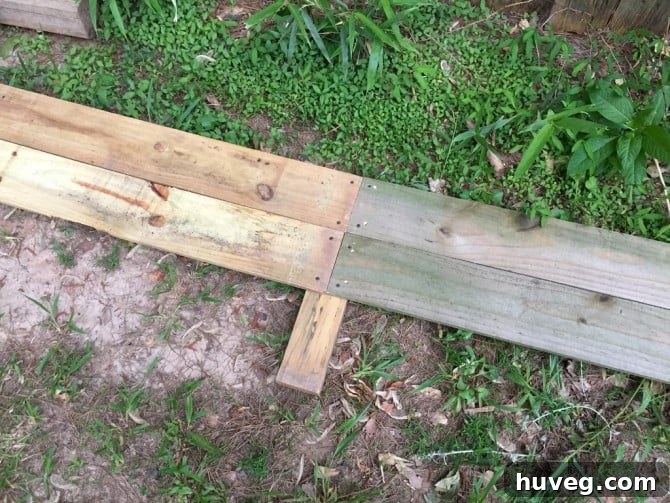
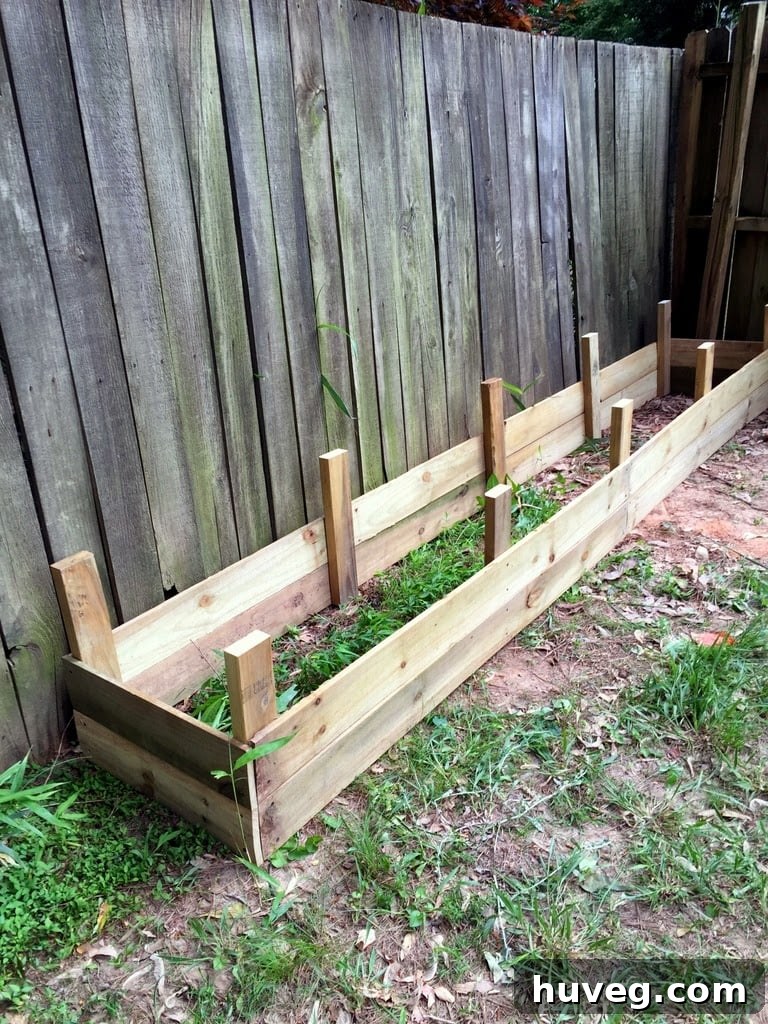
The more challenging, yet equally essential, phase of this project involves a lot of layering. This means numerous trips back and forth with the wheelbarrow, transporting various organic materials to fill the beds. While it’s a labor-intensive process, I’m grateful for small discoveries that make it more manageable. For instance, I recently stumbled upon a fantastic YouTube video that taught me how to self-adjust my upper back, which has been an absolute lifesaver during these strenuous tasks.
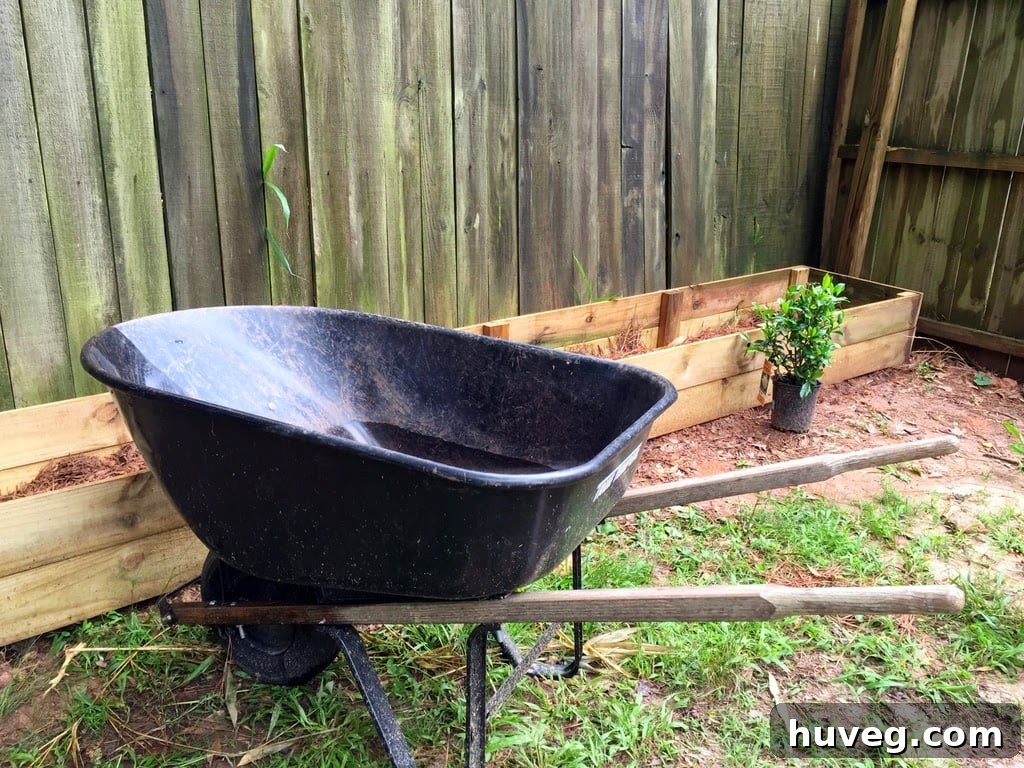
Transforming a Challenging Spot with Raised Beds
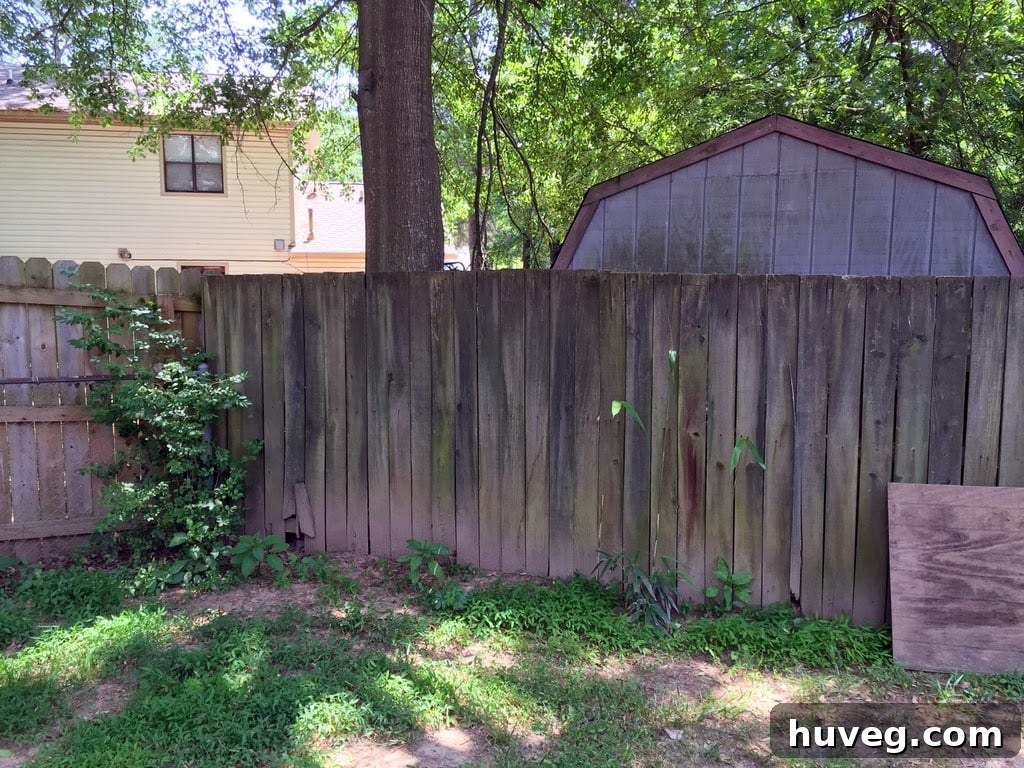
To fully appreciate the transformation, it’s worth seeing the “before” state of the area where these beds are now installed. The pictures clearly illustrate why I opted for raised beds in front of my neighbor’s fence. A crucial piece of advice for any aspiring gardener: never plant bamboo in your yard! It’s an incredibly aggressive plant that spreads rapidly and can wreak havoc on surrounding landscapes and structures.
While I can’t undertake a full repair of the neighboring fence – both due to the cost of repairing someone else’s property and the persistent issue of bamboo growth on their side – I can certainly enhance the aesthetics and functionality of my side. By strategically placing evergreen shrubs within these raised beds, I aim to obscure the unsightly fence and create a visually appealing barrier. Furthermore, using raised beds eliminates the arduous task of digging into the dense, hard Georgia clay and battling deeply entrenched bamboo roots, making the planting process significantly easier and more effective.
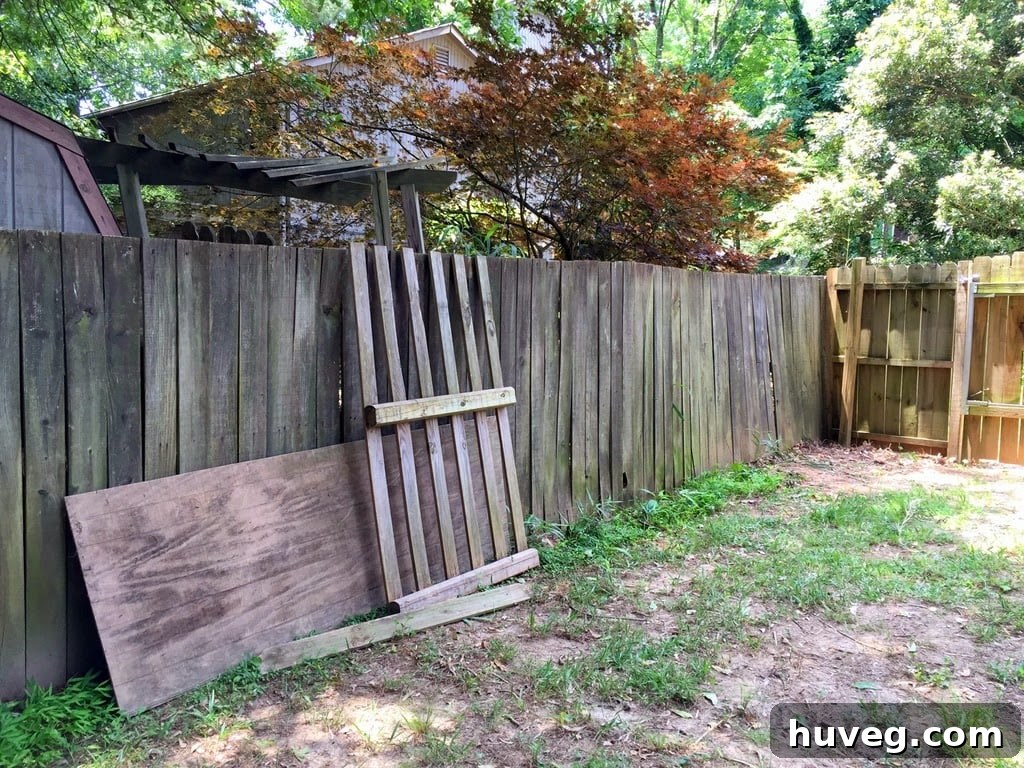
On a related note, I can’t help but admire the stunning Japanese maple in my neighbors’ yard. It’s truly gorgeous and has inspired me to consider planting one in a back corner of my own property. Both of my adjacent neighbors have them, and their beauty is quite captivating.
Mastering Lasagna Gardening for Thriving Beds
To ensure these new beds provide the optimal environment for my flowering hedge, I’m employing a highly effective method known as “lasagna gardening.” This technique, popularized by gardening experts like Patricia Lanza, involves building up garden beds with various layers of organic materials rather than traditional tilling or extensive soil amendment.
The core principle of lasagna gardening is to mimic nature’s composting process. By layering organic matter such as cardboard, mulch, garden trimmings, and nutrient-rich soil, we create a thriving ecosystem that suppresses weeds, retains moisture, and slowly releases essential nutrients to the plants. This method significantly increases the chances of success, even for those of us who might not naturally possess a “green thumb.” It minimizes the constant battle with weeds and provides a rich, fertile foundation for plants to flourish, reducing the frustration often associated with gardening and the risk of plants not surviving after purchase. While plant guarantees exist, the convenience of a resilient garden outweighs the hassle of returning deceased plants.
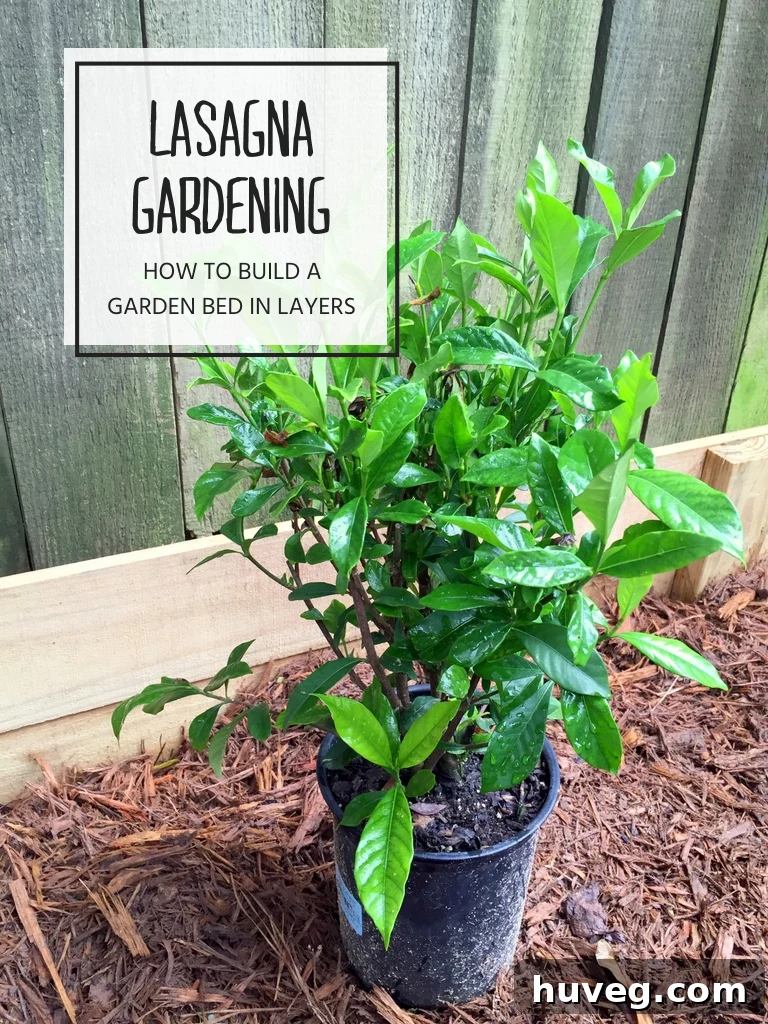
One of the most appealing aspects of lasagna gardening is its cost-effectiveness. Instead of spending a fortune on countless bags of store-bought gardening soil, this method encourages the use of readily available and often free organic materials found right in your yard or local environment. Think old newspapers, fallen pine needles, and bark mulch or wood chips from recent tree removals. This approach not only saves money but also promotes sustainable gardening practices by repurposing waste materials. Here’s how I’m layering my new raised beds:
Step-by-Step Guide: Filling a Garden Bed Using the Lasagna Method
Essential Tools for Lasagna Gardening
- Shovel: For moving and layering materials.
- Gardening Gloves: To protect your hands during the process.
- Wheelbarrow: Indispensable for transporting bulky organic materials.
Compost Materials (The “Ingredients” for Your Lasagna)
- Kitchen Scraps: Vegetable peels, coffee grounds, tea leaves – rich in nitrogen.
- Cardboard: Excellent weed barrier and carbon source.
- Newspaper: Similar to cardboard, good for weed suppression.
- Pine Straw: Abundant in many yards, provides carbon and aeration.
- Sawdust: Another carbon-rich material, adds structure.
- Straw or Hay: Adds bulk and carbon, improves drainage.
- Yard Trimmings: Clipped branches, dead leaves – a mix of carbon and nitrogen.
- Grass Clippings: High in nitrogen, quickly breaks down.
Layer 1: The Foundation – Cardboard or Newspaper (The Weed Blocker)
The initial and most critical layer of any lasagna garden bed is a generous spread of cardboard or wet newspaper. Before embarking on this project, I almost made the mistake of recycling a substantial amount of cardboard, only to realize its immense value for my garden beds. Fortunately, a quick search around the house revealed that cardboard is surprisingly abundant, much like the infamous “clown car” of plastic bags we all seem to accumulate.

This foundational layer serves multiple crucial purposes: it acts as a powerful weed blocker, effectively smothering any existing grass or weeds underneath, and creates a barrier that prevents unwanted roots from infiltrating the bed from below. It’s essential to fully cover all exposed grassy areas, overlapping the cardboard pieces to prevent gaps. If cardboard isn’t flexible enough for tight spots, shredded wet newspaper can be used to fill any crevices, ensuring complete coverage and maximum weed suppression.
Layer 2: Building the Bulk – Alternating Brown and Green Materials
This is where the “lasagna” concept truly comes to life, focusing on alternating layers of “brown” (carbon-rich) and “green” (nitrogen-rich) materials. This layering strategy is vital for establishing a well-drained, nutrient-rich, and healthy soil structure. For my initial brown layers, I started with a thick application of pine straw, which I have in abundance from past yard work.
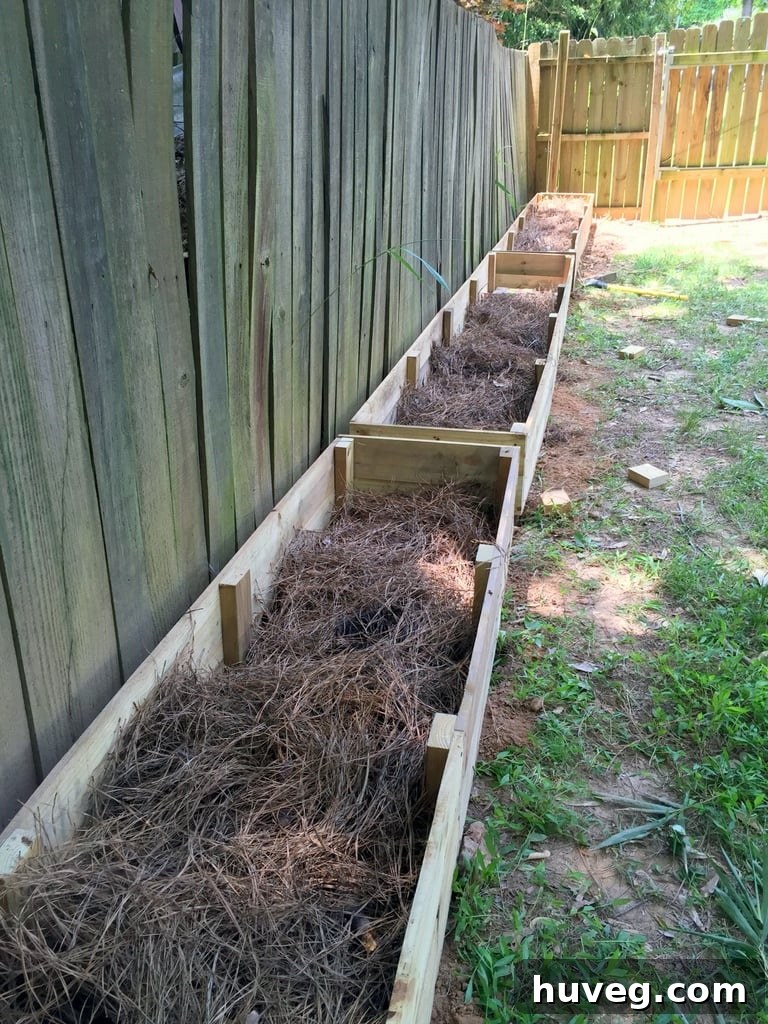
Following the pine straw, I added a substantial layer of organic matter derived from grinding down the stumps of five pine trees removed earlier this year. This material has been sitting in piles, exposed to the elements all spring, which is actually a bonus! The heat and rain have already begun the composting process, partially breaking down the wood chips and mulch. This pre-composted material will provide an excellent head start for nutrient release within the beds, proving that sometimes, a bit of natural “laziness” can yield fantastic results.
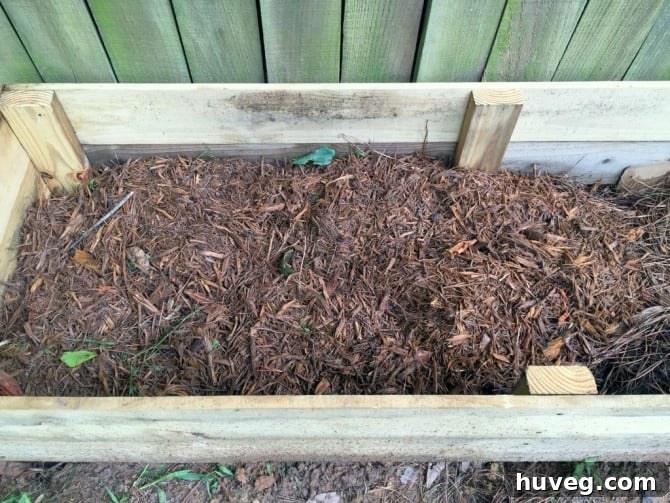
In harmony with these brown, carbon-rich layers, lasagna gardening emphasizes the importance of incorporating “green” materials. These include fresh grass clippings, fallen leaves, general yard trimmings, and kitchen vegetable scraps. The brown layers contribute essential carbon, providing structure and energy for beneficial microorganisms, while the green layers introduce vital nitrogen. This balanced combination fuels the decomposition process, creating a natural composting system within the bed that continuously enriches the soil and nourishes the root systems of the plants placed on top.
Layer 3: The Nutrient-Rich Top – Soil and Amendments
I’m still actively working on this final layering step. It turns out that filling these beds requires an impressive number of wheelbarrow loads of pine mulch and other organic matter. My plan for the top layer involves a blend of materials to create an ideal growing medium. I’ll combine several bags of high-quality store-bought soil with the compost I’ve been nurturing in my compost pile. Additionally, I intend to mix in some peat moss or a similar amendment to enhance moisture retention and further improve the soil structure. This combination will provide a light, fertile, and well-draining environment for the plants.
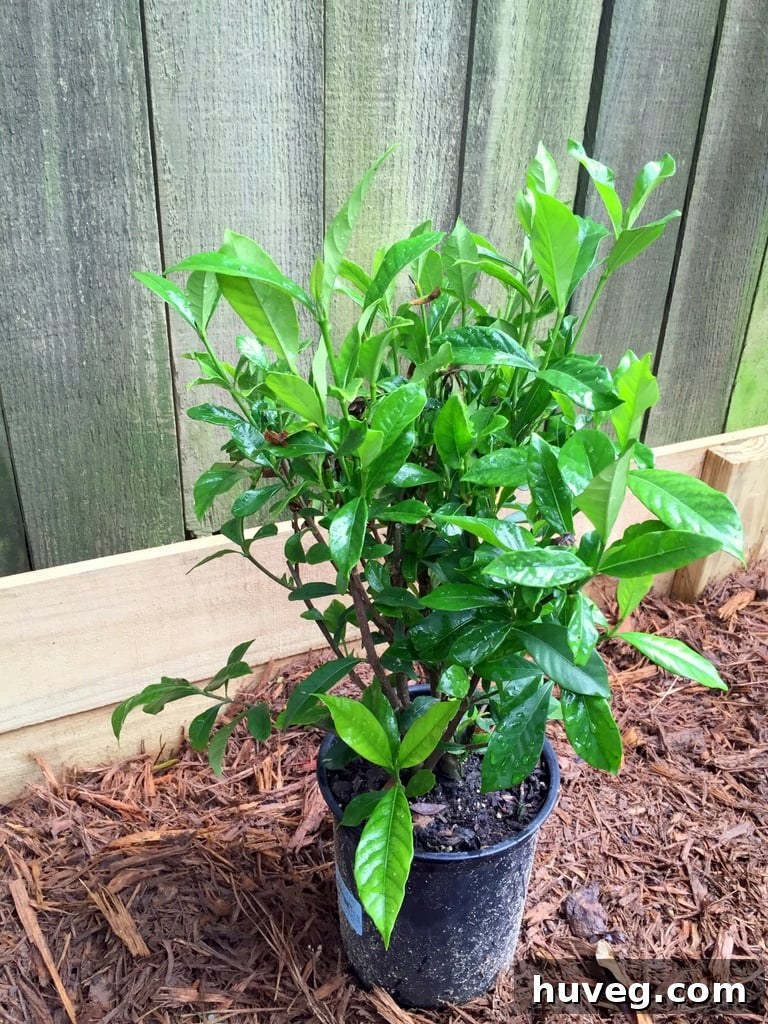
While there’s still more filling to accomplish this week, I’ve already acquired six beautiful plants to populate the first two beds. My initial ambition was to get more, but the store had limited stock of my desired varieties. The impending arrival of these plants serves as excellent motivation to complete the layering process swiftly. I can’t wait to get them into their new, nutrient-rich homes!
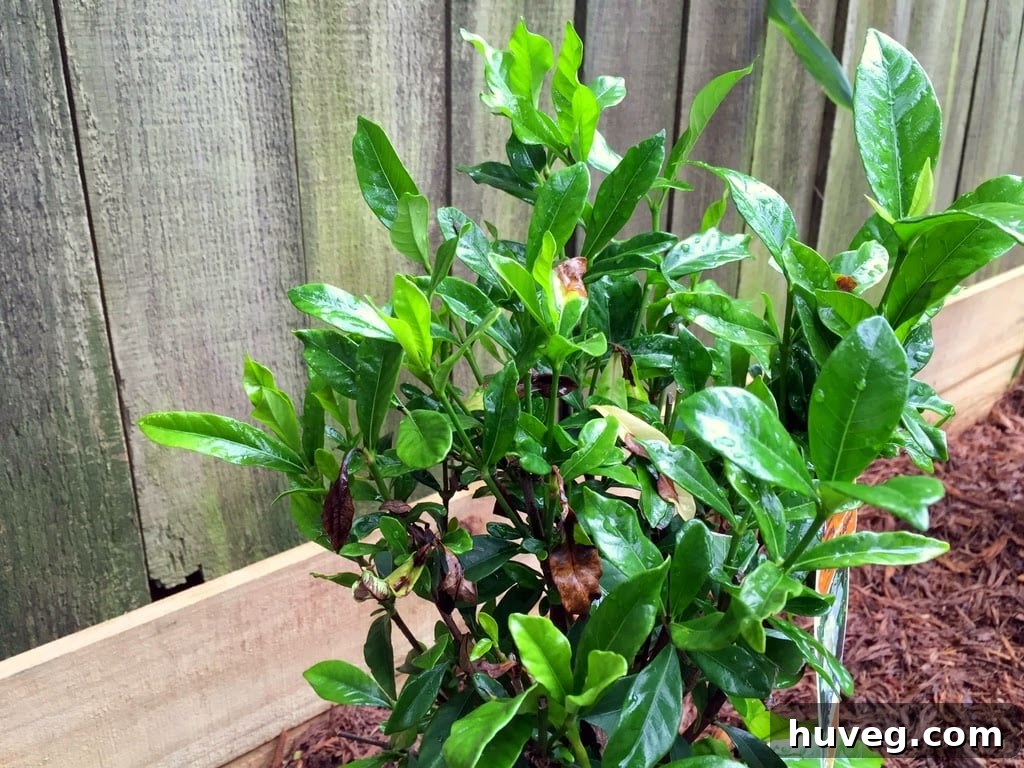
I’ll be sure to share some final photographs once all the planting and mulching are complete. For now, I’m incredibly pleased with the significant progress. This project has taken a huge step toward making this side of my yard look much more organized and thoughtfully maintained. It’s also efficiently redistributing the large mounds of pine mulch that have been sitting around. And let’s not forget the best part: it’s almost entirely free! You’ve got to appreciate a high-impact, low-cost home improvement.
UPDATE: The gardenia garden beds are now finished and flourishing! See this post for the exciting final reveal and how beautiful they look!
More Gardening Ideas
SEE ALL GARDENING
Discover expert DIY tips on how to improve and grow vegetables in your backyard, nurture beautiful flowers, and more.
-
How to Build a Beautiful Flower Bed for Tons of Curb Appeal
-
Not Sure What to Plant? Try a Summer Butterfly Garden
-
How to Build a Better Bee House | Free Plans
-
Buying Houseplants Online: What to Look For & My Fave Shops
-
3 Easy Ways to Propagate Hydrangeas
-
Adding Some Wow to the Deck with Colorful New Plants & Planters